REVIEW · TIRANA
Kruja Castle ,Sari Salltik & Durrës fromTirana
Book on Viator →Operated by Guidealbania · Bookable on Viator
A day trip that changes altitude fast.
This Kruja Castle and Durrës tour gives you mountains first, then the Adriatic, with a real guide who connects Albania’s past to what you see on the ground. I especially like the hotel pickup and the air-conditioned ride, because it turns a long day into something you can actually enjoy instead of survive.
One thing to plan for: it’s a full schedule, so you might feel limited free time at a couple of stops if you’re hoping for a slow, unhurried pace.
Kruja brings the big story, then you shop old streets.
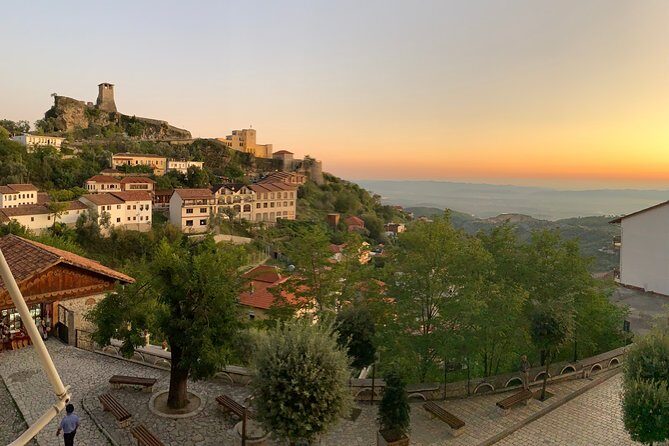
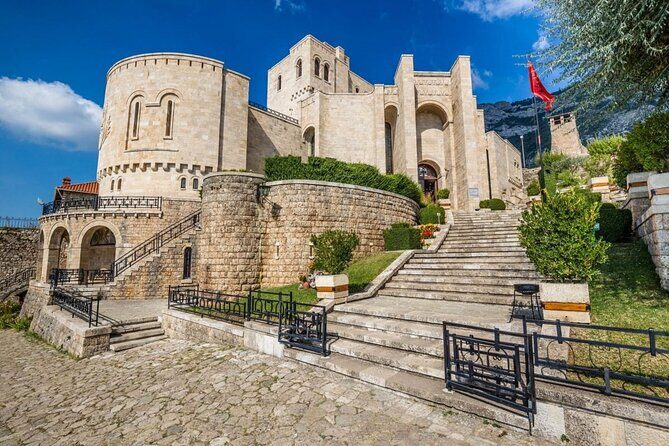
The Castle of Kruja and the Skenderbeg Museum sit right above the town, and the views help you understand why this place mattered. I also love how the day doesn’t stop at one “must-see” site. You get the old bazaar in Kruja, then multiple layers of Durrës, from Roman to Byzantine to Venetian.
The only drawback to keep in mind is time spent driving between the mountain sites and the sea, which some people found a bit tight.
In This Review
- Key highlights you should care about
- Kruja Castle and the Skenderbeg Museum: where the views explain the history
- Kruja’s Old Bazaar: a 400-year stroll that’s better than a souvenir run
- Sari Salltik on Mount Krujë: a spiritual stop with Adriatic panoramas
- Durrës Amphitheater and the Roman-to-Venetian city layers
- Byzantine Forum (Macellum) and the Italian-style street near King Zog
- Durrës Castle and the Venetian Tower: quick climb, strong photo moment
- Promenade Park (Shetitorja Vollga): sea air and optional seafood lunch
- Transit and timing: why the road time can be the make-or-break factor
- Guides make the difference: Adi, Adnan, Ali, Besnik, and Skerdi
- Price and value from Tirana at $84.10 per person
- Who should book this day trip, and who should think twice
- Should you book this tour from Tirana?
- FAQ
- How long is the tour?
- What is the price per person?
- Do you get hotel pickup from Tirana?
- How many people are in the group?
- Is the tour mostly walking?
- Are entrance tickets included?
- What language are the guides comfortable with?
- Can I cancel for a full refund?
Key highlights you should care about

- Kruja Castle + Skenderbeg Museum: 15th-century resistance story tied to the exact rooms and lanes you walk through
- Old Bazaar of Kruja: Ottoman-style market streets with a history stretching back 400+ years
- Durrës in layers: Roman amphitheater, Byzantine remains, and Venetian towers in one coastal day
- Byzantine Forum (Macellum) + Italian-style street: 6th-century public space, then early 20th-century architecture linked to King Zog
- Great guide energy: names you may hear include Adi, Adnan, Ali, Besnik, and Skerdi, often praised for English and storytelling
- Sea-air finish: Promenade Park on the Adriatic, with an optional seafood lunch nearby
Kruja Castle and the Skenderbeg Museum: where the views explain the history
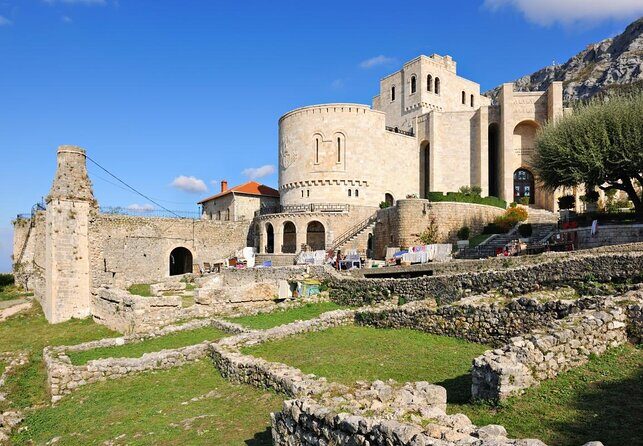
Kruja is the kind of place that makes history feel physical. You’re not just reading dates—you’re climbing into the setting where the story unfolded. The tour starts with a drive from Tirana to Krujë (about 1 hour 30 minutes), then you head straight into the Castle of Kruja and the Museum of Skenderbeg.
Inside the castle area, you focus on the 15th-century resistance led by Skenderbeg against the Ottoman Empire. The way this is presented matters: you walk through castle lanes and structures like the old road and the older houses within the complex. It’s the difference between seeing ruins on a map and actually moving through the space where people lived, defended, and gathered.
Plan for photos. The castle viewpoints let you frame the mountains and the town below, so your camera time feels natural, not forced.
One practical note: the itinerary says a ticket is included for the Kruja stop segment, but one review specifically mentioned a small extra cost for entering the castle museum portion (around 5€). To avoid surprises, I’d check what the museum entry covers when you book, especially if you’re trying to budget tightly.
You can also read our reviews of more tours and experiences in Tirana.

Kruja’s Old Bazaar: a 400-year stroll that’s better than a souvenir run
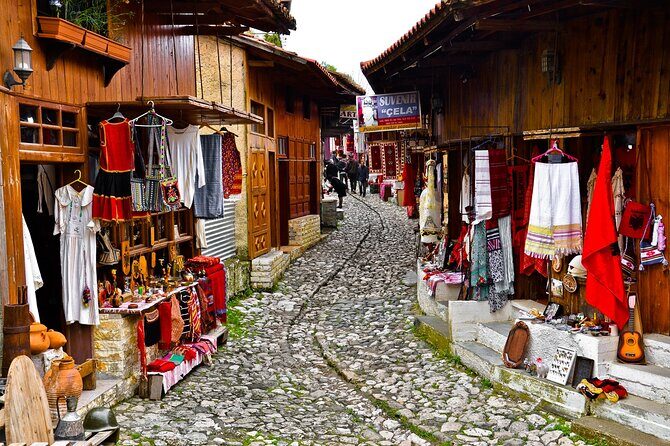
After the castle, you shift from defense to daily life: the Old Bazaar of Kruja. This is described as one of Albania’s oldest bazaars, with the marketplace tradition going back over 400 years. You’ll walk through Ottoman-style lanes that stretch along the old market footprint.
I like bazaar time on tours because it breaks up the big-history brain. It also gives you something simple to do with your hands: browse, ask questions, and look for small goods you can actually use back home. Even if you don’t buy much, it helps you get your bearings for the rest of the day.
The schedule gives you about 2 hours here, with admission noted as included for that segment. That’s a decent chunk of time to wander slowly, stop for a drink, and avoid the classic rushed-market feeling.
If you’re sensitive to crowds, go in ready to move at your own pace. The castle and bazaar pair well: one gives perspective, the other gives texture.
Sari Salltik on Mount Krujë: a spiritual stop with Adriatic panoramas
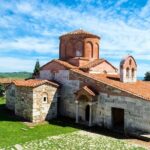
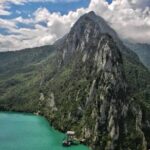
Not every Albanian history day trip includes a shrine stop, so this is one of the more memorable parts of the route. Sari Salltik Krujë is a historic Bektashi shrine dedicated to Sari Saltik, a 13th-century dervish and folk saint revered in parts of the Balkans.
The tone here is different from the castle. The site is described as a Holy place associated with turning bad luck to good for those who believe. Even if you’re not coming for religious meaning, it still lands because it’s a living spiritual stop rather than a staged viewpoint.
You also get panoramas. The location on Mount Krujë gives you wide views, including over the Adriatic coast. The scheduled time is about 45 minutes, which is just enough to take in the spiritual setting, look around respectfully, and enjoy the views without feeling like you’re stuck too long.
Wear something comfortable for this part. You’ll likely be walking around on uneven ground typical of mountain-side sites.
Durrës Amphitheater and the Roman-to-Venetian city layers
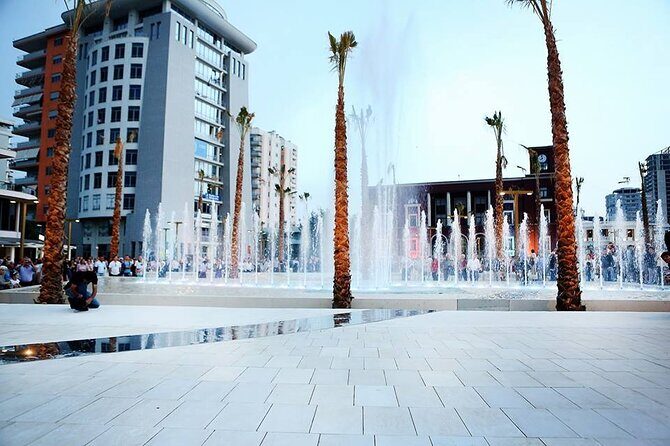
Once you leave the mountains, the air feels different. Durrës is a historic seaside city, and the tour doesn’t treat it like a single stop. It treats it like a timeline you can walk through.
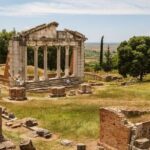
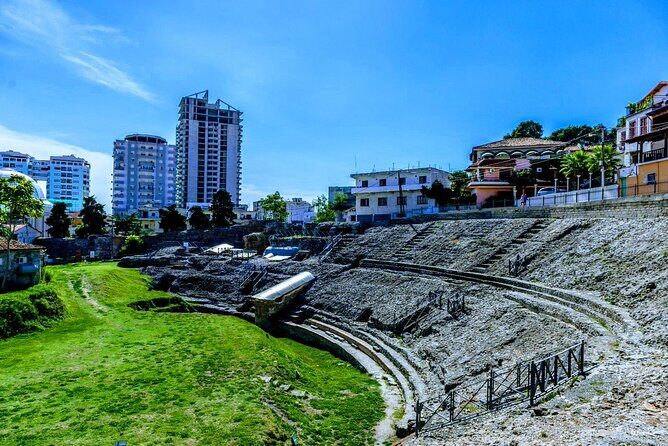
First up: the Durrës Amphitheater, a Roman structure from the early 2nd century. It’s noted as one of the largest amphitheaters in the Balkans, once hosting around 20,000 spectators for gladiator battles and performances. Standing around that space, you can imagine the scale even if you don’t have a stadium in your background.
Then you move to the Old Byzantine Market, described as remnants of the ancient commercial center. It’s not a single polished attraction—it’s more like “here’s what’s left,” which can be more interesting if you like archaeology and everyday trade history.
Next comes the Venetian Tower, a 15th-century structure tied to Durrës’ strategic importance. The story you get is a blend of Venetian and Ottoman influences, which is exactly why Durrës works for a short trip: it shows how empires overlapped here.
Admission is listed as free for these Durrës landmarks in the itinerary, which helps value. Just note that the payoff depends on how much you like city history. If you want pure beach time, this is still worth it, but it’s not a beach-only day.
Byzantine Forum (Macellum) and the Italian-style street near King Zog
This is where the day earns its variety. You visit the Byzantine Forum (Macellum), an archaeological site located in central Durrës, dated to the 6th century during Emperor Anastasios I (481–518). The forum is described as once an important public and religious center, with architectural remains including circular colonnades.
Walking through the forum ruins can be one of the most satisfying parts of the tour if you like “slow looking.” Even when ruins are incomplete, the shape of the space tells you what kind of city it was.
After that, you continue with a walk along an Italian-style street. These buildings date to the early 20th century during the reign of King Zog, reflecting Italian influence.
I like this pairing because it creates a mental jump from the Byzantine world to later 20th-century connections without you needing to do extra research. Your guide can usually connect the dots with real-world explanations—especially if you’re lucky enough to get one of the guides praised in reviews for strong storytelling (names like Adi, Adnan, Ali, Besnik, and Skerdi come up a lot).
Admission is listed as free for the forum and street segment.
Durrës Castle and the Venetian Tower: quick climb, strong photo moment
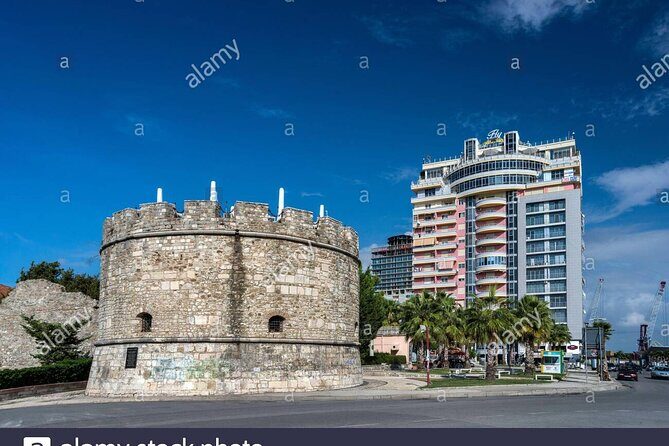
The route circles back to a fortress theme with the Durrës Castle, described as a 5th-century citadel built by Byzantine Emperor Anastasius I. It functioned as a strategic defense point, and today you’ll see parts of the old walls.
Inside is the Venetian Tower, a 15th-century addition built by the Venetians, with influences described as blending Venetian and Ottoman styles.
The scheduled time here is about 30 minutes, so I treat it like a “hit the high points” moment: look at the walls, take the photos, and get your panoramic view.
If you like photography, this is often where you’ll appreciate the tower viewpoint the most because it frames both city and coastline.
Admission is listed as free here, which makes it a clean win for value.
Promenade Park (Shetitorja Vollga): sea air and optional seafood lunch
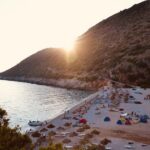
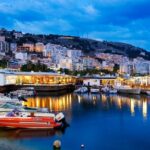
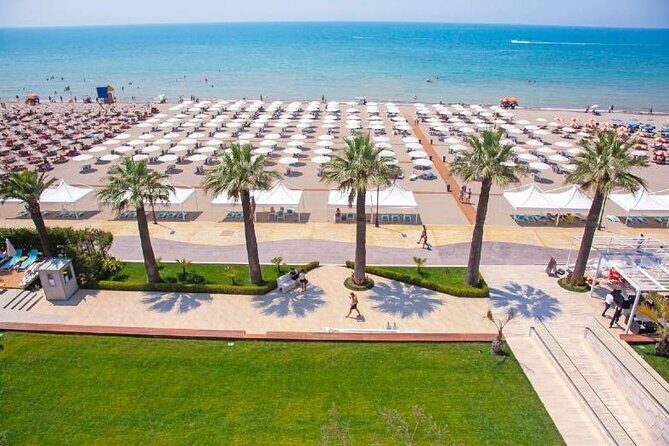
After the ruins and towers, you finally get to breathe. The day includes a walk along Promenade Park (Shetitorja Vollga), a coastal boulevard by the Adriatic Sea lined with palm trees, cafés, and restaurants.
The tour gives about 1 hour for this stretch, with the idea that you can slow down, take a seat, grab coffee, or just enjoy the sea views. The itinerary even mentions an opportunity to take a swim if you want.
If you’re hungry, this is also where the lunch option shows up. There’s an optional seafood lunch at one of the best seafront restaurants in Durrës. One review talked about a seafood/Italian place directly on the coast, which sounds like exactly what you want after a day of walking.
One small caution from a less-perfect review: a guest said they didn’t have much time for food or drink due to feeling rushed. So if you care about lunch timing, I’d plan to eat during the promenade window and bring a small snack earlier in the day just in case.
Transit and timing: why the road time can be the make-or-break factor
This is a long day. The total duration is listed as 8 to 9 hours, and you cover two very different environments in that time: mountain Kruja and coastal Durrës. The drive to Kruja alone is stated as 1 hour 30 minutes, so you’re already committing to real transit time.
That transit is part of the value. You’re getting big-name sites in one day without needing to arrange separate transport between towns. But it also explains a common complaint: one person said the pace felt rushed because the guide had to move on to another pickup in Tirana, leaving only about 20 minutes free time in some places.
My advice is simple: don’t schedule any other plans for the same day. Wear comfortable walking shoes. Bring water. And if you’re the type who hates feeling rushed, consider setting your expectations that this is a “see the highlights” tour, not a “linger for hours” tour.
Also, check how the vehicle handles group size. The tour is capped at 15 travelers, which is reasonable. Still, one review mentioned a tight fit when a family group size didn’t match vehicle capacity (the vehicle held 5 including driver). If you’re traveling with multiple adults in one party, I’d confirm seating comfort when you book.
Guides make the difference: Adi, Adnan, Ali, Besnik, and Skerdi
The strongest pattern in the reviews is about the people. Guides are consistently praised for being professional, friendly, and safe drivers. Names that come up include Adi, Adnan, Ali, Besnik, and Skerdi—and the best part is that many guests specifically mention the guide’s English and how entertaining the storytelling is.
I like when a guide does more than read captions. In this case, reviews mention learning lots of local history and even getting practical advice about Tirana restaurants and future tours. One review also noted the guide brought coffee and water during the day, which is a small touch that makes a long schedule feel less exhausting.
Another review mentioned the guide was helpful in rainy weather and still kept the day moving. So if your trip overlaps bad weather, you’re not stuck canceling the whole plan.
If you can, come with two questions you genuinely care about—like how Albania’s Ottoman and Italian influences show up in everyday life. A good guide will take that and connect it directly to what you’re seeing.
Price and value from Tirana at $84.10 per person
At $84.10 per person, you’re paying for a full-day package: hotel pickup, an air-conditioned vehicle, a guide, and a tight route through Kruja and Durrës. You’re also using a mobile ticket, which typically means less paper and less hassle.
Value is best when you compare the cost of doing this yourself: you’d need transport, entrance coordination, and a guide to interpret the sites quickly. This tour compresses all of that into one day.
What’s included matters. The itinerary lists several stops with free admission (including Durrës amphitheater, Byzantine Forum area, Venetian Tower segment, Promenade Park, and Sari Salltik). For Kruja, the schedule indicates admission ticket included for the bazaar segment, while one guest mentioned an extra fee for the castle museum entry.
So think of it like this: most of the day is structured so you’re not paying repeatedly at every stop, and you’re spending your money on time and interpretation.
If you’re only in Albania briefly, this is a strong way to get from the capital to mountain history and seaside ruins without losing half your trip to logistics.
Who should book this day trip, and who should think twice
This tour fits best if you:
- Want a first taste of Albania beyond Tirana in one day
- Like mixing history and city walking with sea views
- Enjoy having a guide connect big historical events to real places
I’d think twice if you:
- Want a slow, museum-deep day with lots of free roaming time
- Hate long drives in a single day (the schedule is built around travel time)
- Need extra comfort for groups, since one review flagged cramped seating in at least one situation
For most people, though, it’s a fun format: Kruja gives altitude and legend, Durrës gives architecture and ruins, then you end with the Adriatic.
Should you book this tour from Tirana?
If you want the most Albania-per-hour, I’d book it. The route makes sense: Kruja first for Skenderbeg and mountain views, then Durrës for Roman, Byzantine, and Venetian leftovers, then the promenade where your legs finally get a break.
The big question is pace. If you’re the type who needs long quiet time in museums, you may feel the schedule moving fast. But if you’re okay with a highlights-focused day and you enjoy a guide who tells stories (and helps you see what matters), this tour is a solid value.
If you do book, pack for comfort, bring water, and do one small thing that pays off big: ask your guide to point out the best photo angle at each stop before you start walking. It saves time and helps you enjoy the view without rushing.
FAQ
How long is the tour?
The tour runs about 8 to 9 hours.
What is the price per person?
The price is $84.10 per person.
Do you get hotel pickup from Tirana?
Yes. Hotel pickup is offered, and you meet the guide at the appointed time at your hotel.
How many people are in the group?
The tour has a maximum of 15 travelers.
Is the tour mostly walking?
You’ll do a mix of driving and walking. Key stops include the castle complex in Kruja and multiple ruins and viewpoints in Durrës, plus a promenade walk.
Are entrance tickets included?
In the itinerary, several sites in Durrës (amphitheater, Byzantine market/Forum area, towers, and Promenade Park) are listed as free admission. For Kruja, the bazaar stop notes an admission ticket included. One review also mentioned a small extra fee for the castle museum entry, so it’s worth confirming at booking what’s covered.
What language are the guides comfortable with?
Reviews mention guides’ English being good, and that they explain history in an engaging way.
Can I cancel for a full refund?
Yes. You can cancel up to 24 hours in advance for a full refund. Cancellation is based on the local experience start time.
If you want, tell me your travel dates and whether you care more about museums or sea time. I can suggest how to pace your day around the stops.