REVIEW · TIRANA
Scuba Diving in MIG-21 wreck
Book on Viator →Operated by Albania Adventure · Bookable on Viator
A fighter jet wreck waits under clear Ionian water.
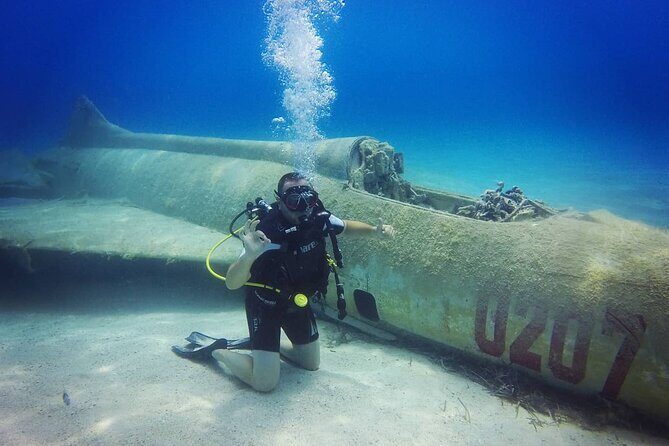
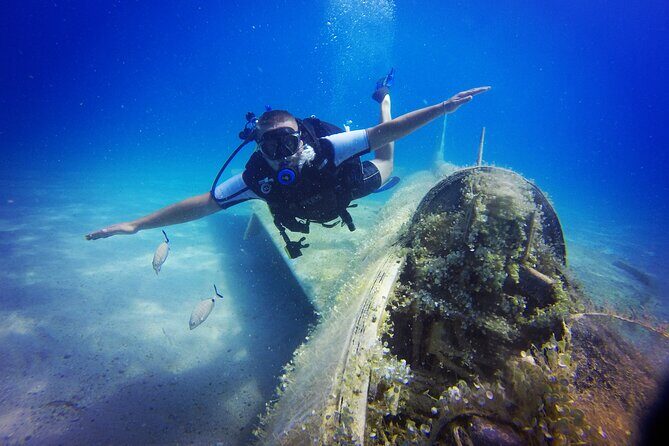
This MIG-21 wreck off Drymades Beach sits about 80 meters from shore at roughly 9 meters down, making it one of the easier wreck experiences on the coast. You’ll also be in an area known for serious visibility, so the whole point is to see real aircraft structure up close while taking in the marine life around it.
Two things I really like about this experience: the gear and safety talk are included, and the wreck setup is perfect for underwater photography when conditions are right. One thing to consider: it’s seasonal and weather-dependent, so you’ll want to match your trip plans to the April–October window and be flexible if the sea is rough.
In This Review
- MIG-21 Wreck at Drymades: The Reason This Spot Gets Chosen
- Price and What You Actually Get for $84.21
- Meeting Point to Gear-Up: How the Timing Really Works
- Your 30 Minutes of Instruction: Safety First, But Not Rigid
- At the Wreck: What You’ll See at 9 Meters
- Underwater Photography: Why Visibility Changes Everything
- Waves, Water Quality, and the Real-World Weather Check
- Kids at Drymades: Age 10 and Up, With Adult Support
- Who Should Book This (and Who Might Wait)
- Should You Book the MIG-21 Scuba Session?
- FAQ
- How long is the MIG-21 wreck scuba session?
- What’s included in the price?
- Do I get transportation to the site?
- Do I need prior scuba experience?
- Can kids join the activity?
- When does the activity run?
- What happens if weather is bad?
MIG-21 Wreck at Drymades: The Reason This Spot Gets Chosen
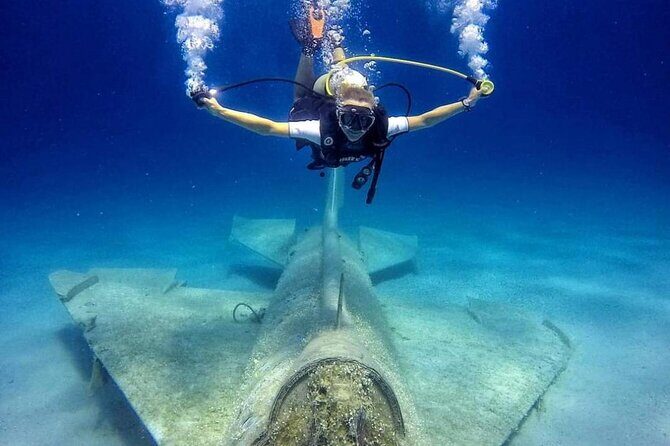
Drymades Beach (near Dhërmi) is the kind of place where “wreck” doesn’t mean hours of boat time and a complicated plan. Here, the underwater target is close to land, and the depth is shallow enough that the experience stays approachable for the right people.
The headline is the fighter jet wreck from the communist era, resting in the water at about 9 meters depth. That depth matters because it shapes the whole vibe: you’re not spending the day working hard just to reach the subject. Instead, you’re close enough to enjoy the plane’s presence and surrounding sea life without turning the outing into a technical endurance event.
This is also a strong location for underwater photography. Clear water is a major theme here, with visibility that can reach around 50 meters at times. When you get that kind of clarity, wreck textures (metal lines, edges, openings) become easier to frame, and wildlife tends to look more defined too.
Price and What You Actually Get for $84.21
At about $84.21 per person for a roughly 1-hour outing, this isn’t the cheapest scuba-related activity in Albania. But it’s also not trying to be a budget “equipment rental only” situation.
For the money, the key value is what comes bundled:
- SCUBA equipment is included
- a safety talk is included
- the activity runs on a private basis, so you aren’t sharing your time underwater with strangers
That last part is underrated. A private setup usually means you’ll move at a pace that fits your group, get clearer instruction, and spend less time waiting your turn. If you’re a photographer, being able to take a breath and reset your position without juggling multiple people in the water is a practical advantage.
Transportation isn’t included, so you’ll want to handle getting to the meeting point yourself. If you’re already in the Dhërmi area, that keeps costs reasonable. If you’re farther away, build in local taxi or transfer time so the total day doesn’t feel pinched.
You can also read our reviews of more tours and experiences in Tirana.

Meeting Point to Gear-Up: How the Timing Really Works
The meeting point is Rruga Perivolo 9422, Dhërmi, Albania, and the activity ends back at the same place. It’s also scheduled daily from 9:00 AM to 6:00 PM during the operating window.
Timing is straightforward: about 1 hour total, split into:
- 30 minutes for instruction and prep
- about 30 minutes underwater
That 30 minutes underwater is the part that can feel short, especially if you’re hoping for a long, slow wander. But the trade-off is a calmer start. With half the time dedicated to getting set up and learning how your session will run, you’ll likely feel less rushed once you reach the wreck.
This structure is especially helpful if you’re working with limited comfort in water depth and buoyancy control. You’re not forced to “figure it out” while you’re already near the plane.
Your 30 Minutes of Instruction: Safety First, But Not Rigid
The activity is aimed at people with prior scuba experience. If you already know the basics, the instruction time tends to function like a focused briefing: what to expect, how to behave around the wreck, and how the team wants you to move.
Because the safety talk is included, you shouldn’t be left scrambling for guidance once you arrive. And because it’s private, the instructor can spend time on your questions rather than offering generic answers to a larger group.
If you’re comfortable in scuba already, your goal during instruction should be to get your own plan straight:
- how you’ll manage your buoyancy near the wreck surfaces
- how you’ll position yourself if you want photos
- what areas to approach carefully (wrecks always come with sharp edges and tight angles)
This is also where you can set expectations about your underwater photography goals. If you care about getting clean shots, ask early how the instructor prefers you to move and how close you’ll be allowed to get to specific aircraft areas.
At the Wreck: What You’ll See at 9 Meters
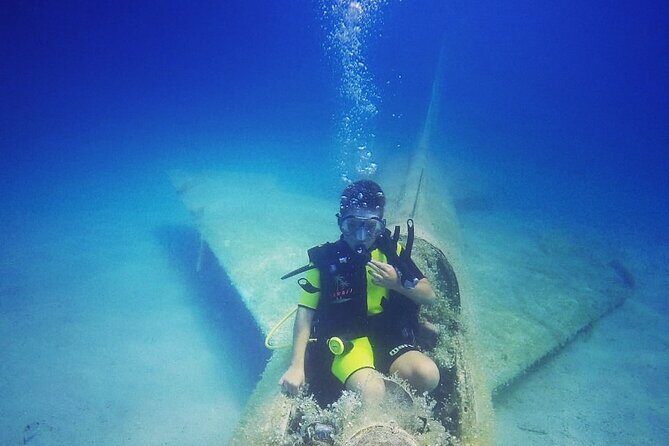
Going down to about 9 meters is shallow enough that you’ll likely feel connected to the surrounding water, not sealed away from the coastline. The wreck itself becomes the anchor of the whole experience—because it’s close to shore, you’re not waiting on a long route just to arrive.
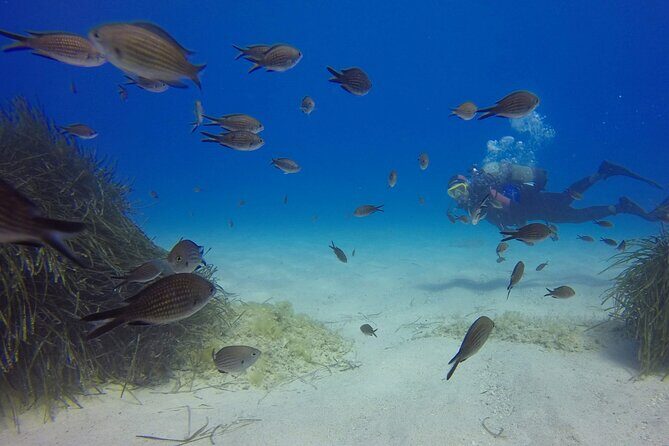
You should expect the aircraft structure to be surrounded by marine life. The area is described as pristine, and the wreck attracts wildlife in a way that feels natural rather than forced.
Depending on the season, the kind of sea life you might spot includes:
- sea bass and grouper
- moray eel
- lobster and crawfish
- sea snail and other small reef species
One practical note: wrecks are habitat. That’s great for variety, but it also means you should move carefully. Even when the water is clear and the subject looks “photo-friendly,” wreck metal and the life growing on it both reward gentle movement.
If you’re hoping for cockpit views or tight-angle shots, be prepared for the fact that aircraft interiors can be awkward spaces from below. You may find places where there’s limited room for comfortable positioning. Keep your body control steady so you don’t bump equipment or stir up sand.
Underwater Photography: Why Visibility Changes Everything
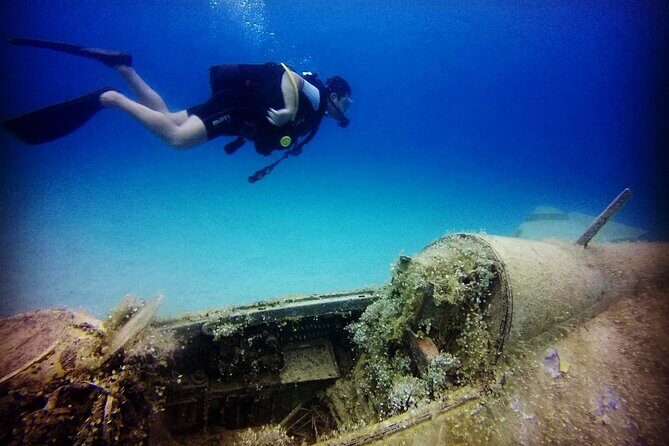
Drymades is known for clear water and excellent visibility, and that’s the difference-maker for wreck photography. When visibility is high (sometimes up to about 50 meters), you can capture the wreck with cleaner edges and better depth in the background.
Here’s what I’d do if you’re planning photos:
- Aim for calm buoyancy first. A steady position creates sharper images and makes it easier to hold a frame without chasing the subject.
- Use the wreck structure as your “leading line.” Instead of trying to shoot one single iconic view, work with the plane’s shapes and angles.
- Let wildlife dictate your second shot. If you get a good view of fish around the wreck, that often makes more interesting photos than just the metal alone.
This experience is specifically positioned for underwater photography, and the underwater time is long enough to do more than one pass. With private time, you can also take a breath, adjust, and try again after you’ve seen how the light and current feel at your level.
If you’re lucky and an instructor like Paola is working your session, you might get extra help with photo moments. One instructor was praised for being service-minded and for taking photos, which can be a real boost if you don’t want to be the only one behind the camera.



Waves, Water Quality, and the Real-World Weather Check
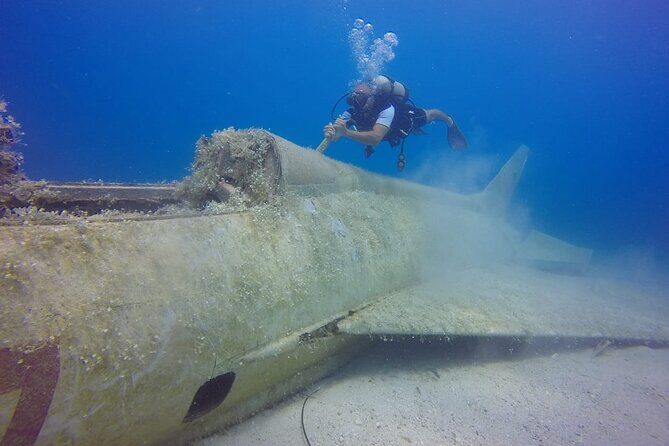
Scuba conditions are never only about the calendar. This activity requires good weather. If conditions aren’t safe, you’ll be offered a different date or a full refund.
That’s the big rule, and it’s fair. Clear water and calm conditions make a wreck experience both safer and more enjoyable.
One more reality check: after rainfall, water conditions can change. If the forecast includes heavy rain, ask the team how the water looks for that day. The goal is simple: you don’t want to drive over hoping for high visibility if the water quality has been affected.
Also, sea conditions can affect comfort near shore. Because the wreck is close to land, you may be entering and exiting with little distance between you and stability points. If you’re prone to motion sickness or you dislike choppy surfaces, tell the staff during instruction so they can guide you on how to handle it.
Kids at Drymades: Age 10 and Up, With Adult Support
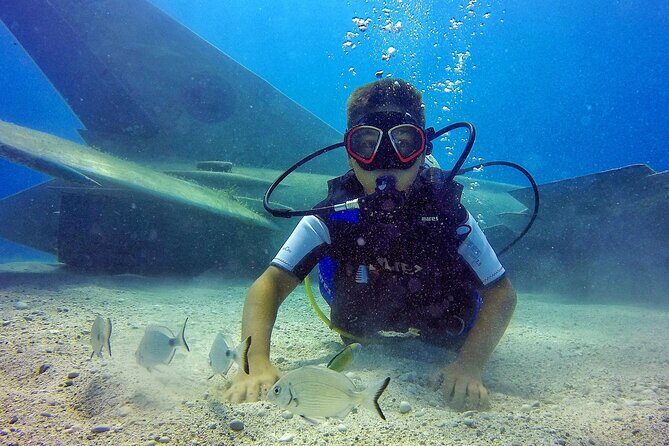
This activity is available for kids starting at age ten, with the requirement that children must be accompanied by an adult. That’s a big deal for family planning because it means you can’t treat it like a drop-off outing.
What to consider: the underwater time is short, and the session is geared toward people with prior scuba experience. For kids, that usually means the operator needs to be confident about safety and comfort. If you’re planning this for a child, it’s worth aligning expectations early: this is about learning and controlled time around a real wreck, not a long, free-roaming underwater adventure.
Who Should Book This (and Who Might Wait)
This works best for:
- people with prior scuba experience who want a simple wreck target at manageable depth
- anyone who cares about underwater photography and wants excellent visibility potential
- couples or small groups who prefer private attention rather than sharing an instructor with others
You might want to wait or choose a different format if:
- you’re brand new to scuba and aren’t comfortable with the instruction-to-water transition
- you want an all-day underwater plan (your time underwater is about 30 minutes)
- you can’t handle a weather-related date adjustment during April–October season
If your goal is a “wreck that feels reachable,” Drymades and the MIG-21 location deliver that in a practical way.
Should You Book the MIG-21 Scuba Session?
Yes, if you fit the target profile: prior scuba experience, interest in a wreck close to shore, and a focus on photos in clear water. The biggest value drivers are the included equipment and safety talk, plus the private format that keeps your time efficient and your instruction specific.
Skip it or re-think if you need a long underwater outing, aren’t comfortable with basic scuba readiness, or you’re traveling outside the April–October seasonal window. And if your trip overlaps with rainy weather, check water conditions the day of the session rather than assuming visibility will match the best-case numbers.
In short: this is a well-paced wreck experience built for people who want the excitement of a fighter plane underwater without turning the day into a complicated logistics puzzle.
FAQ
How long is the MIG-21 wreck scuba session?
It lasts about 1 hour total, with around 30 minutes for instruction and around 30 minutes underwater.
What’s included in the price?
SCUBA equipment and the safety talk are included.
Do I get transportation to the site?
No. Transportation to and from the activity is not included.
Do I need prior scuba experience?
Yes, the experience is suitable for people with prior scuba experience.
Can kids join the activity?
Yes, kids can participate starting at age ten, and they must be accompanied by an adult.
When does the activity run?
It’s seasonal, starting at the beginning of April and ending at the beginning of October.
What happens if weather is bad?
The activity requires good weather. If it’s canceled due to poor weather, you’ll be offered a different date or a full refund. The experience is non-refundable and cannot be changed for any reason.