REVIEW · TIRANA
Albania: Mini UNESCO Food Tour – 4 Days
Book on Viator →Operated by Good Albania · Bookable on Viator
Old cities and good meals.
This 4-day Albania mini tour works because it layers UNESCO sites with real home-style eating, not just quick photo stops. I especially like how the day plan chains together historic towns like Berat and Gjirokastër with hands-on food moments (including cooking and dining with locals), so you get culture with flavor. The second thing I like is the small-group pace, capped at 8 people, which keeps the questions flowing and makes the countryside stops feel human. One drawback to consider: the driving is part of the experience, so you’ll want comfortable shoes and a flexible attitude for long scenic transfers.
What you’re really buying is value and rhythm. You get pickup (in Tirana), a private deluxe motor coach, expert guidance, and 3 hotel nights, plus multiple lunches and breakfasts. You also get a guided approach to sites that can otherwise feel overwhelming—especially Butrint and the castles—so you know what you’re looking at instead of guessing. If you’re the type who hates group schedules, you might feel boxed in on this kind of tight 4-day route.
In This Review
- Key highlights worth the time
- Tirana to the south: what this tour does well
- Day 1 in Durrës and Berat: ruins, a castle coffee, and olive hills
- Day 2 in Gjirokastër: stone streets, the Ottoman bazaar, and Skenduli House
- Day 3: Blue Eye, Butrint, Ksamil, and Lekursi Castle viewpoints
- Day 4: Ali Pasha Castle to Vlore’s Independence Monument
- Food, UNESCO, and why the pace feels fair
- Price and value: is $1,352.74 worth it?
- Who this tour is best for (and who should think twice)
- Practical tips before you go
- Should you book this mini UNESCO food tour?
- FAQ
- How long is the Albania Mini UNESCO Food Tour?
- What’s included in the price?
- Is pickup offered?
- What’s the group size limit?
- Is there a single supplement for solo travelers?
- What’s the cancellation timeline for a full refund?
Key highlights worth the time
- UNESCO packing list that makes sense: Berat, Gjirokastër, and Butrint (with guided context)
- A tiny group (max 8): easier conversations and quicker adjustments
- Food-forward days: cooking and dining with locals, plus set meals in small restaurants
- Classic scenery stops: the Blue Eye, Ksamil beach, and castle viewpoints
- Guides with local storytelling: names that keep showing up include Florian, Erand, and Mimi
Tirana to the south: what this tour does well
If you’re curious about Albania but don’t know where to start, this tour gives you a clean path. You begin in Tirana, then work your way from the coast into inland UNESCO towns, and finally finish with the Ionian coast and Vlore. That route matters because it keeps you from zigzagging country roads for no reason.
You’ll travel in a private deluxe motor coach with an expert tour director and local guides. That’s not a luxury flex for its own sake. It means you get smoother transitions between towns, and you’re more likely to arrive at sites when the light and crowds are manageable.
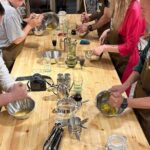
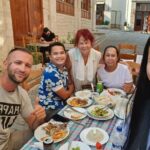
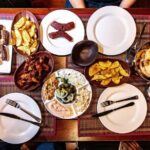
The other reason this works is the food focus. Albania’s cuisine is not just background noise here. The experience is built around eating well—local restaurants with proper regional dishes, plus a countryside moment where you cook and share food and drink with local older women. It turns “sightseeing” into a day with pauses that feel natural instead of rushed.
You can also read our reviews of more food & drink experiences in Tirana

Day 1 in Durrës and Berat: ruins, a castle coffee, and olive hills
Day 1 starts in Durrës, a coastal city with layers that show how many empires have traded influence along this shore. The guided stop centers on the city’s walls and major archaeological anchors, including the Byzantine Forum, Roman Thermal Baths, the Venetian Tower, and the amphitheater. There’s also time for street art around the ruins. That mix is smart: it stops the day from feeling like only stone and silence.
You’ll also learn to read the place quickly. In ruins like these, it’s easy to wander without knowing what matters. A good guide helps you connect structures to the bigger story—what each building signals about the era when it was used.
After Durrës, the route moves inland through hills full of olive trees. That drive is more than scenery filler. It’s a palate and mood shift: you go from the sea edge to the agricultural heart of the country.
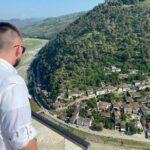
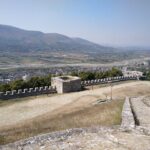
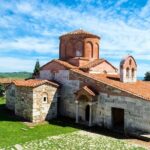
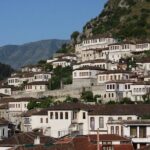
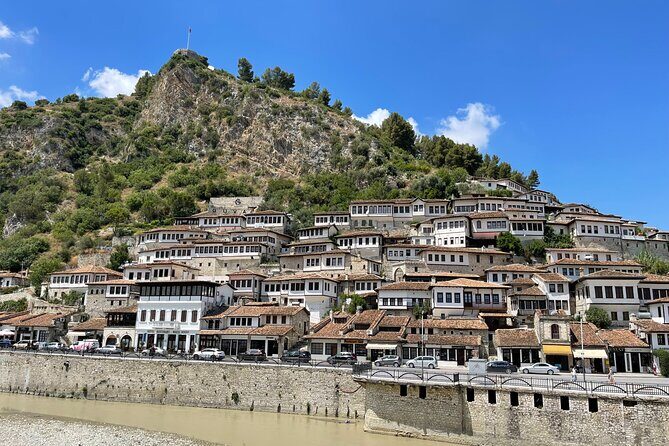
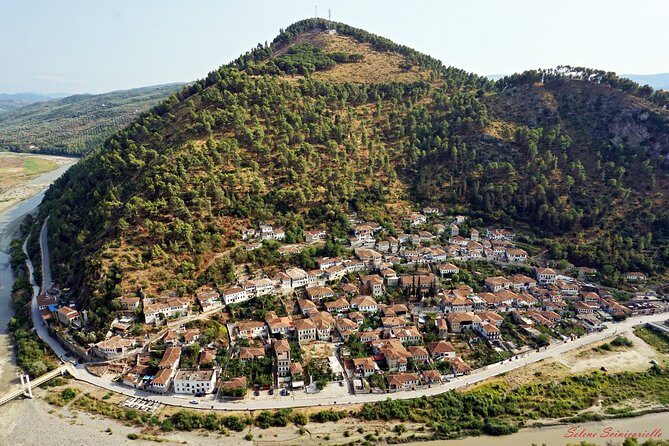
Then comes Berat, the city famous for its “thousand windows.” You tour the castle/citadel first, with key stops like the Red Mosque (known for its solitary minaret), plus Byzantine churches such as the Holy Trinity Church and St. George Church. You don’t just look; you get guided context that makes the architecture easier to understand.
One of the most memorable moments on this day is the coffee and raki break inside a local home within the castle area, along with a dessert. This is the kind of stop that changes the feel of a trip. Instead of treating heritage as scenery, you experience it as lived space—old walls, everyday hospitality, and a relaxed rhythm.
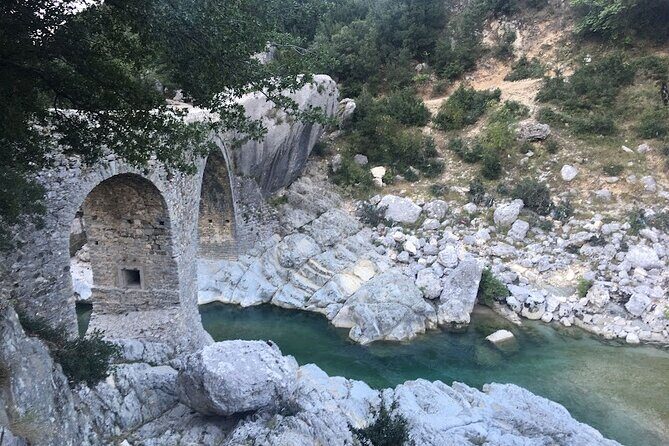
From there, you continue through the Medieval Center with stops like the King Mosque, the Halveti Tekke, and the arched bridge of Gorica (built in 1780). The day ends with free wandering in the two main districts, Mangalem and Gorica, where you can slow down and enjoy the views.
Practical takeaway: Berat is a “walk-and-look” town. Wear shoes you’re comfortable with on uneven castle surfaces.
Day 2 in Gjirokastër: stone streets, the Ottoman bazaar, and Skenduli House
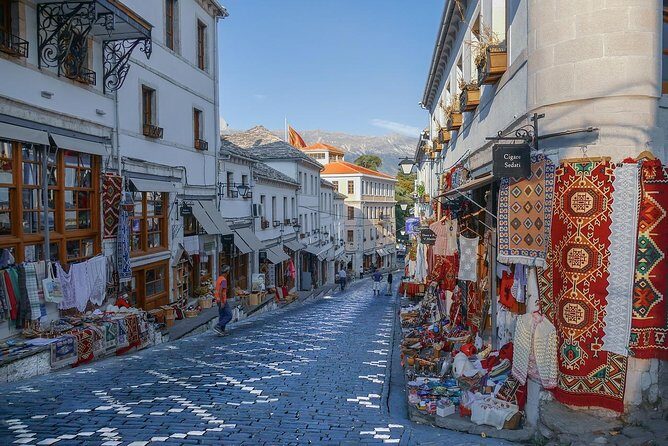
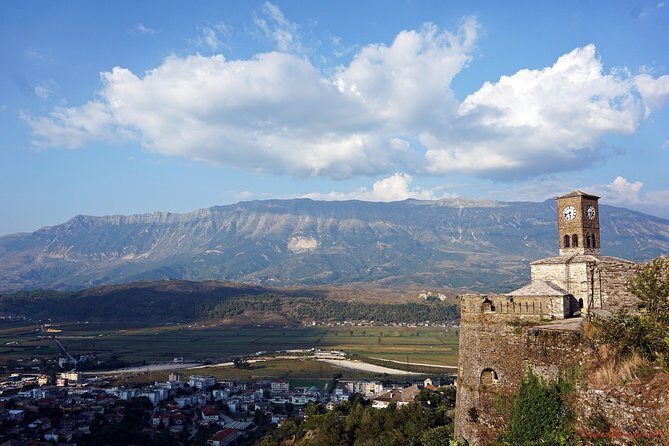
Gjirokastër is often described as a city of steps, and you can feel that instantly. The town rises like an amphitheater, and the viewpoints make sense once you’re up there. The day’s guided flow starts with the castle area, where you get rich views over the city of stone.
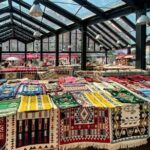
From the top, the city plan becomes legible. Then you head past the Ottoman Bazaar and historic wooden houses, which help you understand why Gjirokastër’s architecture is so distinctive. You’re not just seeing buildings—you’re seeing how daily life used different spaces.
A special stop on this day is the Gjirokastra Obelisk dedicated to the first school of Gjirokastra. It’s also a viewpoint moment, including a 360º view that’s worth doing even if you’re not a “lookout person.” The reason: it gives you a geographic mental map you can carry into the rest of the trip.
Lunch is handled in a small local restaurant for authentic dishes. The value here is simple: you don’t have to hunt down what’s good, and you don’t lose half the afternoon trying to figure out where to eat.
The highlight for architecture lovers is Skenduli House, described as a standout Ottoman tower house. You also get a story delivered by the Skenduli family line—specifically from the 10th generation—so it’s not a generic museum spiel. It’s family memory and design details in one package.
In the evening, you get time to wander the streets of Gjirokastër at your own pace. That’s often where a place clicks. You start noticing the courtyards, the street angles, and the way homes step up the slopes.
Potential consideration: Gjirokastër is uphill and step-heavy. If you have mobility limits, plan your energy and take breaks when you need them.
Day 3: Blue Eye, Butrint, Ksamil, and Lekursi Castle viewpoints
Day 3 is the day where nature does the talking, then history returns with a force.
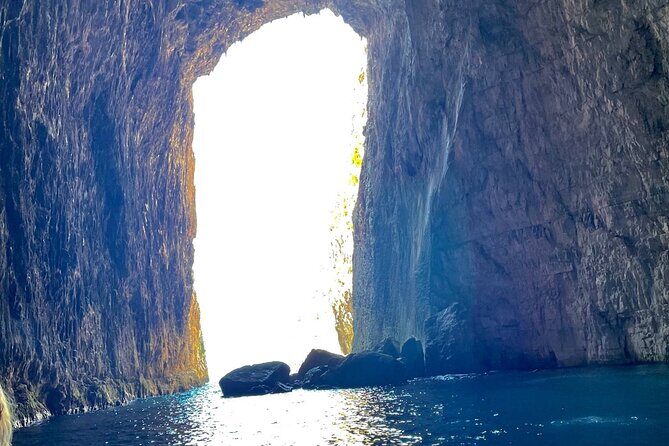
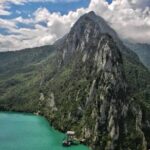
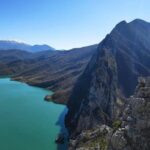
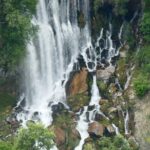
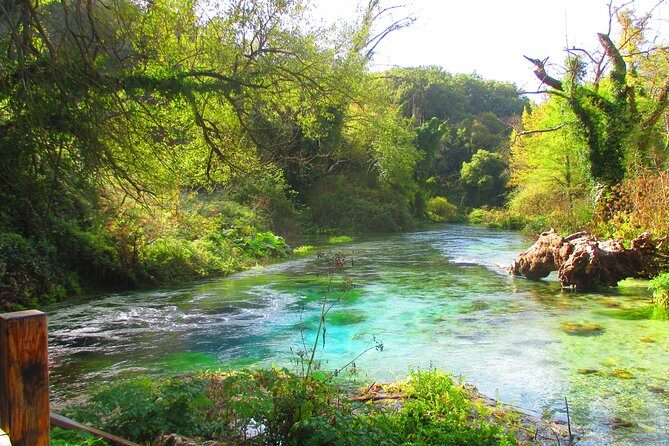
First stop: the Blue Eye. This spring is known for its striking blue shades and surrounding nature. You’ll have a short stop—about 30 minutes—so treat it like a photo-and-stroll moment. The real win is the contrast: after stone towns, you get fresh air and a strong visual focus.
Next is Butrint National Park, one of Albania’s biggest UNESCO-linked draws. The guided tour with a local guide covers major features like the amphitheater, the castle, churches, and the Lion Gate, framed around centuries of human settlement—often summarized as 2,500 years embedded in the site. That phrasing might sound broad, but on the ground it helps you connect the physical remains to the idea of continuous use.
Butrint works best when you’re not just walking randomly. The guide approach keeps you oriented: where you are, why certain areas exist, and what to look for as you move between structures.
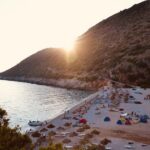
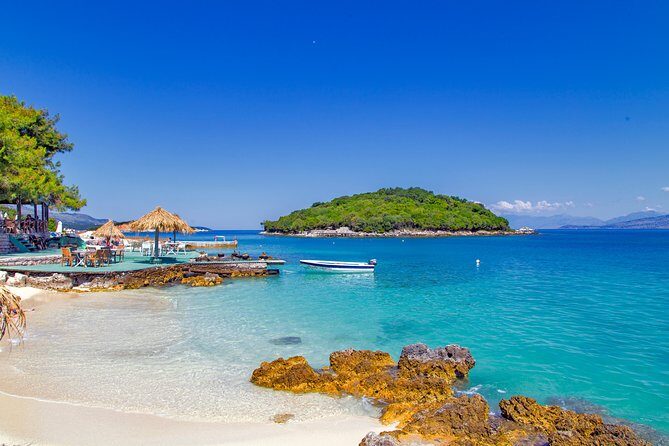
After history, you swing back toward comfort with Ksamil Beach. You’ll have lunch at The Mussel House, then free afternoon time to enjoy Ksamil. This is your decompression window. Even if you’re not a beach devotee, the break matters. You’ll appreciate the reset before the final day.
On the way back toward Sarandë, you stop at Lekursi Castle overlooking the city. That viewpoint is a nice “closing image” for the day because it ties coastline views to inland stone and ruins.
Practical tip: Day 3 has variety packed in. Bring a light layer, because mornings can feel cooler near water and afternoons can warm quickly.
Day 4: Ali Pasha Castle to Vlore’s Independence Monument
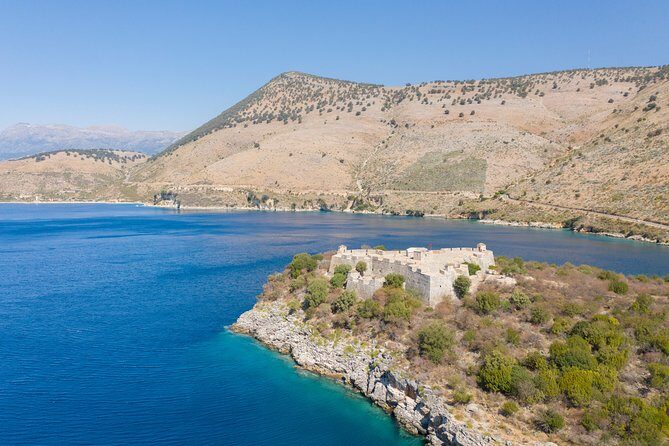
The final day keeps the castle theme going, but in a different flavor—legend-driven and sea-facing.
You visit Ali Pasha Castle en route to Vlore. The guide frames it with entertaining legends about Ali Pashe Tepelena, the man who built it. That storytelling piece is important. It turns the castle from a static object into a character in a larger regional story.
Then lunch happens at a rustic local restaurant along the Shushica river. It’s a good pacing choice: you’re traveling, you need food that doesn’t feel like a chore, and the river-side setting helps the meal feel like part of the trip, not an interruption.
After lunch, you reach Vlore for an afternoon city visit. The walking points include Flag Square and its Independence Monument at the center, plus the Muradie Mosque and the Vlore Lungomare. This is where you see how Albania’s modern identity sits beside historic layers.
The day ends with transfer back to Tirana late afternoon. Hotel accommodation in Tirana is not included, so plan for your final night arrangements on your own.
Practical consideration: The last day often feels like it has the most moving pieces—castle, lunch, then city sights—so don’t schedule anything stressful right after your tour ends.
A few more Tirana tours and experiences worth a look


Food, UNESCO, and why the pace feels fair
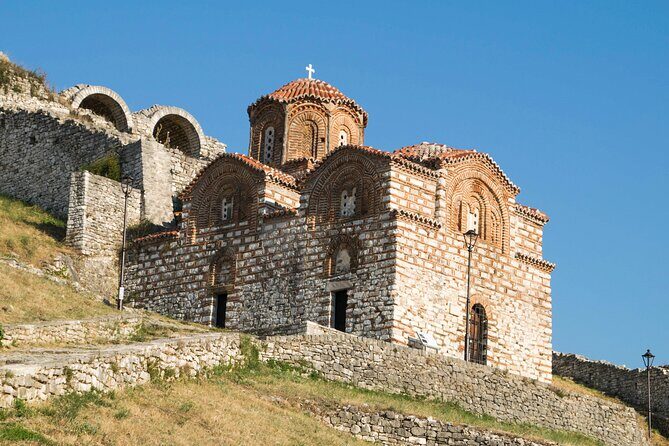
It’s easy to think of “UNESCO tours” as a checklist. This one plays more like a guided sequence that links places to everyday life. Berat and Gjirokastër aren’t just labeled as UNESCO towns; you walk through areas where religion, architecture, and domestic spaces all overlap.
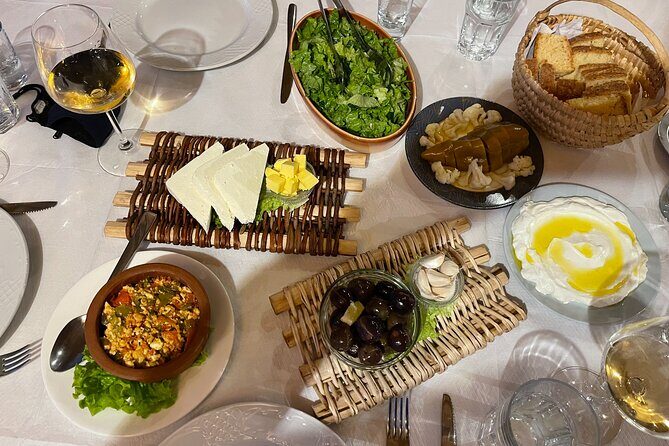
The food angle is what makes it more memorable. The design includes multiple lunches in local spots and breaks that feel like social time—coffee, raki, dessert, and a countryside cooking-and-sharing moment. Even if you’re not a foodie in the obsessive sense, you’ll still feel the difference between eating near culture and eating with culture.
One more value point: this tour includes guided sightseeing tours and select entrance fees. You’re not stuck paying for every ticket, and you’re not stuck waiting while everyone sorts out payments.
Price and value: is $1,352.74 worth it?
At $1,352.74 per person, this is not a budget backpacker trip. But the cost makes more sense when you look at what’s packaged together.
You get:
- 3 nights in handpicked hotels
- A private deluxe motor coach
- Expert tour director plus local guides
- 4 lunches and 3 breakfasts
- Guided sightseeing tours and select entrance fees (listed as x3)
- Pickup offered and a mobile ticket
- A group cap of up to 8 travelers
If you tried to build this yourself—transport between inland towns, a driver for multiple days, guided access for major UNESCO sites, and the coordination of meals—it would likely cost you similar money, especially when you factor in time and stress. The small-group size is part of the value too. It’s easier for guides to adjust pacing when there are fewer people in the group.
There is also a single supplement of €80 if you’re traveling solo. That’s common in multi-night group formats, but it’s good to plan for.
Who this tour is best for (and who should think twice)
This tour fits you well if:
- You want a compact introduction to UNESCO Albania without doing intense independent logistics
- You enjoy structured guidance at major sites like Butrint and castles
- You care about food as part of culture, not just a stop for lunch
You might think twice if:
- You dislike group schedules and fixed visit windows
- You want lots of free time every day (this tour balances sights with meals, but not long open-ended days)
- You have mobility concerns for stepped historic towns like Gjirokastër and castle areas in general
It’s also a great choice for first-time visitors. You’ll cover the key regions—coastal ruins, inland heritage towns, and southern beaches—without needing to decide every detail.
Practical tips before you go
Here are a few things I’d plan for based on the structure of the trip:
- Wear shoes for uneven ground. Castle areas and old town streets aren’t flat.
- Expect varied weather. Coastal mornings and inland days can feel different.
- Bring a light layer for the water-side nature stops and evenings.
- Plan for phone data and battery. You’ll likely use the mobile ticket and maps while you’re wandering in districts.
- Hydrate and pace yourself. Even when stops are short, the walking adds up.
And one small “good to know” from guide experience: names that have shown up leading groups include Florian, Erand, and Mimi. The theme is consistent—guides who prioritize your pace and safety, plus solid food choices.
Should you book this mini UNESCO food tour?
If you want an efficient, guided way to see Albania’s most famous UNESCO-linked corners—while also eating properly and experiencing real hospitality—this is an easy yes. The small group cap, multiple meal moments, and guided context at Berat, Gjirokastër, and Butrint add up to better than “drive-by tourism.”
Book it if you like variety: ruins in Durrës, castle viewpoints, Ottoman houses in Gjirokastër, the Blue Eye, Butrint, a beach afternoon in Ksamil, and a final push through Vlore’s historic and independence landmarks.
Think twice if you’re looking for a slow, self-directed trip with minimal walking and zero schedule pressure. This tour is active, scenic, and structured. That’s the point—and it’s why it works.
FAQ
How long is the Albania Mini UNESCO Food Tour?
It runs for 4 days approximately, starting at 9:00 am.
What’s included in the price?
The price includes 3 nights in handpicked hotels, guided sightseeing tours and select entrance fees (x3), private deluxe motor coach, expert tour director and local guides, 4 lunches, and 3 breakfasts.
Is pickup offered?
Yes, pickup is offered.
What’s the group size limit?
The tour has a maximum of 8 travelers.
Is there a single supplement for solo travelers?
Yes. A single supplement of €80 is listed.
What’s the cancellation timeline for a full refund?
You can cancel up to 6 days in advance for a full refund, and you must cancel at least 6 full days before the experience’s start time.