REVIEW · TIRANA
Private Birding Tour in Albania
Book on Viator →Operated by Albanian Ornithological Society · Bookable on Viator
Wetlands in Albania feel close up. With AOS ornithologists and provided binoculars and spotting scopes, you’ll learn birds by sight, not by guessing.
I love the way this tour treats birding like real fieldwork: you get help identifying species, then you also learn what they’re doing and where they fit in the ecosystem. If you’re lucky, guides like Erald Xeka will get you onto the kind of birds that don’t pop up in western and northern Europe.
One thing to consider is the price: $2,545 per group is a serious spend for a small party, and lunch isn’t included, so you’ll want to plan on bringing food for long days outside.
In This Review
- Key highlights before you go
- Entering The Field From Tirana (Rinas Airport pickup)
- Why the binoculars and spotting scopes change everything
- The AOS approach: bird ID plus ecology, not bird ID only
- A five-day rhythm through Albania’s wetland world
- Day 1: Settling in with field scanning
- Day 2: Lagoons and wetland edges where birds feed
- Day 3: Salt marshes and wider water views
- Day 4: Rivers and salinas-style landscapes (the action day)
- Day 5: Finishing with a different habitat angle
- What birds you might actually see (and why it’s different)
- Private transportation: fewer headaches, better time in the field
- Price and value: what $2,545 per group really means
- Conservation impact: the feel-good part with real-world grounding
- What to pack and how to plan your day
- Who should book this Albania birding trip
- Should you book it?
- FAQ
- Where does the private birding tour in Albania start and end?
- How much does the tour cost and what group size is it for?
- How long is the experience?
- What’s included in the tour?
- What should I bring for meals?
- Is the tour private?
- Does the tour require specific conditions?
- Can service animals participate?
Key highlights before you go
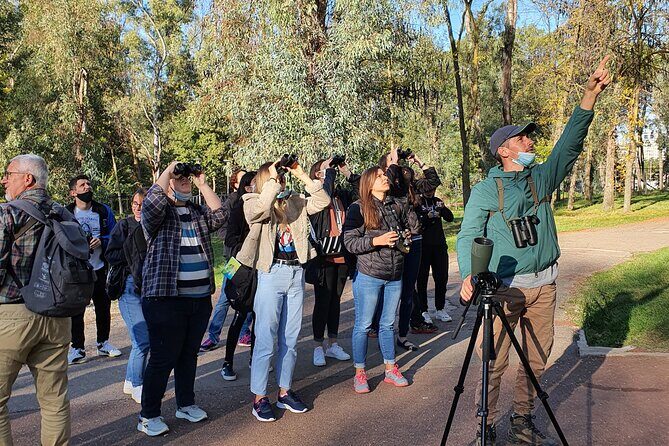
- Guides from the Albanian Ornithological Society (AOS): look for top-notch field skills, including names like Erald Xeka, Taulant, and Julian.
- Optics that actually help: binoculars plus spotting scopes included, so you can read shape, size, and behavior in the field.
- Top birding habitats: lagoon and wetland systems, salt marshes, rivers, and salinas-style landscapes.
- Big-species moments: chances to see things like nesting Dalmatian Pelicans, plus waders, shorebirds, raptors, and passerines.
- Private, up-to-4 group format: you get a focused pace and less waiting around while the group finds the same bird.
- Conservation built into the experience: proceeds go directly to AOS conservation programs in Albania.
Entering The Field From Tirana (Rinas Airport pickup)
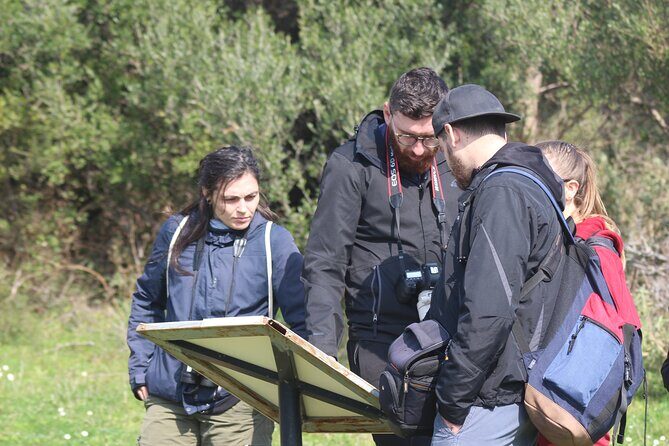
This is the kind of bird tour that starts like a field day, not a bus tour. Your meeting point is Rinas Airport in Tirana, and the experience ends back at the same meeting point, which keeps logistics simple when you’re coming in from abroad. Because it’s a private tour for up to 4 people, you can move at a pace that makes sense for birding—stopping when someone spots movement, not when a schedule says so.
What you’ll feel right away is that this isn’t about rushing through “pretty views.” It’s about learning to look. AOS blends nature walks with bird and ecosystem education, so even if you’ve birded before, you’ll likely pick up new ways to read habitat cues—where birds feed, where they rest, and why certain species show up where they do.
That pickup and return detail matters more than it sounds. In Albania, getting between wetlands and lakes can take time. Having private transportation handled means you spend your energy on the birds, not on figuring out routes and timing.
You can also read our reviews of more private tours in Tirana

Why the binoculars and spotting scopes change everything
Binoculars are great. Spotting scopes are a game-changer. For birding, small differences are everything: bill shape, leg length, wing tone, posture, and the way a bird turns its head. With optical instruments provided by AOS, you’re not stuck making do with whatever you packed or borrowed.
The practical value here is simple: you can actually compare details while the bird is still in view. When you’re scanning wetlands—especially lagoons and salt marsh areas where birds may be far from shore—scopes help you go from general impression to confident identification. And that’s where the guide’s skill comes in. An ornithologist can show you what to watch for, then point you toward the right comparison birds in your mind.
Also, since this is a private experience, you’re not waiting your turn while someone else uses the optics. You can keep momentum as you build skills: look → confirm → learn behavior → connect to habitat. That loop is where birding stops being a checklist and starts becoming understanding.
The AOS approach: bird ID plus ecology, not bird ID only
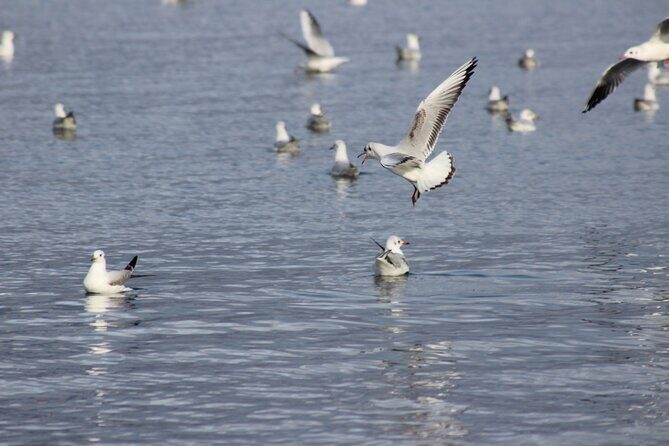
The AOS model is “see the bird, then understand the life around it.” You’ll observe amazing birds using the instruments provided, and you’ll get guided help identifying species. But the learning isn’t limited to naming. You’ll also learn about their ecology and the habitats they live in, and you’ll work alongside expert ornithologists from the AOS team.
In practice, this means you’ll get better faster. Instead of only learning species names, you learn why those species are there. That helps in two ways:
- You start predicting where birds might appear next.
- Your ID gets steadier, because you’re matching bird traits to habitat logic.
The conservation angle is also part of the experience. The tour is positioned as contributing directly to conservation programs in Albania. That doesn’t magically fix wetlands overnight, but it does connect your time outdoors to something real: habitat protection and species support.
A five-day rhythm through Albania’s wetland world
We’re not given a rigid day-by-day route on paper here, but the structure is clear: private nature walks across key bird habitats, with ornithologist guidance and lots of scanning time. Over about five days, you’ll likely experience a progression of wetland types and feeding zones—because that variety is how birding becomes interesting instead of repetitive.
Here’s the kind of flow you can expect, and what each habitat change does for your bird list:
Day 1: Settling in with field scanning
You’ll start from Tirana (at the Rinas Airport meeting point). Your first day sets your “birding rhythm”: how the guide wants you to look, how they approach identification, and how they manage stops for scanning. In a good birding day, you learn the local patterns fast—wind direction, shoreline shape, water depth cues, and where birds choose to stand or swim.
Possible highlight areas on AOS-style itineraries include lagoon and wetland landscapes near the coast—places where you can quickly rack up species without hiking all day.

Day 2: Lagoons and wetland edges where birds feed
This is where birding really takes off visually. You get mixed groups: waders and shorebirds working the edges, birds of prey using open spaces, and passerines that may show up when you least expect them. In one documented AOS day of birding at Diviaka Lagoon, the species count reached 50+, including nesting Dalmatian Pelicans plus a mix of shorebirds and raptors.
Even if your exact count differs, the pattern is the same: lagoons concentrate food and create clear “zones” for different birds.
Day 3: Salt marshes and wider water views
Salt marsh and similar wetland habitats reward careful scanning because birds can look similar at distance. The guide’s skill matters here. You’ll use the optics, learn what to watch for, and understand habitat cues that separate look-alikes.
This is often a day when the birds feel less like a hunt and more like observation: you’ll notice feeding rhythms, movement patterns, and group behavior.
Day 4: Rivers and salinas-style landscapes (the action day)
One of the most memorable AOS-style combinations is heading to places like the Vjosa River and nearby salt-works or salina areas, where birds shift between feeding and resting. One standout experience describes a trip including the Vjosa river and the salinas, plus a stop on the way back at a roller colony. That kind of route gives you variety: flying birds, ground-feeding birds, and colonies that change the whole tone of the day.
This is also a day where patience pays. Many birds are present but not always visible at the exact moment you arrive. A good guide reads the landscape and times the scanning so you’re not just standing there hoping.
Day 5: Finishing with a different habitat angle
Your final day is likely aimed at one last chance at species or habitat variety. Depending on season and conditions, AOS trips may include lake or protected area birding. There’s an example of an excursion that highlighted NP Theth and Shkoder Lake as among the most interesting spots for the group—so it’s reasonable to expect that some AOS routes blend wetland birds with broader landscape birding.
If you’re traveling for birds and learning, the final day is where you’ll feel your skills click. Once you’ve learned what to scan and how to interpret cues, you’ll start spotting patterns without being told.
What birds you might actually see (and why it’s different)
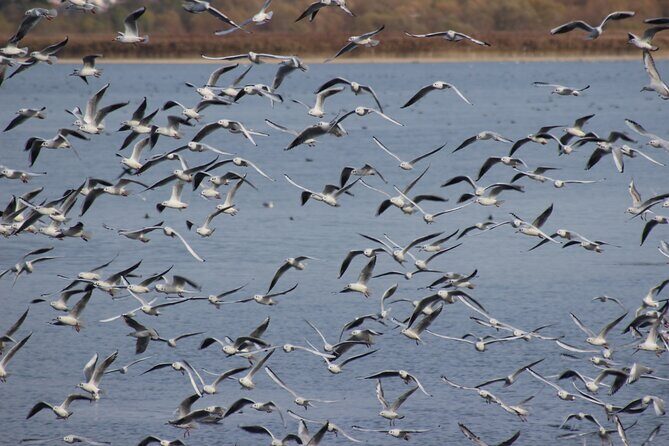
The tour is about more than “pretty birds.” It’s about birds that respond to habitat—and that’s why you get opportunities that can surprise you if you’re used to birding only in western or northern Europe.
From documented AOS outings, you can expect the potential for:
- Dalmatian Pelicans (including nesting activity in at least one Diviaka Lagoon day)
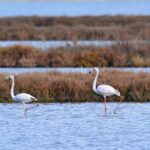
- waders and shorebirds working wet edges
- birds of prey taking advantage of open lines and thermals
- passerines showing up in the mixed habitat layers
- even specialty moments like roller colonies on certain routes
Here’s the useful part for you: the guide can help you not only identify what you see, but also place each species into the ecosystem logic. Pelicans, for example, are strongly tied to aquatic food sources and water structure. Waders and shorebirds often track shallow feeding zones. Raptors often appear where prey movement is easiest to spot.
If you go in expecting a species list, you’ll still have fun. But if you go expecting to learn habitat-based birding, the trip becomes more satisfying—and you’ll remember more than photos.
Private transportation: fewer headaches, better time in the field
This tour includes private transportation, which is one of those quietly important things. Birding often means stops that are short and sudden. With public transport, you risk missing the best window. With private transport, you can make the field the priority.
Also, private format means the guide can tailor scanning: if you’re focused on pelicans, they can spend more time on waterline behavior; if you’re more into waders, they can adjust the pacing to match what’s visible.
Your group size (up to 4) helps a lot. You don’t have five people repeatedly blocking each other while someone checks the scope. Everyone gets a reasonable look.
Price and value: what $2,545 per group really means
Let’s be honest: $2,545 per group for up to 4 people isn’t cheap. If you’re traveling solo, the per-person cost can sting. But this is the trade: you’re paying for a fully guided, private experience with ornithologist/guide support and private transportation, plus field optics included.
Here’s how to think about value:
- You get expert attention without sharing it with strangers.
- You get equipment that improves your ability to ID birds.
- You get longer, better scanning time because transport is organized.
- Your payment supports AOS conservation programs in Albania.
If you split the cost with a small group (family, friends, or a two-couple travel setup), it can start to look like a good deal for high-quality field expertise. If you’re the type who wants maximum birds per hour and maximum learning per stop, the structure fits that goal.
If you’re the type who just wants a casual walk with a few photos, then it might feel like overkill. This tour rewards people who enjoy learning and paying attention.
Conservation impact: the feel-good part with real-world grounding
The experience is presented as supporting conservation of bird species and critical habitats in Albania, with proceeds going directly to conservation programs.
That matters because birding without habitat protection is a dead end. When wetlands are healthy, birds can feed and breed. When habitats erode, birding becomes a guessing game. By choosing a conservation-connected guide organization like AOS, you’re choosing a tour where your day outdoors is tied to long-term protection.
You can feel the difference in how the tour is framed: it’s not just about spotting birds. It’s about understanding the surrounding life that keeps those birds alive.
What to pack and how to plan your day
Lunch isn’t included, and the advice is clear: take a sandwich with you. That’s classic good field planning. Birding stops are sometimes timed to bird behavior, not to a restaurant schedule.
Here’s what you should plan for based on how these tours operate:
- Bring a packed lunch (a sandwich you don’t mind eating outdoors).
- Dress for long outdoor scanning sessions. Even in warmer months, wetlands can feel cooler and breezier.
- Wear shoes that handle uneven ground and wet edges.
- Bring water, since you’ll likely be out during long periods of walking and watching.
Also note the experience requires good weather. If weather turns, you may be offered a different date or a refund. In birding, that’s not a minor detail—it can change visibility and bird activity a lot.
Who should book this Albania birding trip
I think this tour is an excellent fit if:
- You want serious bird learning with an ornithologist, not just casual sightseeing.
- You like private guiding and don’t want to share your attention with a large group.
- You want a chance at birds that feel special if your home birding is in western or northern Europe.
- You value conservation-focused organizations with practical habitat work.
It’s also family-friendly according to past experiences, which is promising if you’re traveling with kids who can handle a few hours outside and enjoy the excitement of spotting birds—especially when the guide helps them learn what they’re looking at.
Should you book it?
If you’re serious about birding and want better ID skills, plus a realistic shot at standout wetland species like Dalmatian Pelicans, I’d book this. The private format, AOS ornithologist guidance, and included optics are the big reasons.
If the price makes you pause, do the math per person and think about what you’re buying: expert field time, private logistics, and conservation support. For the right group of two to four, it can feel like a focused field course you get to travel for.
If you want low-effort tourism with zero learning, this may not match your style. But if you like being outside, looking closely, and coming home with new bird knowledge, this is a strong pick for private birding in Albania from Tirana.
FAQ
Where does the private birding tour in Albania start and end?
It starts at Rinas Airport, Tirana, Albania and ends back at the meeting point.
How much does the tour cost and what group size is it for?
The price is $2,545.00 per group and the group size is up to 4.
How long is the experience?
The duration is 5 days (approx.).
What’s included in the tour?
Included items are binoculars, private transportation, and an ornithologist/guide.
What should I bring for meals?
Lunch is not included. You’re advised to take a sandwich with you.
Is the tour private?
Yes. It’s a private tour/activity, and only your group participates.
Does the tour require specific conditions?
The experience requires good weather. If it’s canceled due to poor weather, you’ll be offered a different date or a full refund.
Can service animals participate?
Yes, service animals are allowed.