REVIEW · TIRANA
City Tour of Tirana & Dajti Mountain with Pickup
Book on Viator →Operated by Guidealbania · Bookable on Viator
You’re getting city sights and mountain views.
This small-group day tour links Tirana’s center with the skyline from Dajti Mountain, so you won’t just “see a few buildings,” you’ll understand how the city evolved—from Ottoman times to communism and today.
I love the small group size (up to 15) because you actually get time to ask questions, point at things, and get clear context on what you’re seeing. I also like that guides such as Adi and Adnan are repeatedly praised for strong, practical explanations and for keeping things flexible when your day needs a tweak.
One consideration: part of your budget goes to what’s not included, mainly Dajti Mountain and Bunk’Art 1 tickets, and weather can also affect the cable car. If you’re hoping for everything covered in the one price, read the fine print before you go.
In This Review
- Key things to know before you go
- From pickup to panoramic views: how this day actually feels
- Dajti Mountain by cable car: the skyline break you’ll be grateful for
- Lunch up high (and what to budget)
- Skanderbeg Square: the “hub” where Tirana’s stories meet
- Et’hem Bey Mosque: Ottoman art you can actually spot
- Pazari i Ri (New Bazaar): snack-and-stroll Tirana
- Bunk’Art 1 and Bunk’Art 2: Cold War rooms with real emotional weight
- Bunk’Art 1
- Bunk’Art 2
- Why these bunker stops are worth it
- Tirana Castle (Fortress of Justinian): a quieter pause with photo appeal
- Religious variety in one day: Saint Paul Cathedral and the Orthodox Cathedral
- Saint Paul Cathedral
- Resurrection of Christ Orthodox Cathedral
- The Pyramid of Tirana: communist monument turned climbable viewpoint
- Blloku: Tirana’s former elite district to nightlife energy
- New Mosque (Xhamia e Re): modern Ottoman-inspired symbolism
- Price and value: where the $60.34 can feel like a bargain
- Guides and group size: why “small” changes everything
- Should you book this Tirana and Dajti day tour?
- FAQ
- What is the duration of the Tirana city tour and Dajti Mountain experience?
- How much does the tour cost?
- Do you get hotel pickup?
- What group size should I expect?
- Are tickets to Dajti Mountain included?
- Are Bunk’Art tickets included?
- How long is the Dajti cable car ride?
- Can I enter and visit churches and mosques on this tour?
- Can you go up the Pyramid of Tirana?
- Is there free cancellation?
Key things to know before you go
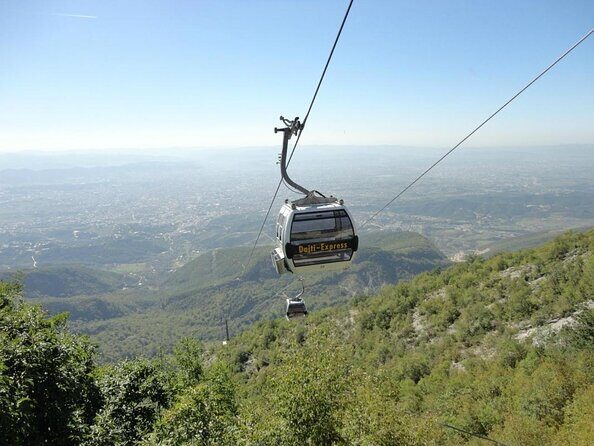
- Cable car first, views guaranteed when weather cooperates: it’s a 15-minute ride on the Dajti Express up to the Dajti Balcony.
- Cold War museum stops are a big focus: Bunk’Art 1 is a main event, and Bunk’Art 2 may also be part of your route.
- You’ll cover multiple faiths and eras in one day: Orthodox cathedral, Saint Paul Cathedral, the Et’hem Bey Mosque, and the New Mosque.
- Skanderbeg Square is your gravity point: from there the tour threads through the center’s key landmarks and nearby streets.
- Extra walking is real: it’s a city walk plus time at museums, so comfy shoes matter.
From pickup to panoramic views: how this day actually feels
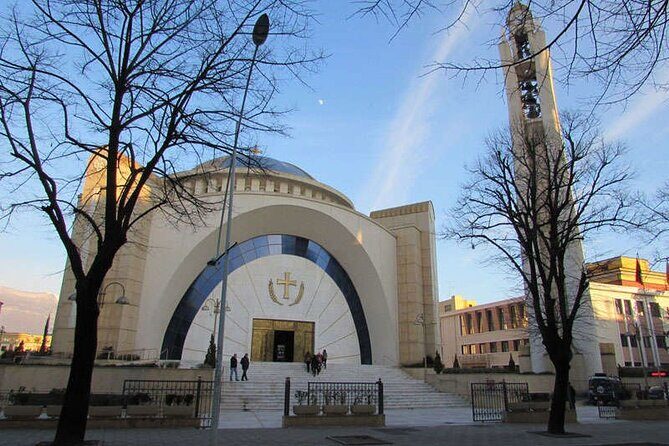
This is the kind of day trip that helps you get your bearings fast. You’ll start with pickup only within Tirana, then head out toward Dajti for the first big payoff: that cable-car view over the capital. It’s a clever move because it gives you perspective early, before the center gets busy in your head.
The tour runs about 6 to 7 hours. That’s long enough to cover more than just one “must-see,” but short enough that you’re not stuck in museums all day. It also stays in a small group—maximum 15—so you’re not watching history through the back of someone’s camera.
Also, it’s popular. Booking averages show people often reserve it well ahead (around two months), so if you’re traveling in a high season, lock it in early.
You can also read our reviews of more city tours in Tirana

Dajti Mountain by cable car: the skyline break you’ll be grateful for
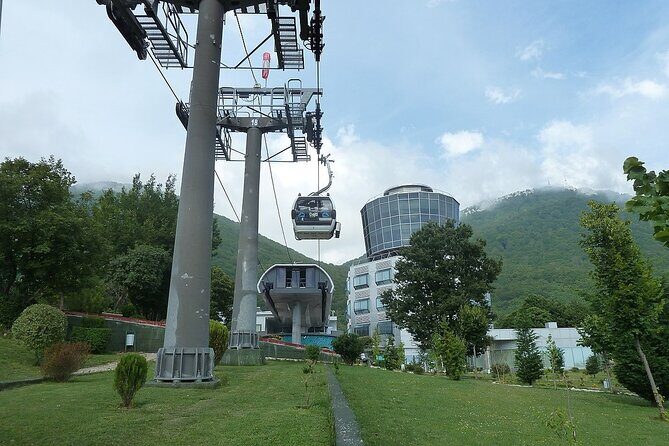
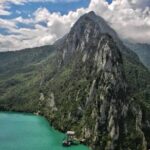
The ride up is on the Dajti Express Cable Car, listed as the longest in the Balkans. It’s short—about 15 minutes—but the payoff is huge because you’re rising fast out of city noise into mountain air.
At the top, you step onto the Dajti Balcony, the main viewpoint. From here you can look back over Tirana and, on clear days, you can see toward the Adriatic Sea in the distance. Even when clouds roll in, you still get that “from above” feeling that makes the rest of the day make sense.
One practical note: cable cars can close with bad weather. I’ve seen this happen, so if the skies look rough, ask your guide how they’ll adjust. Usually you’ll still get a plan for viewpoints and the city portion.
Lunch up high (and what to budget)
There’s an on-mountain restaurant option called Ballkoni Dajtit where you can eat traditional Albanian food. The tour information doesn’t include the cost of that meal, so treat lunch as extra spending. The upside is simple: you’re not rushing back down just to find food, and the views make the meal feel like part of the attraction.
Skanderbeg Square: the “hub” where Tirana’s stories meet
Most of Tirana’s big symbolism clusters around Skanderbeg Square. It’s where you’ll recognize the city from photos, but also where you can see how styles layer over each other: Ottoman-era design beside later architecture, and political-era memory beside places where people actually hang out.
This is also where the tour connects you to the religious and cultural landmarks that define the center. Even if you only have limited time, spending time here first helps you stop treating everything like separate attractions.
Et’hem Bey Mosque: Ottoman art you can actually spot
The Et’hem Bey Mosque is one of the city’s most important Ottoman landmarks, built in the late 18th century and finished in the early 19th century. It’s particularly memorable because its decorations survived periods when many religious sites were damaged.
Inside details are part of the story here. The mosque is known for rare hand-painted frescoes with motifs like trees, waterfalls, and bridges—images you don’t always see in Islamic art. It’s also associated with a historic protest in 1991, when thousands of people entered as the country moved back toward religious freedom.
This stop is short—about 15 minutes on the day plan—but it works well because it gives you one clear “anchor” in the center before the schedule turns into churches, museums, and markets.

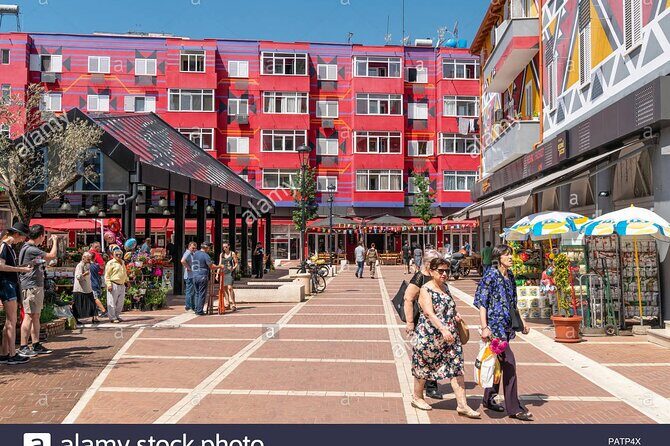
Pazari i Ri (New Bazaar): snack-and-stroll Tirana
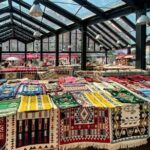
After the monument stops, you get to shift gears at the New Bazaar (Pazari i Ri). This is a renovated market area close to the square, known for local produce and food stalls, plus handmade crafts.
What makes it useful on a guided day tour is that the bazaar doesn’t feel random. You’re there with context: what to look for, how locals shop, and where to pause for simple tastings. If you want a quick souvenir that doesn’t look like it came from a single factory, crafts and ceramics are usually easier to find here than in generic souvenir streets.
It’s also a good spot to regroup. Market time is flexible—if you’re tired, you can slow down without losing the day.
Bunk’Art 1 and Bunk’Art 2: Cold War rooms with real emotional weight
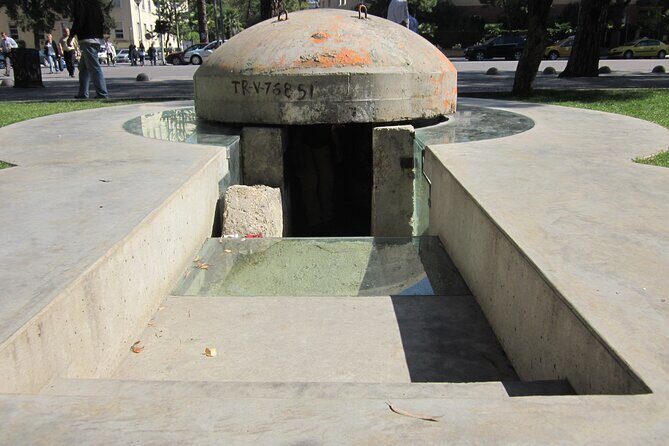
If Tirana has a “history theme” for this tour, it’s communism—specifically, the bunker mindset.
Bunk’Art 1
Bunk’Art 1 is a Cold War-era underground bunker turned museum. It’s built in the 1970s and designed to protect officials from nuclear attack and other disasters. The museum is organized in reinforced-concrete rooms, and you’ll walk through 24 rooms as part of the visit.
The exhibits focus on the secret police system (Sigurimi), surveillance, political persecution, and forced labor camps. It’s not comfortable history, but it’s important. You also get a look at spy equipment and other artifacts from the period.
Time on this stop is about 1 hour, and the admission ticket is noted as not included for this part of the day plan. That means you’ll want to plan for museum entry fees in your final budget.
Bunk’Art 2
In the Skanderbeg Square area, the day may also include Bunk’Art 2, another Cold War museum presentation. It’s described as an underground bunker museum too, focused on Albania’s Cold War-era story. One stop lists admission as free, so check what’s actually covered on your specific day.
Important practical point: museum hours can vary. I’ve seen cases where Bunk’Art wasn’t open as expected, so if you’re booking for a tight schedule, it’s smart to confirm opening status close to your tour date.
Why these bunker stops are worth it
The value of the bunker museums isn’t only what they show. It’s how they make the rest of Tirana click. You’ll later look at buildings and city plans with different context—less “what looks nice,” more “why it was built and how people lived inside it.”
Tirana Castle (Fortress of Justinian): a quieter pause with photo appeal
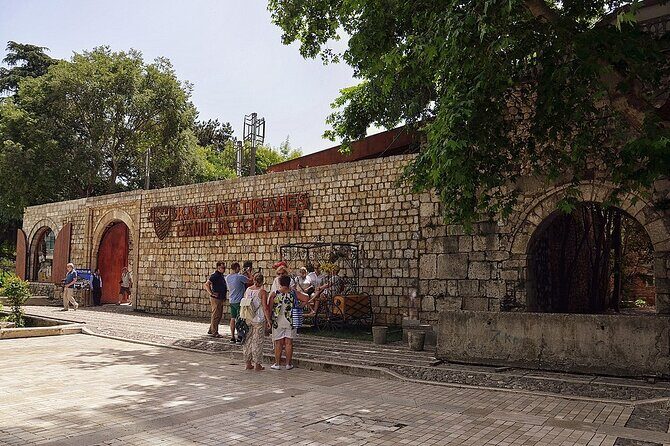
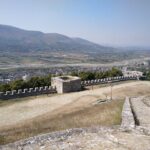
Next up is Fortress of Justinian, also called Tirana Castle. It’s tied to Byzantine-era fortifications from the 6th century, and today only sections of the ancient walls remain.
This stop is useful because it’s not just “religion and politics.” It’s architecture and urban history in one small area. The courtyard has become pedestrian-friendly and more relaxed, with boutique shops, artisan stores, and cafés.
On a schedule like this, it’s a good breathing moment. You get structure from history, but you’re not locked inside a dark underground bunker again.
Religious variety in one day: Saint Paul Cathedral and the Orthodox Cathedral
One thing Tirana does well is showing multiple faith traditions in the same city core, and this tour takes advantage of that.
Saint Paul Cathedral
Saint Paul Cathedral is a Catholic landmark built in 2001 near Mother Teresa Square. It’s modern in design, and that matters. The stained-glass windows depict Saint Paul, Mother Teresa, and Pope John Paul II.
There’s also a bronze statue of Saint Paul at the entrance, so even if you only have a few minutes, you’ll still get that “I recognize this” moment.
Resurrection of Christ Orthodox Cathedral
The Resurrection of Christ Orthodox Cathedral is one of the largest Orthodox churches in the Balkans. It was completed in 2012, and it symbolizes the revival of Albania’s Orthodox Christian community after decades of suppression.
Inside, you’ll find a golden iconostasis, chandeliers, and rich decoration, including frescoes that portray biblical scenes. It’s described as serene and impressive, and it’s another stop that helps break up the day’s intensity.
Both churches are listed with short time blocks (around 15 minutes each) and free admission on the tour plan.
The Pyramid of Tirana: communist monument turned climbable viewpoint
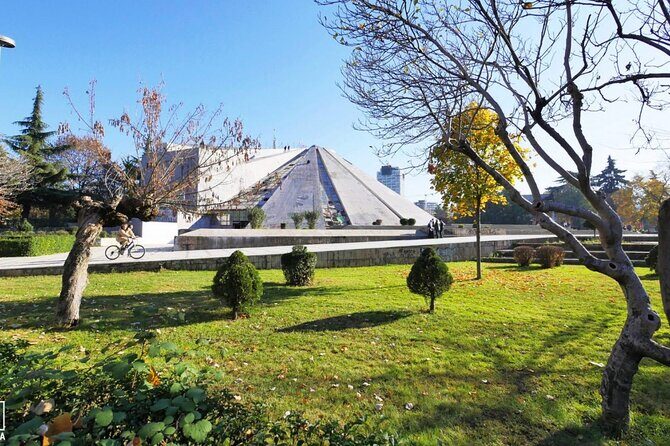
Few things in Tirana are as instantly recognizable as the Pyramid of Tirana. Originally built in 1988 as a monument/museum dedicated to Enver Hoxha, it later shifted use over time. After renovation, it now functions as a cultural and tech hub.
The fun part for your day: you can walk up its sloped structure for panoramic views. The tour plan lists this as a highlight, and it also calls out that it’s a strong photo spot, especially when lit at night.
Plan about 30 minutes. It’s not a long climb, but it’s long enough to take in the city from a different angle than Dajti gives you.
Blloku: Tirana’s former elite district to nightlife energy
Blloku is one of the city’s most popular neighborhoods now. During communist rule, it was restricted to elite officials, with ordinary citizens barred from entering. Today, it’s where many people go for cafés, restaurants, shopping, and nightlife.
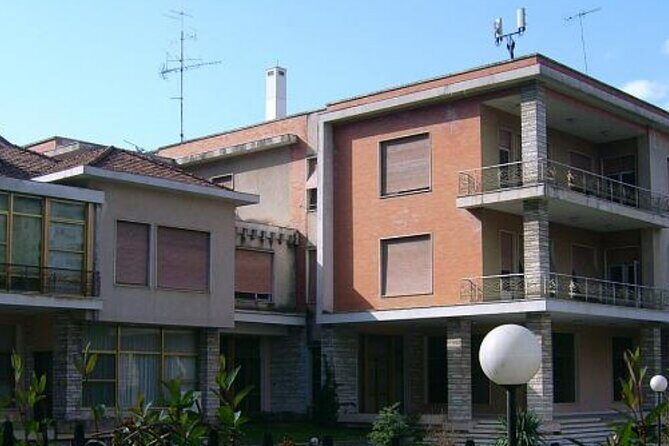
This stop is more “sense the place” than “check a landmark.” You’ll see Enver Hoxha’s former residence area mentioned too, which helps connect the neighborhood’s modern buzz to its past.
Even if you don’t plan to party, Blloku gives you the feel of today’s Tirana. And because this tour is mostly history-heavy, that modern contrast is a good way to end your day in your head.
New Mosque (Xhamia e Re): modern Ottoman-inspired symbolism
Finally, you may visit the New Mosque (Xhamia e Re), a modern landmark completed in 2019. It’s described as a gift from Turkey to the people of Tirana, meant to symbolize cooperation and friendship between the two countries.
The architecture is modern but Ottoman-inspired, and the tour plan notes a peaceful atmosphere when you visit outside prayer times. It’s also a symbol of cultural and religious ties.
This stop is time-light (about 30 minutes) and works well if you still have energy after museums and walking.
Price and value: where the $60.34 can feel like a bargain
At $60.34 per person for a 6 to 7 hour day with pickup and a small group, this can be good value—if you account for the extras correctly.
Here’s the key value equation:
- You’re paying for a guided framework across many Tirana highlights, not just for transport.
- You get the cable car experience to Dajti plus multiple city stops that would be harder to string together efficiently on your own.
- You also get attention from the guide in a group of up to 15, and that can matter in museums like the bunkers where context makes a big difference.
Now the honest part:
- Dajti Mountain admission/tickets are not included, and Bunk’Art 1 ticket is not included on the plan.
- Some other major sights are listed as free, like churches and mosques, and several stops are short and ticket-free.
So the true budget is: the tour price plus museum/cable car tickets and lunch. If you’re already planning to do Dajti and at least one bunker museum, the math usually works out better than paying for each attraction solo plus a private guide.
Guides and group size: why “small” changes everything
One reason this tour lands well is the repeat praise for guides like Adi and Adnan. The common themes in those notes are:
- clear, on-the-ground explanations during the bunker museum time
- a friendly approach that makes it easier to ask questions
- flexibility when a stop needs to shift because of fatigue or timing
Also, in quieter periods, you may find yourself with very few people in the group. That’s when you really notice the “attention from the guide” part, because the day stops feeling scripted.
Should you book this Tirana and Dajti day tour?
Book it if:
- you’re in Tirana for a short stay and want the big highlights with context
- you want both the city monuments and the Dajti viewpoint, not just one or the other
- you appreciate guided history in places like the bunker museums (where explanations genuinely change the experience)
- you’d rather let someone else connect the dots among multiple landmarks
Skip it or rethink if:
- you want a cheap day with no extra ticket spending, since Dajti and Bunk’Art 1 add cost
- you’re sensitive to walking and museum time; this is a full day with multiple stops and some time on foot
- you’re traveling when bad weather is likely, since the cable car can close and force schedule changes
- you expect every major museum to be guaranteed open on the day; opening hours can vary, so ask close to your date
If you do book: wear good shoes and plan for museum and cable car tickets. And if the weather looks shaky, message your guide beforehand and be ready to shift the order.
FAQ
What is the duration of the Tirana city tour and Dajti Mountain experience?
It runs about 6 to 7 hours.
How much does the tour cost?
The price listed is $60.34 per person.
Do you get hotel pickup?
Pickup is offered for travelers staying in the city of Tirana.
What group size should I expect?
The group has a maximum size of 15 travelers.
Are tickets to Dajti Mountain included?
No. The Dajti Mountain cable car admission is listed as not included.
Are Bunk’Art tickets included?
Bunk’Art 1 admission is listed as not included. (Other stops in the city area are listed as free on the plan.)
How long is the Dajti cable car ride?
The cable car ride is described as about 15 minutes.
Can I enter and visit churches and mosques on this tour?
Yes. The tour plan lists multiple religious sites with admission marked as free and includes short time slots for each.
Can you go up the Pyramid of Tirana?
Yes. The tour plan mentions that you can walk up the sloped structure for panoramic views.
Is there free cancellation?
Yes. You can cancel up to 24 hours in advance for a full refund.