REVIEW · TIRANA
Day-trip Shkoder – Lezhe – Kruje
Book on Viator →Operated by Aria Travel Albania · Bookable on Viator
A castle view and Skanderbeg in one day. This day trip links pickup-ready Shkoder, Lezhe, and Kruja with included admissions and a comfortable ride by air-conditioned vehicle. You’ll also get enough structure to see the key sights without rushing your brain to overload.
I especially like the 360-degree panorama from Rozafa Castle and the fact that you walk the Gjuhadol area at a relaxed pace. You’ll also enjoy museums in Kruja and time to wander the famous bazaar for traditional crafts.
One consideration: the tour is offered in English, so if you need another language, confirm before you book.
In This Review
- Key Highlights You’ll Feel the Most
- Why This Shkoder–Lezhe–Kruja Route Works So Well
- Rozafa Castle: The 360-Degree View That Makes the Day Trip Click
- Gjuhadol in Shkoder: A Peaceful Walk With Italian-Austrian Details
- Lezhe and Skanderbeg’s Mausoleum: History You Can Stand Inside
- Kruja Castle: Museums, Ethnography, and the Anti-Ottoman Story
- Kruja Bazaar Time: Crafts, Souvenirs, and Building Your Own Pace
- Timing and Comfort: A Long Day That Stays Manageable
- Price and Value: Is $90.11 Worth It?
- Picking the Right Guide and Confirming Your Language
- Who This Day Trip Suits Best (And Who Might Want Something Else)
- Practical Tips Before You Go
- Should You Book This Shkoder–Lezhe–Kruja Tour?
- FAQ
- How long is the Shkoder – Lezhe – Kruje day trip?
- How much does the tour cost?
- Is pickup available from Tirana?
- Is lunch included?
- What admissions are included?
- What languages is the tour offered in?
- Is the vehicle air-conditioned?
- What’s the maximum group size?
- What should I expect to see during the day?
- What happens if weather is bad?
Key Highlights You’ll Feel the Most
- Rozafa Castle views: 360-degree outlooks over the Buna and Drin river valleys and Lake Shkoder
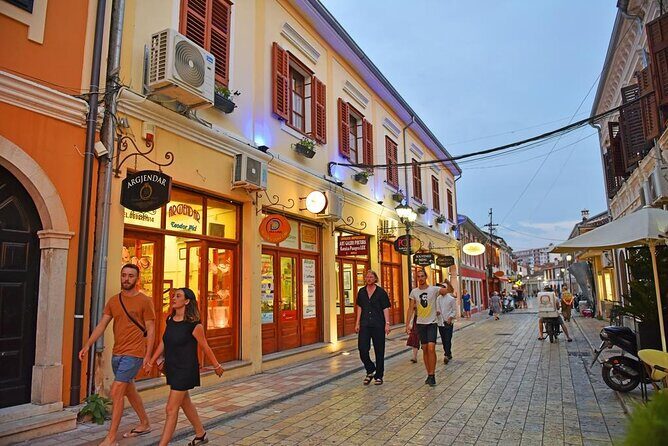
- Gjuhadol pedestrian walk: Italian and Austrian architectural influences in a newly renovated area
- Optional Marubi Museum: famous photography legacy with 500,000 glass negatives
- Skanderbeg’s story in Lezhe: see the mausoleum in the church of Saint Nicholas
- Kruja Castle museums: Skanderbeg Museum plus an ethnographic museum with original late-19th-century items
- Kruja Bazaar time: a practical chance to shop for traditional handicrafts and souvenirs
Why This Shkoder–Lezhe–Kruja Route Works So Well
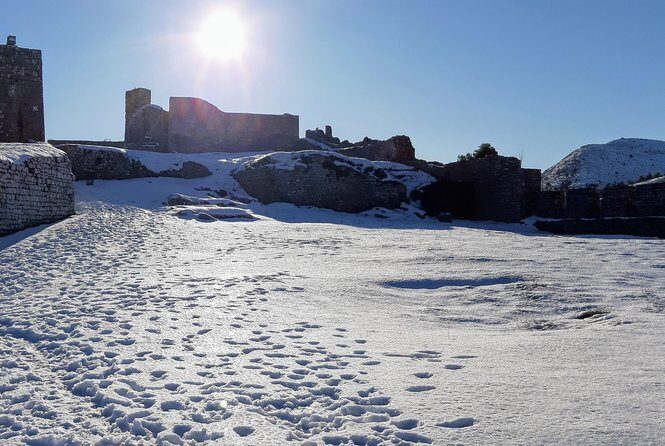
This is the kind of day trip that makes Albania feel connected instead of random. You start in Shkoder for fortified viewpoints, move to Lezhe for national-hero memory, then end in Kruja for museums and shopping under castle walls.
The balance here is smart: you get one big scenic stop (Rozafa), one street-and-photo stop (Gjuhadol and optionally Marubi), one historical stop (Skanderbeg’s mausoleum), and one cultural stop with time to linger (Kruja). That pacing matters on a 7 to 9 hour day, because you want stops you can enjoy instead of just survive.
You can also read our reviews of more tours and experiences in Tirana.
Rozafa Castle: The 360-Degree View That Makes the Day Trip Click
Rozafa Castle is where this tour shows off. The drive from Tirana to Shkoder sets the stage, then you get around an hour to explore from the top and take in the view in a way most cities can’t match.
This hilltop fortress is tied to Illyrian power in the 3rd–2nd centuries B.C., with Shkodra described as the only mentioned Illyrian capital from that period. Standing there, you can understand why rulers cared about heights—enemies see you coming, but you also see everything first.
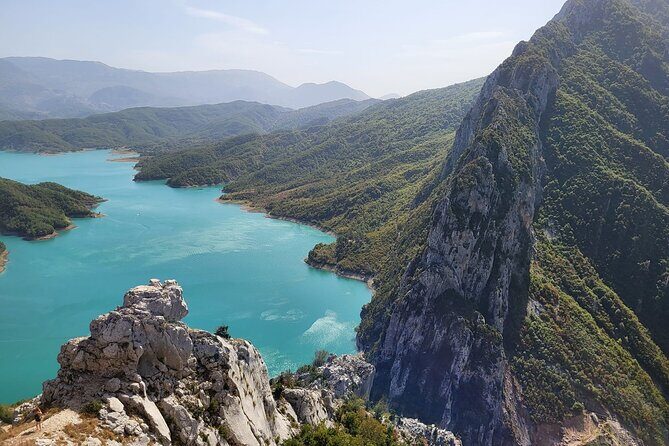
The best part is the outlook: you’ll look over the valley and the two rivers, Buna and Drin, plus Lake Shkoder and the surrounding mountains. It’s the kind of view that makes your photos look better even if you’re not trying. If you’re traveling with kids or friends who usually hate museums, this is the stop that usually wins them over.
Practical tip: wear shoes you trust. Castle ground and stairways can be uneven, and you’ll want to move comfortably while you’re up for the panorama.
Gjuhadol in Shkoder: A Peaceful Walk With Italian-Austrian Details
After the castle, the day softens. You’ll head to Gjuhadol, a newly renovated pedestrian area where Italian and Austrian architectural influences show up in the streetscape.
You’re there for about an hour, and that timing is perfect. It’s long enough to enjoy the feel of the neighborhood, take a few photos, and still keep energy for the next leg of the day.
What I like about this stop is that it’s not just a background moment between monuments. It’s a chance to see how Shkoder’s past connections left visible marks in everyday buildings. Even if you don’t go heavy on sightseeing, you’ll come away with a stronger sense of place.
Marubi Museum is optional, and it’s the photography lover’s switch you can flip. The Marubi name is tied to pioneer photography in the Balkans—Marubi is credited with taking the first photograph in the Balkans in 1856, and the studio left a collection of 500,000 glass negatives. The museum’s selection of old prints shows people and life in the area nearly two centuries ago.
If you’re short on time, you could skip it and keep your energy for Kruja. But if you enjoy historical photos as social documents, this optional stop can turn into a highlight.
Lezhe and Skanderbeg’s Mausoleum: History You Can Stand Inside
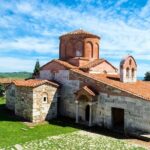
From Shkoder, the tour moves on to Lezhe for the mausoleum of Skanderbeg, Albania’s national hero. Skanderbeg’s burial site is inside the church of Saint Nicholas, which adds weight to the visit—you’re not just viewing a monument, you’re entering a space tied to the story.
This stop matters because Skanderbeg isn’t presented here as a distant legend. The whole day’s theme starts to click: the castles and viewpoints you saw earlier weren’t only about views—they were about control, defense, and survival in turbulent times.
There’s no extra “show” needed. A mausoleum location like this does the job quietly, and it’s a strong contrast to the more open-air feel of Rozafa.
Practical tip: bring a layer. Churches can feel cooler than outdoor air, especially if you’re touring in warmer months.
Kruja Castle: Museums, Ethnography, and the Anti-Ottoman Story
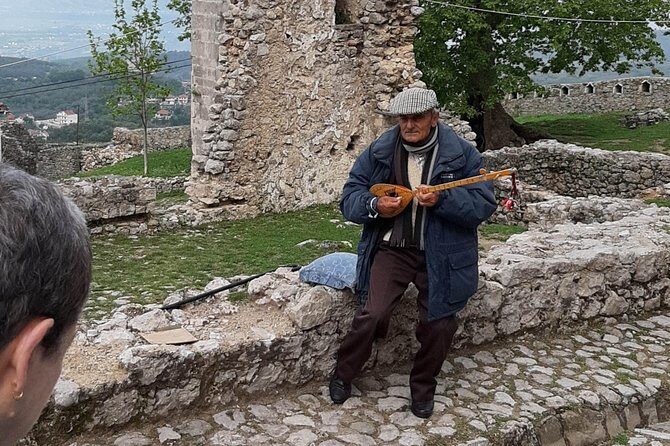
Kruja is where the tour slows down enough to feel meaningful. You’ll spend about three hours at the Castle of Kruja, and that time includes the Skanderbeg Museum plus an ethnographic museum where almost all items are original from the end of the 19th century.
What makes this stop valuable is the pairing. The Skanderbeg Museum gives you the national-hero narrative in a focused way, while the ethnographic collection shifts the emphasis to daily life and material culture. Together, they help you connect the fighting stories to the people who lived through those eras.
A key detail from Kruja’s framing: Skanderbeg kept Ottoman armies from crossing into Western Europe for 25 years, earning him the title Athleta Christi from the Pope at the time. Even if you don’t care about titles, the message is clear: this wasn’t a quick battle story—it was sustained resistance.
You’ll also get to move through the area around the castle, then finish your castle time with Kruja’s famous bazaar.
Kruja Bazaar Time: Crafts, Souvenirs, and Building Your Own Pace
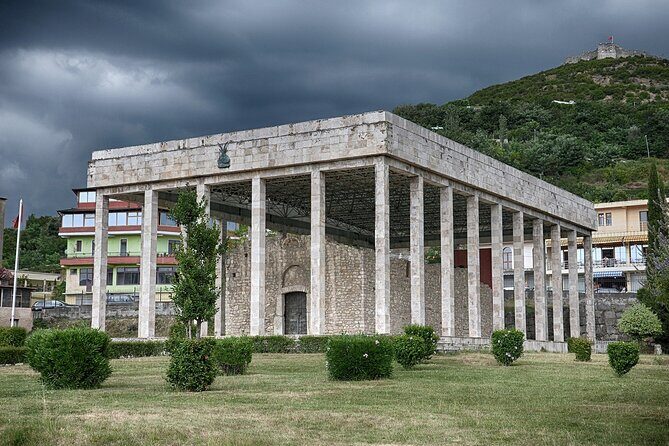
After the museums, you’ll make your way into Kruja’s bazaar. This is a practical moment built into the tour that lets you breathe and choose.
You’ll see traditional handicrafts and souvenirs here, and you can shop at your speed instead of feeling like you have five minutes and a deadline. If you’re trying to bring home items with local identity, this is the moment to focus.
Quick reality check: bazaar time can be busy, and the mix of people and stalls can feel like sensory overload if you’ve had a long travel day. So I suggest one simple strategy: pick one or two things you actually want (a small craft, a food item, a textile), then stop. You’ll remember the day better than if you buy “just because you can.”
Also, since lunch isn’t included, bazaar time often becomes your best chance to grab something quick or sit down if there’s an option available. One well-liked approach is choosing the agro tourism restaurant lunch option when it’s offered during the day, especially if you want an Albania-style meal between sightseeing chunks.
Timing and Comfort: A Long Day That Stays Manageable
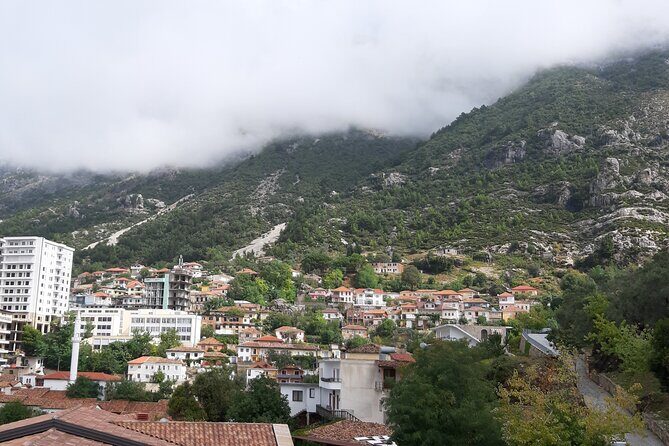
This tour runs about 7 to 9 hours. That’s a long enough window to cover multiple historic areas without feeling like you’re sprinting across the country all day.
Transport is taken care of with an air-conditioned vehicle, which is a big deal when you’re moving between hills and valleys. You’ll also benefit from pickup being offered, so you’re not scrambling for your own ride from Tirana before the day gets rolling.
Group size maxes out at 45 travelers, which helps keep things organized, especially on the walking segments. Still, it’s a group tour, so you should expect some waiting and regrouping at the main sites. The trick is to treat waiting like time to hydrate and reset, not like wasted time.
One more practical note: the tour needs good weather. If weather turns, the operator offers a different date or a full refund. So if you’re booking in a season with unpredictable conditions, keep your schedule flexible.
Price and Value: Is $90.11 Worth It?
At $90.11 per person, this isn’t a bargain-tour price, but it also isn’t trying to be one. You’re paying for four essential pieces: transport from Tirana, air-conditioned comfort, guided structure, and included admissions at key spots.
Rozafa Castle’s admission is included, and so is admission for the Castle of Kruja. Gjuhadol is free, and Marubi Museum is optional. You’re also getting a full day out of it—enough time to see the main “why’s” of the region instead of only passing through.
So the real question isn’t just price. It’s whether you want a single-day loop that covers Shkoder’s fortified viewpoint, Lezhe’s Skanderbeg site, and Kruja’s museum-and-bazaar package without planning each leg yourself. If you prefer your day trip already structured, this is solid value.
If you’re the independent type who enjoys pacing, you might spend less by going solo. But the time you’d spend figuring out transport and tickets is where the tour earns its money.
Picking the Right Guide and Confirming Your Language
A tour like this rises or falls on the guide’s storytelling and pacing. In the best case, you get explanations that make the sights connect in your head.
Two guide names that have stood out are Endri and Jetmir. Endri is described as amazing in Kruja and Shkoder, and Jetmir is praised for being charming, informative, and attentive. Jetmir also gets specific kudos for careful driving in a Mercedes, which matters on winding roads when you’re trying to enjoy the day instead of bracing for the next turn.
Here’s the one thing I strongly recommend: confirm the language. The tour is offered in English, and one experience shared a problem when someone had expected Spanish. That’s not the same as saying the content is bad—it’s saying language mismatch can ruin your ability to follow the stories. If you need a specific language, ask and get clarity before you pay.
Who This Day Trip Suits Best (And Who Might Want Something Else)
This is a strong match if you want:
- Big historic anchors in one day: Illyrian-era context at Rozafa, Skanderbeg in Lezhe, and resistance stories plus museums in Kruja
- A mix of viewpoints, walking, and indoor stops, with time to shop
- Tour structure from Tirana with pickup and air-conditioned transit
It may be less ideal if you:
- Need a specific language other than English
- Want a super flexible day with no set stops
- Have limited stamina for castle stairs and museum browsing
If you’re traveling with photo interests, consider adding the optional Marubi Museum. If you’re traveling with “just show me the best views” people, prioritize Rozafa and Kruja castle time.
Practical Tips Before You Go
A few small choices will make the day feel smoother:
- Bring water and a light snack. Lunch isn’t included, and waiting for a meal on a full day can be annoying.
- Wear comfortable shoes with grip for castle terrain.
- Pack a light layer for churches and indoor museums.
- Bring cash or a card you trust for bazaar shopping, because souvenirs can tempt you faster than you plan.
- If you’re sensitive to long days, keep expectations realistic for an 7–9 hour schedule.
Most of all: decide what you want most—views, museums, or shopping—and let that choice guide where you slow down.
Should You Book This Shkoder–Lezhe–Kruja Tour?
I’d book it if you want a classic Albania day loop that delivers on both stories and scenery. Rozafa’s 360-degree views, Skanderbeg’s mausoleum setting in Lezhe, and Kruja’s museum-and-bazaar combination make a strong case for one organized day rather than piecing it together yourself.
I’d skip or rethink if language is a deal-breaker for you, or if a long day with group timing will stress you out. If you can confirm English (or your preferred language) and you’re ready for some walking and museums, this is the kind of trip that leaves you with scenes you’ll remember.
FAQ
How long is the Shkoder – Lezhe – Kruje day trip?
It runs about 7 to 9 hours.
How much does the tour cost?
The price is $90.11 per person.
Is pickup available from Tirana?
Yes, pickup is offered.
Is lunch included?
No, lunch is not included.
What admissions are included?
Admission to Rozafa Castle and the Castle of Kruja is included. Gjuhadol is free, and Marubi Museum is optional.
What languages is the tour offered in?
The tour is offered in English.
Is the vehicle air-conditioned?
Yes, the tour includes an air-conditioned vehicle.
What’s the maximum group size?
The maximum is 45 travelers.
What should I expect to see during the day?
You’ll visit Rozafa Castle, Gjuhadol (and you can choose the optional Marubi Museum), the mausoleum of Skanderbeg in the church of Saint Nicholas in Lezhe, and the Castle of Kruja with Skanderbeg Museum and an ethnographic museum, plus time in the Kruja bazaar.
What happens if weather is bad?
The tour requires good weather. If it’s canceled due to poor weather, you’ll be offered a different date or a full refund.