REVIEW · TIRANA
Highlights of Albania
Book on Viator →Operated by Albania Express Travel · Bookable on Viator
History hits hard in Albania. This private 8-day route strings together three UNESCO sites and a stack of Ottoman, Roman, Byzantine, and Communist-era stops, with an air-conditioned vehicle so you spend less time bouncing around and more time looking out the window. I especially like the way the day-by-day plan mixes big-name sights (Butrint, Berat, Gjirokastër) with smaller, very specific experiences like a hand-made mask workshop in Shkodër and the Ardenica-to-Apollonia cultural run. One thing to consider: it’s a full program, and meals beyond breakfast are on you.
Because you’re traveling privately, the guide can pace the route to your group and help you connect the dots across Albania’s story—from Ottoman rule to the fall of communism and the push toward modern Europe. The tone is practical too: pickup at Rinas Airport (meeting at 8:30 am) and a plan that keeps moving between towns without you having to think about logistics every step.
In This Review
- Key highlights worth planning for
- A private Albania loop built for first-timers
- Tirana’s Ottoman-to-modern story: Scanderbeg Square and Bunk Art
- Krujë and Lezhë: Skanderbeg’s resistance line in two towns
- Shkodër and its hand-made art: Rozafa Castle and Venetian masks
- Durrës to Berat: Roman drama, then “thousand windows”
- Ardenica and Apollonia: Byzantium-to-classical without the guesswork
- Vlorë and the independence route along the Adriatic
- Ali Pasha Castle and Sarandë’s sea days
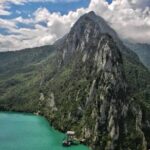
- Butrint UNESCO and the Blue Eye stop: two kinds of wonder
- Gjirokastër UNESCO: the stone city with names you’ll recognize
- Tirana’s pie stop, then a final free afternoon
- Price and logistics: what $2,195.63 really covers
- Who this tour fits best (and who should tweak it)
- Should you book this Albania experience?
- FAQ
- Where does the tour start, and what time?
- How long is the tour?
- Is this a private tour?
- What’s included in the price?
- Are any admission fees included?
- What’s not included besides meals?
Key highlights worth planning for
- UNESCO trio: Berat, Butrint, and Gjirokastër are built into the trip, not tacked on at random.
- Private guide focus: You’re not trading your questions for the next group’s questions.
- A/C transport between regions: Longer drives feel manageable.
- Scanderbeg to stone cities: You’ll see the same national hero referenced in multiple places, plus Illyrian and Roman layers.
- Handcrafted Shkodër masks: The details are the point—feathers, gold leaf, crystals, the whole look.
- Riviera contrast: Roman ruins and mountain towns on one side, turquoise sea days on the other.
A private Albania loop built for first-timers
This tour is a smart way to see Albania without turning your trip into a spreadsheet project. You’re in Tirana first, then you work your way north and back down, hitting standout towns across the country: Krujë, Lezhë, Shkodër, Durrës, Berat, Vlorë, the Albanian Riviera, Butrint, and Gjirokastër. It’s a lot, but the structure keeps it coherent.
The private format matters. Even with a set route, your guide can explain what you’re looking at in a way that sticks—why Krujë mattered to Skanderbeg’s resistance, how Berat’s churches and icon tradition connect, and why Butrint’s theater ruins feel so Roman even when the setting is pure Albania.
What you’re buying with the price is time saved and decision fatigue reduced: hotels with breakfast, A/C transport between regions, and someone else doing the “what do we do next?” part. You still need to budget for lunch and dinner, because those aren’t included.
You can also read our reviews of more tours and experiences in Tirana.
Tirana’s Ottoman-to-modern story: Scanderbeg Square and Bunk Art
Your first proper day sets the tone: Tirana with a guided orientation that covers the big landmarks plus the less obvious emotional layers. You meet your guide at Rinas Airport, then head to the hotel and get a short break before city walking.
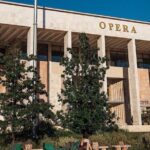
In Skanderbeg Square, you’ll see the Ottoman-era Ottoman legacy and post-communist reinvention in the same frame. The Et’hem Bej mosque sits nearby, with the monument to the national hero, the Opera house, and the clock tower. It’s an effective way to get your bearings fast—Albania’s identity isn’t one straight line, it’s a series of eras stacked on top of each other.
Then comes the contrast: the Pyramid monument and Bunk Art museum. This is the part that often surprises people, because it moves the conversation beyond monuments into the everyday machinery of history—how the country lived with the heavy weight of the 20th century, and how it’s trying to move forward now.
If you’re tired after flying, plan on a light pace for the evening. The sightseeing day is only about four hours, but it’s enough to make Tirana feel like a real place, not just an airport stop.
Krujë and Lezhë: Skanderbeg’s resistance line in two towns
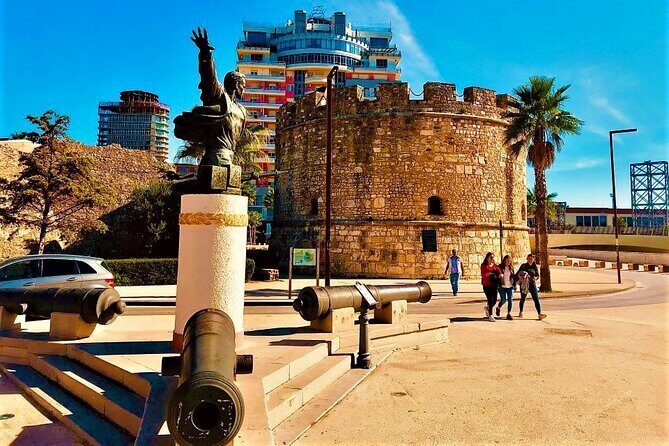
Krujë is one of those towns where the views help you understand the history. After breakfast, you head to Krujë, perched about 608 meters above sea level. The castle walls and museum spaces are tied to Skanderbeg’s 15th-century resistance—this is where the story of uncompromising defense against the Ottomans feels specific, not abstract.
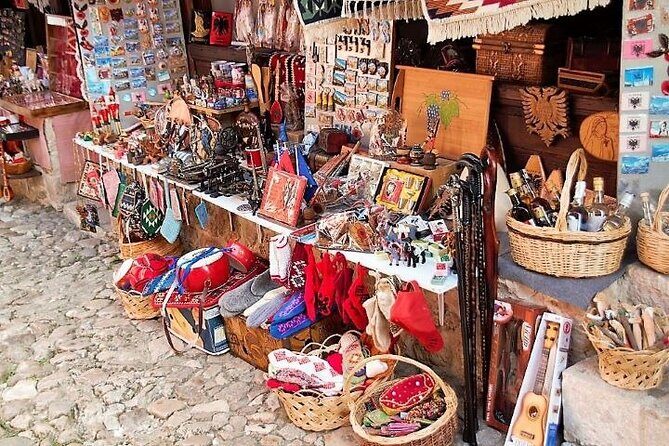
Inside the castle walls, the Gjergj Kastrioti Skanderbeg Museum sets context, and the Ethnographic Museum and Dollma Tekke add texture. The old bazaar near the entrance is where you can slow down. Crafts here are traditional and made to be taken home: embroidered goods, carpets, silver and copper items, filigree, alabaster pieces, and traditional clothing.
Then you continue toward Lezhë, stopping to connect Skanderbeg to the wider Albanian political landscape. Lezhë’s link to the League of Lezhë in 1444 is a key moment: Albanian princedoms uniting against the Ottomans. You’ll also visit the memorial tomb built over the ruins of Saint Nicholas cathedral, with shields that symbolize victories of Skanderbeg’s army.
Practical note: Krujë and Lezhë are both “walk-and-look” days. Wear shoes you don’t mind getting dusty, and keep water in your bag even if the stops are short.
Shkodër and its hand-made art: Rozafa Castle and Venetian masks
Shkodër is often where Albania gets more interesting fast, because it feels less like a single museum and more like a living borderland town. You start with Rozafa Castle, an Illyrian stronghold with the kind of broad views that make you realize how defensible this region must have been.
After the castle, there’s time in a newly renovated pedestrian area showing Italian and Austrian architectural links. It’s a reminder that Albania’s connections have never been one-track.
Then you get to one of the most memorable practical experiences on the whole trip: the Viennese mask factory near Shkodër. Venetian masks made in Shkodër are handcrafted, combining traditional techniques with contemporary decoration. Expect intricate detailing and a bright mix of feathers, gold leaf, crystals, and color. The fact that these pieces are exported worldwide gives you a neat perspective shift: this isn’t a craft souvenir—it’s a real production tradition.
If you want to buy something, do it here rather than later. You’ll have the best chance to pick based on what actually draws your eye.
Durrës to Berat: Roman drama, then “thousand windows”
The route keeps shifting eras. In Durrës, you start with the ancient port city feel and work up to a major Roman highlight: the amphitheater of Hadrian, with 15,000 seats, noted as the second biggest amphitheater in the Balkans. Even if you’ve seen large arenas elsewhere, this one hits differently because the setting is so clearly Albania—stone, air, and the scale of the remnants.
Nearby, you can see a smaller church with mosaic-covered walls, plus bath houses from the 2nd century A.D. and a Byzantine forum with marble columns from the 5th–6th century. There’s also a surviving section of the city castle wall and paths that follow older routes, so you’re walking through layers rather than just reading plaques.
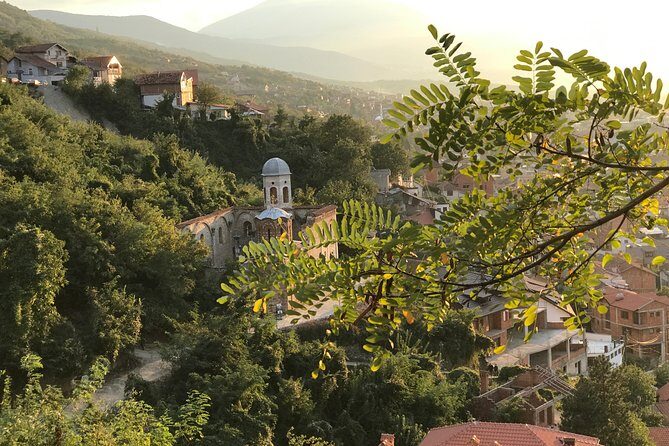
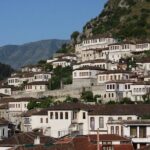
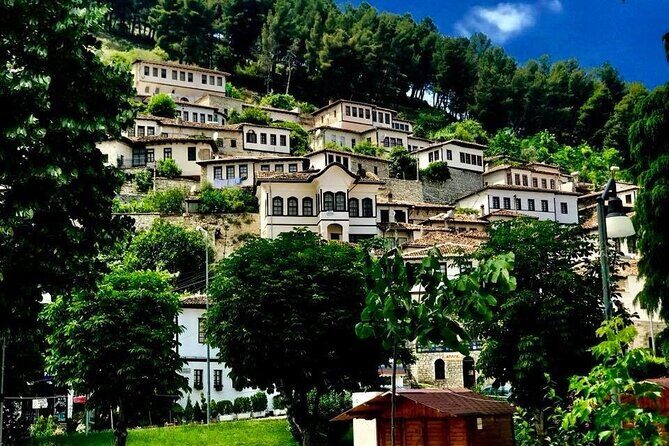
Then you shift to Berat, UNESCO since 2005 and often called the city of a thousand windows. The Berat Castle is the anchor. From up there, churches, a mosque, and the town’s structure all make sense at once. Inside the castle, residents live within the complex too, which helps you understand why Berat’s old town still feels like a home rather than a preserved set.
The Cathedral of St Maria includes an icon museum. It’s specifically known for iconography tied to Onufri and his son Nikolla, with over 100 icons on display. This is a culture stop that rewards attention to detail: you’re not just seeing religious art, you’re seeing a tradition and a local artistic lineage.
Ardenica and Apollonia: Byzantium-to-classical without the guesswork
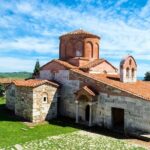
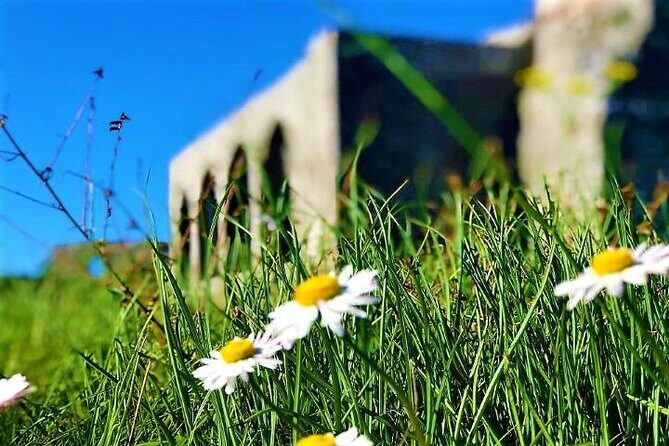
Day 4 turns the dial toward archaeology and sacred architecture. The first stop is Ardenica Monastery, built where an earlier pagan temple dedicated to Artemis reportedly existed. That blend matters: the site’s name and origin connect layers of belief, and the monastery’s story is anchored in Byzantine-era building.
You’ll also learn about Skanderbeg’s wedding to Donika in 1451, held at the Chapel of St. Trinity Church—the monastery’s first church, built in the 10th century. The St. Mary’s Church is the standout building here, made with stones coming from the antique city of Apollonia. The interior includes frescoes, so if you like color and careful painting, plan your time to slow down.
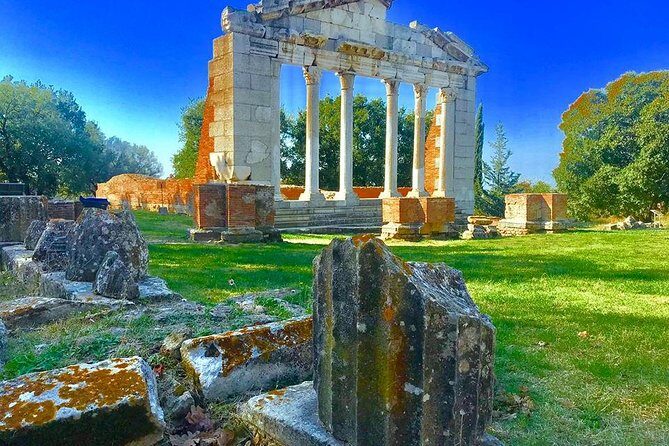
Then you head to Apollonia Archaeological Park. Apollonia was a significant Illyrian city and a Greek-influenced classic-era center. It’s described as having a strong trade and economy role, with a mix of monuments, archaeology, and surrounding scenery. The atmosphere is the point: ruins here feel like part of a bigger classical story rather than isolated walls.
Admission is included for Ardenica and Apollonia in this plan, which is a nice value detail because you’re not constantly stopping to check what’s covered and what isn’t.
Vlorë and the independence route along the Adriatic
From Apollonia you continue to Vlorë, which matters historically as the place where Albanians claimed independence from the Ottomans in 1912. The Museum of Independence helps turn dates into a human timeline, so the area doesn’t feel like a quick photo stop.
Then you visit the Zvernec Monastery, set near the water. This is one of those moments where the schedule eases up just enough to let the day breathe. Even if you’re not a monastery person, it’s a good reset between major ruins and the sea days coming next.
This part of the trip is also where I’d suggest you start thinking about what you want to do with your evenings: you’ll be in a coastal region soon, and you may want to save energy for sunset light and longer walks.
Ali Pasha Castle and Sarandë’s sea days
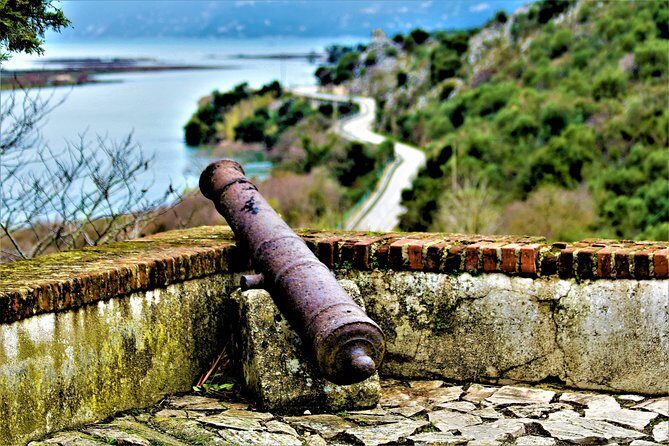
The Albanian Riviera is where Albania changes its mood. On this route you start with Ali Pasha Castle, described as the crown jewel of the Riviera. It’s built on the hill of an island, connected to shore by a narrow man-made strip. The triangular shape and three bastions at the corners give it instant visual character, and the story connects to Ali Pashë Tepelena in the early 1800s.
You’ll also learn about the church of St. Nicolas built directly across the castle. If you like history that’s visible in the layout, this stop rewards you: you can stand back and trace the geometry that made the place so defensible.
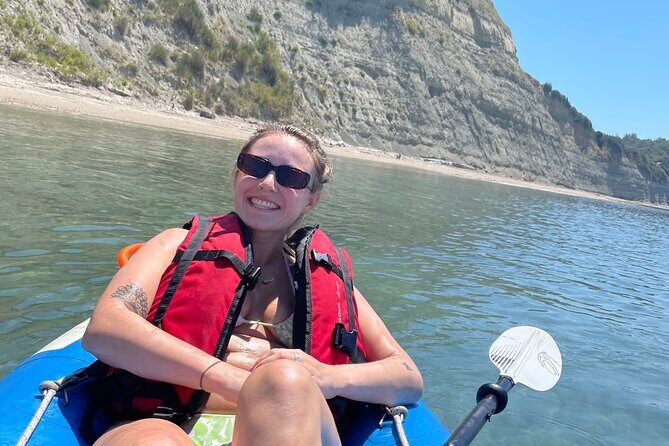
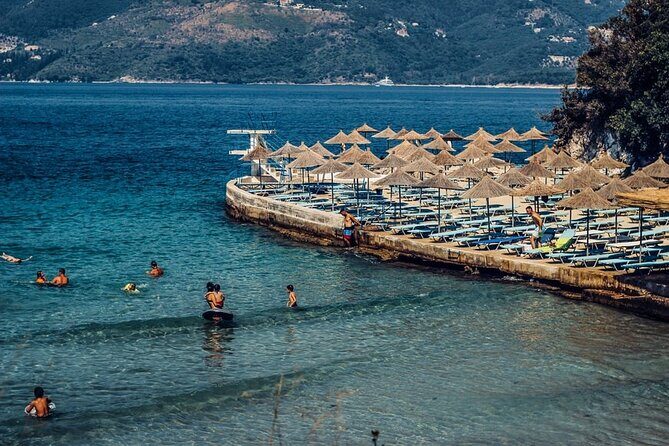
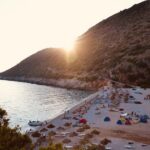
After that, you head to Borsh, where the coastline is rugged, with traditional villages tucked into isolated bays and golden beaches meeting turquoise water. This is one of the days where it helps to bring beach expectations down to earth: you’re there for the natural feel and the quiet stretches, not for a giant resort strip.
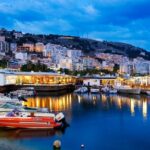
Then you arrive in Sarandë, often treated as the unofficial capital of the Riviera. You visit Pasqyra Beach, described as a bay that’s not crowded even at peak season. From there, Lekursi Castle is the hilltop viewpoint and a big-history perch from the mid-1500s.
There’s also a specific WWII-era note tied to the region: it’s said the Land of the Eagles was the only country in Europe that was a safe haven for the Jewish community from concentration camps during the Second World War. Whether you know the story already or not, it adds weight to a place that also has beaches and nightlife.
Butrint UNESCO and the Blue Eye stop: two kinds of wonder
Your UNESCO highlight day is the kind you remember later, because it has both grand ruins and a natural phenomenon in the same stretch.
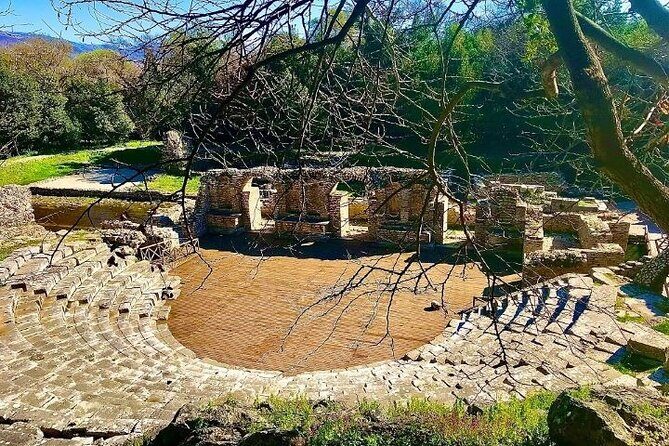
First is Butrint National Park, the first Albanian site included on UNESCO’s World Heritage list in 1992. Butrint has been inhabited since prehistoric times and became part of Greek and Roman colonial influence. The ruins show that long timeline, including references attributed to Hekateus and narratives linked to Troy. The theater is a major anchor point, and you’ll hear about extraordinary finds like the statue of Apollo and marble heads of Zeus, plus portraits and epigraphs connected to Latin and Greek history.
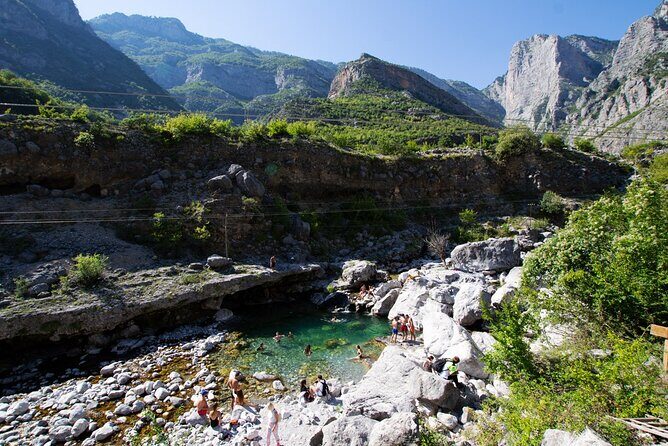
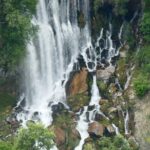
Then you drive toward the Blue Eye, Albania’s famous water spring. It’s described as a natural phenomenon where the light turquoise water stuns the eye. You see it from a small metal balcony built so visitors can get a closer look. Swimming is posted as prohibited, but people jump in anyway—so if you want to follow signs, plan on a viewing-only stop and keep your own swim impulse under control.
Both stops are included for admission on this day, which is a real value boost. You’re paying for entrances to major attractions rather than picking up multiple small costs.
Gjirokastër UNESCO: the stone city with names you’ll recognize
After Butrint and the Blue Eye, you arrive in Gjirokastër, another UNESCO World Heritage Site. The city is built on steep slopes where stone-roofed houses seem layered on top of each other. That design makes the city look theatrical, like it’s always ready for a story.
The connections to famous names are part of the draw. You’ll visit Ismail Kadare’s home and also the childhood home of Enver Hoxha, the former communist leader. If you want to understand how Albania’s politics and culture still echo through everyday life, these house stops provide a direct link.
The castle of Gjirokastër is also central and is described as one of the oldest in the Balkans. Even when you’re not reading every plaque, the scale and the position give you a sense of why rulers kept control here.
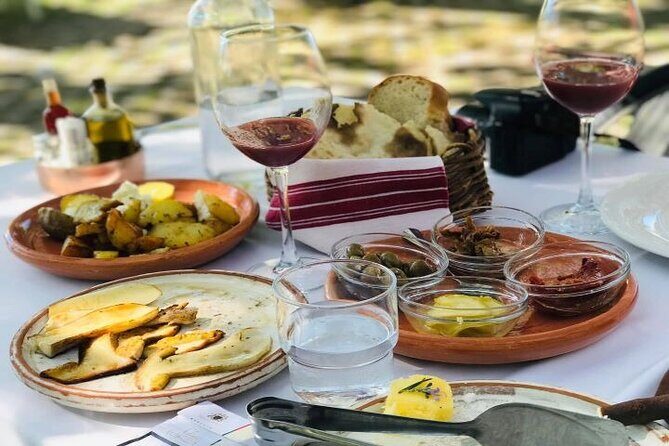
Outside the major sites, the city’s paved roads made of limestone and shale and the overall feel lead you to food stops too. You’ll have time to enjoy local cuisine and take panoramas of the surrounding mountainous areas (mostly via viewpoints and castle edges).
Tirana’s pie stop, then a final free afternoon
The last full day keeps things light. You travel back to Tirana, with a planned stop at an Albanian fast-food concept called pie. It’s described as a local take on the fast-food idea, with the key practical detail that you can grab one for 50 lek or about 35 cents. It’s an easy, low-pressure lunch break that also gives you a taste of everyday Albanian food rhythm.
After that, you get a free afternoon in Tirana—time to do what you missed earlier or just enjoy being back in one place without moving hotels.
Your final day is straightforward: breakfast, then transfer to the airport for your end of service.
Price and logistics: what $2,195.63 really covers
At $2,195.63 per person for about eight days, you’re paying for a well-fed version of travel: 7 nights of accommodation, breakfast included, and an air-conditioned vehicle plus driver/guide throughout the route. You’re also getting a private group format, which generally means you don’t have to wait on strangers or negotiate your pace with other families.
What’s not included: lunches and dinners, plus all fees and taxes. Now, here’s the nuance. Many stops list admission ticket free, and several key entrances are marked as included (like Ardenica, Apollonia, Butrint, Blue Eye, Ali Pasha Castle). So your real cost depends on which stops your group chooses to treat as must-sees beyond what’s already handled.
For budgeting, I’d plan on meals as the main extra expense, plus any personal snacks, drinks, or purchases like crafts and masks. And because this is a full-route plan, you’ll also spend money the normal way on water, sunscreen, and souvenirs—things that add up on long travel days.
Who this tour fits best (and who should tweak it)
This is a strong fit if:
- you want a guided first visit to Albania with historical context
- you like UNESCO stops but also want smaller anchors like craft experiences
- you prefer A/C comfort and fewer planning decisions
- you’re traveling with a group that benefits from a private pace
You might want to choose another style or be extra realistic if:
- you dislike packed days and lots of walking
- you want full freedom to change the route daily
- you’re hoping all meals and every single admission fee are bundled (they aren’t)
Should you book this Albania experience?
I’d book it if your priority is “see the best of Albania with someone doing the hard work.” The UNESCO trio plus Tirana’s orientation gives you structure, and the route keeps shifting between history, crafts, and sea time in a way that makes the country feel like more than postcards.
One more practical reason to feel confident: the plan is built around a private guide and A/C transfers. That matters when Albania’s roads mean you’ll feel the distance—here, you feel the scenery more than the fatigue.
If you want Albania with less guesswork and strong highlights, this tour is a very reasonable way to do it.
FAQ
Where does the tour start, and what time?
The start is at Rinas Airport in Tirana, Albania, with a meeting time of 8:30 am.
How long is the tour?
The trip runs for about 8 days.
Is this a private tour?
Yes. It’s a private tour/activity, meaning only your group participates.
What’s included in the price?
Included are 7 nights of accommodation, an air-conditioned vehicle, a driver/guide, and breakfast (noted as optional, for 7 days).
Are any admission fees included?
Some admission tickets are marked included for specific stops, while many others are marked free. Lunches/dinners and all fees and taxes are listed as not included.
What’s not included besides meals?
The tour explicitly lists lunches/dinners as not included, and also says all fees and taxes are not included.