REVIEW · TIRANA
Semi-Private Tour of The Balkans from Tirana to Dubrovnik / Split
Book on Viator →Operated by Choose Balkans · Bookable on Viator
Eight days across five countries, from coffee to bridges. This semi-private route is built around local food in Albania and UNESCO-listed old towns and monuments, with time to actually walk them instead of just filming them from a bus. You’ll move from Tirana’s bazaars to the famous Stari Most bridge in Mostar, then on to Kotor and Sarajevo.
What I like most is the way the day-to-day plan keeps turning toward people and daily life. Tirana’s market mornings, coffee culture, and that stop at Bunk’Art 2 give you context before you start chasing castles and churches. And across the borders, the tour mixes major sights with smaller, memorable stops like Blagaj tekija by the spring waters.
One caution: this is a road trip. Even with a private vehicle, you’ll spend plenty of time in transit, and meals beyond breakfast are on your own.
In This Review
- Key highlights (what makes this tour work)
- Starting in Tirana: byrek, bazaars, and Bunk’Art 2
- Kruja’s medieval lanes and Prizren’s mosque-and-views day
- Kosovo essentials: Gjakova’s bazaar and Decan’s living monastery
- Slow food near Mrizi i Zanave and Shkodra’s Venetian-flavored streets
- Sveti Stefan, Budva’s old town, and Kotor’s maze of stone
- Mostar’s Stari Most and Blagaj’s spring-water tekija
- Sarajevo: bullet marks, Ottoman-Austrian contrast, and Latin Bridge
- Dubrovnik-or-Split arrival: the last border run
- Price and logistics: does $2,754.29 per person make sense?
- Who this tour fits best (and who should look elsewhere)
- Practical tips for this 8-day road trip
- Should you book this Tirana to Dubrovnik/Split tour?
- FAQ
- Where does the tour start, and when?
- How long is the experience?
- What’s included with the hotels?
- Do you get private transport?
- Are entry tickets included?
- Are meals like lunch and dinner included?
- Where do you end the tour?
- Is the group size limited?
- Do you have to tip?
- What happens if I cancel?
Key highlights (what makes this tour work)
- Small group size (max 10) for a more personal pace
- Tirana food route with byrek, qofte, raki, and Albanian coffee
- UNESCO concentration across Montenegro, Bosnia and Herzegovina, and Croatia-bound days
- Fortresses and bridges where you can see the region’s strategy and trade routes
- Included breakfast and key entry tickets so you don’t pay for everything along the way
- Packed days that favor history-and-walking types over pure beach time
Starting in Tirana: byrek, bazaars, and Bunk’Art 2
Day one is how you set your “Balkans mode” fast. You meet in Tirana around 9:00 am and then spend the day with a local companion focused on food, streets, and neighborhood corners you’d miss on your own. Even if you only skim one city properly, this is a good one to start.
You begin at Tregu Çam, a local stop where you can try byrek and eat breakfast the way people do locally. Then comes the Çam bazaar, tied to the Albanian Çam community, with goods ranging from clothing to kitchen equipment. It’s the kind of place where bargaining is part of the rhythm, so you’re not just shopping—you’re practicing the social side of travel.
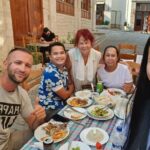
From there, Tirana keeps leaning toward taste. There’s a dessert stop at an authentic pastry, followed by time in alleyways and street markets selling everyday produce. The coffee culture piece is more useful than it sounds: you learn what “Albanian coffee” means in practice and you sit with locals in a café instead of treating caffeine like a quick photo moment.
The day also mixes in older, heavier context at Bunk’Art 2. This nuclear bunker—built for the communist leadership during the Cold War—was hidden from the public and only opened as a museum in 2014. If you care about how political power shapes cities, you’ll appreciate the way the tour turns a bunker into a human story.
Practical note: after a full day of walking and samples, you’ll want to eat lightly your last night in Tirana. Your next morning starts early with a drive to Kruja.
You can also read our reviews of more private tours in Tirana
Kruja’s medieval lanes and Prizren’s mosque-and-views day
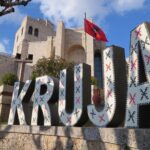
The second day flips from Tirana’s urban energy to Kruja, a symbol of Albanian resistance against Ottoman expansion in the 15th century. The town sits about 560 meters above sea level on rocky terrain, which means your pictures and your footing matter. You’ll also get a sense of why fortifications here were hard to attack.
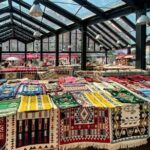
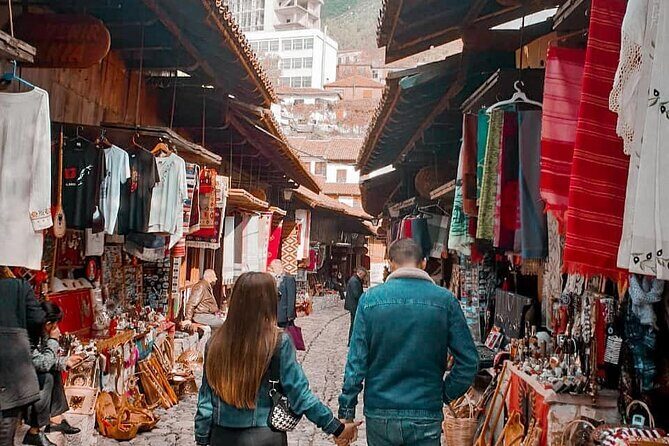
In the Kruja Medieval Old Bazaar, wooden houses and narrow streets lead you through one of the older bazaars in the Balkans. This is the shopping stop that actually feels connected to place, not like a souvenir aisle. You can look for handmade carpets, jewelry, and smaller crafts.
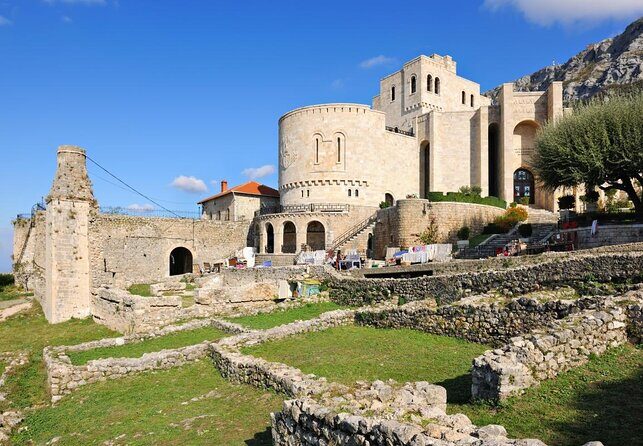
Then it’s up to Kruja Castle, perched on a hill. The tour emphasizes the castle’s defensive logic and even points out hidden paths locals used during periods of siege. That detail helps you “read” the site instead of just touring it.
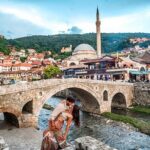
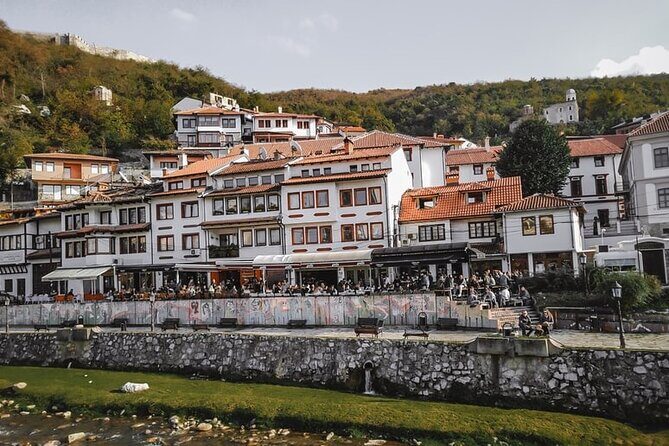
Crossing into Kosovo, you reach Prizren, often described as a cultural capital because it sits where civilizations overlapped. Expect a mix of architectural influence and a river cutting through the old town under bridges that crisscross the area. If you’re traveling in August, the timing can matter because Prizren hosts Dokufest, a short-film festival that brings international visitors into the medieval streets.
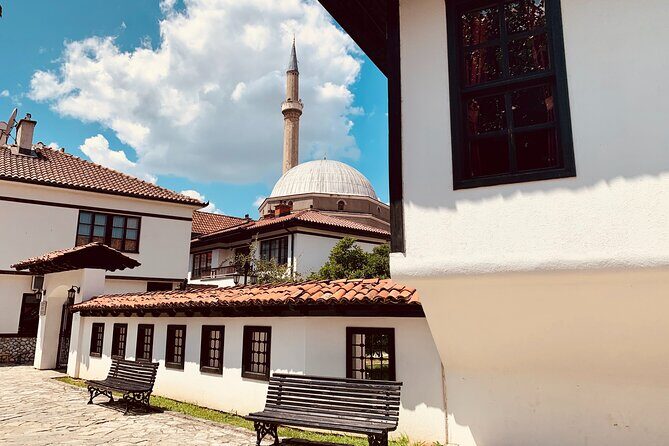
The Sinan Pasha Mosque stop is short but colorful in a practical way. You’re not just seeing a pretty building—you’re looking for the arabesque patterns and the way Ottoman design shaped religious spaces here. Then you end with Kalaja Fortress, where the panorama over Prizren gives your feet a break but still rewards you with orientation.
A good question to ask your tour leader here: where would people have watched and moved through the town historically? In this kind of setting, your guide’s local context turns views into understanding.
Kosovo essentials: Gjakova’s bazaar and Decan’s living monastery
Day three is about Kosovo beyond the headline. You start with Gjakova, known for having the oldest and largest bazaar in the country. The bazaar was destroyed during wars, then rebuilt again to its earlier state. That one fact changes how you experience it: you’re not just browsing stalls, you’re witnessing resilience in materials, repairs, and daily commerce.
You can take this time to eat or snack and browse traditional crafts sold by local artisans. Since this day is built around heritage sites, it’s also a nice pace change from the constant castle-and-bridge feel of the Balkan road trip.
Next comes Decan Monastery, notable for its white look and for the fact that Orthodox monks still live there and prepare organic foods like cheeses. It’s also recognized by UNESCO since 2004, largely because of its frescoes. The fresco focus matters because it ties art to everyday life in the 14th century, not just to famous religious scenes.
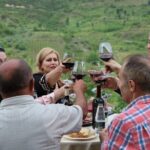
Then you drive toward Rahovec Valley, described as the capital of viticulture in the Prizren area. If you only think of the Balkans as castles and churches, this is the day that reminds you about agriculture and tradition. The vineyards are set on softer hills between 350 and 520 meters in altitude, and the tour notes that grape cultivation here goes back roughly 2,000 years to Illyrian times. In September, there’s a wine festival, which gives you a sense of how seasonal events shape local identity.
On this day, your best travel move is simple: carry water and plan for breaks. The sightseeing is spaced through the day, but you’ll still want steady energy for walking on uneven ground at monasteries and in old-town areas.
Slow food near Mrizi i Zanave and Shkodra’s Venetian-flavored streets
Day four is one of my favorites because it slows down on purpose. You visit Mrizi i Zanave – Restorant Agroturizëm, a slow-food agro-tourism farm. The tour includes a walk-through of the property and explains how the farm created jobs for more than 400 people in the surrounding area. That detail makes the stop feel like more than a meal stop.
You also learn how they handle regional bio products: collecting, processing, and preserving. There’s a good practical angle to the story too—old communist buildings were adapted as storage for local-made bio products. It’s a reminder that the Balkans aren’t stuck in museum mode; people are still using old infrastructure for new livelihoods.
You’ll have free time for a traditional lunch or to buy fresh produce from the farm. Even though lunch isn’t included in the package, the stop is still valuable because it’s structured and local, not a random roadside restaurant.
In the afternoon, you drive to Shkodra (Shkodër), a historic city tied to Lake Shkodra, the biggest lake in the Balkans. The tour notes that the oldest wall of the Shkodra castle dates to the 1st millennium BCE, and it cites Livy’s reference to the town as the capital of the Illyrian king Gent. That kind of detail is useful because it turns ruins into timeline instead of scattered stones.
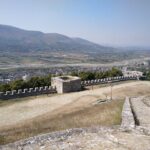
At Rozafa Castle, you get tremendous scenery—lake views plus the dramatic idea of three rivers meeting and flowing toward the Adriatic. The focus here is viewpoint and geography: knowing where water and land meet explains why power was fought over.
Back in Shkodra, you’ll get the city’s Venetian influence. And if your timing happens to align with February, there’s a carnival festival mentioned, with Venetian masks said to be handmade locally. Even without the festival, it’s a strong stop for architecture and for understanding the trading history of a border-facing city.
Sveti Stefan, Budva’s old town, and Kotor’s maze of stone
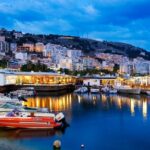
Day five turns to the coast, and it’s balanced: you get postcard views plus serious walking in UNESCO streets. Before reaching Budva, you stop at a viewpoint near Sveti Stefan, a historic fishing town once set on a small island. These days, the island is an exclusive resort and not accessible to visitors, but you can still get the iconic sight from the coast.
Then you move to Budva, split into older and newer sections. The tour spends time in Old Budva, focusing on the historical center and landmarks like St. Ivan church and the small church of St. Mary. This matters because Budva can feel beach-only if you’re not careful. The tour steers you toward the older stone and the layered streets.
Next is Kotor, a UNESCO site with a classic “maze” of cobblestones and narrow lanes. The tour emphasizes the defensive intent of the streets—confusing intruders who came to plunder. That’s one of those details that makes your walk feel smarter. You’re not just wandering; you’re tracing why city designers built for control.
You also visit Saint Luke’s church, described as significant for locals as a symbol of unity. Short church stops can feel quick and forgettable, but here it’s tied directly to how the community sees itself.
If you’re the kind of traveler who likes sun and swims, you’ll likely feel tempted to do extra beach time. Just remember that this tour gives you the history-and-streets portion. If you add long beach stretches, you may compress your walking days even more.
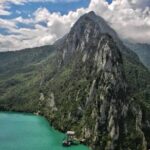
Mostar’s Stari Most and Blagaj’s spring-water tekija
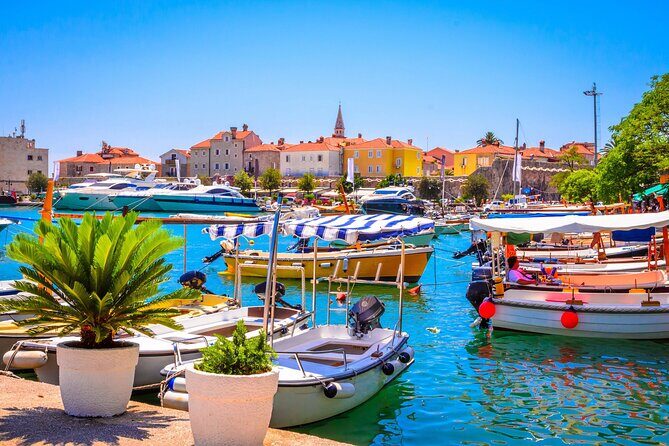
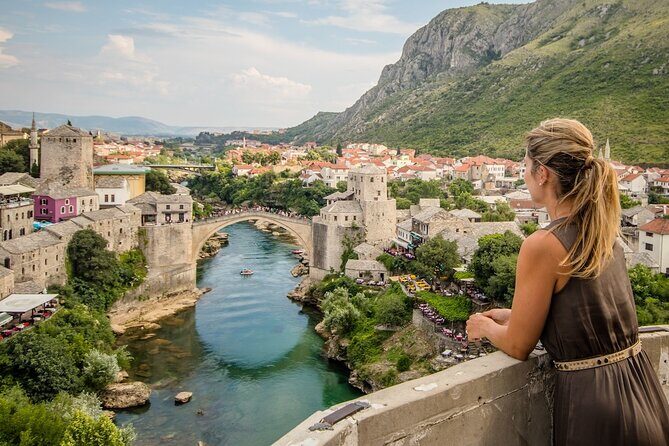
Day six is the day that makes many people book this route. You cross into Bosnia and Herzegovina and head to Mostar, starting with the iconic Old Bridge, also known as Stari Most. It’s listed as UNESCO and built in the 16th century with Islamic architectural style. The bridge isn’t just a landmark here; it’s an engineering statement and a trade connector. When you see it in context, the “why” becomes obvious.
In the Old Bridge area, you spend time in the Old Bazaar. You’ll see colorful streets, old mosques, Turkish bazaars, and cobbled alleys. The tour also points out stones around town marked with reminders like the Don’t Forget memorial language, linking the beauty of place to the memory of conflict.
Then you drive to Blagaj tekija, a monastery outside Mostar at the foot of a cliff, with blue waters in front. The tour highlights the spring of the Buna underneath the setting. This stop works because it’s a reset between heavy historical sites. It’s a change of pace: fewer crowds, more water, and a sense of calm.
Back in Mostar, you have time to explore on your own in the afternoon. Even with limited time, this is enough to grab coffee, check out side streets, and get your bearings after the bridge and bazaar.
Sarajevo: bullet marks, Ottoman-Austrian contrast, and Latin Bridge
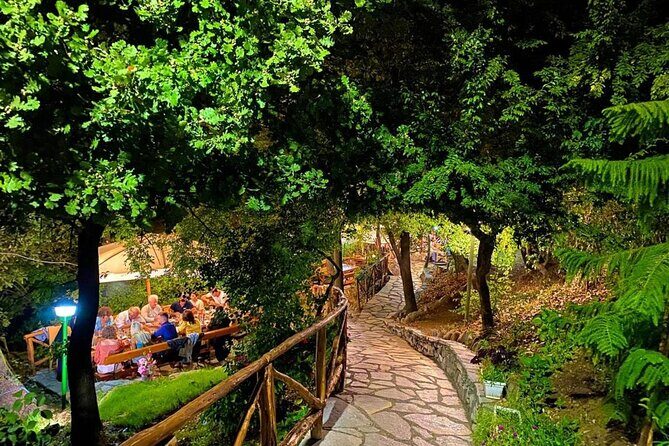
Day seven is Sarajevo, and it’s not a light topic. The tour includes walking on uneven terrain and visits ruins where reminders of the Yugoslav War still appear, including bullet holes and cannon marks. It’s the kind of reality-check that can feel heavy, but it also grounds Sarajevo’s famous mix of cultures in real history.
The route covers Sarajevo’s origins and the medieval Bosnian Kingdom, then shifts into Ottoman and Austria-Hungarian quarters. Markets, bazaars, mosques, churches, and synagogues show up in the plan, reflecting a city that many people describe as a European crossroads. The tour gives the idea without turning it into a lecture.
Then you stop at the Latin Bridge, with a specific explanation of how World War I was triggered there. The bridge name connects to the Catholic quarter, informally called Latinluk in Ottoman times. Even if you’ve read that bit of history before, seeing the setting helps you remember it without just memorizing dates.
You end with free time in the old town to eat and take a breather. Sarajevo is noted for meat dishes and desserts, so you’ll find plenty to match your appetite, but lunch and dinner are not included—plan for that.
Dubrovnik-or-Split arrival: the last border run
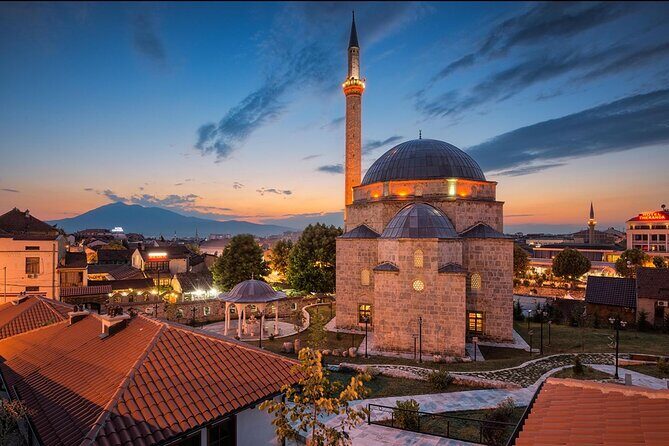
Day eight is a finish line. The tour heads to the Croatian border, then your local driver shuttles you to your hotel in Dubrovnik or Split. The idea is simple: you’re leaving the Balkans road trip portion behind and transitioning into your final coastal base.
This end choice matters for your planning. Dubrovnik tends to feel more enclosed and medieval; Split can be more practical for a wider range of day trips. If you’re deciding between them later, think about what you want your last days to feel like: historic walls and skyline views versus a busier city center.
Price and logistics: does $2,754.29 per person make sense?
At $2,754.29 per person for an 8-day trip, this is not a budget coach tour. So the question is value: what are you buying?
You’re buying a lot of movement across borders in a short time, plus an included structure that covers:
- Private transport and road logistics
- A professional tour leader
- Hotel pickup in Tirana and hotel drop-off in Dubrovnik or Split
- Breakfast included for 7 days
- Entry tickets for the sites included in the program
- Tourist taxes and insurance/road costs
It also helps that the group is kept to maximum 10 travelers, which is how “semi-private” usually stays realistic. With a small group and a set leader, you waste less time figuring out logistics and more time getting oriented where it counts.
The big trade-off is that lunch and dinner aren’t included. You’ll need to budget for meals along the way, and the quality will depend on how you use your free time. If you prefer a full-board package where every meal is planned, this might feel incomplete.
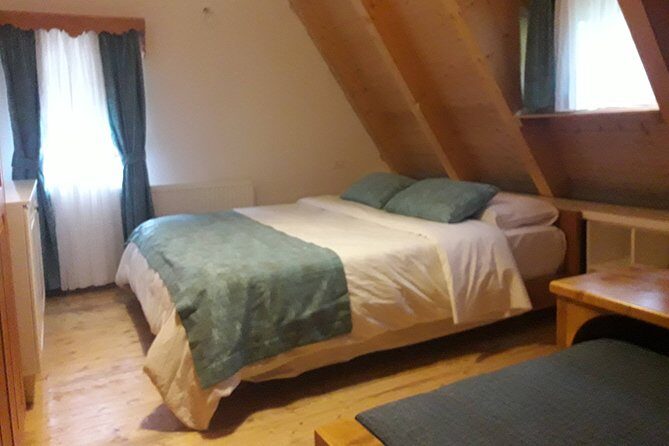
Also check your room type expectations. Pricing is calculated based on double/twin/triple/quad occupancy in 3-star hotels. If you travel solo and need a single supplement, the final number may change (the listing doesn’t show that amount here).
Finally, remember that schedules can shift due to weather, site closures, or other external forces. For a road trip, that’s normal. The included plan is solid, but you should still keep a flexible mindset.
Who this tour fits best (and who should look elsewhere)
This tour is a good match if you want:
- UNESCO sites and street-level walking, not just viewpoints
- A food-focused first day in Tirana with coffee culture and market time
- A route that touches Albania, Kosovo, Montenegro, Bosnia and Herzegovina, and Croatia in one go
- A small-group feel with a guide people have praised by name, including Besa and Sirma
You might want another option if:
- You’re chasing a mostly relaxed vacation with long beach days
- You dislike uneven walking surfaces and old cobblestone streets
- You expect every meal to be included and planned
Practical tips for this 8-day road trip
- Wear shoes you trust. Several stops are described with cobblestones, narrow streets, and uneven terrain.
- Carry a light day bag. You’ll have long sightseeing blocks plus short free times where you’ll want water and layers.
- Budget for drinks and sit-down meals. Breakfast is included, but lunch/dinner are not.
- Bring a flexible attitude. Border days and weather can affect timing, and the itinerary itself notes schedule adjustments are possible.
- If your guide is Besa or Sirma, ask them for one practical local tip per day. The tour experience gets better when you learn how people actually live—not just what to photograph.
Should you book this Tirana to Dubrovnik/Split tour?
If you want one of the more well-structured “Balkans hits” routes—where food, fortresses, UNESCO old towns, and border-crossing context all fit into a single plan—this tour is a strong choice. The small group size, included breakfasts, and included entry tickets reduce a lot of stress.
I’d book it if your priority is seeing the region’s layers: Ottoman influence, medieval strongholds, war-era reminders in Sarajevo, and the bridge-and-bazaar atmosphere of Mostar and Kotor. It’s not a slow, single-city vacation. But for people who like history plus real street life, it’s a smart way to cover a lot without getting lost in the logistics.
FAQ
Where does the tour start, and when?
The tour starts in Tirana, Albania, with a start time of 9:00 am. Hotel pickup in Tirana is included.
How long is the experience?
The tour is listed as 8 days (approx.).
What’s included with the hotels?
Accommodation and breakfast are included for all overnights in 3-star hotels. Breakfast is included for 7 days.
Do you get private transport?
Yes. Private transport is provided by the company.
Are entry tickets included?
Entry tickets are included for the sites that will be visited, and tourist taxes are also included.
Are meals like lunch and dinner included?
No. Lunches, dinners, drinks, and snacks are not included.
Where do you end the tour?
The tour ends in a different location: either Dubrovnik or Split, with hotel drop-off provided in the end city.
Is the group size limited?
Yes. The tour has a maximum of 10 travelers.
Do you have to tip?
Tips are not a must in Albania or the Balkans, but the tour recommends tipping the tour leader/driver as an international practice for good service.
What happens if I cancel?
The experience is non-refundable and cannot be changed for any reason. If you cancel or ask for an amendment, the amount paid will not be refunded.