REVIEW · TIRANA
Shkodra ,Shengjin Including swimming in Adriatic Sea :Tirana
Book on Viator →Operated by Guidealbania · Bookable on Viator
Shkodra in one day? It can work. This Tirana day trip threads together Albania’s north (Shkodra’s churches, mosques, and castle views) and then lands you on the Adriatic at Shengjin, with time for a swim. It’s interesting because you’re not just ticking landmarks off a list—you’re moving through real neighborhoods, old walls, and seaside light.
I really like two things: you get a tight, story-led day with a small group (max 15), and the tour includes a smart mix of free sites plus paid ones only where they matter—Rozafa Castle and the Marubi photography museum. I also appreciate that pickup and drop-off make the day simpler, especially if you’re solo.
One drawback to plan for: it’s a long day (about 10–12 hours), so if you want a slow pace or lots of beach time, you’ll feel the time pressure. Also, the castle and museum aren’t included, so bring a little extra for admissions.
In This Review
- Key highlights worth showing up for
- How Tirana-to-Shkodra travel really feels on a day trip
- Shkodra’s streets: where history shows up in everyday places
- Franciscan Catholic Church in Shkodra: a calm stop with real cultural weight
- Ebu Bekr Mosque (Lead Mosque): Ottoman style and religious tolerance in practice
- Rozafa Castle: the hilltop payoff (and the one ticket you’ll likely pay)
- Marubi National Museum of Photography: history you can zoom in on
- Pedonalja: the smart buffer between monuments and sea air
- Shengjin Beach and the Adriatic swim: sand, sea, and time to cool off
- Guides matter: punctual pickup, flexibility, and stories that land
- Price and value: what you get for $84.11 in a 10–12 hour day
- Who this Shkodra and Shengjin day trip is best for
- Should you book this Shkodra and Shengjin tour?
- FAQ
- How long is the Shkodra and Shengjin day trip?
- Do you get pickup in Tirana?
- What is the group size?
- What stops are included besides Shkodra?
- Is Adriatic swimming included?
- Are tickets included for Rozafa Castle and the Marubi Museum?
- Do I receive a ticket on my phone?
- What is the cancellation policy?
Key highlights worth showing up for
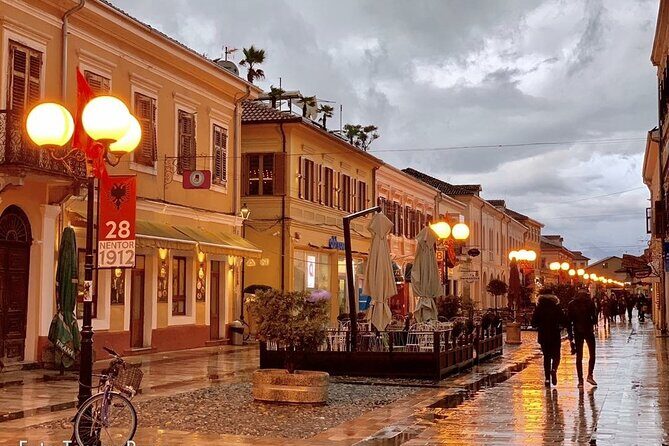
- Shkodra’s hilltop views from Rozafa Castle, overlooking the lake and the rivers below
- Two major faith sites in the same city day: the Franciscan Catholic Church and Ebu Bekr Mosque
- Marubi National Museum of Photography, with a huge collection tied to Albania’s early photography era
- Shengjin Beach time plus a swim in the Adriatic, not just a stop for photos
- Small group size (up to 15), which keeps things human and flexible
- Guides who adapt when weather turns—rain doesn’t automatically ruin the day
How Tirana-to-Shkodra travel really feels on a day trip
This is a one-day north Albania outing, so your comfort depends on two things: the drive schedule and how well the guide keeps the timing in check. The experience is designed around a full day—starting from Tirana and returning the same day—so you’ll likely spend a lot of the morning and early afternoon on the move.
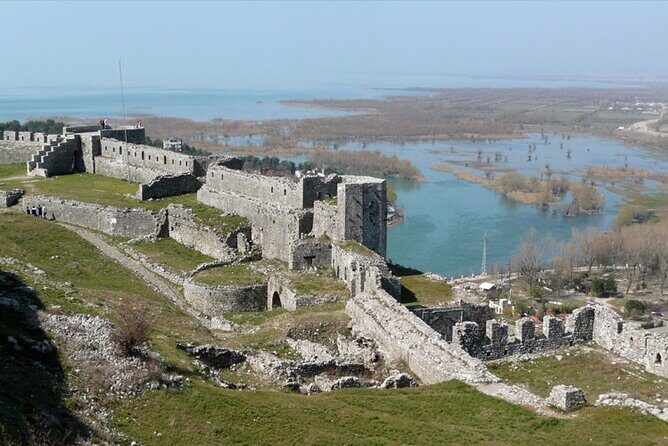
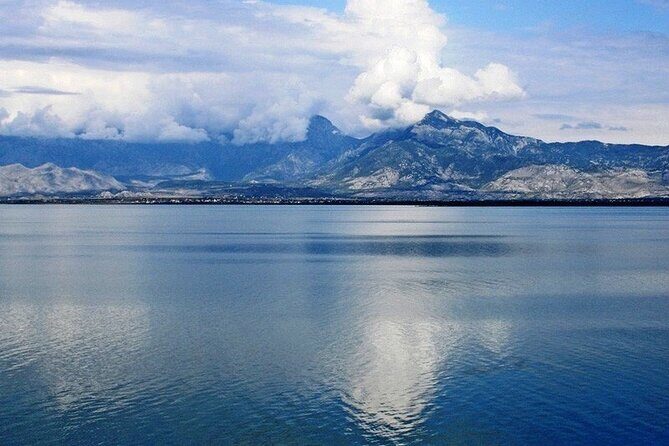
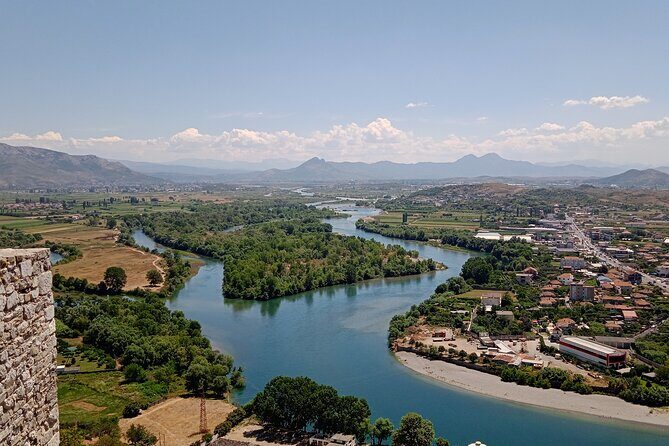
The best part of the drive is what you’re escaping: once you’re out of Tirana’s traffic rhythm, the scenery starts doing work for you. Shkodra sits in a dramatic spot between the lake, rivers (Buna and Drin), and the Albanian Alps, so even when you’re traveling, you’re still watching the geography.
Timing notes you should actually care about: the tour runs 10 to 12 hours, and one commonly reported schedule left Tirana at 8:30am and returned by 6pm. That’s not a “quick in and out” tour. It’s a full-day plan, and you’ll enjoy it more if you go in with that mindset.
You can also read our reviews of more tours and experiences in Tirana.
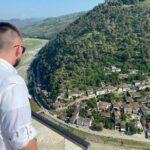

Shkodra’s streets: where history shows up in everyday places
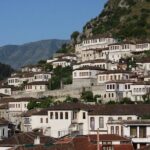
Shkodra (also spelled Shkodër) is one of Albania’s oldest cities, and it shows. Over the centuries it’s been shaped by Illyrians, Romans, Byzantines, and Ottomans, so the architecture and traditions don’t feel cookie-cutter. You’re walking in a place with layers—and the city’s position near Shkodra Lake and the river valleys makes the views part of the experience.
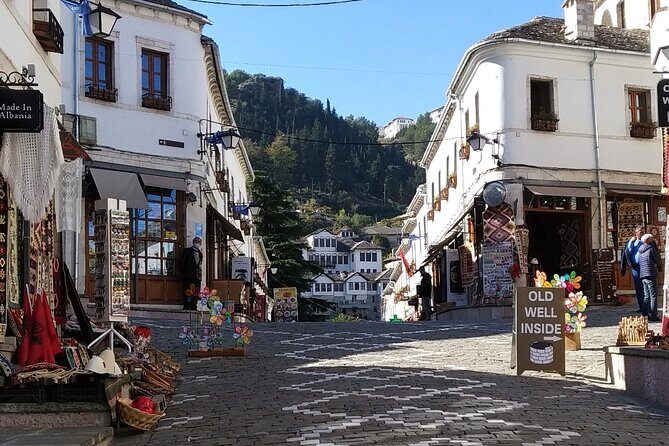
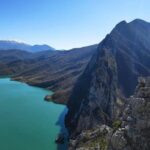
I like that the day includes both “big sights” and time on the main pedestrian boulevard (Pedonalja). Pedonalja is where you can slow down, grab coffee, and see the city’s everyday energy: shops, people-watching, and historic building facades side-by-side with newer life.
If you’re the type who gets restless when a tour feels like a bus parade, Pedonalja is a smart break. It gives your brain a landing pad between castle walls and museum rooms.
Franciscan Catholic Church in Shkodra: a calm stop with real cultural weight
The Franciscan Catholic Church in Shkodra is one of the day’s more peaceful moments. The church’s roots go back to the 19th century, and it was later expanded and restored. The Franciscan order in Shkodra played a major role in education and Albanian language and literature, especially during Ottoman rule, when preserving identity required steady effort.
Architecturally, it’s known for Neo-Gothic details—a grand façade, arched windows, and an interior with enough character that you’ll want to look up now and then. The atmosphere matters too. This isn’t a frantic photo stop. It’s a place to slow down for a bit of reflection.
Practical tip: since the tour keeps moving, use this stop to reset your legs and your thoughts. Even a 30-minute pause can make the next hilltop view feel extra earned.
Ebu Bekr Mosque (Lead Mosque): Ottoman style and religious tolerance in practice
Then you’ll step into a totally different rhythm at Ebu Bekr Mosque, also called the Lead Mosque. It was built in the 18th century and reconstructed later, and it’s one of Shkodra’s main mosques. The standout here is the Ottoman-style architecture—clean white exterior lines and a calm interior you can feel in your breathing.
This is also where the tour’s theme of religious harmony becomes more than a slogan. Albania is known for a tradition of coexisting faiths, and Shkodra’s mix of churches and mosques makes that idea visible without turning it into a lecture.
What you need to be respectful: the mosque visit includes the reminder to follow dress code rules. If you’re traveling light, wear something that lets you cover easily.
This stop is free, which is nice, but the bigger value is the perspective shift: you’re seeing a city that doesn’t separate its spiritual landmarks into “tourist zones.” They sit inside daily life.
Rozafa Castle: the hilltop payoff (and the one ticket you’ll likely pay)
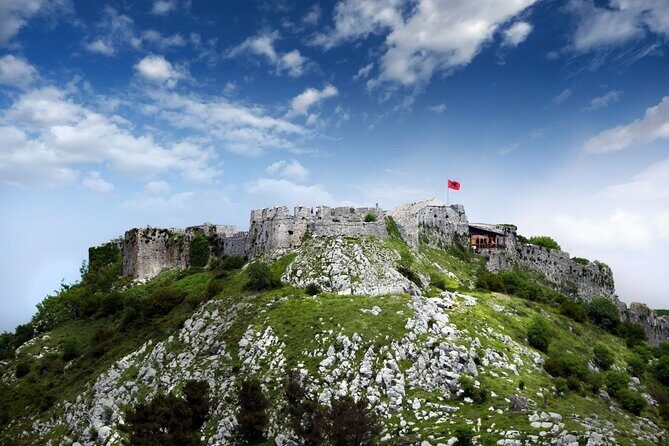
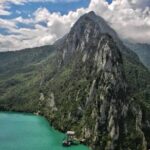
If you only remember one moment from Shkodra, make it Rozafa Castle. It sits on a hill overlooking Shkodra Lake, plus the Drin and Buna rivers—exactly the kind of geography that turns into a view you’ll keep scanning for after the tour ends.
Rozafa is legendary, with roots in Illyrian times, and it carries influences from Roman, Byzantine, and Ottoman periods. The tour experience here is part walking, part looking, part listening to the guide’s storytelling about the fortress and the famous Rozafa legend.
The payoff is practical: the views are wide, and you can see how the city’s layout connects to the water and surrounding mountains. It makes Shkodra feel like a place you could stay for a week, not just pass through.
Two important reality checks:
- Rozafa Castle admission isn’t included, so plan a little cash or card time.
- You’ll want comfortable shoes. Even with a short time slot, the walking is on uneven castle ground.
Marubi National Museum of Photography: history you can zoom in on
Next up is the Marubi National Museum of Photography, and this stop is a standout for anyone who likes history that’s not behind glass-only captions.
The museum is built around Albania’s first photographic legacy, tied to Pietro Marubi in the 19th century. It holds over 500,000 photographs, documenting Albania’s history, traditions, and people from the 1850s onward.
What makes this museum work on a day trip is that it’s not just about “old pictures.” You’re looking at identity through an early technology—black-and-white portraits, rare historical moments, and a sense of how photography itself changed what could be preserved.
Admission isn’t included here, so again, budget for it. But if you’re deciding between castle photos and museum attention, I’d say this is the better “thinking stop.” It adds context to what you saw outside.
Pedonalja: the smart buffer between monuments and sea air
After castle and museum brainwork, Pedonalja is your breather. This pedestrian boulevard is Shkodra’s main promenade, lined with cafés, boutiques, and historic buildings. It’s a simple part of the day that still matters, because it gives you control.
You can stroll. You can grab an espresso. You can people-watch without rushing. And because the tour also has a beach stop later, this is a chance to recharge before the salt-and-sun shift.
If your energy dips, don’t fight it. This is the moment to slow down and let your feet recover just a bit.
Shengjin Beach and the Adriatic swim: sand, sea, and time to cool off
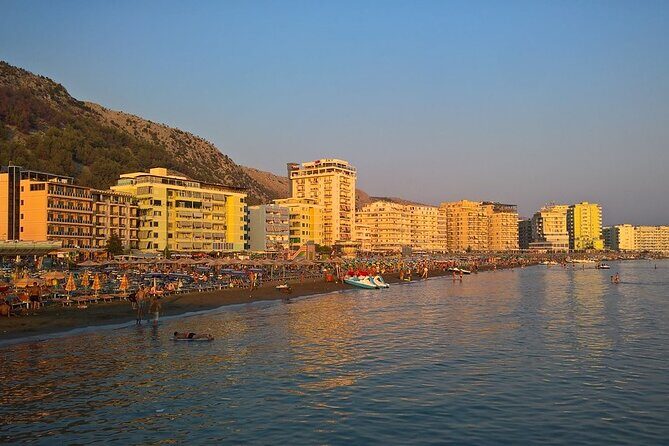
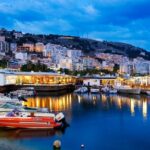
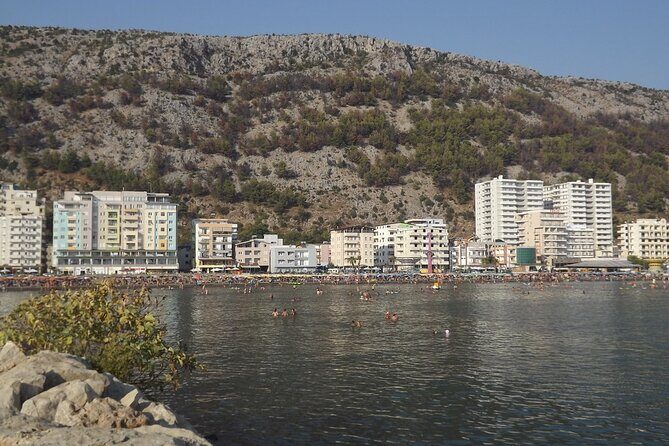
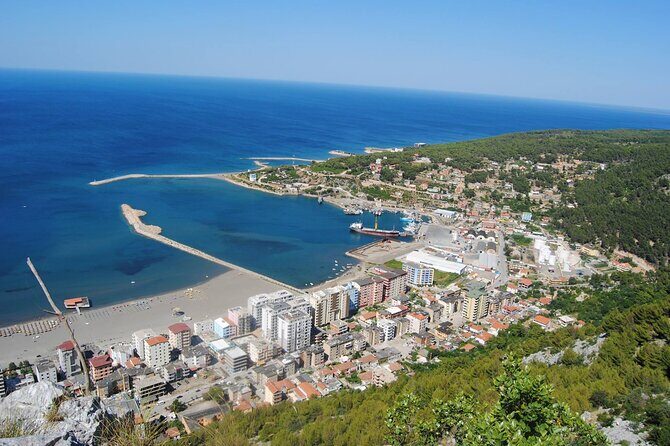
Then the day pivots to the coast. Shengjin Beach is your Adriatic reward: golden sand and clear water, with enough time to actually feel like you’re at the seaside and not just near it.
There’s also mention of Rana e Hedhun, the thrown sand dunes—rolling sand that meets the sea. It’s the kind of landscape feature that changes the mood instantly, from city-history vibes to something quiet and natural.
One more reason this stop earns its place: the tour includes time for swimming in the Adriatic Sea. On a long day, that kind of reset is priceless. It’s hard to think straight after water, sun, and a few minutes of doing nothing.
If you have extra time, there’s an optional stop for Lezha Castle, which overlooks Lezha with historical significance. This isn’t guaranteed for every schedule, so treat it as a bonus if you hear the timing works.
Guides matter: punctual pickup, flexibility, and stories that land
The difference between a so-so day trip and a great one is often the guide. In this tour, guides have a reputation for being on time with pickup and for making the day feel personal—even in a group setting.
Names you might meet include Adi, Idrit, Skerdi, and Ardi. Across their styles, there’s a pattern: clear communication before you go, then a friendly, capable approach during the day.
One detail I really respect: guides have handled weather changes without turning it into a blame game. In rainy conditions around Shkodra, Adi reportedly adjusted the plan and even arranged a comforting local meal moment—carp by the lake—so the day stayed warm and enjoyable instead of just inconvenient.
So when you book, don’t expect a rigid script. You’re signing up for a guided day that can flex, like if you want a bit more time at the castle or you’re ready to head to the beach sooner.
Price and value: what you get for $84.11 in a 10–12 hour day
At $84.11 per person, this tour prices itself as a full-day cross-regional plan. The key value isn’t just the sights. It’s the combination of pickup, small-group size (max 15), and a schedule that hits both northern history and a seaside stop.
Here’s how the “included vs. not included” part affects your true cost:
- Several stops list free admission tickets (including time in Shkodra sites and Pedonalja).
- Rozafa Castle and the Marubi Museum list admission as not included, so you’ll likely add those costs yourself.
That’s pretty normal for Albania day trips. What I like is that the paid stops are the ones where the entrance fees usually translate into a higher-quality experience—castle structure and museum collection access.
If you’re doing this independently, you’d still pay for transport, and getting the sequencing right across Shkodra and Shengjin can be harder than it sounds. This tour packages that effort for you.
Bottom line: $84.11 feels fair if you want a one-day overview plus real time at the beach, and if you’re okay with a long ride day. If you’re staying in Albania for multiple days and only care about one side (history-only or beach-only), you might get more relaxed value by splitting it into two trips.
Who this Shkodra and Shengjin day trip is best for
This tour is a good fit if you fall into at least one of these buckets:
- You want northern Albania + the coast in the same day without organizing transport
- You like history, but you also want a payoff moment (Rozafa views and Adriatic swim)
- You’re traveling solo and you want the day to feel smooth and social without feeling crowded
- You enjoy photography and want to see Albania’s early photo legacy at Marubi
It’s also good for couples and small groups because the itinerary covers a lot, but the total group size is limited.
The only group I’d hesitate for: if you hate long days and you don’t want to move between multiple stops. This is a “see a lot” day, not a slow wander day.
Should you book this Shkodra and Shengjin tour?
I’d book it if you want a high-effort, high-reward day: Shkodra’s hilltop history, a museum that adds context, and then actual beach time with swimming. The combination is strong, and the day feels designed around comfort and pacing—pickup, manageable stop times, and a guide who can shift when weather or timing gets messy.
I’d skip it if you only want one vibe. If your priority is pure beach relaxation, you’ll likely wish you had more time at Shengjin. And if you’re not interested in castles or museums, the paid stops may feel less worth it.
My practical advice: pack for sun and rain. Albania’s weather can change quickly, and the best day trips handle that with flexibility—this one is known for doing exactly that. If you go in ready for a full day, you’ll come away with views, stories, and an Adriatic swim that feels like the perfect bookend.
FAQ
How long is the Shkodra and Shengjin day trip?
It runs about 10 to 12 hours.
Do you get pickup in Tirana?
Yes, pickup is offered.
What is the group size?
The tour has a maximum of 15 travelers.
What stops are included besides Shkodra?
The day includes Shkodra sites such as the Franciscan Catholic Church, Rozafa Castle, Marubi National Museum of Photography, Ebu Bekr Mosque, Pedonalja, and then Shengjin Beach. There is also an optional stop for Lezha Castle if time allows.
Is Adriatic swimming included?
Yes, the experience includes swimming in the Adriatic Sea.
Are tickets included for Rozafa Castle and the Marubi Museum?
No. Rozafa Castle and the Marubi National Museum of Photography list admission as not included. Other listed stops have free admission.
Do I receive a ticket on my phone?
Yes, the tour uses a mobile ticket.
What is the cancellation policy?
You can cancel for free up to 24 hours in advance for a full refund. Changes made less than 24 hours before the start time aren’t accepted.