REVIEW · SHKODER
Peaks of the Balkans
Book on Viator →Operated by Wilderness Balkans · Bookable on Viator
Ten days in Balkan wild country. This trek packs multi-country mountain hikes into a small-group trip, starting in Shkodër and moving through valleys like Theth and Valbona and on toward the Plav and Vuthaj area. Accursed Mountains scenery is the real headline here, with an English-speaking guide and a plan that can flex when weather turns.
I especially love how the trip keeps things practical: accommodation, food, transport, a guide, and fees are handled, so you can spend your energy on walking, not organizing. I also like the human factor. Guides like Adriatik Gacaferi (and another guide name I saw, Tiku) bring mountain know-how and a steady, safety-minded rhythm, plus they explain what you’re seeing instead of just ticking off stops.
The main drawback to consider is effort. The tour is listed as moderate physical fitness, but the trails can still feel intermediate to professional depending on the day, and you’ll be hiking long enough to feel it. Weather also plays a role, and plan changes happen when conditions demand it.
In This Review
- Key highlights at a glance
- Shkodër to the Peaks: how the trek really starts
- Ten days of hiking: what moderate fitness means in practice
- The core hiking route: Theth, Valbona, Cerem, Doberdol, and beyond
- Theth: your first taste of the rugged rhythm
- Valbona: bigger hiking energy
- Cerem and Doberdol: smaller places, mountain character
- Milishefc: more local texture
- Reka Allages and Babino Polje: toward the broader Balkan feel
- A peak moment: Maja e Thate
- Kosovo and Montenegro: Plav and Vuthaj as the final act
- Your guide matters: Adriatik’s calm planning and flexible routes
- Price and value check: what $1,384.73 covers (and what doesn’t)
- What to pack: practical stuff for Balkan mountain days
- Who should book this trek, and who should skip it
- Should you book Peaks of the Balkans with Wilderness Balkans?
- FAQ
- Where does the trek start and end?
- What time does the tour start?
- Is pickup available?
- How long is the trek?
- What’s the group size?
- What level of fitness do I need?
- What’s included in the price?
- What’s not included?
- Is cancellation free?
Key highlights at a glance
- Small group, max 10 travelers: enough company for motivation, not so many people that the hike feels like a bus ride.
- Pickup offered near Shkodër: you’re not stuck figuring out logistics on arrival day.
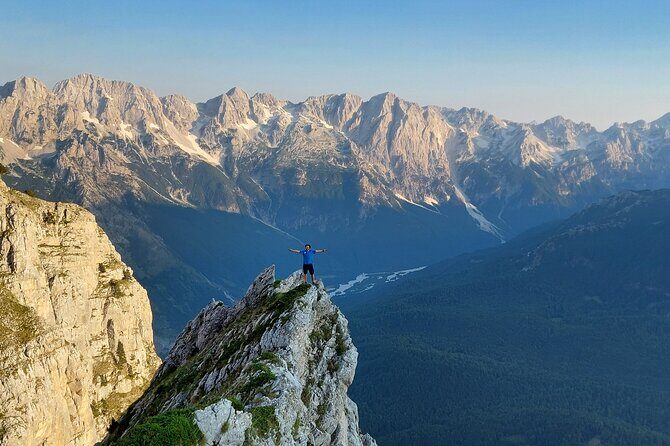
- Multi-country mountain route: the itinerary threads Albania, Kosovo, and Montenegro through places like Theth, Valbona, and Plav/Vuthaj.
- Guide-led with flexibility: routes and plans can change with unexpected conditions.
- Includes the big costs: accommodation, meals, transport, a guide, and fees are covered in the price.
Shkodër to the Peaks: how the trek really starts
Most trekking trips start with a long bus ride and a stack of chores. This one starts in Shkodër. The meeting point is in town, and you’ll typically begin at 10:00 am. Pickup is offered, and if you want, you and the operator can coordinate a meeting point that works for your arrival situation.
Why this matters: Shkodër is the staging area. It lets you get your bearings fast, meet your guide, and understand how the mountain days will run before you leave civilization behind. You’re not guessing how the trip flows. You’ll be walking with a plan in place, and when that plan needs to bend, a guide is there to do the bending.
Another plus is the mobile ticket. It’s a small thing, but in places where paperwork can slow you down, having a straightforward ticket format helps.
You can also read our reviews of more tours and experiences in Shkoder.
Ten days of hiking: what moderate fitness means in practice
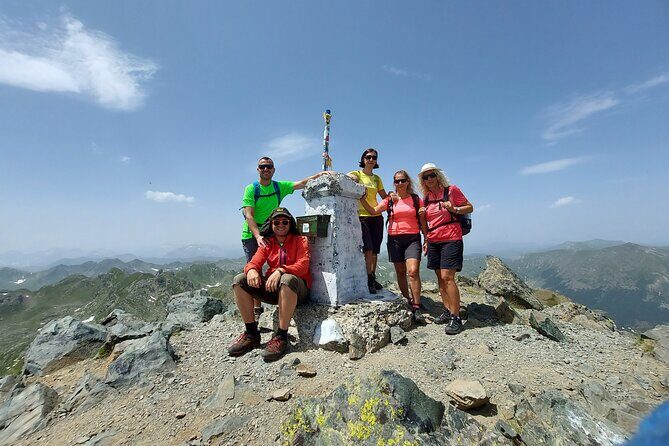
This tour is designed for people with moderate physical fitness, and that’s a fair label—if you’re realistic about what you’re signing up for. You’re not doing a short day hike where you can stop whenever the mood strikes. This is a multi-day trek, so your body needs to handle consecutive walking days.
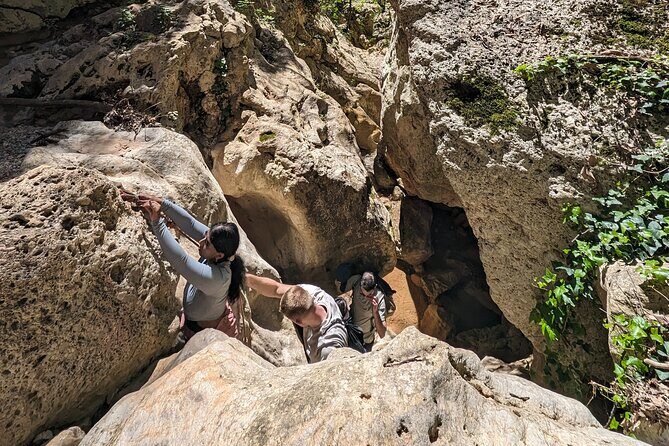
Also, one important nuance from the hiking-style described: some days can demand intermediate-professional ability. That doesn’t mean you must be an elite athlete. It does mean you should come prepared to work: steady pace, confidence on uneven ground, and stamina for longer days.
Weather matters here, too. Reviews reflect the reality of mountain trekking: unexpected weather can trigger last-minute route changes. That’s not a flaw. It’s what good guiding looks like. Instead of forcing a plan that’s unsafe or miserable, the guide adjusts so the trip stays enjoyable and as safe as possible.
Practical takeaway for you: if you can hike for hours at a moderate pace, manage a few steep sections, and don’t need constant comfort breaks, you’re in the right zone.
The core hiking route: Theth, Valbona, Cerem, Doberdol, and beyond
The way this trek is described, most people start with Theth and then continue through a chain of mountain areas. Exact day-by-day mileage isn’t the point here. The point is how the trek moves through different valleys and communities in the Albanian Alps / Accursed Mountains region and beyond.
Here’s how to think about the major stop sequence and why each one changes the feel of the trip:
Theth: your first taste of the rugged rhythm
Theth is where many hikers feel the transition from road travel to true mountain travel. Expect a slower, more deliberate pace as you settle into trail walking and altitude conditions. This is also the day where it helps to trust your guide’s early planning—getting your timing and footing right makes everything after feel easier.
Valbona: bigger hiking energy
Valbona is typically the next emotional gear shift. The vibe usually turns from settling in to pushing your hiking legs a bit more. If you like long views, steady climbs, and the satisfaction of finishing a hiking day with your whole body buzzing, this is where that feeling often kicks in.
Cerem and Doberdol: smaller places, mountain character
Stops like Cerem and Doberdol add variety. Even if you’re focused on the trail, these points help break up the hike into lived moments rather than just walking from one location to another. You get a sense of how mountain life and trail routes connect across valleys.
Milishefc: more local texture
Milishefc is part of the thread that keeps the trek grounded in real routes, not just postcard viewpoints. This is where the guide’s knowledge becomes useful. When someone can explain what you’re seeing and how people move through the mountains, the trip feels smarter and more connected.
Reka Allages and Babino Polje: toward the broader Balkan feel
These areas help transition the trek into a wider, more cross-border style of adventure. The terrain and route logic start to feel like an interwoven Balkan patchwork, where the hike is as much about movement through regions as it is about any single view.
A peak moment: Maja e Thate
One specific highlight that stood out: climbing Maja e Thate in the Accursed Mountains. That gives you an idea of the kind of summit energy that can be part of this overall experience. If you want at least one day that feels like a true peak effort, this trek can deliver.
Kosovo and Montenegro: Plav and Vuthaj as the final act
Even though the trip starts in Albania, the overall structure is multi-country. That’s part of the appeal: you’re not repeating the same valley views for ten straight days.
As the trek moves toward Plav and Vuthaj, you’re heading into the Montenegro side of the experience. Expect the hiking days to feel different as the terrain and the route logic shift. These areas are often where people start remembering why they chose a guided trek in the first place: the border-to-border movement is complex, but the guide makes it manageable.
This is also where you’ll appreciate the included transport. On a long trek, travel between trailheads and regions is the part that can chew up energy if it’s not handled well.
Your guide matters: Adriatik’s calm planning and flexible routes
In mountain country, a good guide does two jobs: they keep the hike fun, and they keep it safe. From what I saw, that’s exactly the style you’ll get here.
Adriatik Gacaferi shows up repeatedly as a guide name tied to smooth trip management, flexible route changes, and clear explanations. Another guide name mentioned is Tiku, also described as excellent step-by-step support with local area knowledge and helpful hiking guidance.
Here are the ways that guidance shows up in real life for you:
- Weather-flex capability: if conditions change, the itinerary can be adjusted rather than pushed through.
- History and context: you get more than coordinates. You learn what you’re seeing as you walk.
- Conversation and confidence: the pace feels steadier when the guide keeps the day moving with purpose.
One more practical note: in at least one described setup, GPX files were shared, along with help arranging guesthouses and occasional transport. If you like the idea of having a backup navigation path or want flexibility within the trek, it’s worth asking the operator how they handle route support for your dates.
Price and value check: what $1,384.73 covers (and what doesn’t)
At $1,384.73 per person for an about 10-day trek, you’re paying for more than just a guide. You’re paying for the machine that runs a multi-day hike smoothly.
What’s included:
- Accommodation
- Food
- Transport
- Guide
- Fees
Not included:
- Flight ticket and fees
So the value question becomes: could you do this yourself for less? Sometimes, yes—if you’re organized, comfortable with guesthouse hunting, and confident building a multi-country hiking plan. But in practice, that’s where time and stress hit. This tour takes the coordination load off your plate and replaces it with hiking time.
A quick way to judge value for yourself:
- If you want to hike hard and worry less about logistics, this price is easier to justify.
- If you love building your own route, sourcing beds, and handling border-region travel on your schedule, you might prefer DIY and accept the hassle.
Also note: the group is capped at 10 travelers. You’re not paying for the comfort of a huge crowd. You’re paying for a smaller, guide-focused experience.
What to pack: practical stuff for Balkan mountain days
The tour data only calls for moderate physical fitness, but mountain trekking always punishes poor preparation. Pack like you expect uneven terrain and changing conditions.
Aim for:
- Good hiking shoes with grip for rocky or uneven trail segments
- Layers for temperature swings (mountains do that)
- A daypack you can carry comfortably for long stretches
- Rain protection, because weather-driven plan changes are part of the reality here
- A simple system to keep essentials accessible during the hike
If you’re unsure about your gear, ask your guide before you go. They’ll know what the conditions tend to feel like on your route and can guide you on what’s worth carrying and what’s not.
Who should book this trek, and who should skip it
This is a great fit if:
- You want guided mountain hiking across Albania, Kosovo, and Montenegro
- You like the idea of a small group and a real guide who adjusts when conditions shift
- You prefer having accommodation, food, and transport handled, so you can focus on hiking and enjoying the day
- You’re comfortable with multi-day walking and you can handle moderate physical effort
You might want to think twice if:
- You need very predictable day routes that never change. Weather can lead to adjustments.
- You’re looking for a low-effort walk. Even when the trip is listed as moderate, some days can feel advanced depending on trail and conditions.
Should you book Peaks of the Balkans with Wilderness Balkans?
If your dream trip is waking up in mountain country, hiking with a guide who knows the terrain and the local context, and not spending your vacation doing logistics, I’d lean yes. The combination of small group size, included core services (food, accommodation, transport, guide, fees), and flexible planning around weather is exactly what makes this kind of multi-day trek work.
If you’re comfortable being flexible, you’ll probably love it. And if you’re the type who wants to understand where you are as you walk—history, routes, and mountain culture—guides like Adriatik Gacaferi and Tiku sound like your kind of people.
One last decision check: make sure you’re honest about your hiking stamina. This is not a casual stroll. But it’s also not just for hardcore athletes. If you can walk steadily for consecutive days and you like real mountains, this is a strong choice.
FAQ
Where does the trek start and end?
It starts in Shkodër, Albania and ends back at the meeting point.
What time does the tour start?
The start time is 10:00 am.
Is pickup available?
Yes. Pickup is offered, and you can arrange a meeting point with the travelers.
How long is the trek?
The duration is about 10 days.
What’s the group size?
The tour has a maximum of 10 travelers.
What level of fitness do I need?
You should have moderate physical fitness level.
What’s included in the price?
Included: accommodation, food, transport, guide, and fees.
What’s not included?
Not included: flight ticket and fees.
Is cancellation free?
Yes, free cancellation is available. You can cancel up to 24 hours in advance for a full refund.