REVIEW · TIRANA
Small Group Tour; Gems of Albania, Kosovo & N. Macedonia
Book on Viator →Operated by Choose Balkans · Bookable on Viator
First Balkan trip feels like a history lesson. This 8-day small-group tour links Albania, Kosovo, and North Macedonia with UNESCO World Heritage visits, plus a steady mix of old towns and big nature days. You start in Tirana, then work your way through Kruja, Shkoder, Prizren, Skopje, Ohrid, Berat, and a final morning in the Albanian capital.
What I like most is how the schedule mixes famous sites with places that feel local: Kruja’s medieval streets and castle tactics, Prizren’s riverside old town, and Ohrid’s churches and lake views. I also appreciate the human factor—guides matter here, and the feedback is full of standout personalities like Ardit (humor and deep knowledge), Lecko (a true storyteller), and Gizeem (patient, organized, and sharp on history).
One thing to keep in mind: this is a lot of moving for 8 days. You’ll get short but solid visits at many stops, and lunches/dinners aren’t included, so you’ll want to plan for extra spending and some on-the-go meals.
In This Review
- Key highlights you’ll feel on the ground
- Price and logistics: what the $2,361 covers
- A small group of 10: why it changes the experience
- UNESCO World Heritage stops: Decan, Ohrid, Berat, and Butrint
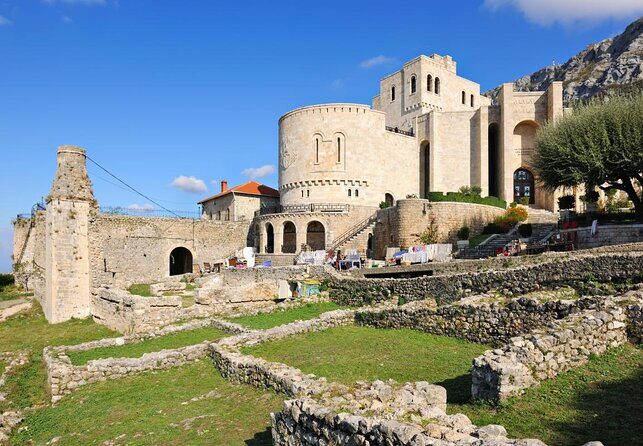
- Day 1 in Kruja: Ottoman resistance, a maze of bazaars, and castle escape paths
- Day 2 Shkoder, Rozafa views, then Decan Monastery in Kosovo
- Day 3 Prizren: riverside bridges, Dokufest energy, Sinan Pasha Mosque, and fortress panoramas
- Day 4 Pristina to Skopje: independence monuments and the Stone Bridge show
- Day 5 Matka Canyon and Ohrid: boat time, caves, then UNESCO churches
- Day 6 St Naum’s spring setting and Driloni/Tushemisht’s calm water
- Day 7 Berat’s 1001 windows: walking uphill streets inside an old castle city
- Day 8 Tirana walk: Skanderbeg Square, Bunk’Art 2, and Blloku food focus
- Should you book Gems of Albania, Kosovo & North Macedonia?
- FAQ
- What time does the tour start?
- How many people are in the group?
- Where do I meet the tour, and do I get pick-up?
- What’s included in the price?
- Are meals included besides breakfast?
- If I book a single room, is there an extra charge?
- Can I cancel and get a refund?
Key highlights you’ll feel on the ground
- Up to 10 people: easier pace control, more questions, and more attention from your guide
- Four UNESCO stops: Decan Monastery, Ohrid (lake + city), Berat, plus Butrint National Park
- Real border-crossing logistics: expect a smooth handoff day-to-day as the route moves Albania ↔ Kosovo ↔ North Macedonia
- Castles and old towns with context: Kruja’s medieval defenses, Rozafa’s big view, Prizren’s fortress panorama
- A nature day that isn’t just a photo stop: Matka Canyon boat trip and swimming option
- Tirana ends with contrast: communist-era bunker history at Bunk’Art 2, then neighborhood food at Blloku
Price and logistics: what the $2,361 covers
At about $2,361 per person for roughly 8 days, the value here comes from the parts that are usually annoying to do yourself: private transportation, a professional tour leader, and hotel pick-up and drop-off in Tirana. You also get accommodation with breakfast included for the overnights, plus tourist taxes and the road costs (road taxes, petrol, and insurance are included).
That means you’re mostly paying for time saved and coordination handled—especially helpful on a route that crosses borders and switches between countries. If you’d otherwise spend hours trying to stitch together bus legs, timed ferry schedules, and ticketing across different systems, this package starts to make more sense.
On the downside, the big-ticket part is also why meal planning matters: lunches, dinners, drinks, and snacks are not included. If you love eating slowly (or you’re picky about restaurant value), set aside a realistic daily budget so the trip stays fun instead of stressful.
You can also read our reviews of more tours and experiences in Tirana.
A small group of 10: why it changes the experience
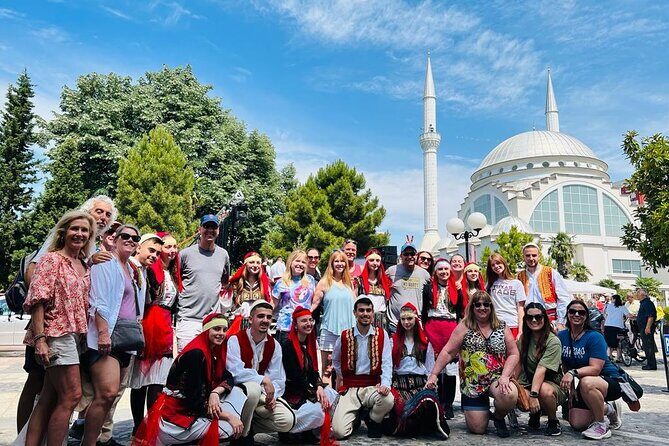
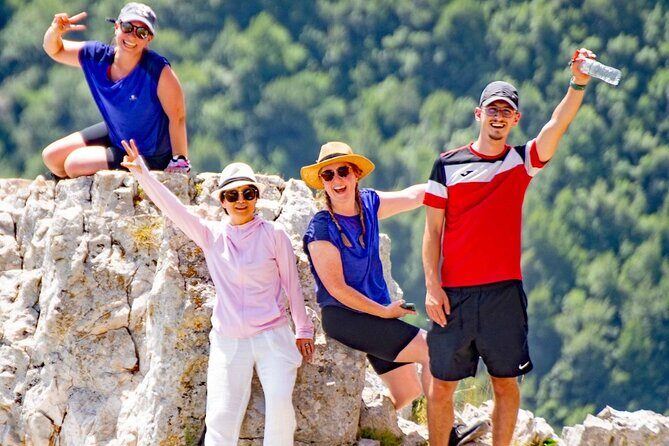
This tour caps at 10 travelers, which is exactly the point of a “gems” style itinerary. With smaller numbers, you don’t get lost in a herd during walking sections. It’s also easier for the guide to adjust pace—especially on days with multiple short sights.
The best sign? The guide praise is specific. People highlight leaders who don’t just recite facts, like Ardit’s mix of storytelling and good humor, or the way Lecko turns sites into scenes. Another strong theme is smooth logistics: border crossing handled without drama, and guidance that keeps everyone together.
You still shouldn’t expect an ultra-slow, “stay as long as we want” rhythm. But for a first-timer route across three countries, this group size is a sweet spot.
UNESCO World Heritage stops: Decan, Ohrid, Berat, and Butrint
This itinerary is built around four UNESCO World Heritage destinations. From what’s included in the tour content, you’ll encounter:
- Decan Monastery (UNESCO since 2004), with frescoes and Orthodox monks still living there
- Ohrid (UNESCO) and Ohrid Lake (UNESCO since 1980), tied to ancient Illyrian settlement and Roman naming
- Berat (UNESCO), known for stacked-window architecture in the old town area
- Butrint National Park, listed as part of the tour’s UNESCO set
Why this matters: UNESCO can become checkbox tourism. Here, the stops are paired with active context—views from forts, monastery life, church viewpoints, and walking inside lived-in areas (like Berat’s old-town feel where residents still live inside the historic walls).
Day 1 in Kruja: Ottoman resistance, a maze of bazaars, and castle escape paths
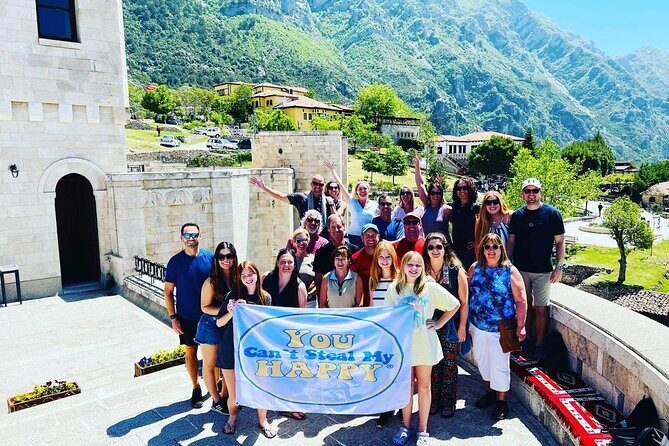
You start with a morning pick-up from your Tirana hotel and head to Kruja, a hill town tied to Albanian resistance against Ottoman expansion in the 1400s. The vibe is instantly different from big-city Albania: you’re on rocky terrain, climbing toward medieval defenses, and the town layout rewards slow wandering.
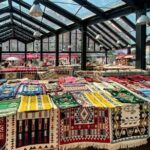
The old Kruja Bazaar is one of the best “walk-and-shop” introductions in Albania. You’ll move through narrow streets and wooden houses, and it’s presented as the place to find souvenirs—everything from common keepsakes to handmade items like carpets and jewelry. You’ll get about an hour here, which is enough to browse without feeling rushed.
Next is Kruja Castle. You’ll learn why its location is so defensible, and even hear about hidden paths locals used during siege situations. That kind of detail makes the castle feel more than a viewpoint. Afterward, you get free time for lunch (not included) and more browsing before heading onward for the evening.
Watch-out: if you hate shopping stops, plan your browsing timing carefully. Kruja’s bazaar is built to tempt you.
Day 2 Shkoder, Rozafa views, then Decan Monastery in Kosovo
Day two starts in Shkoder (Shkodra), in northwestern Albania, and you’ll be dropped into a city with a long habit of settlement. The background details are great here: the oldest wall of the Shkodra castle is said to date to the 1st millennium BCE, and the town is cited in ancient Roman history tied to Illyrian king Gent and conflict with Romans.
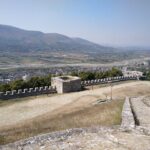
You then visit Rozafa Castle, with a view that connects the lake and three rivers meeting near the Adriatic. It’s a good moment for a break from museums and streets—just take in the geography and then keep moving.
Crossing the border into Kosovo, you’ll reach Decan Monastery. This stop is special because it’s not just a painted monument: Orthodox monks still live there and produce organic food, including cheeses. The monastery’s UNESCO listing centers on the frescoes, and the white monastery setting makes it easy to spot and frame in photos.
Consideration: monastery time is short (about 30 minutes in the schedule), so if you want a slower, deeper religious-art experience, you may want to return independently later.
Day 3 Prizren: riverside bridges, Dokufest energy, Sinan Pasha Mosque, and fortress panoramas
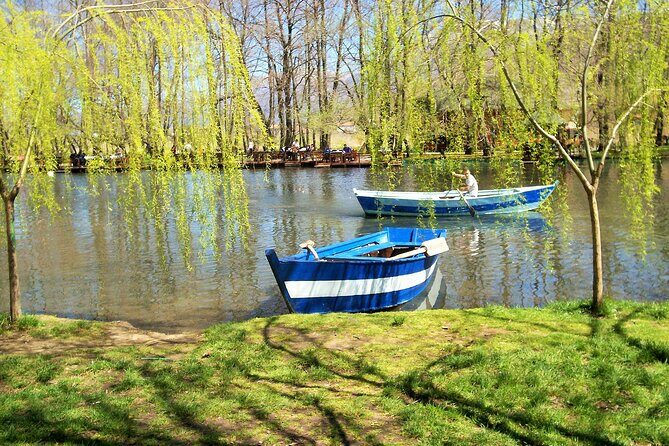
Kosovo’s Prizren is presented as the cultural capital—an old crossroads of Byzantine and Ottoman influences, with religious tolerance and a strong food scene. The most practical way to experience Prizren is by walking the old streets, and the river running through the town becomes your visual guide as you move under the many bridges.
A fun seasonal detail from the tour content: if you visit in August, the medieval city becomes home to Dokufest, a film festival known beyond the region. Even if you’re not there in August, that fact tells you Prizren has an event-friendly atmosphere.
You’ll also visit Sinan Pasha Mosque, picked as the one mosque to choose if you only have time for one. Expect colorful arabesque patterns and a quick interior look.
Then it’s up to Kalaja Fortress for a hilltop panorama of the city. In about 30 minutes, you’ll get the “big picture” views that make an old-town day feel complete.
Small drawback: the fortress and mosque stops are timed. If you want long photo sessions, keep your camera ready and save extended wandering for your free time.
Day 4 Pristina to Skopje: independence monuments and the Stone Bridge show
You begin with Pristina, Kosovo’s capital. You’ll see the Newborn monument, described as symbolizing independence, and then walk to Sheshi Nena Tereza, where the plan is simple: stroll the boulevard and stop for coffee. You’ll also pass Skanderberg Square and the statue of Skanderberg, the Albanian national hero.
Then it’s onward to Skopje—a city shaped by European, Ottoman, and Asian influences. The Stone Bridge connects the new and old parts, and you’ll also notice the Alexander the Great statue in the center. Another quick highlight: the Art Bridge, lined with lanterns and statues of Macedonian artists and musicians, leading toward the Archaeological Museum.
Finally, you’ll get time in the Old Bazaar of Skopje, described as the biggest one in the Balkans. Even with limited time, you’ll catch the feel of centuries-old trade space mixed with everyday life. The cross on the nearby mountain is treated as a visible city symbol from far away.
Consideration: Skopje can feel “more city” than the other stops. If you want quieter villages, balance Skopje with your Ohrid and Berat days later.
Day 5 Matka Canyon and Ohrid: boat time, caves, then UNESCO churches
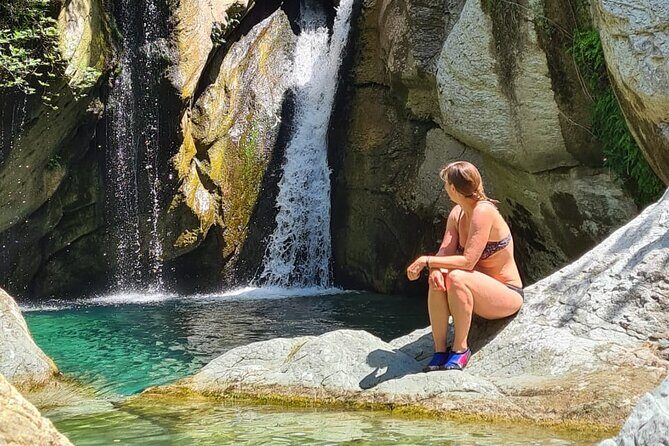
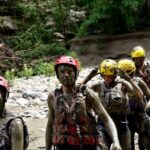
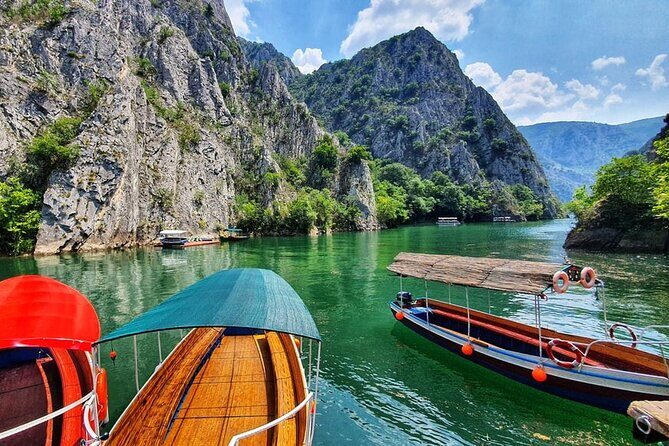
Matka Canyon is one of those days where the schedule actually works for people who like nature but don’t want to arrange everything themselves. It’s close to Skopje, and the headline is a boat trip through the canyon. You’re also told there’s more to explore here: caves, medieval castles, hiking routes, and even swimming in turquoise water.
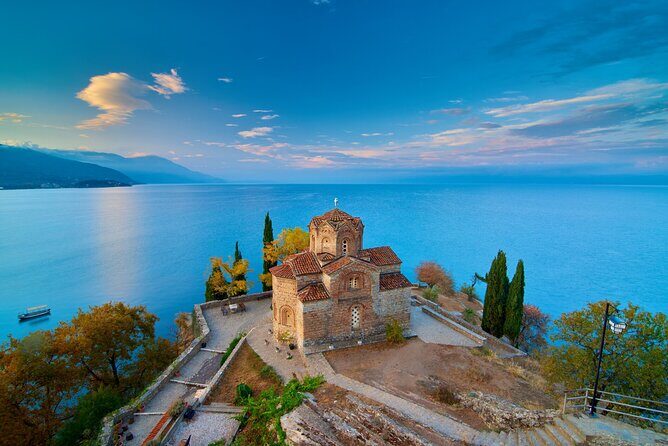
After Matka, you head to Ohrid, one of North Macedonia’s most iconic destinations. You’ll connect the lake and city to UNESCO status and ancient settlement stories. The tour content also includes Roman naming—Ohrid Lake referenced as Lyhnidas, the Light Lake—and Illyrian connections.
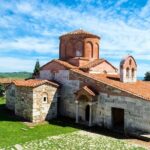
Once in the city, you’ll visit key religious sites and viewpoints: church of St. John, church of St. Nicolas, and the Halveti Hayati Tekke mosque. This is where Ohrid stops being just a “pretty lake” and becomes a walking culture map—different faith spaces, all close enough to fit into a timed tour day.
Tip for your comfort: shoes matter. Ohrid’s walking is easier with good traction, since you’ll be moving between viewpoints and churches.
Day 6 St Naum’s spring setting and Driloni/Tushemisht’s calm water
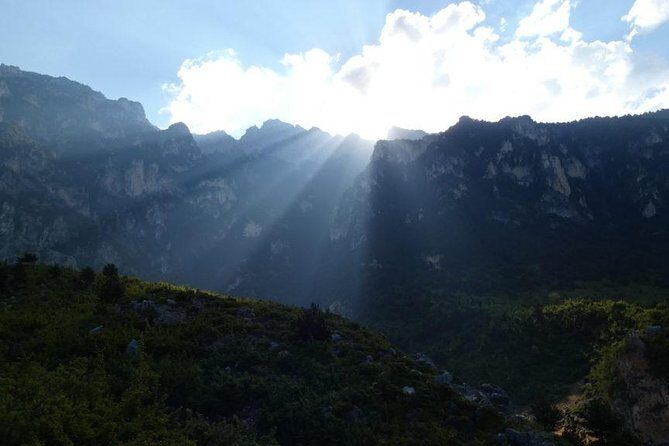
You start with Monument to St. Naum of Ohrid near the Albanian border. The approach goes through Galichitsa National Park, located between the Albanian border and Ohrid Lake and Prespa Lake, with mountain scenery along the way.
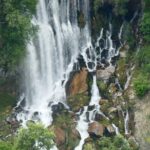
St Naum itself is described as a holy place at the source of the River Crni Drim, which flows into Lake Ohrid. The monastery complex sits in a strictly protected area of Galicica National Park, and the focus is on the way crystal-clear spring water reflects greenery and mountain peaks.
Then you cross back toward Albania to Driloni National Park and the Tushemisht area. Here you get a smaller-scale water and greenery picture: Driloni waters form a small lake, surrounded by vegetation, plus local food highlights. The tour points to traditional fish dishes—especially baked speckled trout called Koran—and also notes famous pickles.
Practical note: this day sounds like “nature,” but you still have border-crossing and driving between stops. If you get carsick, prepare accordingly.
Day 7 Berat’s 1001 windows: walking uphill streets inside an old castle city
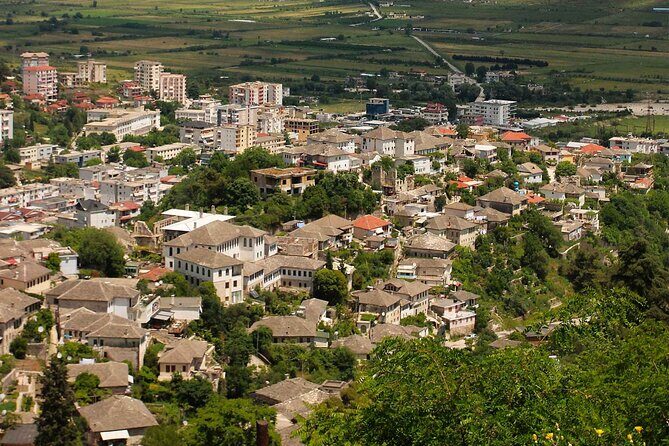
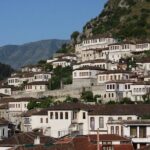
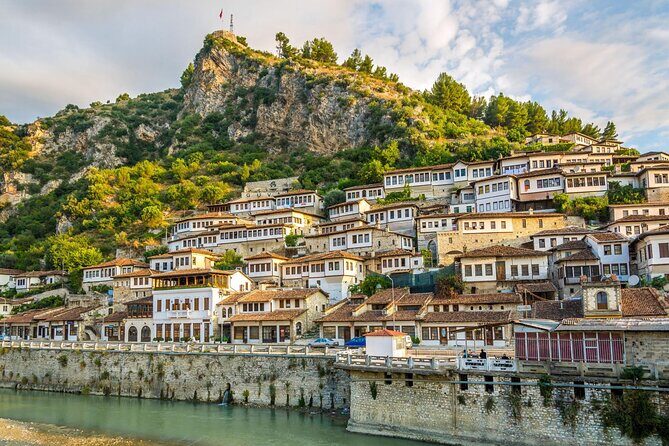
Berat is introduced as the town of 1001 windows, and the UNESCO connection is tied directly to how the old houses sit across steep slopes. The walking section is built for small details: you’ll see narrowed stone streets and homes with windows that appear stacked one above another.
The town’s timeline is part of why this place feels real. You’ll hear it began as an Illyrian settlement around the 6th–5th century B.C., later became a castle city called Antipatrea, and today residents still live inside the castle walls.
You’ll spend time at Berat Castle, with a mix of medieval structures: churches and mosques, a lower-town neighborhood of old houses on steep hillsides, an old stone bridge, museums, and even remains from the communist era. Then you visit the National Iconographic Museum Onufri, tied to the painter Onufri and his reddish color style.
Finish with Gorica Bridge, another classic architectural moment that helps you see how all the neighborhoods connect.
If you’re short on energy: Berat’s walking is worth it, but pace yourself. The views are frequent, so you’ll want to pause often.
Day 8 Tirana walk: Skanderbeg Square, Bunk’Art 2, and Blloku food focus
You end where many tours start: Tirana. The city is framed as a blend of Ottoman, Italian, and communist-style architecture, which means the streets don’t look like a single era at once. You’ll start near the center and walk toward Skanderbeg Square, named for Gjergj Kastrioti Skënderbeu. The square’s surrounding landmarks include the National Museum, Bank of Albania, Opera House, Skanderbeg statue, and Ethem Beu Mosque.
Then comes one of the most interesting history stops on the whole route: Bunk’Art 2. You’ll learn it started as a nuclear bunker built as shelter for Enver Hoxha and close party members during the Cold War. It stayed secret until 2016, when it was turned into a museum, and the content is presented as a video museum exhibition about the communist army and daily life under the regime.
After that, you walk to Rruga Murat Toptani, now a pedestrian street where modern and traditional elements overlap. Your final stop is Blloku, described as colorful and lively, with Tirana’s food options ranging from cheap street snacks to higher-end choices.
Drawback: dinner is still on you. If you’re not used to Balkan meal timing, consider making one or two restaurant decisions in advance so the last night feels relaxed, not frantic.
Should you book Gems of Albania, Kosovo & North Macedonia?
I’d book this tour if you want a first-time Balkans route that mixes UNESCO monuments with real walking and real nature days, and you prefer not to manage border-crossing and private transport on your own. The guide quality is a major strength—feedback points to people who bring humor and structure, and even highlight smooth border logistics.
I’d think twice if you need long stays in each place. This itinerary is active and efficient, so you’ll get good coverage rather than deep, slow immersion everywhere. Also, the meal situation is on you after breakfast, so budget for lunch and dinner.
One more practical note before you commit: the booking is non-refundable and can’t be changed, so pick your dates carefully.
If your goal is to see Albania, Kosovo, and North Macedonia in one tightly planned trip—and you like mixing castles, churches, and lakes—this is a strong way to do it.
FAQ
What time does the tour start?
The tour starts at 9:00 am.
How many people are in the group?
The group size is capped at a maximum of 10 travelers.
Where do I meet the tour, and do I get pick-up?
You meet at Choose Balkans – Albania Tour Operator, 3rd Floor, Bulevardi Dëshmorët e Kombit Twin Towers, Tower 2, Tiranë 1001, Albania. Hotel pick-up and drop-off in Tirana are included.
What’s included in the price?
Included are accommodation with breakfast, private transportation, a professional tour leader, hotel pick-up and drop-off in Tirana, tourist taxes, and included road costs/insurance. Some listed admission tickets are also included where marked in the schedule.
Are meals included besides breakfast?
No. Lunches, dinners, drinks, and snacks are not included. Breakfast is included for all overnights.
If I book a single room, is there an extra charge?
Yes. Single room occupancy is possible for an extra 45 Euros per night per person in a 3 stars hotel accommodation.
Can I cancel and get a refund?
No. This experience is non-refundable and cannot be changed for any reason. If you cancel or request an amendment, the amount paid isn’t refunded.