REVIEW · TIRANA
Berat Cultural Tour by 1001 Albanian Adventures
Book on Viator →Operated by 1001 Albanian Adventures · Bookable on Viator
Three stops, one walk, real Berat. You’re guided through Berat’s Castle neighborhood—where churches, mosques, and everyday life sit side by side—then you step into the Onufri icon museum and finish by crossing the feel of Gorica by the Osum River.
I like two things most. First, the pacing is friendly: a long-enough castle walk to notice details, then shorter stops that keep the morning moving. Second, the experience runs with a certified guide (often with guides like Erilda/Eri), and the tone is practical and warm—plus you get good local recommendations along the way.
The main thing to watch is budget: entrance tickets for the castle and the museums are not included, so your total cost depends on what you choose to pay on-site.
In This Review
- Key Highlights You’ll Actually Notice
- Berat Castle: The Inhabited Neighborhood Walk That Makes It Real
- Onufri Iconographic Museum: 173 Objects in a Church Setting
- Gorica Quarter and the Osum River Bridge With Seven Arches
- Price and What You’re Really Buying for $36.14
- Pacing, Weather, and Getting Your Day in Order
- The Guide Makes the Difference: Erilda/Eri’s Tone and Help
- Who Should Book This Berat Cultural Tour?
- Should You Book Berat Cultural Tour by 1001 Albanian Adventures?
- FAQ
- FAQ
- How long is the Berat Cultural Tour?
- What time does the tour start?
- Is the tour offered in English?
- What’s included in the price?
- Are entrance tickets included for the castle and museum?
- What are the main stops on the itinerary?
- Does the tour have a group size limit?
- Where does the tour end?
- Is the tour affected by weather?
- Is there free cancellation?
Key Highlights You’ll Actually Notice
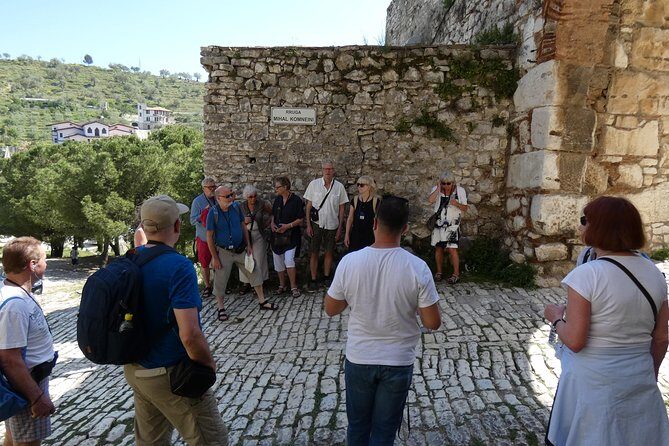
- Living architecture inside Berat Castle: You’ll walk through an inhabited area and see how different faith spaces share the same walls.
- Onufri museum scale and focus: A small exhibition that still covers 173 objects, including 106 icon works from the 1500s to the 1900s.
- Onufri and Nicola, plus other icon painters: The museum’s collection highlights major Albanian artists like Onufri and his son Nicola.
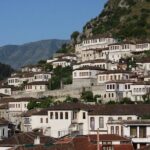
- Gorica Quarter’s preserved atmosphere: A suburb with an older street-and-building feel across the river from Mangalem.
- Ahmet Kurt Pasha’s seven-arch bridge: One of Berat’s Ottoman landmarks, with seven arches spanning 130 meters across the Osum.
- Small group feel: Maximum size is 25 travelers, so your guide can keep things moving without rushing you.
Berat Castle: The Inhabited Neighborhood Walk That Makes It Real
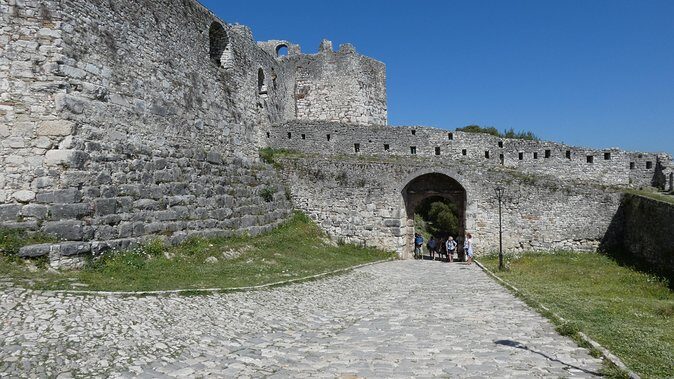
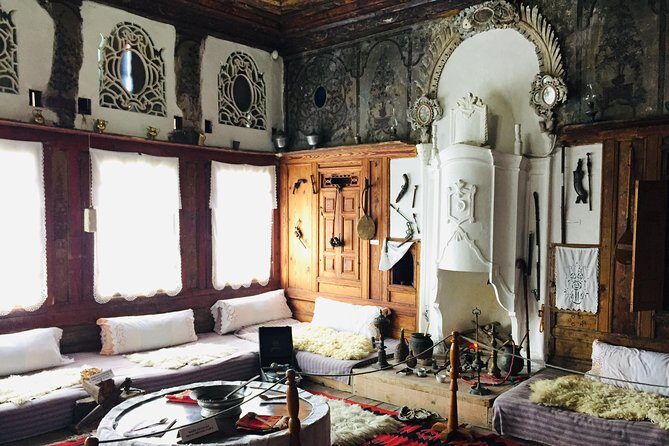
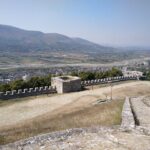
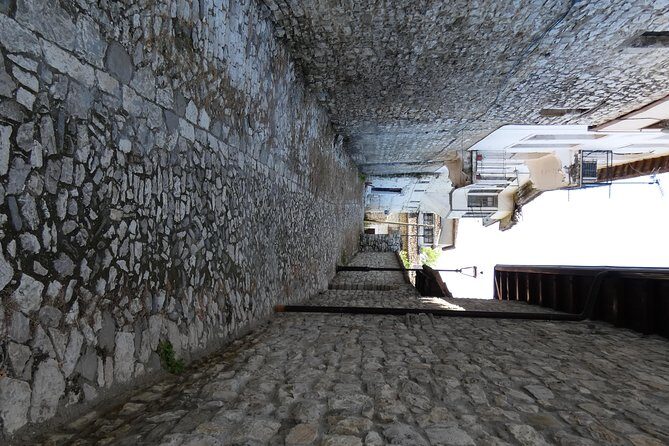
The Berat Castle portion is the heart of this short tour, and it works because you’re not just looking from outside. You walk through the inhabited parts inside the castle grounds, where the buildings aren’t museum pieces. They’re homes and community spaces, and that changes what you notice.
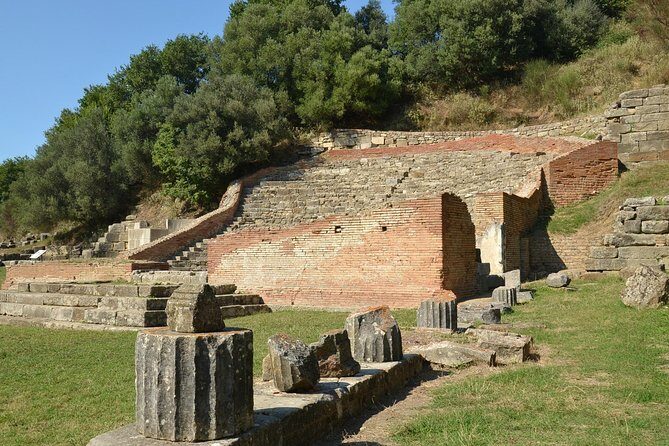
What I like is how the walk helps you “read” the walls. You’ll see the structure and architecture used in the castle’s construction, and you’ll also connect that physical layout to the religious landmarks you pass. That mix is the point: inside Berat Castle, you’ll encounter churches and mosques in the same overall space, and your guide can explain how that coexistence shaped daily life.
The vibe here is also calmer than you might expect for a guided walk. The schedule allocates about one hour for this stop, which is long enough to slow down and actually look up and around. If you tend to rush through viewpoints, this timed pace is a nice nudge.
A practical note: castle routes can be a bit uneven. If you have even minor foot issues, wear shoes with solid grip. And if the weather turns, you’ll appreciate that this is a short segment rather than a long all-day hike.
You can also read our reviews of more historical tours in Tirana

Onufri Iconographic Museum: 173 Objects in a Church Setting
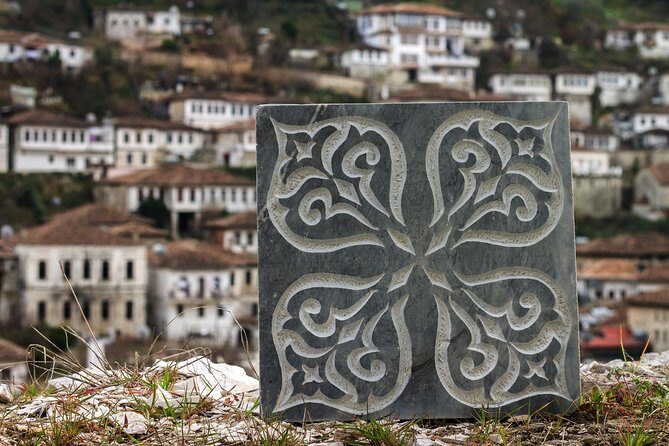
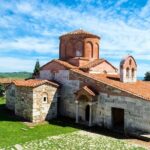
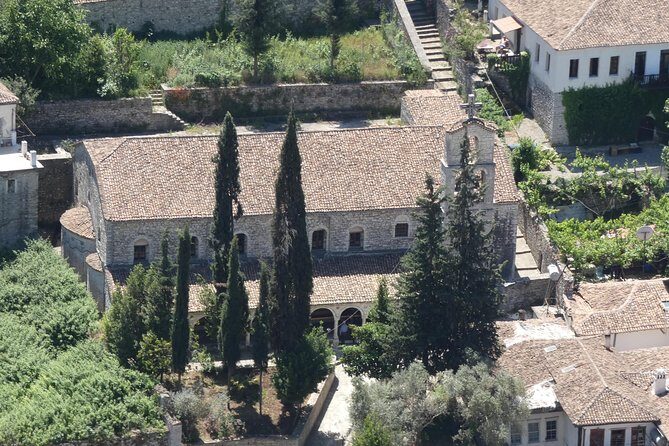
After the castle walk, you shift from the streets and stone walls into the Church of St. Mary of Blachernae, where the icon exhibition is located. This is a small museum, and that matters for your time. You’re given about 40 minutes, which is enough to understand the collection without feeling trapped in a long exhibit.
The museum is named for Onufri, an Albanian painting headmaster from the 16th century. The collection centers on religious art from Albanian churches and monasteries, and it’s split in a way that’s easy to follow: you’ll see 173 objects, including 106 icons made by Albanian icon painters from the 1500s through the 1900s.
The icon list includes names you’ll hear again and again in Albanian art history: Onufri and his son Nicola, plus other painters such as David Selenica and Kostandin Shpataraku, along with artists credited under names like Cetirs (also spelled Gjergj, Nicola, Johan, Naum, Gjergj junior in the collection references). You’ll also notice that not every item is tied to a named painter—some works are from anonymous artists—so the museum gives you a fuller picture of how these artistic traditions carried forward.
Then there’s the other half of the collection: 67 liturgical objects. Even if you’re not a hardcore art person, this helps you understand that icons weren’t isolated artworks. They were part of religious practice and the visual language of worship.
One drawback to be aware of: entrance tickets aren’t included. Since this stop is paid separately, it’s smart to keep a little extra cash or card readiness. If you’re trying to control spend, I’d treat the tour price as the guide and structure, not the full entry bundle.
Gorica Quarter and the Osum River Bridge With Seven Arches
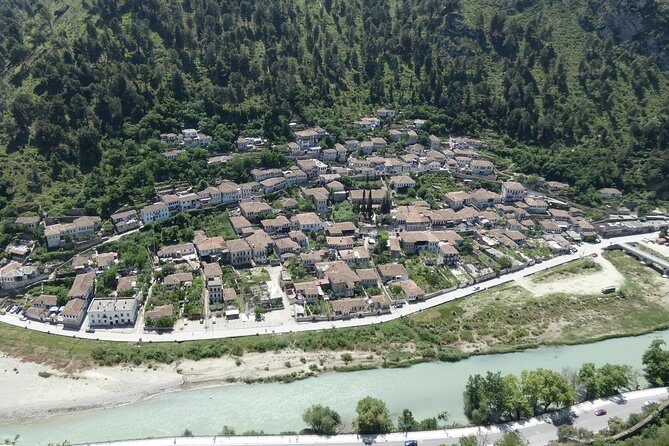
The final stop takes you across the river feel, to the Quarter of Gorica, opposite Mangalem. This portion is shorter—about 20 minutes—but it’s designed to give you a “whole city” sense by adding another side of the story.
Gorica’s development began in the mid-1500s, and what you’re looking for is atmosphere as much as architecture. The “modern quarter” here is described as having preserved its original tone, which is exactly what you want at the end of a walking tour: something authentic and lived-in, not just another photo stop.
Your guide also points out the bridge of Gorica, built by Ahmet Kurt Pasha. This is one of the finest Ottoman monuments in Berat, and the details are specific enough to make the structure feel tangible: seven arches, spanning 130 meters across the Osum River. The bridge’s look—white local stone paired with that long span—makes it stand out in a way that’s architectural, not theatrical.
Since this is a free stop, it’s also a good value moment. You’re getting a major city landmark without adding another paid ticket on top (though other entrances are still separate for the castle and museum).
Price and What You’re Really Buying for $36.14
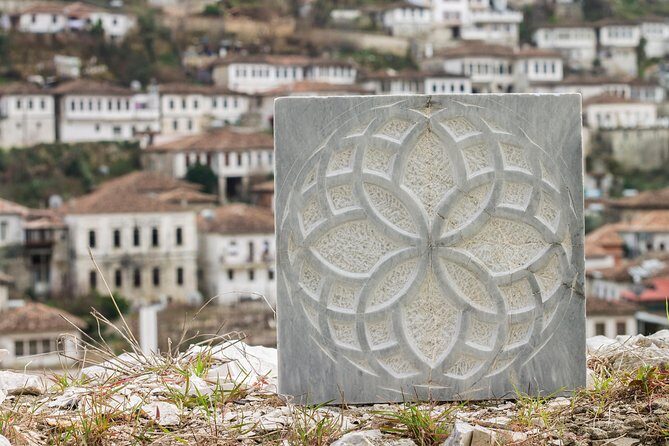
At $36.14 per person, this is a smart deal for people who want a guided morning without paying for a full-day itinerary. The biggest included value is simple: you get an accompanying certified guide in English, plus the tour is organized for an easy flow between three cultural stops.
Because the tour runs about 1 to 3 hours (approx.), it’s especially good if you’re in Berat for a short window. A longer walking day can be hard with heat, fatigue, or late starts. Here, the structure is tight: castle, museum, then Gorica.
The trade-off is that the tour price doesn’t include entrance tickets for the castle and museum. So the best way to judge value is this:
- You’re paying for guidance and interpretation, not just access to buildings.
- You’ll likely pay separate entry fees if you want the full castle and museum experience.
If you’re the type who likes to read the city with a guide’s context, the price feels reasonable. If you already know the sights well or you’re trying to minimize paid entries, you might feel the extra ticket cost more.
Also worth knowing: the tour uses a mobile ticket, starts at 8:30 am, and caps at 25 travelers. Smaller groups tend to make the walk feel more human, and the morning timing is useful for avoiding later crowds.
Pacing, Weather, and Getting Your Day in Order
This is a “good weather” experience. If conditions are poor, the tour can be moved to a different date or you can get a full refund. That’s not just a fine print detail—Berat’s charm depends on walking and looking. If rain hits, the experience can turn more slippery and less enjoyable, so the provider plans accordingly.
You’ll also want to plan for the fact that the tour ends in a different location than where you start. That’s common for city walks, but it matters for your next move. If you have lunch reservations, a museum appointment, or a bus connection, keep some buffer time.
On the practical side, the activity is near public transportation, and most travelers can participate. Service animals are allowed, which is a thoughtful inclusivity note. Still, the main physical requirement is basic walking on old streets and paths, especially for the castle portion.


The Guide Makes the Difference: Erilda/Eri’s Tone and Help
One theme that comes through strongly is the guide’s personality and usefulness. Guides connected with this tour—like Erilda (sometimes referred to as Eri)—are praised for being friendly, approachable, and organized. That matters because Berat’s sights can be layered: castles, faith spaces, art, and city quarters all overlap. A good guide helps you connect those dots fast.
What I’d expect from this style of guiding is not just facts, but also direction: where to look, what to notice, and how to understand the places without turning the morning into a lecture. Several comments also highlight flexibility and helpfulness, including offering recommendations beyond just the three scheduled stops.
That kind of guidance is especially valuable if it’s your first time in Berat and you want to keep exploring after the tour ends.
Who Should Book This Berat Cultural Tour?
This one is a great match if you:
- Want a short, structured introduction to Berat Castle, an icon-focused museum visit, and Gorica’s riverside feel.
- Like walk-and-interpret tours rather than long drives or big bus groups.
- Appreciate art and religious history, but you don’t want a two-hour museum-only day.
You might reconsider if:
- You’re extremely price-sensitive and don’t want to pay separate entrance tickets.
- You prefer spending most of your time outside rather than mixing in an indoor church museum stop.
- Your schedule is so tight that ending in a different location could complicate your next plan.
Should You Book Berat Cultural Tour by 1001 Albanian Adventures?
If you’re weighing Berat options, I’d choose this tour when you want maximum context in a small time window. The castle walk gives you lived-in architecture and the chance to see churches and mosques within one setting. The Onufri museum adds focused meaning without dragging on. Then Gorica and its seven-arch bridge closes the loop with a memorable city landmark across the Osum.
The decision is mostly about your preferences around paid entrances. If you’re fine paying tickets separately, the guided value is strong for the price. If you’d rather avoid extra on-site costs, compare whether you’d rather DIY the castle and decide on the museum entry based on your own interest level in icons and liturgical objects.
FAQ
FAQ
How long is the Berat Cultural Tour?
The tour is listed as about 1 to 3 hours (approx.), depending on the pace and time spent at each stop.
What time does the tour start?
The start time is 8:30 am.
Is the tour offered in English?
Yes, it is offered in English.
What’s included in the price?
It includes an accompanying certified guide and the mobile ticket.
Are entrance tickets included for the castle and museum?
No. Entrance tickets to the castle and the museums are not included.
What are the main stops on the itinerary?
You’ll visit Berat Castle, the National Iconographic Museum Onufri at the Church of St. Mary of Blachernae, and the Quarter of Gorica (including views around the Gorica Bridge).
Does the tour have a group size limit?
Yes. The maximum group size is 25 travelers.
Where does the tour end?
It ends in a different location than where it starts. The exact end details are provided in the activity details after booking.
Is the tour affected by weather?
Yes. It requires good weather. If canceled due to poor weather, you’ll be offered a different date or a full refund.
Is there free cancellation?
Yes. You can cancel for a full refund up to 24 hours in advance of the experience start time.