REVIEW · TIRANA
Self – Guided Peaks of the Balkans tour in 7 days
Book on Viator →Operated by Choose Balkans · Bookable on Viator
Nothing feels small here; the mountains do the talking. This self-guided Peaks of the Balkans route strings together cross-border hikes in Albania, Montenegro, and Kosovo, plus nights in traditional guesthouses and shepherd huts far from roads. I like how the itinerary gives you structure (transfers, passes, lodging), while still letting you hike your own pace through valleys, passes, and dramatic ridgelines.
My favorite part is the mix of iconic spots and real rural life: you get to sleep up high, meet the rhythms of shepherd huts, and see landmarks like Theth’s Old Church and Gjakova’s bazaar on the same trip. I also really like the human support behind the self-guided model, with daily check-ins from Brikena Shametaj (and help from Sirma mentioned in feedback) so you are not alone when plans meet reality. The main drawback is physical: this is a strong-fitness hike with long days and basic beds in huts, so you’ll want a serious backpack strategy and realistic expectations.
In This Review
- Key things that make this trek worth it
- Where you start (Tirana) and how the self-guided flow actually works
- Day 1: Tamarë, Lëpushë, Talijanka Peak, then Vuthaj in Montenegro
- Day 2: Theth, Old Church, and the Arapi peak next to Jezerca
- Day 3: The Valbona Valley National Park day through the Valbona Pass
- Day 4: Cerem’s snowy canyon feel and the optional Zla Kolate climb
- Day 5: Doberdol via mule track, border crossing, and bear/lynx reserve country
- Day 6: Kosovo’s Gjeravica peak, heart-shaped lake swims, then down to Gjakova
- Day 7: Gjakova bazaar, clock tower, Hadum Mosque, then back to Tirana terminal
- Price and value: what your $1,237.53 buys (and what it doesn’t)
- Fitness and packing: the stuff that determines whether you love this or just survive it
- Borders, routes, and staying flexible when the mountains change the plan
- Should you book this Peaks of the Balkans self-guided tour?
- FAQ
- How long is the Peaks of the Balkans self-guided tour?
- Where does the tour start and end?
- What kinds of accommodations are included?
- Are meals included in the price?
- What transport is included?
- Is this tour suitable for beginners?
- Will I need travel insurance?
Key things that make this trek worth it
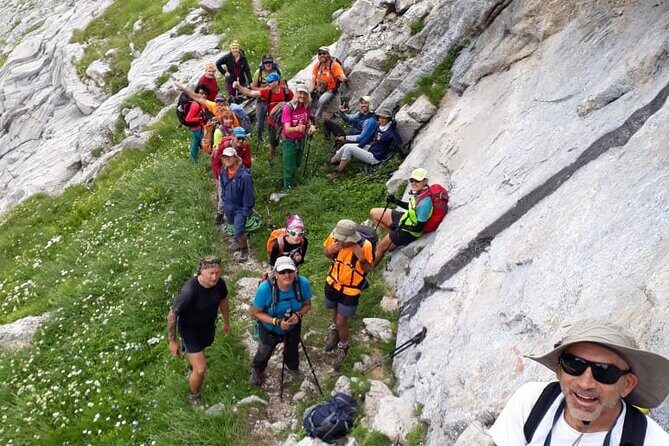
- Three-country hiking, multiple border crossings: Albania ↔ Montenegro ↔ Kosovo, without you needing to organize the logistics.
- Small group feel (max 10): you get the benefits of coordination without crowding on trails.
- Sleep options that match the terrain: guesthouses and shepherd huts, including nights around 1800m.
- Big day-to-day variety: Talijanka views, the Valbona Pass mule trail, Cerem’s snowy-canyon feel, then Kosovo’s Gjeravica lakes.
- Support while staying self-guided: partners handle key transport links; Brikena and the team check in.
- Value focused on experience, not meals: lodging and transport are handled, but you’ll pay for most food yourself.
Where you start (Tirana) and how the self-guided flow actually works
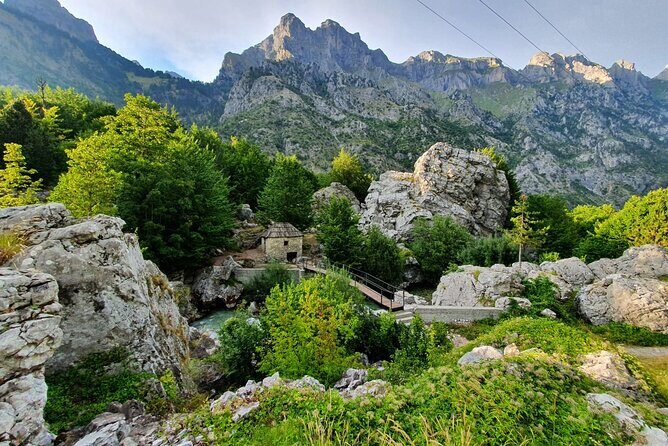
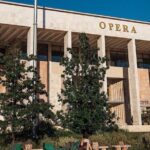
The trip starts in Tirana with an early start time of 6:00am. The meeting point is at 8RJ3+WV5, Tiranë, and the overall plan is built around staged transport from hub to trailhead. By the end, you finish at East Terminal Lundër 1, Albania, with the note that getting from the bus terminal to your hotel is on you.
This is what makes it feel good for independent hikers: you’re hiking, but the hardest “move-everything” parts aren’t left entirely to you. Included transfers cover key legs like getting you from Tirana to the first hiking base and handling off-trail jumps later (including a 4×4 segment toward Gjakova on day 6). You’ll still carry your own belongings during the trek, so packing light matters.
One more practical note: the tour is self-guided, but it’s not hands-off. Confirmation happens at booking time, and the provider emphasizes that plans can shift with weather and closures. That means you should stay flexible and use the support channel (the same one hikers praised for check-ins) when a trail or route choice changes.
You can also read our reviews of more guided tours in Tirana
Day 1: Tamarë, Lëpushë, Talijanka Peak, then Vuthaj in Montenegro
Day 1 reads like the “gateway day,” when your legs are warm and the Alps start flexing. You begin at Tamarë with a first hiking push (about 2 hours listed). Then you move to Lëpushë, a small village with spring color in its name (yellow flowers) and a reputation for local bio dishes made from regional products. The nice touch here is that Lëpushë isn’t a token stop; it’s positioned as a real break point after your first day’s movement.
Then comes the big emotional hit: the hike to Talijanka peak. This is also where you cross from Albania into Montenegro. The descriptions focus on dramatic, sharp grey peaks around the Grbaje Valley, plus the payoff view of Lake Plav in Montenegro. After the peak, you take a minivan for the last 40 minutes into Vuthaj, where you overnight in a guesthouse.
If you want another layer of local flavor, consider the Ali Pasha springs—a walk of about 40 minutes from the guesthouse. It’s the kind of add-on that makes day one feel like more than a warm-up.
Downside to plan around: Day 1 stacks walking and then transport. If your body is not used to elevation and uneven paths, take the peak hike slower than your ego wants.
Day 2: Theth, Old Church, and the Arapi peak next to Jezerca
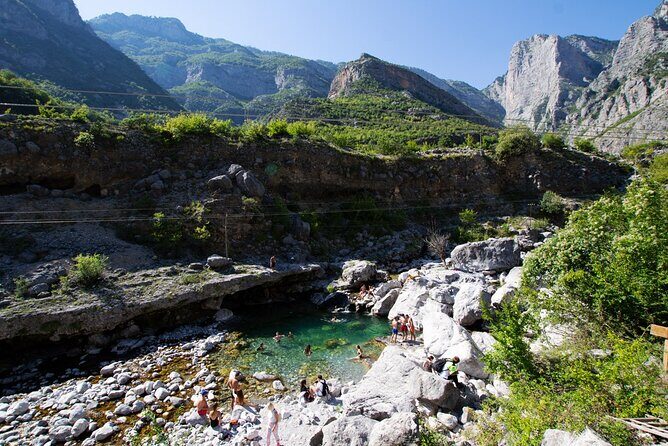
From Vuthaj, you head toward Theth, and you cross back into Albania. This trek is long enough to count as a real day outdoors (8 hours), with a note about a hidden water spot that is difficult to find on your own.
You also pass near the Arapi peak (2217m) alongside Jezerca Peak (2694m). That’s a lot of altitude on the horizon, plus the itinerary calls out shepherd’s huts along the way, so you’re seeing how life works away from roads and easy signals.
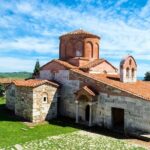
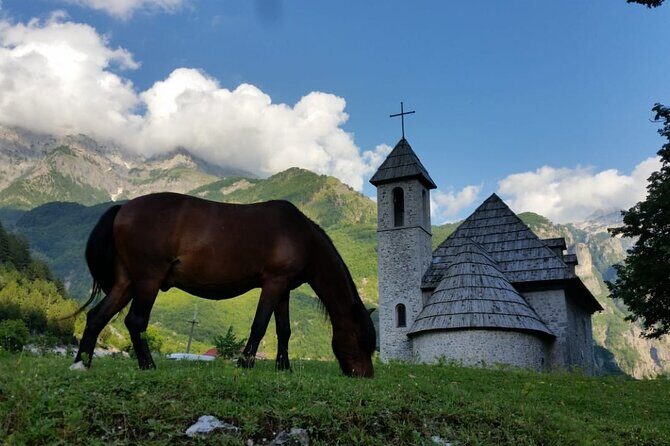
When you reach Theth, the visit becomes part hike reward, part cultural reset. You’ll visit the Old Church and the Lock in Tower, which Theth uses as a symbol. The key point for you: this isn’t only scenic; it’s history anchored in a place that still lives with traditional rhythms.
Practical thought: Theth evenings are often where your legs tighten up. Stretch early and treat the next day like you need mobility, not just sleep.
Day 3: The Valbona Valley National Park day through the Valbona Pass
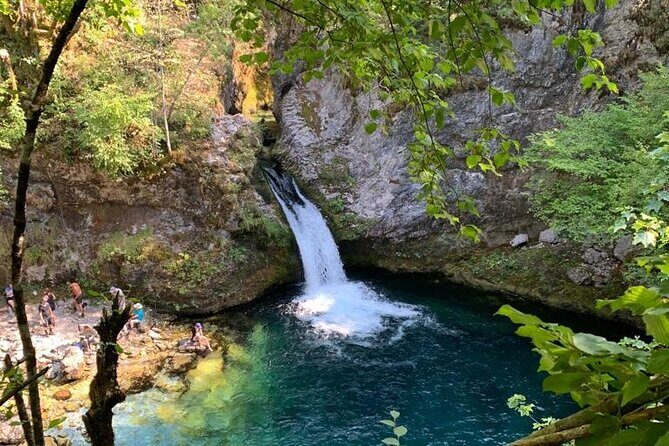
Day 3 is one of the headline days for a reason: trekking from Theth to Valbona takes about 6–8 hours over remote terrain, and it follows what used to be an old mule trail. You’ll feel that mule-trail character in the way the path pushes up and then opens out—valleys on both sides at one point, with a pass view that hits hard.
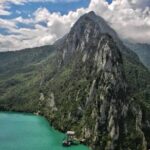
At the Valbona Pass, the itinerary calls out a dramatic view of the Accursed Mountains (Bjeshket e Nemuna). This is a national park area near Kosovo (Gjakova and Peja) and tied directly to the borders of the region you’re traveling through. The day also has plenty of wild-forest energy, with a chance you’ll spot shepherds and flocks.
Overnight is in a guesthouse in Valbona, continuing the pattern: you hike long, then sleep somewhere that makes you feel the mountains aren’t just scenery—they’re your temporary neighborhood.
Possible drawback: long days + remote paths usually mean your pace needs discipline. If you go out too fast on day three, day four can feel brutal.
Day 4: Cerem’s snowy canyon feel and the optional Zla Kolate climb
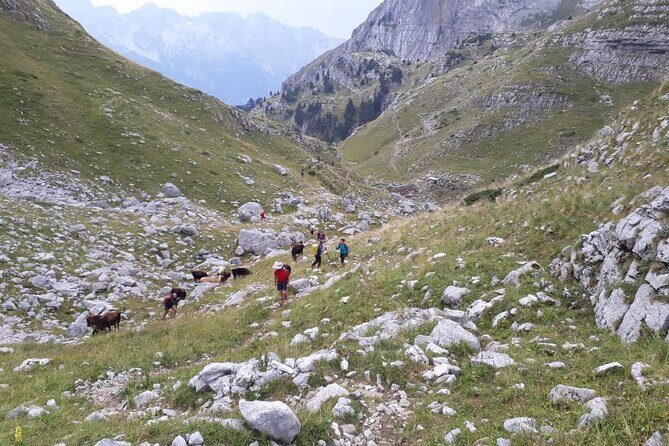
Cerem is another switch in mood. The day begins with transport to the starting point, then you hike through forests and meadows. The itinerary highlights a canyon-like area and mentions that it can still have snow even in summer. That contrast matters: you are not just moving through one type of view; you’re getting multiple “climate pockets” along the way.
You reach shepherd’s huts at about 1300m, which helps explain why Cerem is often the kind of night you remember. It’s high enough to feel remote, but not so extreme that it breaks your legs completely after the pass work from the previous days.
There’s also an optional detour: hiking to the highest peak of Montenegro, Zla Kolate. The extra is about 3 hours, making the full day around 10 hours if you choose it. This is the day where you decide whether you want the extra mountain badge or a more relaxed finish with time to enjoy the hut village vibe.
The route includes a few surreal details: a stone surface on the mountain side that looks like an old man’s face, plus a cave with cold wind and no known exit. You won’t find those on a standard postcard trail.
What I’d watch: if you choose Zla Kolate, pack energy for a long day and plan for slower steps on the descent.
A few more Tirana tours and experiences worth a look
Day 5: Doberdol via mule track, border crossing, and bear/lynx reserve country
Today brings another border move: from Cerem to Doberdol, you follow a mule track for about 7 hours, and you cross into Montenegro for around 2 hours.
The trail passes through pine forests and, depending on the season, you might find berries like blueberries, blackberries, and raspberries. That’s a small detail, but it’s a good reminder that these aren’t sterile paths; they’re living ecosystems.
One of the most specific nature notes on the whole route: you pass the only National Reserve in Albania, where you can find brown bears and the last population of roughly 40 lynxes in the Balkans. You shouldn’t expect a sighting on any given day, but the point is that you’re walking through an actually protected area, not just a pretty trail on paper.
You also get a shepherd-hut style break. The itinerary says you can enjoy coffee or other drinks at some of those hut villages. The day ends at Doberdol (around 1800m) with another overnight in a shepherd’s hut.
The comfort reality check: the beds are basic—mattresses rather than hotel-style comfort. The trip is about the place and the people’s hospitality, not about soft bedding.
Day 6: Kosovo’s Gjeravica peak, heart-shaped lake swims, then down to Gjakova
Day 6 is your “peak plus payoff” day before you head into city life.
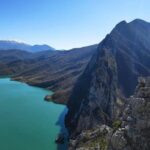
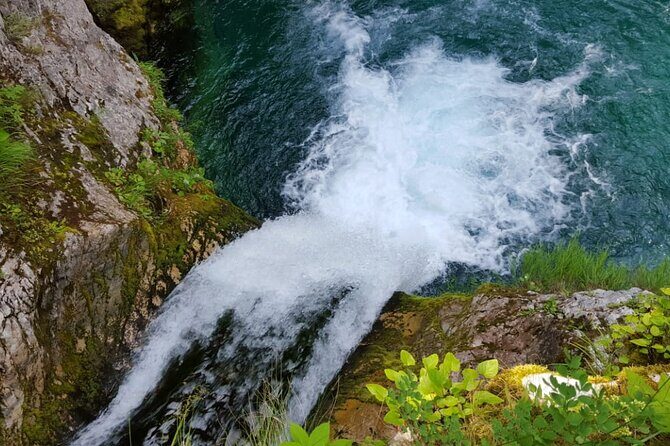
You hike to Gjeravica, the highest peak of Kosovo. It takes about 4 hours (as listed). From the top, the view includes both the Accursed Mountains and the Sharr Mountains. Then comes one of the most memorable extras mentioned: you can swim in three lakes formed by alpine and glacier waters. One lake is described as heart-shaped, and that detail alone tells you the water is part of the mountain drama here.
After the hike, you transfer to Gropat e Erenikut for about 1 hour, then continue onward toward Gjakova. The route includes a practical note: from Junik onward, you’ll need 4×4 drive to reach Gjakova. Overnight is in a hotel in Gjakova, giving you a proper baseline for recovery before the final day.
Day 7: Gjakova bazaar, clock tower, Hadum Mosque, then back to Tirana terminal
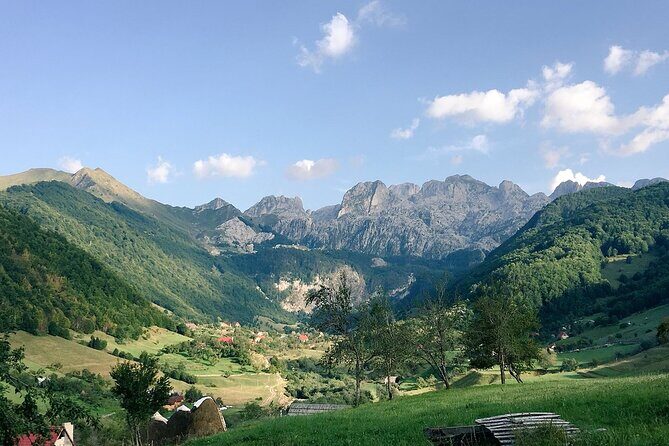
Day 7 is shorter on foot and heavier on culture. You have a city tour of Gjakova, focusing on its market and monuments.
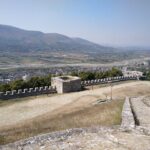
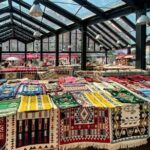
The centerpiece is the oldest and largest bazaar of Kosovo. The itinerary notes it was destroyed across multiple conflicts, then rebuilt back into its former state. For you, that means the bazaar is not just charming—it’s a symbol of recovery.
You’ll also see the clock tower and visit the Hadum Mosque, built in the 16th century. The mosque is noted for surviving wars and for showing early Islamic architecture in the Balkans, with arabesque decorations. It’s a lot of meaning packed into a compact site list.
After the city time, the transfer returns you to the Tirana area by bus (with a landing at the East Terminal Lundër 1 stop). If you’re staying elsewhere in Tirana, plan for the final hop to your hotel since it’s not included.
Price and value: what your $1,237.53 buys (and what it doesn’t)
At $1,237.53 per person for a roughly 7-day self-guided trek, you’re paying for two big things: (1) mountain logistics across multiple borders, and (2) accommodation in places that would take real effort to arrange on your own.
Included items include shared accommodation in traditional guesthouses or shepherd’s huts. Rooms fit 2–5 travelers, and there’s also an option for private rooms for an extra 40 euros per night per room (based on availability). You also get transport links handled by partners at key points: Tirana to Lepushe on day one, Gjakova-related transport on day seven, and specific transfer links like the Gropat e Erenikut to Gjakova move on day six.
You also get the less-glamorous parts included: cross-border pass, road taxes, petrol, plus breakfast listed as optional in the plan.
What’s not included is food beyond breakfast: lunches, dinners, drinks, and snacks. The listing gives a practical ballpark: about 12–15 euros per meal. That’s actually helpful for budgeting. You should assume you’ll spend extra most days, and carry snacks if you know you’ll want them mid-hike.
Group discount and a mobile ticket are mentioned as features, which can make the whole thing smoother if you’re traveling with friends. Just keep in mind the hike is limited to a maximum of 10 travelers, so you won’t get a huge crowd vibe.
Fitness and packing: the stuff that determines whether you love this or just survive it
This tour asks for a strong physical fitness level. The itinerary includes multiple long days at 6–8 hours and one day that can go to 10 hours if you add the Zla Kolate option.
Your biggest “success factor” is how you manage weight. The tour explicitly says you carry your belongings during the trek and recommends packing lightly. Excess luggage handling is possible but costly: there’s guidance that excess luggage transport may require additional booking, with fees listed as minimum 770€ for one person or €385 per person for groups. That’s enough to make you rethink any non-essential shoes, extra layers, or heavy toiletries.
Footwear matters too. The itinerary uses mule tracks and passes, plus there are canyon-like areas and snowy conditions possible on day four. Bring shoes that you already trust and socks you won’t regret by day three.
Finally, keep expectations realistic about hut comfort. Day five and parts of day four include shepherd’s hut lodging with basic beds. If you need hotel-level bedding to sleep, you can still do the trip, but you should choose your priorities and manage soreness.
Borders, routes, and staying flexible when the mountains change the plan
This trek is built around borders, so don’t treat crossing times like clockwork. The itinerary crosses Albania to Montenegro (Talijanka day one), goes back Albania (Theth day two), crosses again (Cerem to Doberdol), then moves into Kosovo (Gjeravica and onward).
Also note: the schedule can be affected by weather and external forces. So if a route is adjusted, it’s not a failure—it’s mountain reality.
One extra piece of practical “decision help” from feedback: if you’re offered route choices between Valbona and Cerem, consider the longer alternative option, but know it’s tough. One comment mentions an initial 800m climb at the start of that longer route. If you like challenge and pacing control, it can be worth it. If you want steady energy, stick to the main plan.
Should you book this Peaks of the Balkans self-guided tour?
Book it if you want a serious mountain trek that feels local and remote—where the point isn’t just views, it’s the way you move between villages, huts, and small towns. This is especially appealing if you like the idea of being self-guided but still having a real team check in (Brikena Shametaj and Sirma are repeatedly named for that support).
Don’t book it if you want a low-effort vacation with easy daily walking and soft accommodation. Hut nights are basic, some hikes run long, and you’ll spend your own money on lunches and dinners.
If you fit the fitness profile and can pack light, this is a strong way to experience the Peaks of the Balkans without turning your trip into a spreadsheet.
FAQ
How long is the Peaks of the Balkans self-guided tour?
The tour is listed as 7 days (approximately).
Where does the tour start and end?
It starts in Tirana, Albania at 8RJ3+WV5, Tiranë with a 6:00am start time. It ends at East Terminal Lundër 1, Albania.
What kinds of accommodations are included?
Included lodging is shared in traditional guesthouses or shepherd’s huts, with rooms that accommodate 2–5 travelers. Private rooms are possible for an extra 40 euros per night per room based on availability.
Are meals included in the price?
Breakfast is listed as optional. Lunches, dinners, drinks, and snacks are not included, and one meal is suggested at about 12–15 euros.
What transport is included?
Included transport covers multiple legs such as local transport from Tirana to Lepushe on day 1, from Gjakove to Prizren and from Prizren to the Tirana bus terminal on day 7, plus specific transfers on day 1 and day 6. Other local transfers not mentioned are not included.
Is this tour suitable for beginners?
No. The tour notes that travelers should have a strong physical fitness level and that it requires some hiking experience and good physical condition.
Will I need travel insurance?
Yes. The tour states that all participants are responsible for having their own health/travel insurance.