REVIEW · GJIROKASTER
Vegetarian Cooking Class @Teta Marjeta
Book on Viator →Operated by Experience Gjirokastra · Bookable on Viator
A home kitchen in Gjirokastër tastes personal. You start with Teta Marjeta’s welcome, sip raki made by her husband, then cook a local vegetarian menu in one of the city’s older neighborhoods. I love how the experience feels like an invitation, not a performance, with a warm group meal right after.
I also like the focus on three distinctly Gjirokastër dishes—Qofte Bobollaqe (yogurt-based), Qifqi (a rice dish), and Hasude (dessert)—so you learn flavors tied to the place you’re standing in. It’s structured but friendly, guided by Marjeta with English help if you need it.
One thing to consider: the menu is set and vegetarian, with dairy in at least one dish (the yogurt-based Qofte Bobollaqe). If you avoid dairy or have strict dietary needs, check with the operator first so you’re not surprised.
In This Review
- Key things worth knowing
- A home kitchen in Gjirokastër, run by Teta Marjeta
- Finding the meeting point: Cerciz Topulli square to Pazar i Vjeter
- What you actually cook: salad, Qofte Bobollaqe, Qifqi, Hasude
- Starter: Salad of the season
- Main: Qofte Bobollaqe (yogurt-forward)
- Main: Qifqi (rice dish, Gjirokastër-specific)
- Dessert: Hasude
- Inside the 2.5-hour class: hands-on, guided, and relaxed
- The meal part: raki, wine, and a proper chat at the table
- The recipe handout: bringing Qifqi and Hasude home
- Price and value: is $56.59 fair?
- Who should book this vegetarian class?
- Quick tips to get the most out of it
- Should you book Teta Marjeta’s vegetarian cooking class?
- FAQ
- FAQ
- What’s included in the Vegetarian Cooking Class @Teta Marjeta?
- How long is the cooking class?
- Where do we meet for the class?
- Is the class really in English?
- How many people are in a group?
- Can I cancel for free?
Key things worth knowing
- Raki welcome, plus a real sit-down meal with your group right after cooking
- Three local dishes taught step-by-step: Qofte Bobollaqe, Qifqi, and Hasude
- Small group size (max 10), which keeps the kitchen experience personal
- Short walk into Pazar i Vjeter from Cerciz Topulli square in the oldest neighborhood area
- English is supported, typically by a translator who stays with you throughout
- You get a recipe copy so you can recreate the meal at home
A home kitchen in Gjirokastër, run by Teta Marjeta
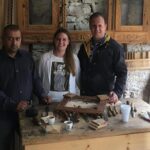
This class works because it’s built around one household, not a showroom. You’ll step into Teta Marjeta’s home, meet her in her own kitchen rhythms, and get a welcome drink before you start cooking. Her personality is a big part of why people remember the night—joyful, cheeky, and fully engaged in getting everyone fed and laughing.
There’s also something practical here: you’re not just watching food happen. You’re learning how these dishes come together, then you eat them at the same table with your guide and Marjeta. That hands-on loop—cook, then sit down and enjoy—is exactly what turns a meal into a story you can repeat later.
One more detail I appreciate: the class includes lunch, not just instruction. So you’re buying a full, satisfying experience for the price, with food covered rather than leaving you to hunt for dinner afterward.
You can also read our reviews of more cooking classes in Gjirokaster
Finding the meeting point: Cerciz Topulli square to Pazar i Vjeter
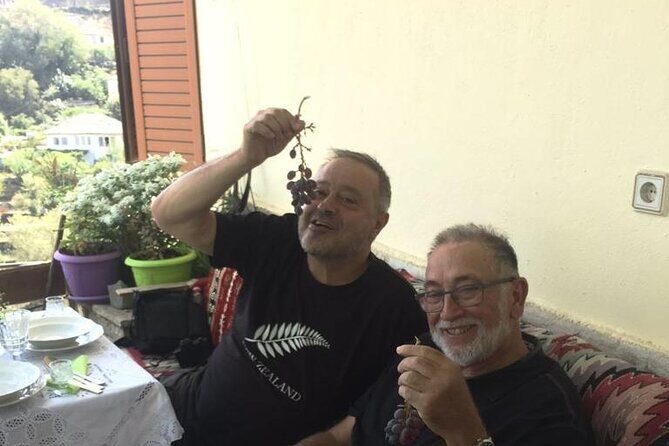
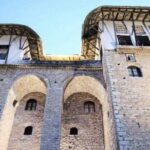
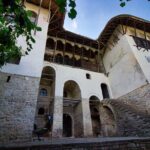
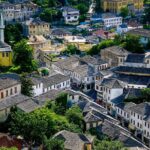
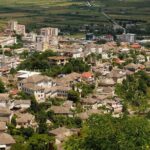
You’ll meet at Cerciz Topulli square, then walk over to one of Gjirokastër’s oldest neighborhood areas: Pazar i Vjeter. It’s a small “connect-the-dots” moment that helps you understand the setting. You’re not cooking in a generic venue; you’re moving through the part of town that still feels lived-in.
The walk is part of the experience, not an extra burden. Still, it’s smart to wear comfortable shoes. Old neighborhoods tend to be uneven, and you’ll appreciate being able to move easily before you step into the kitchen.
The tour ends back at the starting meeting point, so you don’t have to plan an extra transportation puzzle afterward. That makes it a clean add-on to a day in Gjirokastër.
What you actually cook: salad, Qofte Bobollaqe, Qifqi, Hasude
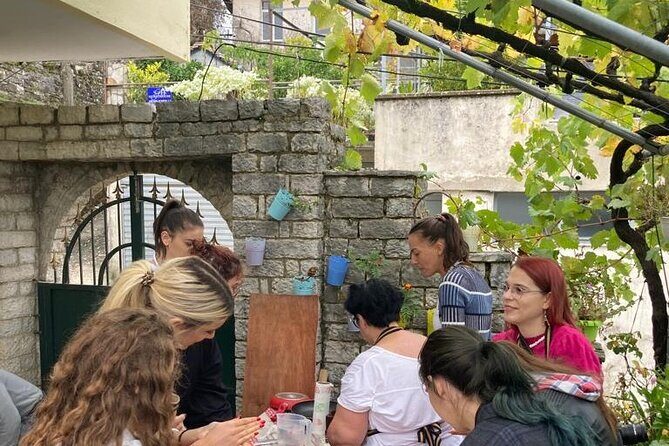
The menu is vegetarian, and it’s set in a way that makes sense for a home class: one starter, two mains, and a dessert. You’ll learn three dishes under Marjeta’s guidance, and everything is served with a seasonal salad prepared by Marjeta.
Starter: Salad of the season
The salad is the fresh, grounding side. You don’t need to guess what it’s like; it’s made for the season and served as part of the meal you’ll enjoy together. Since it’s already prepared, it keeps the class flowing so you can focus on the three main dishes you’re learning.
Main: Qofte Bobollaqe (yogurt-forward)
Qofte Bobollaqe is the yogurt-based dish. In practice, that tells you the dish is creamy and tangy rather than heavy with meat flavors. It’s also a great choice for vegetarians because it gives you depth and richness without switching to complicated substitutes.
Main: Qifqi (rice dish, Gjirokastër-specific)
Qifqi is where you get the strong “only-in-here” feeling. It’s described as the traditional Qifqis found only in Gjirokastër, and it centers on rice. Learning a local rice preparation is useful because it’s a recipe you can actually bring home and make even if you never cook anything else from Albanian cuisine.
Dessert: Hasude
Hasude is the sweet finish. Desserts are often the hardest part to learn in cooking classes, because they can be easier to get wrong later. That’s why it’s a good sign that this class includes a dessert taught as part of the core menu—not just a store-bought afterthought.
If you’re the type who likes to leave with a full menu you can repeat at home, this structure hits the mark. You’re not learning one dish and then hoping the rest of the meal tastes related.
Inside the 2.5-hour class: hands-on, guided, and relaxed
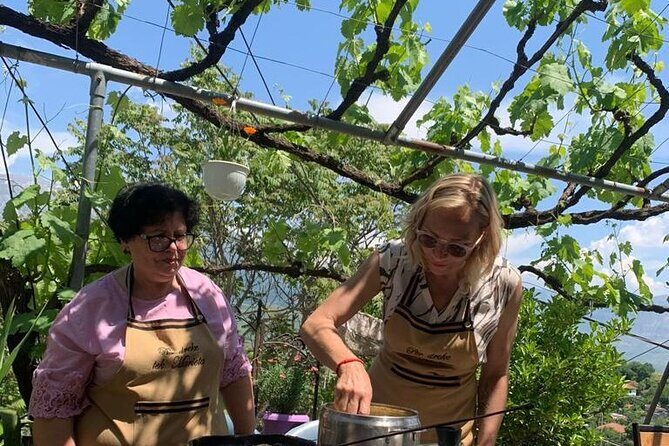
The class runs about 2 hours 30 minutes, give or take. The timing matters because it’s long enough to teach you something real, but not so long that you’re exhausted before you eat.
English support is included. The activity is offered in English, and the experience is designed to work even if you don’t speak Albanian. In past sessions, a translator has stayed with the group for explanations throughout, which helps you connect the what (the dish) with the why (the technique and the local feel).
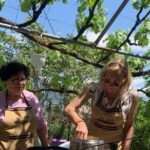
A key detail: you’re capped at 10 people. That small size helps in two ways. First, Marjeta can give attention to individuals rather than talking over a crowd. Second, it keeps the kitchen atmosphere friendly instead of frantic.
The class also isn’t just strict instruction. People mention the dinner setup and the overall environment, and that lines up with what this format is built for: cook together, then share the table. When the tone is light, you tend to remember what you did—and that’s what matters when you want to cook again later.
The meal part: raki, wine, and a proper chat at the table
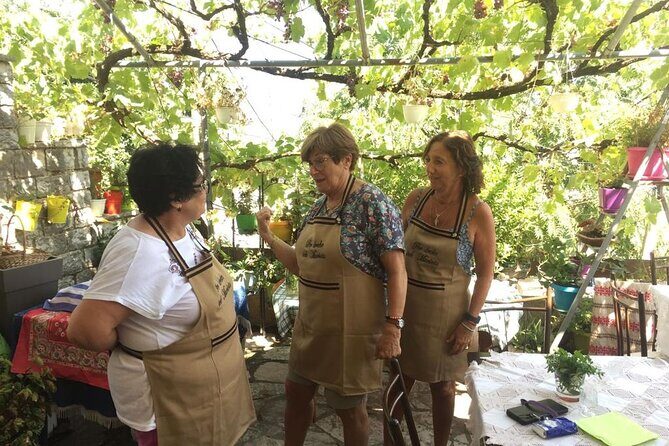
After cooking, you sit down to savor the dishes you made. This is where the experience turns from skills lesson into real cultural exchange.
You’ll be offered a complimentary glass of wine, raki, or a soft drink. That choice is useful if you want to sample local flavors without committing to alcohol, or if you’re simply not into raki. Either way, it gives the meal a celebratory feel.
You’ll also have time to chat with your group and guide. That’s not fluff. It’s the practical part of travel learning—asking questions while the food is right there, not trying to remember what you wanted to know later.
In at least some sessions, there’s also extra food beyond the main dishes taught. You may see more items appear at the table than you expected. That’s good news for your appetite and your odds of leaving with leftovers.
The recipe handout: bringing Qifqi and Hasude home
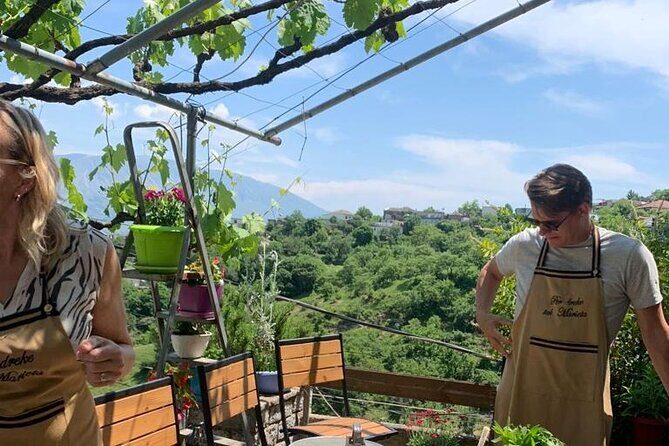
One of the best parts of this experience is that you get a recipe at the end. After your cooking and meal, you’ll receive the recipe of what you cooked so you can prepare the same dishes at home.
That matters because memory fades. A printed recipe—or however the operator provides it—lets you recreate the dish with enough accuracy that it won’t feel like a vague experiment. It also gives you a reliable starting point for ingredients and steps when you’re trying to match the texture you experienced in Gjirokastër.
If you’re trying to keep your travel souvenirs food-based (and you don’t want another magnet), this is a stronger souvenir than most. You get something you’ll actually use.
Price and value: is $56.59 fair?
At $56.59 per person, this isn’t the cheapest thing in town. But it does pack a lot into that price.
Here’s what you’re paying for:
- Instruction and guided cooking of three dishes
- Lunch included
- A complimentary drink (wine, raki, or soft drink)
- English support
- A recipe you can take home
- A small group setting (max 10)
In other words, you’re not buying a snack-sized cooking demo. You’re getting a full meal experience centered on real techniques and local specialties, then receiving the tools to repeat it later.
Timing also helps value. It’s about a 2.5-hour block, so it’s easy to fit into your day without losing an entire afternoon. And since it’s commonly booked about 6 days in advance, it’s smart to reserve early if your schedule is tight.
Who should book this vegetarian class?
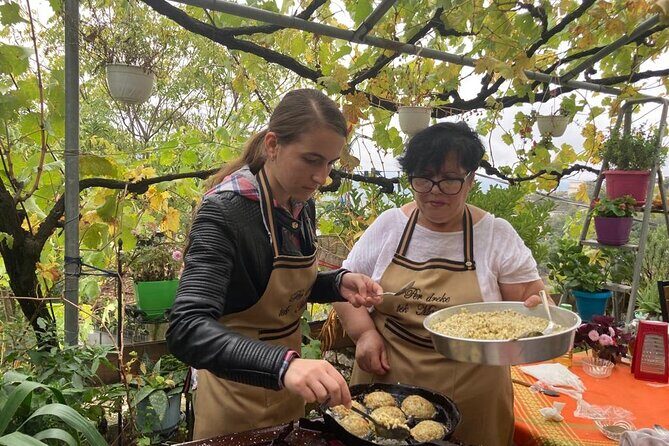
This class is a strong fit if you:
- Want hands-on cooking, not a passive food tour
- Prefer vegetarian meals and want recipes that still feel local
- Like small-group experiences where you can ask questions
- Want a souvenir you’ll use at home (recipe included)
- Are visiting Gjirokastër and want something grounded in daily life
It may be less ideal if you:
- Avoid dairy entirely (Qofte Bobollaqe is yogurt-based)
- Want a long multi-stop sightseeing day (this is focused on cooking and eating in one home setting)
If you’re traveling solo, the small group can also feel more personal. The cap keeps the atmosphere intimate enough that you’re not lost in a crowd.
Quick tips to get the most out of it
- Wear comfortable shoes for the walk to Pazar i Vjeter
- Come hungry, because lunch is part of the deal
- Mention dietary restrictions early if you need dairy-free or other adjustments
- Ask questions while you cook, not only after you finish
- Expect a mix of cooking and conversation—that’s where the local flavor lands
Should you book Teta Marjeta’s vegetarian cooking class?
Yes, if you want an authentic, home-style meal experience in Gjirokastër and you’re excited to learn local recipes you can repeat. The mix of raki welcome, small group size, and a full vegetarian menu (with dessert) makes it feel like a complete evening that just happens to be educational.
Book it sooner rather than later if your dates are fixed, since it tends to sell out with people planning about a week ahead. And if dairy is a concern, check in before you go so you can enjoy everything on the table without worries.
FAQ
FAQ
What’s included in the Vegetarian Cooking Class @Teta Marjeta?
Lunch is included, along with complimentary drinks during the meal (wine, raki, or a soft drink). You also receive a recipe of what you cooked at the end.
How long is the cooking class?
The class lasts about 2 hours 30 minutes.
Where do we meet for the class?
You meet at Cerciz Topulli square, starting from the area near ATM34FR+V28, Rruga Gjin Zenebisi, Gjirokastër, Albania. The activity ends back at the meeting point.
Is the class really in English?
The experience is offered in English, and an English translator is used to explain what’s happening and help with questions.
How many people are in a group?
The maximum group size is 10 travelers.
Can I cancel for free?
Yes. You can cancel for a full refund if you cancel up to 24 hours in advance of the start time. If the minimum number of travelers isn’t met, the activity may be canceled and you’ll be offered a different date/experience or a full refund.