REVIEW · TIRANA
Small Group Tour; Pearls of Albania in 8 Days (3 UNESCO Sites)
Book on Viator →Operated by Choose Balkans · Bookable on Viator
Castles, coast, and UNESCO sites, without the hassle. This 8-day small-group trip through Albania is built for easy logistics and three UNESCO stops, so you spend more time looking at real places and less time figuring things out. I especially liked the smooth hotel pickup and drop-off in Tirana and the way the route connects big sights like Shkodër, Berat, and Gjirokastër without unnecessary backtracking. One thing to keep in mind: this is a packed program with plenty of sightseeing days, so you’ll want solid stamina (and good shoes).
What makes this tour feel worth it is the combination of a private vehicle, a guide throughout the trip, and bed-and-breakfast stays with breakfast included for all seven overnights. In my reading of how this experience is delivered, the guide-led focus is practical and the lodging is described as clean and comfortable, with staff who try to make your stay easy. The schedule is great if you want guided context, but if you prefer long, loose afternoons with no plan at all, you might feel it’s busy.
In This Review
- Key highlights to know before you go
- 8 Days, 3 UNESCO Sites: how the route makes Albania make sense
- Small group (max 10) and private vehicle: the comfort advantage
- Price and what’s really included in the $2,278.09 rate
- Day 1 in Shkodër and Rozafa Castle: start with old walls and big views
- Day 2 to Theth National Park: mountains, herbs, and a classic high viewpoint
- Day 3 in Berat: the town of 1001 windows and living castle walls
- Day 4 in Gjirokastër: stone city fortress vibes and craft-filled streets
- Day 5: Blue Eye to Ksamil, then Butrint UNESCO in one smooth day
- Day 6 along the Riviera: Himarë and Dhermi for sea air and slower moments
- Day 7: Lungomare, Vlora’s independence story, and Durres seaside breaks
- Day 8 in Tirana: Bunk’Art 2, Skanderbeg Square, and the Blloku food vibe
- Getting the most out of the experience: comfort, meals, and timing
- Should you book Pearls of Albania in 8 Days?
- FAQ
- What time does the tour start?
- Is hotel pickup in Tirana included?
- How many people are in the group?
- Are entry tickets included?
- Is breakfast included?
- Is the tour refundable if I cancel?
Key highlights to know before you go
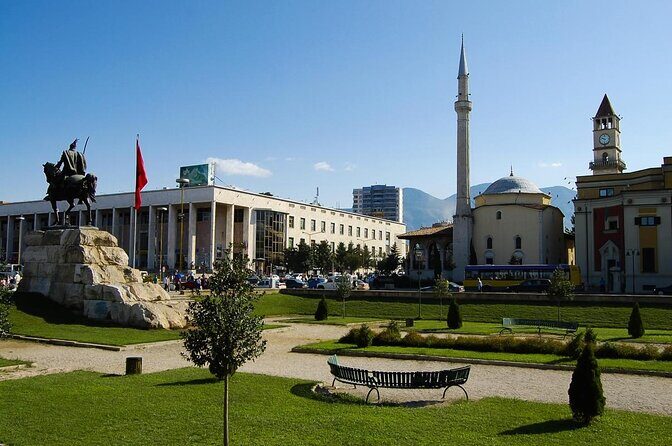
- Small group (max 10): you get more personal attention when questions come up.
- UNESCO trio: Berat, Gjirokastër, and Butrint are built into the flow of the week.
- Hotel pickup in Tirana: start and finish are meant to be low-stress.
- Private transportation all days: fewer coordination headaches on unfamiliar roads.
- Iconic natural stop: the Blue Eye is timed for a quick, memorable break.
- End in Tirana with culture: Bunk’Art 2 plus the lively Blloku neighborhood.
8 Days, 3 UNESCO Sites: how the route makes Albania make sense
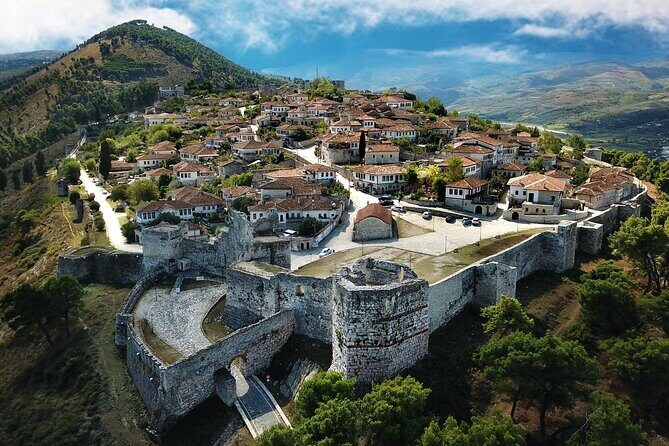
This tour is called Pearls of Albania for a reason: it strings together the country’s most compelling “why visit” moments into one clear loop. You start in Tirana, head north toward Shkodër and the Albanian Alps region (Theth area), then swing down to central and south Albania for Berat and Gjirokastër, before finishing on the Ionian coast with the Blue Eye, Ksamil, Butrint, Himarë, Dhermi, and Vlora. Then you return to Tirana to close with modern city life and a powerful Cold War museum stop.
The biggest win is pacing-by-design. Instead of doing one region and then starting over somewhere else, you follow a logical geography: mountains first, old stone towns next, and coast at the end. That makes Albania feel less like a list and more like a story you can actually follow as you travel.
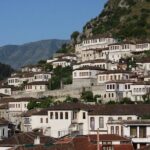
And yes, the UNESCO portion is real and specific. Berat is your “town of windows,” Gjirokastër is the “stone city,” and Butrint is the archaeological site sitting inside a nature-heavy national park setting. You’ll see why UNESCO matters, not just that it exists.
You can also read our reviews of more tours and experiences in Tirana.

Small group (max 10) and private vehicle: the comfort advantage
Group size matters in Albania because you’re moving through areas where public transport is not always the easiest solution. With a maximum of 10 travelers, you’re more likely to have a guide who can slow down when something is unclear, or answer your questions while you’re walking instead of rushing you back to the van.
The private transportation also changes how the days feel. You’re not running between buses, ticket counters, and unclear meeting points. Instead, the tour is built around a continuous day flow, with stops that match what you’re seeing. That’s especially helpful for castle visits and older city centers where it’s easy to lose time if you’re on your own.
One practical note: private doesn’t mean no walking. You’ll still be moving around at castles, old towns, promenades, and viewpoints. The tour is marked as suitable for most travelers, but you should be ready for uneven stone streets and steps where historic sites exist.
Price and what’s really included in the $2,278.09 rate
At $2,278.09 per person for about 8 days, you’re paying for more than sightseeing. You’re paying for entry tickets for the sites that are marked included, seven breakfasts, and transportation handled end-to-end with a professional guide.
What’s included (in plain terms) is:
- Bed-and-breakfast accommodations for every overnight
- Breakfast for 7 days
- Hotel pickup and drop-off in Tirana
- Private transportation throughout the trip
- Entry tickets for the sites that are scheduled to be visited
- Tourist taxes, road taxes, and petrol
What’s not included is also important to budget:
- Lunches, dinners, drinks, and snacks
- Souvenirs and personal spending
- Anything not listed above
So is it good value? For many people, yes—because the “hidden costs” of a self-planned trip add up fast in a country like Albania: transportation time, entry fees, and the mental load of coordinating routes. This tour trades flexibility for convenience. If you like guided structure and want to arrive at each highlight already set up, the price can feel fair.
If you’re the type who likes to eat slowly at random spots or take long detours just because you see a road sign you like, you’ll want to set aside extra time and money for that kind of freedom—since meals are not included.
Day 1 in Shkodër and Rozafa Castle: start with old walls and big views
Your first morning begins with hotel pickup in Tirana, then the tour leader takes you north toward Shkodër. This is one of Albania’s oldest cities, and the tour gives you a clear reason why it matters: Shkodër’s history stretches back thousands of years, and the oldest wall of the castle dates from the 1st millennium BCE. You also get the geopolitical layer, including references to the Illyrians and later Roman-era conflicts.
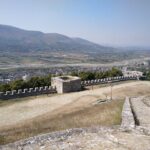
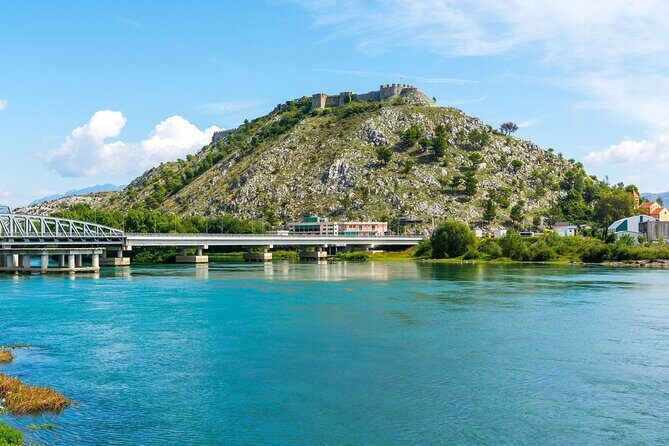
After settling into the city theme, you head to Rozafa Castle, where the views are the point. The castle sits above Shkodër Lake and the area where three rivers meet before reaching the Adriatic Sea. You’re not just looking at water—you’re seeing the geography that shaped the region’s power for centuries.
If you stay in Shkodër overnight, you’ve also gained something practical: it sets you up for a second day that can shift from city to countryside without long back-and-forth.
Day 2 to Theth National Park: mountains, herbs, and a classic high viewpoint
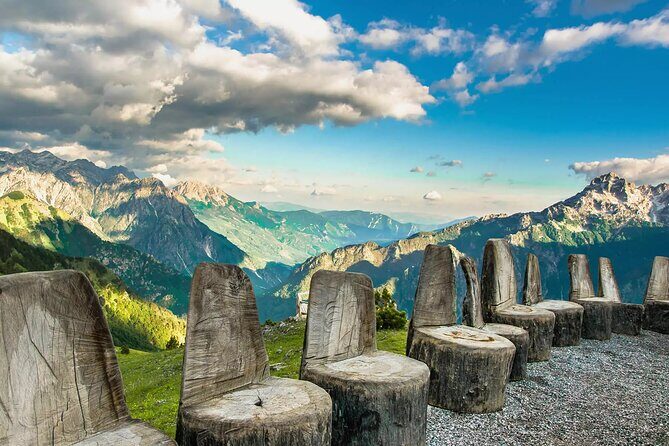
Day 2 is a switch from lake and city stone to rural mountain Albania. On the way to Theth National Park, the drive is built around changes in terrain: wild fields, rivers, and rugged mountains. You’ll also hear about local land use—this region is known for cultivating medicinal herbs.
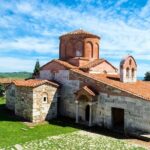
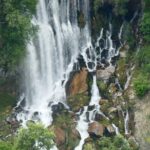
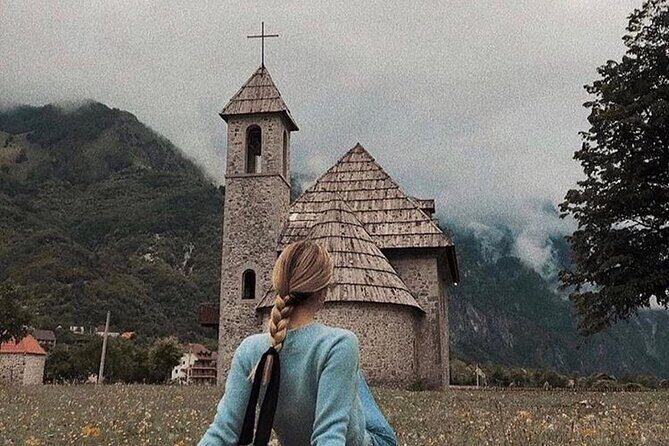
Then you get the “Albanian Alps” feeling. The route passes through Qafa e Thores, described as a steep hillside reaching about 1,700 meters above sea level and often considered one of the best picture stops in the area. From there, you arrive in Theth and visit the Old Church and the “Lock in” Tower, which the tour frames as a symbol for Theth.
One drawback to note: if you’re sensitive to long drives or changes in altitude, this is not a quiet day. It’s scenic, but it’s also active and outdoors-focused. Pack a light layer for temperature changes, and keep water handy even if you’re not told to.
You sleep again in Shkodër, which makes sense because the next day moves you back toward central Albania.
Day 3 in Berat: the town of 1001 windows and living castle walls
Berat is where the trip leans into “why people fall in love with Albania.” The tour calls it the town of 1001 windows, and once you walk the narrowed stone streets, you understand the nickname. The old houses stack up on steep hillsides, with windows creating a pattern of layers.
What I like about this stop is that it doesn’t treat Berat as just pretty scenery. It frames the city’s arc:
- Illyrian settlement in the 6th to 5th century BCE
- Later a castle city named Antipatrea in the 3rd century BCE
- And a key living detail: residents still live inside the castle walls
From there, you visit Berat Castle, which is positioned as a mix of medieval fortifications, churches and mosques, the lower town, an old stone bridge, museums, and even remains from the communist era.
You also stop at the National Iconographic Museum Onufri, linked to Onufri, a painter known for a specific reddish color that’s still hard to imitate. That kind of art-and-place detail is exactly what I want from a guided tour: it explains what you’re seeing in a way that feels grounded, not random.
Day 4 in Gjirokastër: stone city fortress vibes and craft-filled streets
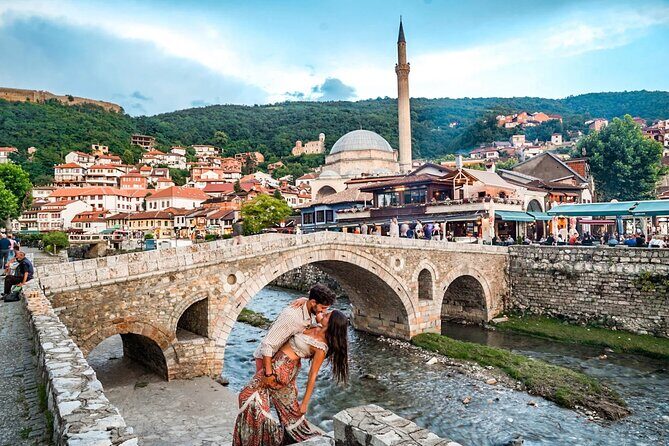
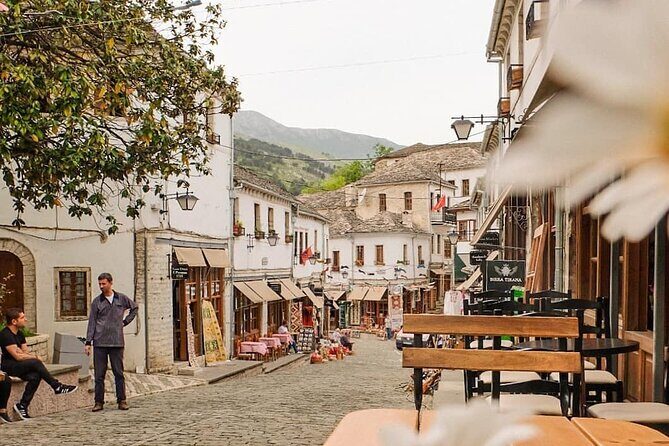
Gjirokastër is a UNESCO highlight that feels built for walking. The tour describes it as a “Stone City,” and you can see the logic fast: it’s a fortified city where houses function like small fortresses. You start with the castle context, then you go inside the lived-in old town.
You’ll visit Gjirokastër Castle, described as one of the best-preserved medieval towns in the Balkans. The tour also points out that it dates back to the castle foundations in the IV century A.D., and it highlights how the town becomes a cultural center during folklore and traditional music events that happen every five years.
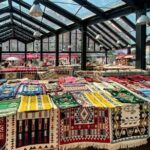
Then comes the sensory part: Gjirokastër Bazaar. This is where the old streets feel busy without being chaotic. You’re guided through a medieval market setting where you’ll see handmade crafts from local artisans and producers. Even if you don’t plan to buy anything, this is where you can understand local skills.
Finally, you visit Skenduli House, presented as one of the best-preserved houses where everything is original and authentic. Houses like this are often the most valuable stops on long tours because they turn “history talk” into a sense of daily life—how people built, arranged, and lived.
Day 5: Blue Eye to Ksamil, then Butrint UNESCO in one smooth day
This is one of the most fun days because it pairs a natural wonder with beach-time energy and then lands you at an archaeological UNESCO site.
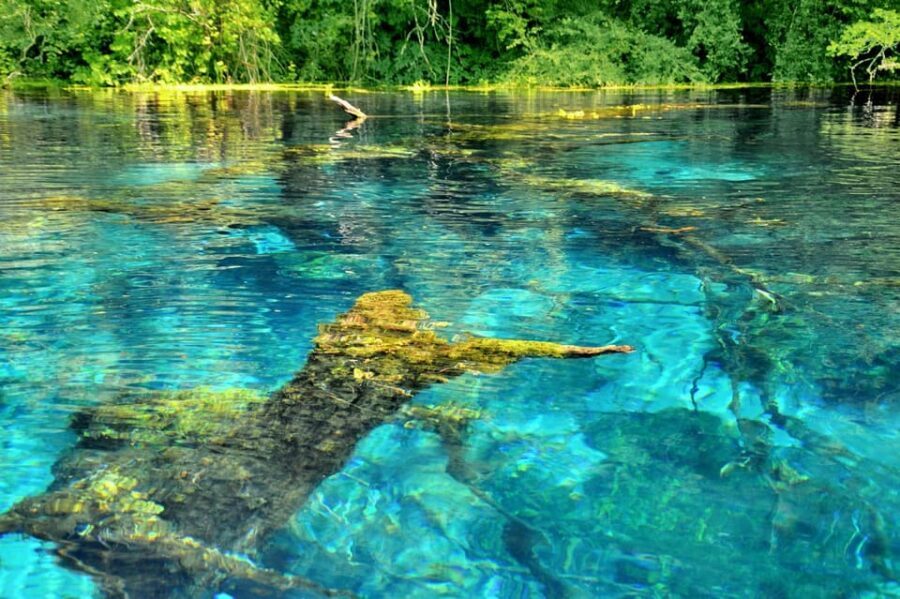
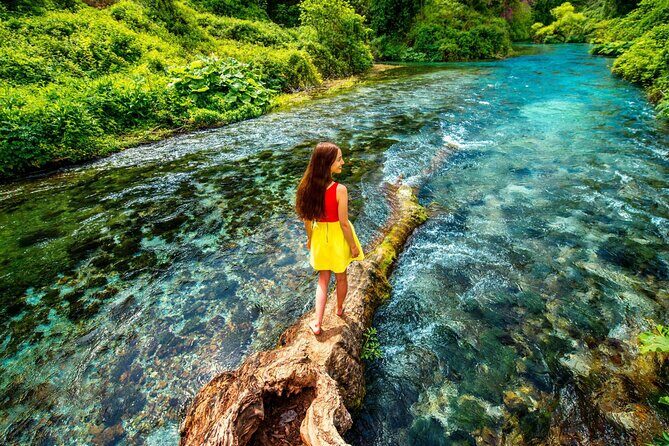
First, you visit the Blue Eye. The tour frames it as a source of fresh water coming from Mali i Gjere, reaching a depth that hasn’t been fully discovered, with divers reaching around 50 meters. The water temperature doesn’t go above 10 degrees, and the site is presented as crystal-clear—something you’ll want to see in person, not just in photos.
Next up is Ksamil, described as the pearl of the Albanian Riviera. You’re looking at white sandy beaches and crystal-clear water with views of four islands. The tour sets the tone with a Bora Bora style comparison, but you should treat it as a feeling more than a guarantee: bright water and soft sand are the point, and you’ll likely understand the hype quickly.
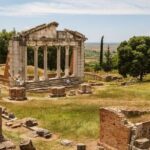
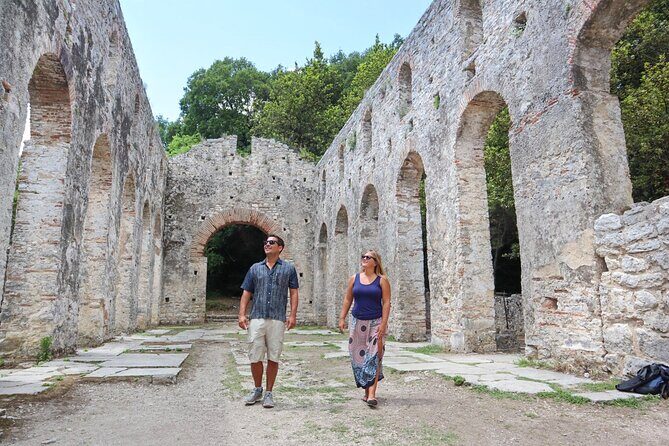
Then you wrap the day with Butrint National Park, the UNESCO site that the tour calls the most important archaeological area in Albania and the first Albanian site to be added to UNESCO. The ruins inside a nature-heavy park setting are what make it feel bigger than a quick stop.
Practical consideration: this is a long day with multiple “wow” stops. If you get motion-sick or you run cold easily in wind near the water, plan for it—especially after the Blue Eye, which is described as very cold.
Day 6 along the Riviera: Himarë and Dhermi for sea air and slower moments
Day 6 focuses on the coastline. As you drive along the Albanian Riviera, the tour mentions stops along the way and the scenery: beaches like Llamani, Dhermi, and Palasa, plus small villages built along rock faces by the sea with narrow pathways.
You reach Himarë first. The tour describes it as next to deep green forests and crystal-clear seas fringed with long white beaches. There’s also time built in for a walk by the seaside, plus local food with some Greek influence. Even simple choices matter here: a promenade stroll, fruit juice, and small souvenir shopping are all part of what you’re being offered.
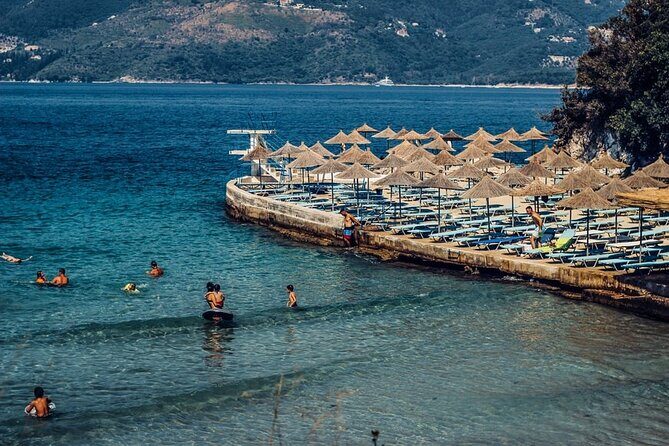
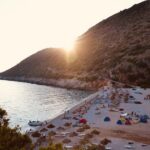
Then you head to Dhermi, known for hidden coves, pebble beaches, and clear water. This is where the trip gives you room to store some sun and just enjoy the day. Overnight is near Vlore, which sets you up for your last stretch in southern/central coastal Albania.
Day 7: Lungomare, Vlora’s independence story, and Durres seaside breaks
Day 7 is another mix of city meaning and coastal downtime.
You start with Lungomare, a seaside promenade where the Adriatic and Ionian Seas are described as meeting. There’s free time to walk and then grab a coffee with views of Sazani Island and the Karaburun Peninsula. It’s a good pace reset before you do more structured sightseeing.
Then you explore Vlora, framed as the City of the Flag. Independence was declared there on 28 November 1912. You’ll visit Flag’s Square and the Independence Monument, which gives you political context without turning it into a lecture.
You also visit Muradie Mosque, described as a stunning Ottoman building built in 1537 and preserved for nearly half a millennium. This kind of architectural continuity is one of Albania’s quiet surprises: different empires show up in the same streets.
After that, the tour drives toward Durres, passing by Roman ruins and a Venetian Tower, with an amphitheater mentioned as a point along the way. You finish with a break at the Vollga promenade, plus free time for coffee and the tour calls out traditional ice cream as a must-try.
At the end of the day you drive back to Tirana.
Day 8 in Tirana: Bunk’Art 2, Skanderbeg Square, and the Blloku food vibe
Your final day is built around Tirana’s contrasts: Ottoman, Italian, and communist-style architecture all in one place. The tour starts with an orientation walk, then heads to Skanderbeg Square, named for Gjergj Kastrioti Skënderbeu. You’ll see the National Museum, Bank of Albania, Opera House, Skanderbeg Statue, Ethem Beu Mosque, and the surrounding café scene.
Then you visit Bunk’Art 2. This is one of the more powerful stops on the route because it’s not just history in a building; it’s history designed as shelter. The bunker was created for Enver Hoxha and his party during the Cold War, kept secret until 2016, and then turned into a museum with a video exhibition about the communist army and daily life under the regime.
After that, you stroll toward Rruga Murat Toptani, described as a pedestrian street where modern and tradition overlap.
Finally, you finish in Blloku, Tirana’s lively neighborhood. The tour frames it as a food destination, from cheap street bites to higher-end options. That’s a great way to end, because you can choose how adventurous you want to be with your own last meals.
Getting the most out of the experience: comfort, meals, and timing
Because meals (lunches, dinners, drinks, snacks) aren’t included, you’ll want to budget daily for food even if breakfasts are covered. If you like trying local dishes, this is good news: you’ll have freedom, and you can also keep your spend under control by choosing simple meals along the way.
For comfort, bring:
- Comfortable walking shoes for castles and stone streets
- A light layer for cooler air near water and in higher spots like Theth viewpoints
- Patience for packed days (this tour is efficient, not slow-travel)
Also, while tipping isn’t required, the tour specifically recommends tipping the tour leader/driver as an international practice. If you’ve had good service, it’s a simple way to show appreciation.
And one practical tip: the tour offers mobile ticketing and includes entry tickets for scheduled sights, so you won’t have to waste time chasing confirmations on-site. That saves mental energy for looking at what you came for.
Should you book Pearls of Albania in 8 Days?
Book it if you want:
- UNESCO sites delivered with guide context
- A small group experience (max 10) that reduces stress
- Hotel pickup in Tirana and private transport throughout
- A mix of stone towns, mountain scenery, and coastal downtime
Consider skipping (or choosing a different format) if you:
- Want lots of free time with no set plan
- Prefer meals all planned by you, day by day, with minimal structure
- Have low tolerance for fast transitions between regions
My take: this tour is a strong “first time Albania” option. It’s especially good for people who like meaningful stops—Berat’s stacked-window streets, Gjirokastër’s fortress town feeling, Butrint’s UNESCO ruins, and Tirana’s Bunk’Art 2—without having to coordinate all the moving parts yourself.
FAQ
What time does the tour start?
The tour start time is 9:00 am.
Is hotel pickup in Tirana included?
Yes. Hotel pickup and hotel drop-off in Tirana are included.
How many people are in the group?
This tour has a maximum of 10 travelers.
Are entry tickets included?
Entry tickets are included for the sites that will be visited (as listed in the tour stops).
Is breakfast included?
Yes. Breakfast is included for 7 days (bed-and-breakfast accommodations for all overnights).
Is the tour refundable if I cancel?
No. This experience is non-refundable and cannot be changed for any reason.