REVIEW · GJIROKASTER
Prepare Osa with Teta Marjeta
Book on Viator →Operated by Experience Gjirokastra · Bookable on Viator
Three dishes, one welcoming home.
If you want real Albanian cooking (not a demo with zero hands-on), this Gjirokastër cooking class at Teta Marjeta’s house is a sweet way to spend an afternoon. You meet at Sheshi Çerçiz Topulli, walk to Marjeta’s home, and start with a drink while you get to know your group. The setting feels local right away, with a chef/host rhythm and a menu built around dishes from Gjirokastër.
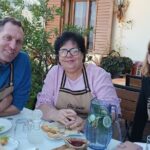
I especially love that you cook Osa, Qifqi, and Hasude from scratch, using fresh local ingredients. You’ll also get recipe cards at the end, so you’re not just eating and forgetting. And yes, Marjeta’s family setup can feel like a small, cozy show on the side—one review even calls out the veranda vibe and the warm welcome, with translator Besi helping everyone connect.
One consideration: since this happens in a private home and the group is capped at 10 travelers, the pace is lively and space is cozy. Also, drinking raki/wine is only for those aged 18+, so if you’re not there, plan on soft drinks instead.
In This Review
- Key Things to Know Before You Cook
- A Small-Group Cooking Class in Teta Marjeta’s Home
- Finding Your Way From Sheshi Çerçiz Topulli to the Kitchen
- The Welcome Drink and the Menu Setup (No Cooking Without Snacks)
- Cooking Qifqi: Rice-Based Starter Skills You Can Repeat
- Osa With Chicken: The Main Course That Feels Like a Local Signature
- Hasude Dessert: Ending Sweet, Not Just Finished
- Sitting Down to Eat: The Pairing Moment Matters
- Taking the Recipes Home (So This Isn’t a One-Day Memory)
- Price and Value: What You’re Really Paying For
- Best Fit: Who This Cooking Class Is For
- Should You Book Prepare Osa with Teta Marjeta?
- FAQ
- Where do we meet for Prepare Osa with Teta Marjeta?
- How long is the cooking class?
- Is the tour offered in English?
- How many people are in the group?
- What dishes will we cook?
- Are food and drinks included?
- Do you get recipe cards to take home?
- Is there alcohol during the experience?
- Can I cancel for free?
Key Things to Know Before You Cook
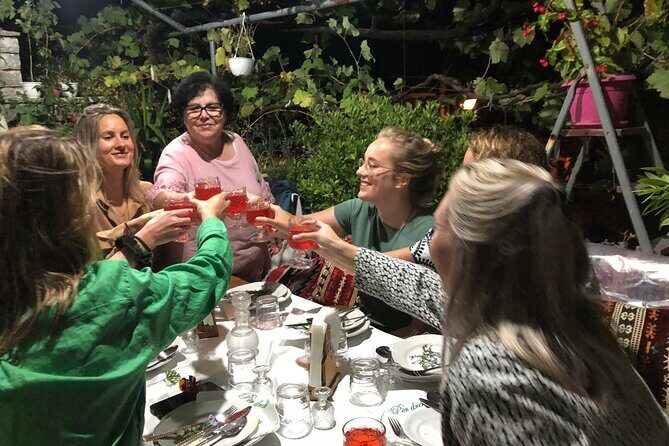
- A home-based class (small group): capped at 10 travelers, so you’ll actually get time at the work surface.
- Three signature dishes: Qifqi (starter), Osa (main), Hasude (dessert), plus a seasonal salad already prepared.
- Drinks are part of the experience: a raki welcome or soft drink, then pairing with wine/raki/soft drink while you eat.
- You’ll leave with recipes: recipe cards plus what you cooked so you can repeat it at home.
- Language support: taught in English, with help from translator Besi when needed.
- Fresh ingredients, Gjirokastër flavor: the menu focuses on local dishes you won’t easily find elsewhere.
A Small-Group Cooking Class in Teta Marjeta’s Home
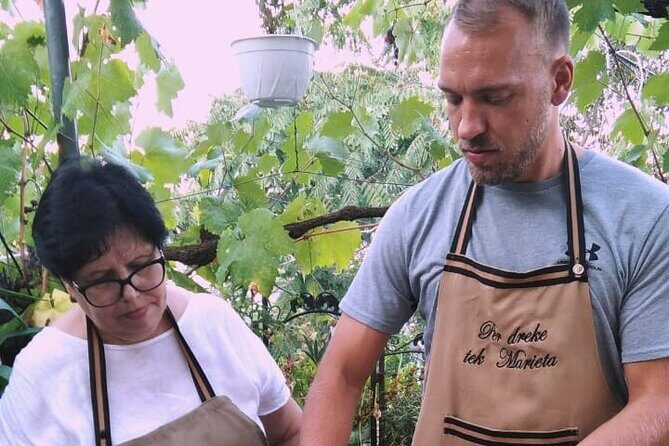
Gjirokastër can be all about stone streets and dramatic views. This class takes you one step deeper: into the kitchen life that makes the town’s food feel specific, not generic. You’re invited to Marjeta’s home, not a cooking studio with floor-to-ceiling cameras. That matters, because it keeps the focus on learning and eating with people, not performing for a crowd.
The class lasts about 2 hours 30 minutes, which is long enough to do real cooking, but short enough that it won’t eat your entire day in Albania. The group size is also important: with a maximum of 10 travelers, you’re less likely to feel like an observer. You get a turn at the steps, you ask questions, and you can actually follow along.
You’ll also start the experience with the social part first—this isn’t a cold, formal start where you jump straight to ingredients. After you meet, you walk over together, then you begin with a welcome drink and chatting time. That first ten minutes helps you relax, and it makes the cooking feel like a conversation rather than a task.
You can also read our reviews of more tours and experiences in Gjirokaster.
Finding Your Way From Sheshi Çerçiz Topulli to the Kitchen
Your starting point is Sheshi Çerçiz Topulli 5, Gjirokastër 6001. The activity ends back at the meeting point, so you don’t have to worry about arranging a second ride or walking back in the dark later.
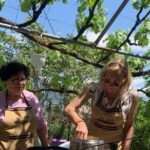
Once you gather at the square, you’ll meet the host and then walk over to Marjeta’s home. This walk is part of the experience. You’re getting your bearings in the town, and you’re building the “I’m in someone’s world now” feeling before you touch ingredients.
One practical note: since the class happens in a house setting, plan on being comfortable in a normal home environment—think close contact, a working kitchen workflow, and a schedule that moves because multiple dishes need to come together. If you like slow, quiet tours, this is still friendly, but it won’t feel like a museum pace.
The Welcome Drink and the Menu Setup (No Cooking Without Snacks)
Right after you arrive, the class begins with a glass of raki or a soft drink, depending on your preference. The point isn’t just alcohol—it’s the social opener. You’ll talk with your guide and groupmates before the ingredients come out.
Now for the food plan. You’re cooking a local set of dishes that are strongly tied to Gjirokastër:
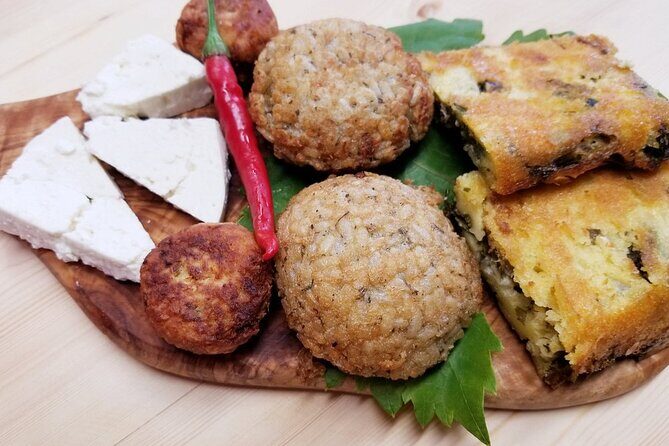
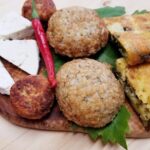
- Qifqis (starter): described as a traditional Gjirokastër dish, mainly rice-based.
- Osa (main): a local specialty—kind of a pasta combined with chicken.
- Hasude (dessert): a local dessert tied to the region.
Along the way, you’ll also be eating a seasonal salad that Marjeta has already prepared. That’s smart because it balances the heavier cooking work with something fresh. It also reduces pressure on the group, so you’re not juggling every single component at once.
While the class is hands-on, it’s not chaotic. The kitchen is organized around getting three recipes done and then sitting down to enjoy them as a finished meal.
Cooking Qifqi: Rice-Based Starter Skills You Can Repeat
The starter is Qifqis, the rice-focused Gjirokastër classic. This is a good dish for learning because rice-based cooking rewards attention. You’ll get a feel for how the texture changes as you work, and you’ll learn how locals shape and season this kind of dish.
Even if you’ve cooked rice before, this is different from throwing cooked rice into something last-minute. The point of the class is that you’re making it as a local recipe, with the steps taught in a home-kitchen style. You’re not just tasting—you’re understanding what makes Qifqi feel like Qifqi.
If you’re the kind of person who wants to take something practical home, this is one of the best parts of the menu: rice recipes are often easier to recreate than dishes that depend on very specific rare products.
Osa With Chicken: The Main Course That Feels Like a Local Signature
The main dish is Osa, described as a kind of pasta combined with chicken. That name alone is enough to tell you this isn’t a “similar to something you already know” kind of dish. It’s local identity on a plate.
Cooking the main takes more coordination than a starter, because you’re building layers: the pasta element, the chicken component, and the way they come together in the final result. This is where you’ll feel the most “hands-on” part of the class. It’s also where a small group is a real advantage—you’ll have room to work and ask the guide what you should watch for.
If you like food with comfort energy but still want something distinctly Albanian, Osa is the center of the menu for a reason. It’s the dish you’ll remember on your next grocery shopping trip.
Hasude Dessert: Ending Sweet, Not Just Finished
Dessert is Hasude, a traditional Gjirokastër dessert. You’re not just getting something sweet at the end; you’re learning a specific local finish to the meal. That matters, because dessert is often where cultural flavor shows up most clearly—how people like it, how they balance it, and what they call the taste of home.
In a cooking class, dessert can either feel like an afterthought or a true final lesson. Here, it’s part of the core trio, which means you’ll treat it like the other dishes: made by you, with guidance, then eaten with your group at the table.
Sitting Down to Eat: The Pairing Moment Matters
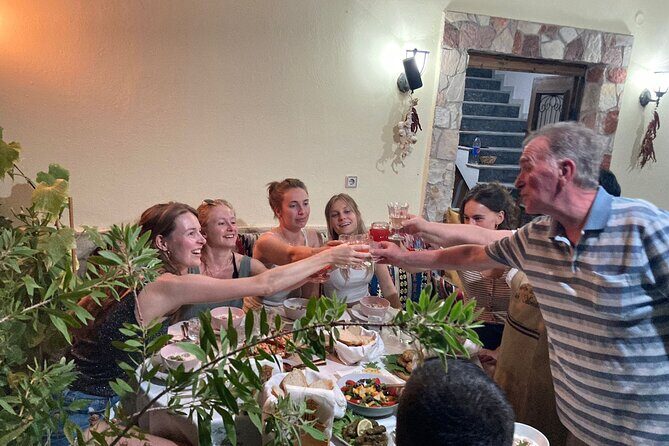
After you cook, you’ll sit down with your guide and Marjeta to savor the food you made. This is one of those “small but important” travel moments. It turns your cooking from activity into dinner—more like joining a household meal than attending a class.
You’ll also get a complimentary glass of wine, raki, or a soft drink paired with your menu. It’s a nice touch because your drink choice can match your comfort level. And again: the minimum drinking age is 18, so if you’re not drinking, you won’t feel like you’re stuck watching others enjoy.
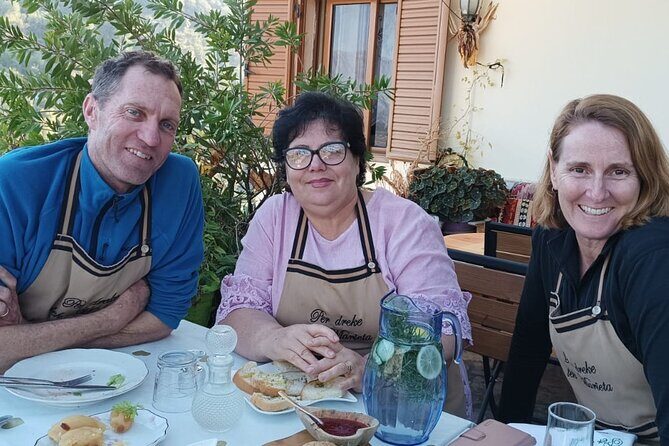
One review specifically mentions cooking on a cute veranda and pairing with wine, which fits the idea that the meal might happen in a relaxed outdoor/half-outdoor family space. That kind of setting makes the food taste better, mostly because you’re not rushed and you can talk.
Taking the Recipes Home (So This Isn’t a One-Day Memory)
One of the biggest practical wins here is that you’re given recipe cards at the end. That means you can recreate what you cooked, not just remember that it tasted good.
This is especially valuable for dishes like Osa and Hasude, where the ingredients and steps are easier to get wrong if you only rely on memory. Recipe cards cut that frustration down. You can make the dish again in your own kitchen with a real reference.
And if you’ve ever had a cooking class where you left with nothing but photos, you’ll appreciate this. Your goal shouldn’t be just a fun afternoon. It should also be usable knowledge.
Price and Value: What You’re Really Paying For
At $66.09 per person, you’re paying for more than ingredients. You’re paying for:
- A private home setting with a local host (Marjeta) opening her kitchen life to you
- A small group format (max 10), which helps you actually participate
- A full local menu: Qifqi, Osa, Hasude, plus seasonal salad
- Food and beverages included, including a welcome drink and pairing with your meal
- Recipe cards so the learning continues after you leave
When you think of it this way, the cost starts looking fair, even if you’ve paid less for cooking demos elsewhere. You’re getting a full meal experience plus structured instruction in English, with support from translator Besi.
Also, you’ll want to book early. This experience is often reserved about 37 days in advance on average, so don’t wait until the last minute if your travel dates are fixed.
Best Fit: Who This Cooking Class Is For
This class is a great match if you:
- Want authentic, local Gjirokastër food made from scratch
- Like small-group experiences where you can ask questions and participate
- Prefer home-style warmth over formal “tour bus” energy
- Plan to cook after your trip (recipe cards make that realistic)
It’s also a good option if you’re traveling solo or as a couple and you want a friendly social setting. The group size stays small enough that chatting doesn’t feel forced.
If you’re only interested in eating and you don’t want to do any cooking at all, you might find it more work than you want. But if you’re curious and willing, the hands-on part is the whole point.
Should You Book Prepare Osa with Teta Marjeta?
Yes, I’d book it if you want a memorable Gjirokastër experience that goes beyond viewpoints. The combination of three traditional dishes, a home welcome with drinks, and takeaway recipe cards makes it both fun and useful. Plus, the small group size keeps the experience personal.
I’d pass or reconsider if you dislike hands-on cooking or if you prefer fully formal restaurant-style settings. And if you’re sensitive to an active kitchen rhythm, know that a home class moves with a cook’s timeline—not a slow sightseeing schedule.
If you’re in Gjirokastër and you want one afternoon that actually teaches you something, this is a solid choice.
FAQ
Where do we meet for Prepare Osa with Teta Marjeta?
Meet at Sheshi Çerçiz Topulli 5, Gjirokastër 6001, Albania.
How long is the cooking class?
It runs about 2 hours 30 minutes.
Is the tour offered in English?
Yes, it’s offered in English.
How many people are in the group?
The class has a maximum of 10 travelers.
What dishes will we cook?
You’ll prepare Qifqi (starter), Osa (main), and Hasude (dessert). You’ll also have a seasonal salad.
Are food and drinks included?
Yes. Afternoon tea and beverages are included, and you’ll also receive a complimentary glass of wine, raki, or a soft drink with your meal.
Do you get recipe cards to take home?
Yes. A recipe of what you cooked is provided at the end, and recipe cards are included.
Is there alcohol during the experience?
Raki and/or wine are part of the experience, but the minimum drinking age is 18. Soft drinks are also part of the menu options.
Can I cancel for free?
Yes. You can cancel for a full refund up to 24 hours before the experience’s start time.