REVIEW · GJIROKASTER
Walking Tour “The Old Bazaar, Cfake, Dunavat, Ali Pasha Bridge”
Book on Viator →Operated by Experience Gjirokastra · Bookable on Viator
One great walk can change how a city feels. This one takes you past the usual highlights and into Gjirokastër’s quieter lanes, with Old Bazaar cobblestones and the Ali Pasha Bridge aqueduct remnant as the payoff.
I like that the route is built around real neighborhoods you can still imagine living in, not just photo stops. I also love the way the guide connects architecture, bridges, and daily life so the town makes sense as you walk. The one thing to plan for: it’s a 3-hour walk on not-so-comfortable terrain, so good sneakers matter.
You start in the heart of the old town at Cerciz Topulli Square, then work your way outside the castle walls to areas most visitors skip. After that, the views steadily open up—especially as you approach the bridge and the old water system tied to Ali Pasha Tepelena.
In This Review
- Key points to know before you go
- From Cerciz Topulli Square to the quieter “real” Gjirokastër
- Old Bazaar lanes under the castle walls (where the town thins out)
- Zerzebili bridge: a short crossing with a story behind it
- Cfaka: old houses, sheep on the hills, and a tekke visit
- Ali Pasha Bridge: the aqueduct that supplied the castle
- Guides make or break this kind of walk
- Price and value: $18.06 for real streets and real context
- Timing and pacing: what 3 hours feels like in practice
- Who should book this tour (and who should skip it)
- Should you book the Old Bazaar, Cfaka, Dunavat, Ali Pasha Bridge walk?
- FAQ
- What is the duration of the walking tour?
- How much does the tour cost?
- What time does the tour start?
- Where does the tour meet?
- Is there an English-speaking guide?
- What’s included in the price?
- Is the tour a mobile-ticket experience?
- How many people are in a group?
- Is the terrain difficult?
- Can I bring a service animal?
- Does weather affect the tour?
Key points to know before you go
- Lesser-visited streets under the castle: Old Bazaar lanes with older houses and cobblestones.
- A bridge moment that connects history: Zerzebili bridge on the way through the neighborhoods.
- Cfaka’s character and a Bektashi tekke: You’ll pass old houses and a tekke connected to the Bektashi Order.
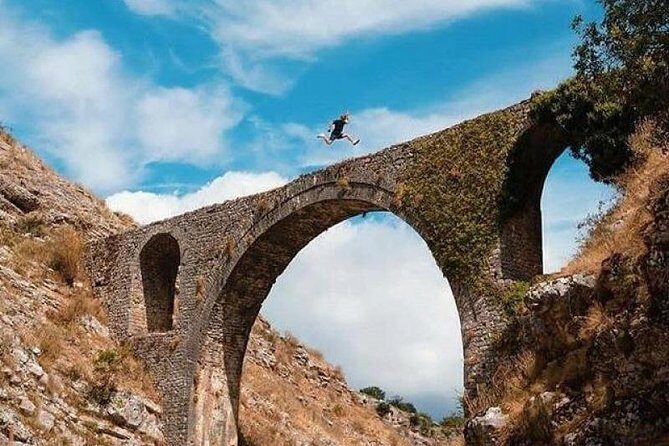
- Ali Pasha Bridge has a purpose: It’s tied to an aqueduct built more than 200 years ago.
- Small-group feel (up to 30): Easier pacing and more back-and-forth with your guide.
- Terrain needs respect: Plan for uneven ground and hills—this is a walking tour, not a sightseeing drive.
From Cerciz Topulli Square to the quieter “real” Gjirokastër
The meeting point is at Experience Gjirokastra on Rruga Gjin Zenebisi, with the walk starting at 9:30 am. You end back at the same spot, so you don’t have to worry about figuring out how to get home afterward.
What I like about this start is the logic of it. You begin in the center of the old town at Cerciz Topulli Square, then you gradually shift from the most famous postcard area into the first neighborhood outside the castle walls. That gradual change matters: it lets you see how Gjirokastër’s layers connect, from the castle world down into the everyday streets.
You can also read our reviews of more walking tours in Gjirokaster
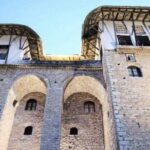

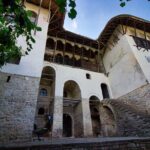
Old Bazaar lanes under the castle walls (where the town thins out)
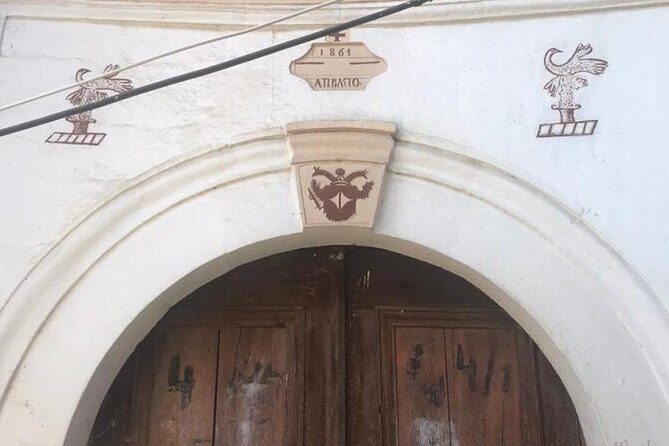
Your first big focus is the Old Bazaar area, which—according to the tour’s framing—is not a bazaar anymore. That’s a good sign. It means you’re walking through a historic quarter rather than a modern market strip.
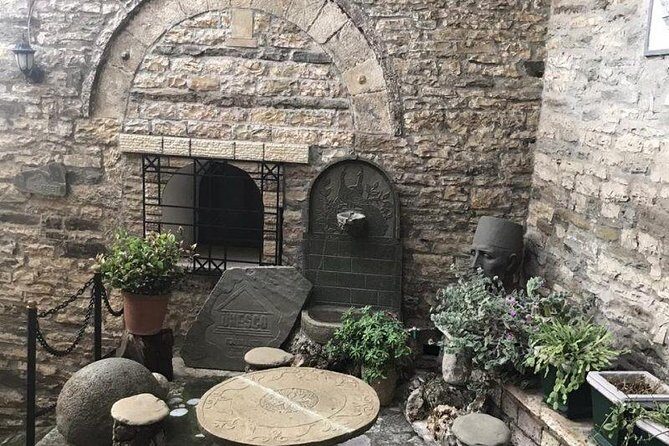
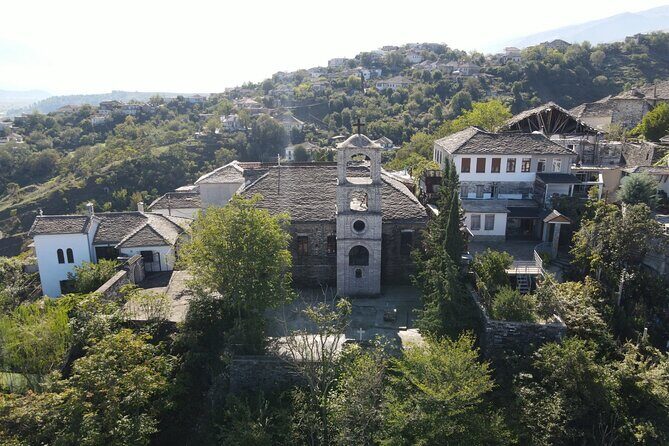
Here’s what you can expect to notice as you go: characteristic cobblestones underfoot and some of the oldest houses along these streets. These details aren’t just decoration. They show you how people built for the landscape and for defense—tight street plans, durable paving, and houses that look like they belong to the slope.
What you’ll like: the vibe is more lived-in and less scripted. You’re walking where the castle shadow still feels present.
One thing to consider: cobblestones can feel rough depending on your shoes and the weather, so don’t show up in flimsy footwear.
Zerzebili bridge: a short crossing with a story behind it
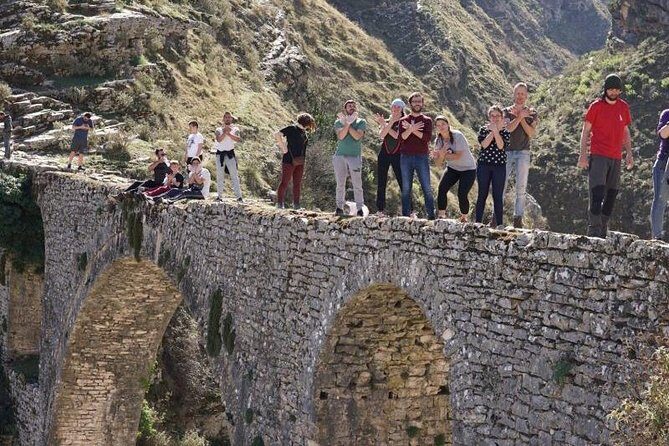
After the Old Bazaar neighborhood, you pass Zerzebili bridge. Bridges in places like Gjirokastër aren’t just crossings—they’re checkpoints in the town’s layout. Even if you only spend a few minutes at the bridge itself, the point of stopping there is to help you orient the rest of the walk.
This stop also sets up the next change in scenery: you’re moving into another ancient neighborhood. The bridge feels like a hinge, not a detour.
Cfaka: old houses, sheep on the hills, and a tekke visit
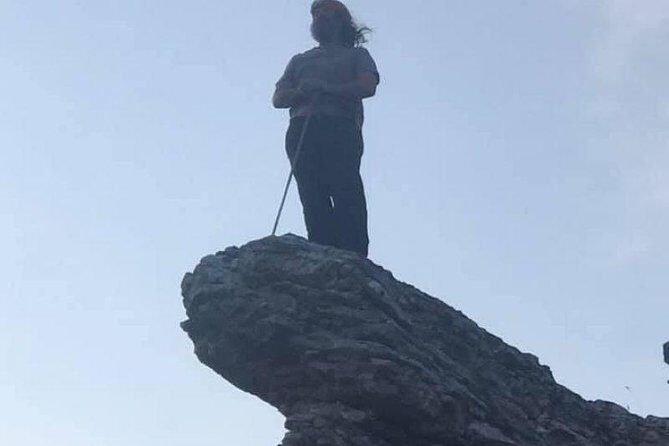
Cfaka is where the tour turns into something more than architecture. You’ll move through old houses—some described as first monument category—and then you’ll also encounter a tekke tied to the Bektashi Order.
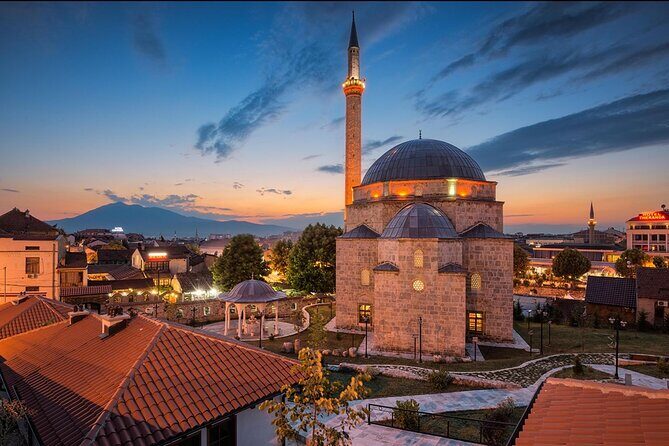
If you’ve never seen a tekke in context, this is a strong way to understand it. Instead of treating it like an isolated landmark, you see it embedded in the neighborhood fabric—alongside homes and the natural edges of the town.
The other half of Cfaka is the outdoorsy side of Gjirokastër. The route brings in nature cues: you’ll get scenes with many sheep on top of the hills, plus that sense of the town pressing against its surrounding slopes. This is one of the reasons I think this walk works even if you’re not chasing museum-style content. It shows the relationship between built space and the countryside.
What to expect on your body: as you keep moving through Cfaka, plan for uneven ground and slight climbs. It’s manageable for most people, but it’s not a flat stroll.
Ali Pasha Bridge: the aqueduct that supplied the castle
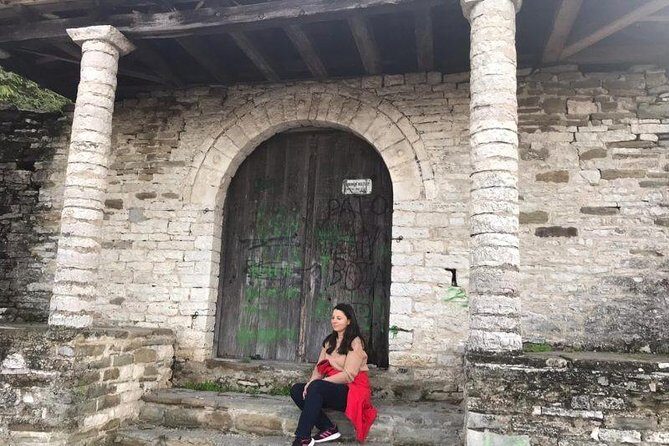
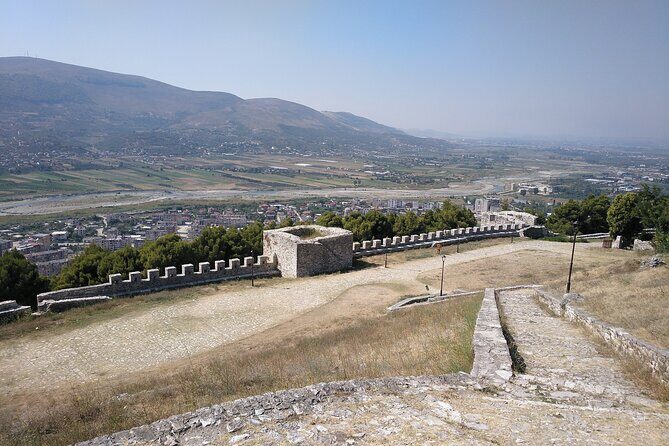
By the time you reach Ali Pasha Bridge, the walk starts to pay you back. The bridge is presented as a remaining of the aqueduct Ali Pasha Tepelena built over 200 years ago, designed to bring water to the castle.
This is the kind of historical detail that turns a landmark from “nice view” into “how the system worked.” Once you understand that it was about supplying water, you can look at the bridge’s survival differently. It stops being just a dramatic structure and becomes evidence of planning, engineering, and daily needs centuries back.
One practical note: the tour framing is honest about the terrain and how you reach the bridge. The walk toward it involves going through neighborhoods for the views rather than just heading straight there.


Guides make or break this kind of walk
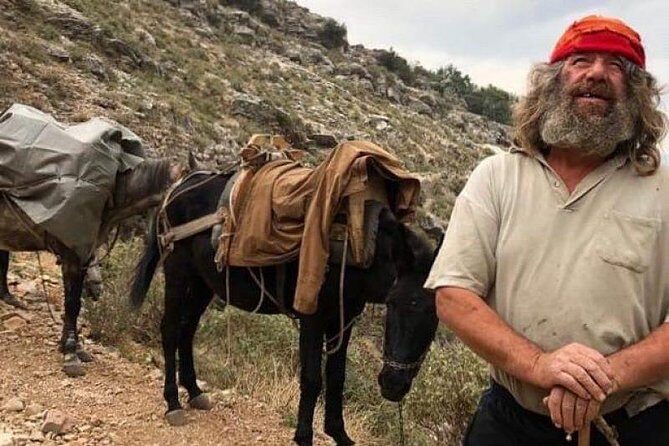
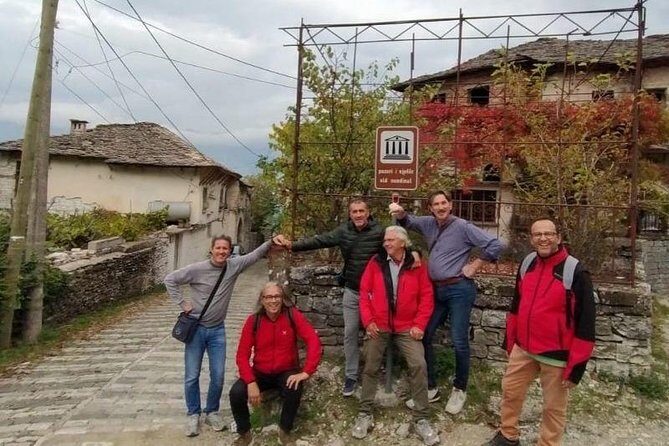
This is the sort of tour where your guide’s style matters. In this case, the guides are clearly comfortable explaining Gjirokastër with clarity and personality. You may experience teaching that feels like you’re walking with a couple of informed friends, not sitting through a lecture.
I also like that the guiding approach can be flexible. Some guides take time to adjust pacing to what you’re most curious about, and if there’s extra time, they may point out other sites along the way. That matters on a walking tour because it keeps the energy up instead of sticking to a rigid script.
Examples of guide names you might encounter include Marco, Mario, Arli, and Viki. The theme across them is consistent: they connect history to what you’re seeing right now, and they work to keep the walk engaging.
Price and value: $18.06 for real streets and real context
At $18.06 per person for about 3 hours, this tour is priced like a good deal, not a budget bargain. The reason is simple: you’re paying for a guide, but you’re also getting a structured route through neighborhoods you might not find on your own—especially the parts described as the magic people skip.
Add in these value boosters:
- A walk-based route that uses the geography of Gjirokastër to teach you.
- Compact group size (up to 30), which helps the pace and questions.
- A clear main goal (Ali Pasha Bridge), tied to a specific historical function (the aqueduct).
If you’re the type who likes to understand where you are—how town planning, old houses, and water systems connect—this is good value.
Timing and pacing: what 3 hours feels like in practice
The tour runs for roughly 3 hours, starting at 9:30 am. That’s a smart length for Gjirokastër. Long enough to move through multiple neighborhoods and reach Ali Pasha Bridge with context, but short enough that you’re not forced into a full-day commitment.
Still, remember this: the tour asks you to be prepared to walk on not-so-comfortable terrain. That means you should plan for breaks to catch your breath, not just for photo pauses.
I’d treat it like a workout-light plus storytelling. Bring water if you normally do on walks, and plan your day around the fact that you’ll have sore feet afterward if you’re not used to cobblestones.
Who should book this tour (and who should skip it)
This tour is a good match if you want:
- Authentic streets over big-name sights
- Architecture plus everyday neighborhood context
- A guided explanation tied to what you see, especially around Ali Pasha Bridge
It’s also a nice choice if you’re curious about religious heritage, since you’ll pass a tekke connected to the Bektashi Order.
I’d be cautious if:
- You dislike uneven ground or have limited mobility
- You’re looking for a low-effort, mostly flat stroll
The tour is described as suitable for most travelers, but that “most” still means you’ll be walking.
Should you book the Old Bazaar, Cfaka, Dunavat, Ali Pasha Bridge walk?
I’d book it if you want to feel like you’re seeing the town rather than just ticking off landmarks. The route is built to connect neighborhoods—Old Bazaar under the castle walls, Zerzebili bridge, Cfaka with its tekke, and finally Ali Pasha Bridge as a surviving aqueduct link to Ali Pasha Tepelena.
Skip it if you’re only here for the quickest views or you don’t want to deal with cobblestones and uneven terrain.
My rule of thumb: if you’re excited by the idea of walking through historic quarters that aren’t museum-like, this tour fits your style.
FAQ
What is the duration of the walking tour?
It lasts about 3 hours.
How much does the tour cost?
The price is $18.06 per person.
What time does the tour start?
The start time is 9:30 am.
Where does the tour meet?
The meeting point is Experience Gjirokastra, Rruga Gjin Zenebisi, Gjirokastër, Albania.
Is there an English-speaking guide?
Yes, the tour is offered in English.
What’s included in the price?
The guide is included.
Is the tour a mobile-ticket experience?
Yes, you’ll receive a mobile ticket.
How many people are in a group?
The tour has a maximum of 30 travelers.
Is the terrain difficult?
You should be prepared to walk on not-so-comfortable terrain, so wearing sneakers is a good idea.
Can I bring a service animal?
Service animals are allowed.
Does weather affect the tour?
Yes. It requires good weather. If it’s canceled due to poor weather, you’ll be offered a different date or a full refund.