REVIEW · TIRANA
4-Days UNESCO Towns and Albanian Riviera Tour
Book on Viator →Operated by Enjoy Travel · Bookable on Viator
Four days can feel like a whirlwind. This Albania tour strings together UNESCO towns and Ionian-coast viewpoints with an air-conditioned ride and a smart mix of history and seaside time.
Two things I really like about this experience are the included accommodation (so you can stop thinking about where you’ll sleep) and the way it pairs Ottoman-era towns with archaeological stops like Butrint National Park. One possible drawback: the schedule is packed, so beach lovers should know the free sea time in Sarandë is limited, and you’re spending a fair amount of the day in transit.
In This Review
- Key highlights you’ll feel right away
- The big idea: UNESCO towns plus a real slice of the Riviera
- Price and value: what $806.76 buys you in practice
- Day 1 in Tirana: where you get history, symbols, and street-level context
- The Enver Hoxha Pyramid stop: quick, and very much a mood
- Belsh and Berat: a calm inland interlude before the castle city
- Gjirokastër: Ottoman houses with family-guided details
- Butrint National Park and Sarandë check-in: ancient ruins, then sea air
- Qeparo Beach: the sand-and-shallow-water stop that suits families
- Porto Palermo Castle and Ali Pasha vibes: dark rooms, big sea views
- Llogara Pass photo moments: short stop, big payoff
- Vlorë Independence Center and Durrës Roman anchors: finishing with scale
- Durrës Amphitheatre: included ticket and a real sense of size
- Venetian Tower and city walls: the defensive line you can walk around
- What kind of traveler this fits best
- My booking advice: should you book it?
- FAQ
- What time does the tour start?
- Is pickup offered from the airport or port?
- How many people are in the group?
- What languages is the tour offered in?
- What’s included for lodging and food?
- Which major attractions have included or free admission?
- Does the tour include beach time on the Albanian Riviera?
- What’s the cancellation policy for a full refund?
Key highlights you’ll feel right away
- Max 8 travelers means the pace stays relaxed enough for real questions
- Air-conditioned vehicle makes the inland-to-coast driving much easier
- UNESCO-focused route with Berat, Gjirokastër, and Butrint National Park
- Serious sight anchors like the Durres Amphitheatre and Durrës city walls
- Beach time at Qeparo with fine sand and shallow water early on
- Guide support includes guided house visits and practical food suggestions from Genci
The big idea: UNESCO towns plus a real slice of the Riviera
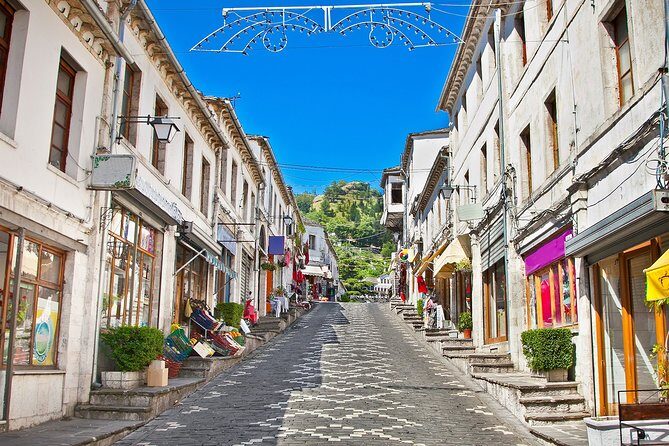
This trip works because it doesn’t treat Albania like just one thing. You start in the capital’s layers, then shift inland to hill towns with centuries of architecture, and finally slide down to the Ionian coast where the day-to-day rhythm feels different.
You’ll be moving between places where you can literally see history—Tirana’s communist-era remnants, Berat’s castle skyline, Gjirokastër’s stone homes, and the ancient ruins at Butrint. Then the tour gives you a breather with coastal stops like Qeparo Beach and photo moments along the Riviera route.
It’s also a small group (up to 8). That matters. With fewer people, guides can slow down when you have questions, and you’re not constantly playing catch-up.
You can also read our reviews of more tours and experiences in Tirana.

Price and value: what $806.76 buys you in practice
At $806.76 per person for an approx 4-day tour, the value comes from three places: transportation comfort, guided time, and built-in costs.
First, the tour is driven in an air-conditioned vehicle. For Albania, where you can go from inland roads to coastal stretches, that comfort is not a luxury detail—it’s what keeps the day from feeling draining.
Second, the tour includes accommodation and some meals. Even without knowing every menu item in advance, that’s a real budgeting win. When lodging is handled, you’re not spending time comparing hotels, and you’re more likely to eat well because the plan already accounts for meal breaks.
Third, multiple entry tickets are either marked free or included. For example, you’ll have included access for Skenduli House, Butrint National Park, Porto Palermo Castle, and Durres Amphitheatre. Those are the kinds of stops where paying on the spot would add up fast if you were building your own route.
Day 1 in Tirana: where you get history, symbols, and street-level context
Your mornings start at 8:00 am, with pickup typically arranged from the airport or port. The guide meets you holding the company name, which cuts down on that first-day stress.
In Tirana, the schedule reads like a guided walk through the city’s most recognizable storylines. You start at Skanderbeg Square, then move along the central boulevard area, with stops that reference major civic spaces and landmarks.
You’ll also pass by and hear about places tied to Albania’s modern political history, including the Bunker zone and the Pyramid area. The tour also covers Mother Theresa Square and the blloku district, which is known for being one of Tirana’s most frequented zones.
A detail I appreciate here is the mix of formal and everyday Tirana. You’re not only looking at monuments. You’re getting a feel for how the city’s key spots connect, including the Mosaic of Tirana and time near the Tirana National Park area.
If you want museum time, there’s an optional visit to the National Historical Museum. That’s a helpful add-on if you’d rather trade one outdoor stop for an indoor context piece.
The Enver Hoxha Pyramid stop: quick, and very much a mood
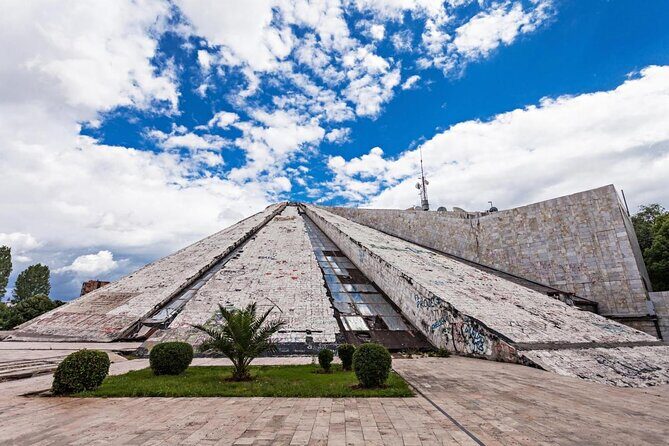
The Enver Hoxha Pyramid is on the route for a short stop—about 10 minutes with explanation. The building has the air of a political relic: designed by Enver Hoxha’s daughter and son-in-law, completed in 1988, later repurposed, and today surrounded by layers of modern reality.
This isn’t a long museum session. It’s more like a guided snapshot—enough to understand why it’s controversial and why it looks the way it does now. If you prefer slow museum time, consider using that energy later for the Ottoman and ancient sites where you’ll have longer guided experiences.
Belsh and Berat: a calm inland interlude before the castle city
After Tirana, the tour drops you into Belësh, a small town set among multiple lakes. This is one of those stops that can feel quiet on purpose. It’s mostly agricultural land, and the town isn’t pushed as a tourist magnet.
I like this kind of pause. It gives your route variety. After the dense symbolism of Tirana, Belësh feels like breathing room. You’ll have about two hours, which is long enough for a proper reset, not just a quick photo.
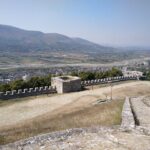
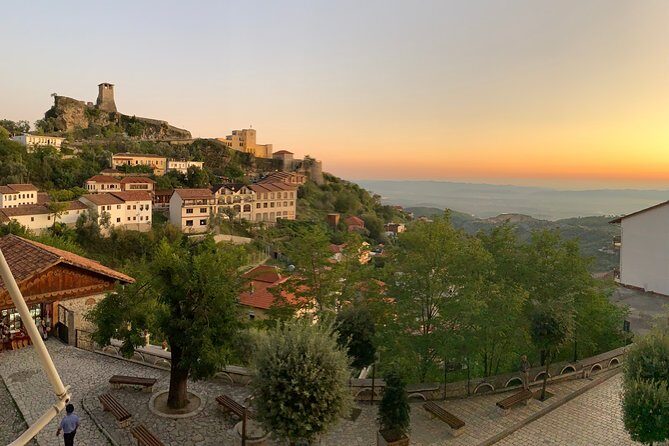
Then comes Berat, often called the castle city. You get around two hours, and the focus stays on the old core and Berat Castle atmosphere—exactly the kind of place where you understand why UNESCO-style heritage routes work. Buildings sit on slopes, streets wind uphill, and views do the storytelling.
One practical note: Berat’s charm is partly in walking and climbing viewpoints. Wear comfortable shoes, because you’ll get the most out of the castle area when you can move freely.
Gjirokastër: Ottoman houses with family-guided details
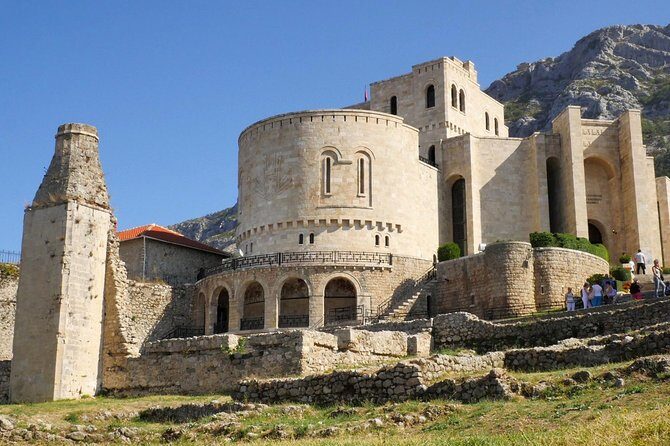
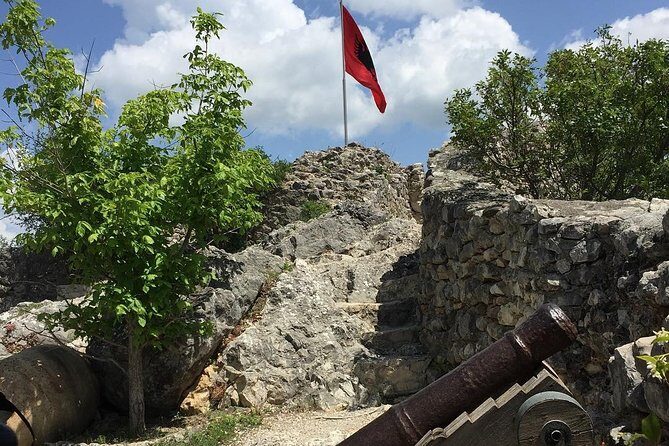
Day 2 is built around Gjirokastër, and it’s one of the strongest parts of the whole experience. The tour includes a guided visit to Skenduli House, an Ottoman-era home restored and kept by the same family for generations (with a period when government control interrupted things).
What makes this stop genuinely interesting is the specific room details. You’ll hear about a room used only for wedding ceremonies, and the house layout includes 15 windows, with many featuring stained glass. That kind of detail doesn’t show up when you just look from the outside—it shows up when someone leads you through and explains how life worked inside.
The tour also includes time at the Gjirokastër Bazaar area and a larger guided block around Gjirokastër Castle. Expect roughly two hours in the castle area, including getting there and back.
The castle piece matters because it gives you scale. The description compares the fortress to a stone ship rising over the city, built across a steep hillside. When you’re standing there, the architecture doesn’t feel abstract. It feels like strategy—how the city protected itself and why the views were worth the effort.
Butrint National Park and Sarandë check-in: ancient ruins, then sea air
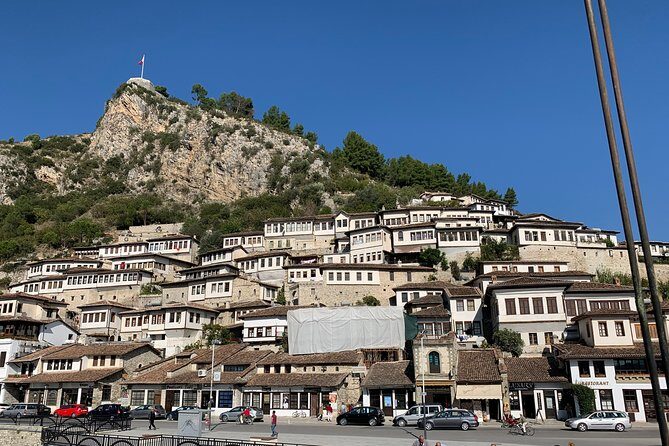
After lunch, you move to Butrint National Park for the archaeology portion. This is a major switch in tempo: you go from living Ottoman and medieval town structure to layered ancient remains.
Butrint’s story is ancient Greece, then Roman rule, then a bishopric in Epirus. The site is described as inhabited since prehistoric times, and the later decline links to the end of antiquity and abandonment after a major earthquake that flooded much of the city. That sequence helps you read what you’re seeing instead of treating it like a random pile of stones.
You’ll have about one hour there, and the schedule then includes hotel check-in plus free time by the sea in Sarandë—about an hour.
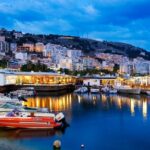
Sarandë is described as the unofficial capital of the Albanian Riviera. During warmer months it feels like the whole coast leans toward the promenade. Even if your trip is outside peak season, the point of this free time is clear: get salt air, stretch your legs, and reset before the coastal driving day.
Qeparo Beach: the sand-and-shallow-water stop that suits families
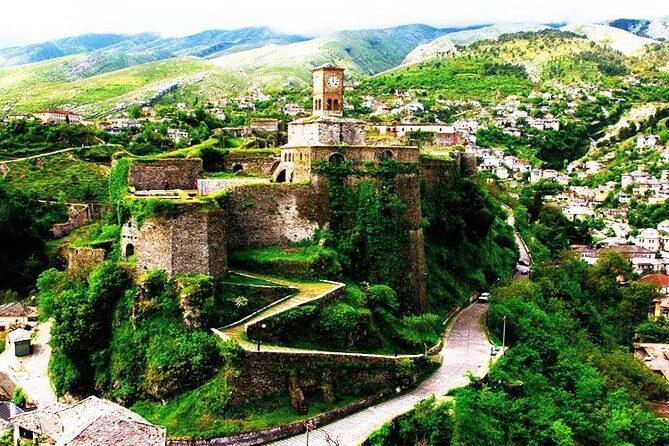
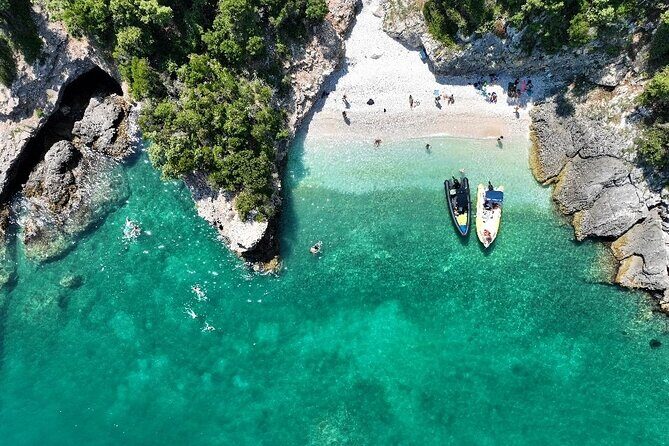
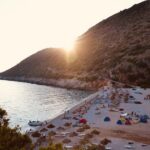
Day 3 turns toward the Ionian coast in a way that feels practical. You start with Qeparo Beach, reached via a short road stretch from Himara and famous for the kind of beach setup that’s easy to enjoy.
The description focuses on two things that matter when you’re choosing a beach: fine sand and shallow water early on. The sea is said to stay shallow for the first meters, which makes the water less intimidating if you’re traveling with kids or just want an easy swim.
You’ll have about three hours, long enough to do real beach time rather than a quick stop-and-go. There’s also an old pier on large rocks, which gives you a nice change from just standing on sand.
If you’re planning what to pack, think sunscreen and a light layer. Even if it’s beach weather, you can still feel a cool breeze when you’re near the water and between stops.
Porto Palermo Castle and Ali Pasha vibes: dark rooms, big sea views
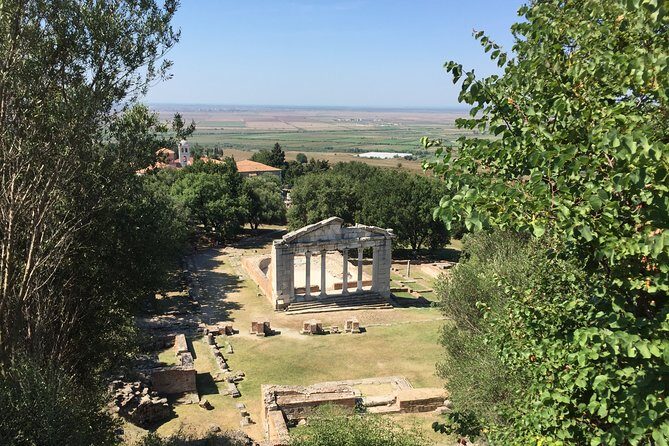
Next comes Porto Palermo Castle, also known as the Castle of Ali Pasha. This stop is on the way toward Himara, in a bay that gives you that classic coastal-fort feeling.
You’ll get around two hours. The inside is described as eerily dark, while the battlements offer superb sea views. That combination is what you want from a castle stop: not just walls, but a reason to climb and look out.
It’s also a good counterpoint to the beach. In one day you go from shallow-sand relaxation to climbing stone steps for views. The tour keeps that variety instead of repeating the same kind of scenery.
Llogara Pass photo moments: short stop, big payoff
Between Porto Palermo and the next coastal towns, you’ll have a short stop at Llogara Pass, a mountain pass in the Ceraunian Mountains.
This is not a long hike. It’s explicitly a short picture stop for the Albanian Riviera viewpoint. That’s actually a smart way to handle high-views without turning your day into a full athletic project.
If you’re the type who cares about photos, this is where a quick camera-ready pause makes sense. Keep your expectations flexible, though. Weather changes in mountain passes, so if the view is hazy, take the time anyway—you’ll still get the sense of the route’s drama.
Vlorë Independence Center and Durrës Roman anchors: finishing with scale
Day 3 continues with Vlorë, where the schedule includes a 10-minute stop at the Monument of Independence in the Flag’s Plaza area. It’s a short political-history checkpoint, near where the first Albanian government worked in 1913.
This brief stop is useful because it gives you modern context before you move into the Roman layer of Durrës. Even if you’re not a monument-collector, it helps connect today’s Albania to where earlier national identity narratives took shape.
Then you finish with two big Durrës sights on Day 4.
Durrës Amphitheatre: included ticket and a real sense of size
The Durres Amphitheatre is described as one of the most majestic of the ancient world and among the ten most beautiful Roman amphitheaters. It was discovered relatively recently, in 1966, after an archaeologist found a fig tree that had fallen below ground.
You’ll spend about one hour, and the admission is included. That hour is a sweet spot: enough time to understand the amphitheatre layout and imagine the scale of events without rushing.
Venetian Tower and city walls: the defensive line you can walk around
On the way to the amphitheatre area, you also visit the City Walls and Venetian Tower of Durrës. The walls are linked to different rulers across time, including Byzantine reinforcement by Anastasius I and later additions attributed to emperor Justinian.
This part is interesting because it’s not only a monument you look at. It’s a structure that explains how the city defended itself through centuries. Even with only about one hour, you get a strong “how this city was protected” picture.
What kind of traveler this fits best
This tour is a good match if you want a structured route without feeling trapped. It suits you if you like:
- Guided heritage time, especially Ottoman-era architecture
- A coast and ruins mix, not just one theme
- A small group setting where the day doesn’t feel chaotic
It’s less ideal if you want long, lazy beach days every afternoon. The Riviera portion includes beach and viewpoints, but the schedule uses coastal time efficiently rather than stretching it into something slow.
The tour also makes sense for first-time Albania visitors. You get a coherent loop: Tirana’s symbols, inland UNESCO-style towns, ancient Butrint, then the Ionian coast, then Durrës.
My booking advice: should you book it?
I’d book this if you want a well-timed introduction to southern Albania, with major heritage stops covered and enough coast to make the effort feel worthwhile. The price feels more reasonable when you notice that accommodation is included and key entrances like Butrint and Durres Amphitheatre are handled.
I’d pause before booking if you’re extremely beach-first. The Qeparo Beach time is solid, and you do get Sarandë sea air, but the rest of the coast day is built around castles, passes, and short town stops.
If you value a smooth, guided pace with a guide like Genci (praised for being professional and relaxed, with good restaurant suggestions when meals aren’t covered), this is the kind of trip that can make Albania feel both easy and memorable.
FAQ
What time does the tour start?
The start time is 8:00 am.
Is pickup offered from the airport or port?
Yes. Pickup is usually offered from the airport or port, and the guide meets you holding a letter with the company name.
How many people are in the group?
The tour has a maximum of 8 travelers.
What languages is the tour offered in?
It is offered in English.
What’s included for lodging and food?
The tour includes accommodation and some meals.
Which major attractions have included or free admission?
The data lists admissions as either free or included at several stops, including Skenduli House (included), Butrint National Park (included), Porto Palermo Castle (included), and Durres Amphitheatre (included). Other stops are marked free in the schedule, such as the Enver Hoxha Pyramid (10-minute explanation stop).
Does the tour include beach time on the Albanian Riviera?
Yes. You get a longer visit to Qeparo Beach (about 3 hours) plus free time by the sea in Sarandë after the Butrint stop.
What’s the cancellation policy for a full refund?
You can cancel up to 3 days in advance for a full refund. To get a full refund, you must cancel at least 3 full days before the experience start time.