REVIEW · SARANDA
Gjirokastra- The Stone City & Blue Eye- The monument of Nature.
Book on Viator →Operated by Rei Tours · Bookable on Viator
Stone walls and cold war echoes in one day.
This is a packed Sarandë-to-Gjirokastër County sampler: you bounce from the Stone City feel of Gjirokastër Castle to the Ottoman-bazaar streets, then jump forward and backward through time at Skenduli House and the Cold War Tunnel. You finish with the Blue Eye, a spring that feeds a crater-like pool that stays cool even when the rest of Albania cooks.
I love the door-to-door pickup across Sarandë. I also love that entrance tickets for the main sites are included, so you’re not doing math while you’re trying to enjoy views and photos.
One drawback to plan for: this is a fast-paced, long-day trip, and time at each stop can feel short, especially if you want to linger at the Blue Eye or stop for a slow lunch.
In This Review
- Key things I’d plan around
- Price and timing: what $71.38 buys you in real terms
- Getting picked up in Sarandë: easy start, but expect a long day
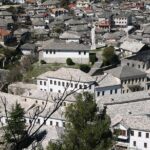
- Gjirokastër Castle: the fortress viewpoint that makes the town click
- Skenduli House: when everyday life becomes the tour’s secret weapon
- The bazaar hour: Ottoman streets for shopping and quick atmosphere
- Cold War Tunnel: the stop that often steals the day
- Blue Eye: nature’s cool punch at the end of the route
- Guides make the difference: Marsia, Sunny, and the art of explaining Albania
- Getting around on this trip: cobblestones, steps, and who should plan differently
- Food strategy: no meals included, so plan your lunch
- Who this tour suits best (and who might rethink)
- Weather and sudden changes: why the Blue Eye day needs flexibility
- Should you book this Gjirokastër and Blue Eye day trip from Sarandë?
- FAQ
- How long is the Gjirokastër and Blue Eye tour?
- Where does the tour start and end?
- Is pickup included in the price?
- Are entrance tickets included?
- What costs are not included?
- What group size should I expect?
Key things I’d plan around
- Small-group feel with a real guide: up to 16 people, with English and room for questions
- Most main admissions covered: castle, Skenduli House, Cold War Tunnel, and Blue Eye entry
- Door-to-door in Sarandë: pickup from any hotel or apartment, then drop-off back where you started
- A nature finish with a possible extra €6 option: the Blue Eye has a train ride that costs extra
- Mountain roads and walking: expect uneven steps and cobblestones at multiple stops
Price and timing: what $71.38 buys you in real terms
At $71.38 per person for 6–7 hours, this isn’t just a bus to a single site. You’re paying for a bundle: guide, air-conditioned transport, WiFi on board, hotel pickup/drop-off in Sarandë, and the entry tickets that usually add up fast when you visit several attractions in one stretch.
Here’s how to think about value. If you were to do this on your own, you’d need (1) a guide or you’d spend a lot of time Googling on your phone, (2) transport between far-flung points, and (3) separate admissions across the castle complex, a traditional house, a bunker tunnel, and the Blue Eye. This tour rolls most of that into one price, which is exactly why it gets booked well in advance. The average booking lead time of 36 days is a hint: in summer especially, spots can be hard to snag.
The flip side: because it’s bundled, you don’t control the clock. You’ll be moving from stop to stop on a schedule, and some people feel rushed if they’re hoping for a slow, sit-down day.
You can also read our reviews of more city tours in Saranda
Getting picked up in Sarandë: easy start, but expect a long day
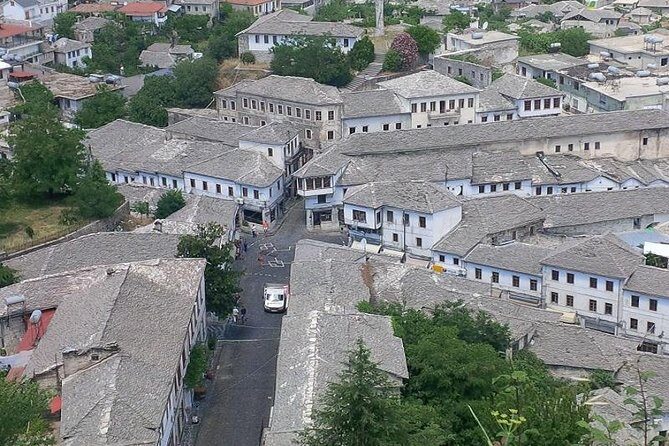
The start is simple. The tour meets at the Sarandë Ferry Terminal, and pickup is free from any hotel or apartment in Sarandë. That matters. In Albania, where even short transfers can eat time, door-to-door pickup is not a small thing. It turns the morning into “go see places” instead of “figure out how to reach the right road.”
You also get an air-conditioned vehicle and WiFi, which helps when you’re riding through mountain switchbacks to Gjirokastër County. Do expect it to feel like a proper day trip. Even with breaks, you’re out roughly 6–7 hours, and the sites are built up on hills.
One practical tip: wear shoes you trust on uneven stone. More than one guide can be brilliant. Wrong shoes still ruin the day.
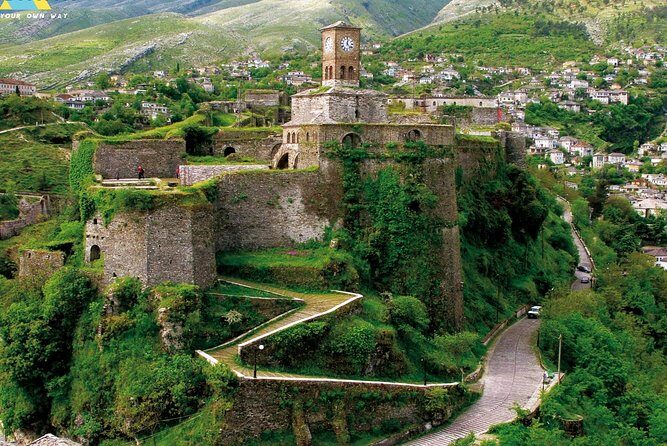
Gjirokastër Castle: the fortress viewpoint that makes the town click
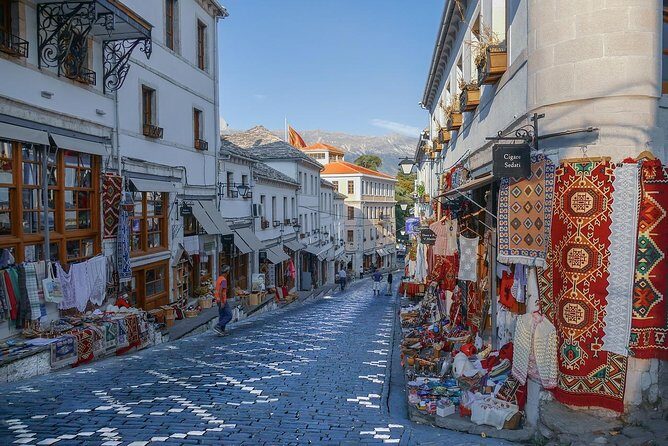
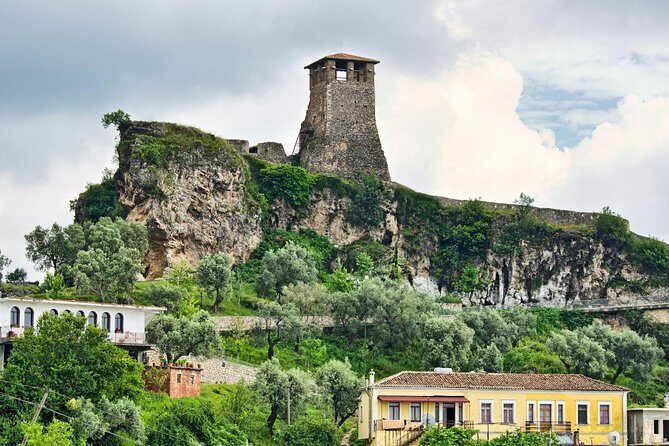
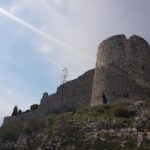
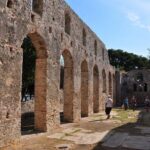
Gjirokastër Castle is where the whole region makes sense. You step into a defensive setting that shaped local life for centuries, and from here you get the broad “this is why people built here” view.
You’ll have about an hour here, with admission included. That’s enough time to do the big highlights without feeling like you’re sprinting through every corridor. Many visitors love the way the castle connects to Albania’s more recent chapters too, because it’s not only medieval scenery; it also frames later military stories people associate with the area.
What to do during your hour:
- Take your time at the viewpoint edges for photos.
- Save your main questions for moments you can hear your guide clearly. Up high, sound can bounce, and it’s easy to miss a sentence.
If you don’t like walking on rough surfaces, this first stop can still be doable, but you’ll want a slower pace. Even the “short” segments involve stairs and uneven ground.
Skenduli House: when everyday life becomes the tour’s secret weapon
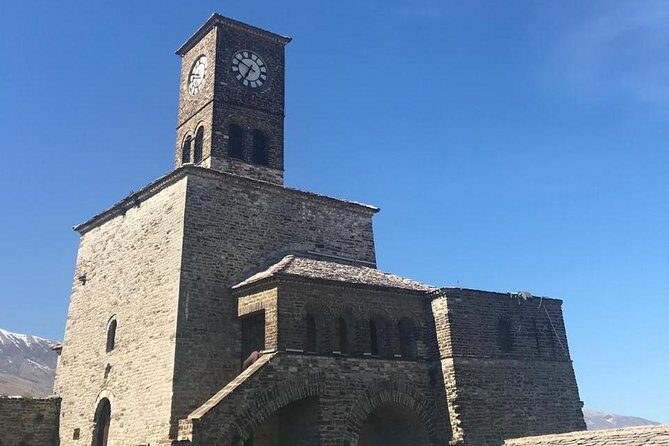
After the castle, you shift gears with Skenduli House (about 30 minutes, admission included). This is where the day turns from walls and weapons corridors into something more human: how a traditional home looked, functioned, and felt in a mountain town.
Why I like this stop so much: it breaks the pattern. You’re not just absorbing grand structures. You get a sense of domestic architecture and daily rhythms. It also gives you something to compare against the castle above you—same town, different layers of life.
In a packed day, 30 minutes sounds brief. But Skenduli House is exactly the kind of stop where focused time works well. You’re looking for patterns, not completing a museum marathon.
The bazaar hour: Ottoman streets for shopping and quick atmosphere
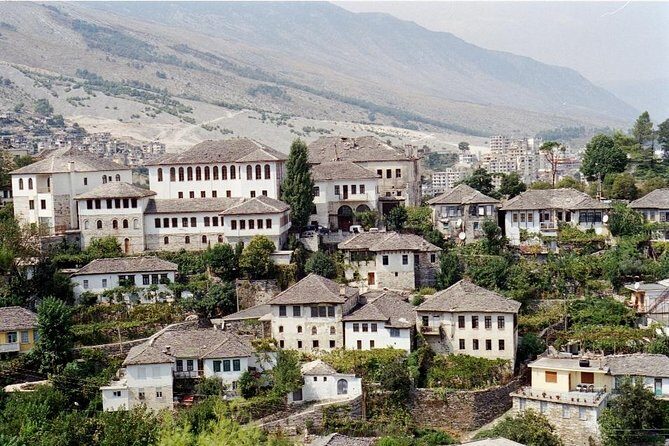
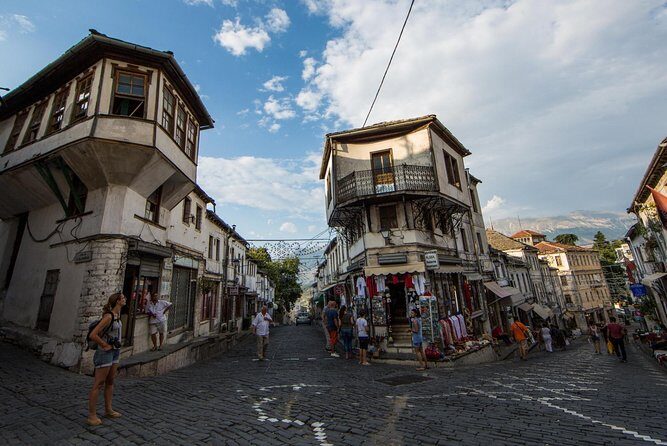
Next comes the bazaar, with about an hour on the streets (free admission). This is a good breather stop because it’s lower stress than the castle slopes.
Gjirokastër’s bazaar is where you can:
- browse local shops and crafts,
- grab a snack if you need a break from “tour energy,”
- and just feel the Ottoman street layout with its compact lanes.
Many people come here for rugs and souvenirs. If that’s your plan, don’t wait until the last minute. Buy something here while you still have energy to carry it, and when your guide can tell you what’s worth your attention.
Also, don’t expect the bazaar to be a slow stroll with commentary in every corner. Sometimes the best way to enjoy it is letting the street do its job while you watch, listen, and browse.
Cold War Tunnel: the stop that often steals the day
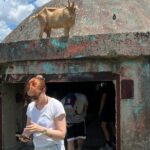
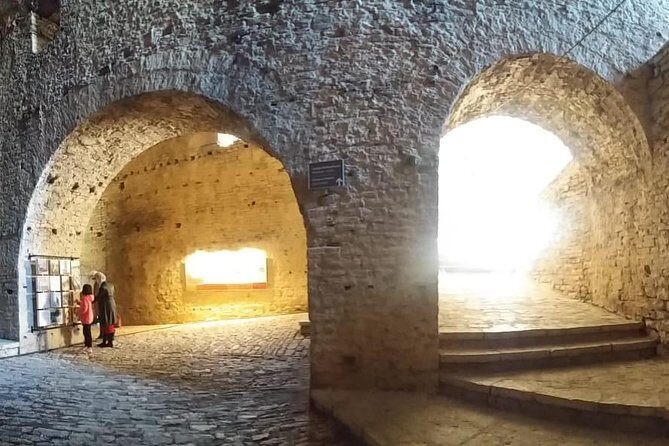
Then you hit one of the most memorable parts of the tour: the Cold War Tunnel (about 30 minutes, admission included). Even people who feel the overall day is tight often single this stop out as a highlight.
What makes it work in a short time is contrast. You’ve been in a fortified town and a traditional house; now you go underground into a story of fear, preparation, and survival planning. A couple of guides also mention that a local guide may take over here. That’s a good sign. When someone knows the tunnel intimately, the explanations feel specific rather than generic.
This is also the stop where you’ll likely want to listen extra closely, because you can’t really “see” the full meaning without the context your guide provides. If you care about Albania’s 20th-century history at all, this is the moment to lean in.
Practical notes:
- Bring your focus, because it’s not a “look and guess” experience.
- It can feel cool and dim underground; give your eyes a moment to adjust.
- Watch your step. You’re moving through a functional space, not an indoor mall.
Blue Eye: nature’s cool punch at the end of the route
The Blue Eye is the day’s nature payoff. You get around 30 minutes, with admission included.
The spring is famous for how it looks and how refreshing it can feel compared to the hot air outside. People describe it as calming, like a different stop altogether from the history-heavy parts of Gjirokastër.
Important catch: there’s also an extra train ticket option at the Blue Eye for about 6 euro, and it’s not included in the tour price. If you want the most comfortable way to reach the best angles, plan for that add-on. If you’re fine with walking and you’re trying to keep costs down, you might skip it.
Also, manage expectations about time. Thirty minutes can be enough for photos and a quick exploration, but it’s not long enough for a relaxed picnic. If you want to spend more time here, you may feel a bit pressed by the schedule.
And yes, weather can matter here. The operator says the experience requires good weather, and nature areas can be affected by conditions. If wild conditions force changes, the tour may adjust plans.
Guides make the difference: Marsia, Sunny, and the art of explaining Albania
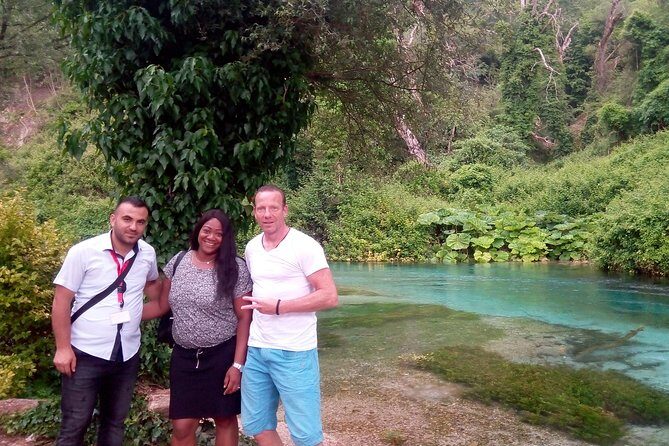
A big reason this tour earns strong marks is the guide experience. Names you may hear include Marsia and Sunny.
Marsia shows up in many accounts as the type of guide who makes the places feel personal and logical. You get answers, context, and suggestions that help you understand more than just the facts. One useful example: you can ask for restaurant recommendations during free time, and she’ll often steer you toward traditional Albanian dishes like meatballs.
Sunny gets described as friendly and kind, but on some days the communication can be lighter, and you may not get as many direct answers. That doesn’t mean the tour is bad. It means you should be ready to ask your questions clearly, and if you want lots of deep detail, pick your day based on guide reputation.
If you’re the type who loves asking follow-up questions, this is a good format. You’re not trapped in a silent group bus ride.
Getting around on this trip: cobblestones, steps, and who should plan differently
This is not a stroll tour. Even with a comfortable van and a guide, the walking is part of the deal:
- castle areas involve stairs and uneven paths,
- the bazaar has cobbles and slopes,
- and transitions between sites mean you’ll be on your feet often.
I’d treat it as a moderate walking day, not a casual one. If you’re traveling with mobility limits, consider whether short distances on rough ground will still work for you. One thing I appreciate about the better guides is how they manage safety in low passages and slippery stone, telling you where to duck and where to step carefully.
Bring:
- shoes with good grip,
- water (meals aren’t included),
- and a light layer if it turns cooler in the tunnel.
Food strategy: no meals included, so plan your lunch
Meals are not included. That doesn’t mean you’re stuck, but it does mean you should plan food the smart way.
Your best options usually fall into two time windows:
- after the castle or during the bazaar hour,
- and during free time if you get a chance to step away from the group.
If your guide suggests a specific dish, take it seriously. Many visitors talk about how guide recommendations hit the spot, especially for traditional meatballs and simple local meals. If you’re hungry on a tight schedule, ask early where the closest reliable option is.
Who this tour suits best (and who might rethink)
This fits you if you:
- want a strong overview of Gjirokastër County in one day,
- like history that moves from medieval to more recent eras,
- enjoy a guided pace with stops that each have a clear focus,
- and you’re comfortable with stairs and uneven walking.
It’s less ideal if you:
- hate rushing and want long, slow time in one place,
- struggle with steps and cobblestones,
- or you’re sensitive to vehicle crowding. The tour advertises a cap around 16, but there have been reports of the van feeling tight on certain days. If you’re tall, claustrophobic, or traveling with a larger group yourself, consider asking what the group size will feel like for your pickup.
Weather and sudden changes: why the Blue Eye day needs flexibility
This experience requires good weather. That’s not a marketing line; it affects outdoor viewing time and how safely the operator can move everyone between stops.
Also keep in mind: the Blue Eye is in a natural area. If conditions are extreme, the tour may reschedule or adjust. Build your travel schedule with buffer time if you can.
Should you book this Gjirokastër and Blue Eye day trip from Sarandë?
I’d book it if you want maximum variety with minimal planning. The combination of Gjirokastër Castle, Skenduli House, the Cold War Tunnel, and the Blue Eye is a strong cross-section of what makes southern Albania feel different. The door-to-door pickup and included admissions help a lot, and when you get a guide like Marsia, the day feels both organized and deeply informative.
I’d hesitate if you’re looking for a relaxed, one-site-per-hour style day. This is a schedule-driven format with walking and hills, and the Blue Eye stop can feel short if you want lingering time.
If you want my practical call: book it for your first or second day in the Sarandë area, when you still have energy to explore and ask questions. Pack good shoes, bring water, and lean on your guide for both history and food.
FAQ
How long is the Gjirokastër and Blue Eye tour?
It runs about 6 to 7 hours.
Where does the tour start and end?
It starts at the Sarandë Ferry Terminal and ends back at the same meeting point. Pickup is also available from any hotel or apartment in Sarandë.
Is pickup included in the price?
Yes. Pickup and drop-off at addresses in Sarandë are included, free of charge.
Are entrance tickets included?
Yes. Entrance tickets are included for Gjirokastër Castle, Skenduli House, the Cold War Tunnel, and the Blue Eye. The bazaar stop has free admission.
What costs are not included?
Meals are not included. The train ticket at the Blue Eye costs 6 euro and is not included.
What group size should I expect?
The tour lists a maximum of 16 travelers, and it runs in English with a professional guide.