REVIEW · TIRANA
Small Group Tour; The Balkans & Central Europe – Tirana to Vienna
Book on Viator →Operated by Choose Balkans · Bookable on Viator
Kruja to Vienna in 14 days feels like a storybook. You’ll move through Albania, Kosovo, Montenegro, Bosnia & Herzegovina, Serbia, Hungary, Slovakia, and Austria, with old towns, big viewpoints, and several UNESCO stops. I like the way this trip mixes former empires with the Balkans’ own character, so you’re not doing the same kind of sightseeing every day.
Two things I really liked: you get guided time in the places that matter (like Kruja Castle and Budapest’s major landmarks), and you also get frequent room to wander on your own. The small group size (up to 10) also helps the day feel paced enough for photos, not just checklists. One possible drawback: it’s a lot of borders and early starts, so if you want slow travel with zero rushing, this may feel busy.
In This Review
- Key Highlights At A Glance (Tirana to Vienna)
- Kruja To Prizren: Ottoman-Era Streets, Fort Views, And Mosque Color
- Gjakova, Decan, Rahovec: Crafts, UNESCO Frescoes, And Wine That Has Been Here Forever
- Shkodër And Rozafa: Lake-View History With Venetian Echoes
- Montenegro’s Coast To Kotor: Sveti Stefan Photos, Budva Old Town, And UNESCO Maze Streets
- Mostar And Blagaj: Stari Most, Old Bazaar Energy, And Blue-Water Tekija
- Sarajevo On Foot: Ottoman And Austro-Hungarian Quarters, Plus Latin Bridge
- Drina River Pause And Belgrade Fortress: Two Rivers, One Big View
- Novi Sad, Sremski Karlovci, Subotica: Baroque Edges, Wine Culture, And Austro-Hungarian Color
- Budapest By Day And Night: Basilica Views, Parliament-Area Strolls, And Buda Castle
- Győr To Bratislava, Then Vienna: Smaller-City Charm With Danube Confidence
- Price And Value: What You’re Paying For
- Who This Tour Fits Best (And Who Should Pass)
- Should You Book Tirana To Vienna?
- FAQ
- What’s the tour size?
- How long is the tour?
- Where does the tour start and end?
- What does the price include?
- Are meals included?
- What kind of tickets do I receive?
- What time does the tour start each day?
- What if the schedule changes?
- If I need to cancel, will I get a refund?
Key Highlights At A Glance (Tirana to Vienna)
- Up to 10 people means you’re not fighting for ears, space, or bus aisle real estate.
- Private transportation keeps the long stretches from feeling like a public-transport puzzle.
- UNESCO time in Kotor, Mostar, Sarajevo-style areas, and more gives you official “why this matters” context.
- Food-and-culture detours show up, from slow-food farm visits to local tastings.
- Danube cities across three countries (Serbia, Hungary, Slovakia, Austria) create a satisfying travel arc.
- Hotel pick-up in Tirana and drop-off in Vienna removes the two hardest logistics days.
Kruja To Prizren: Ottoman-Era Streets, Fort Views, And Mosque Color
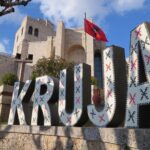
Day 1 starts with Kruja, the mountain-side town tied to the Albanian resistance story during the Ottoman expansion. The drive up to this rocky terrain is part of the feel. Once you’re there, the small-scale climbs and viewpoints make the history feel less like a textbook and more like a location.
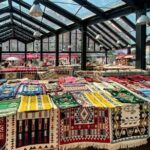
In the Kruja Bazaar, you’ll wander wooden houses and narrow streets that have been around a long time. It’s a practical stop too: this is one of the best places on the route to shop for souvenirs in Albania, from typical pieces to handmade carpets and jewelry. Just keep your expectations realistic—this is a market town, not a museum hall, so browsing is the main activity.
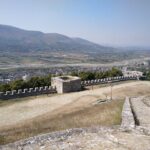
Then comes Kruja Castle. Even if you’re not chasing every “when it was built” detail, the castle’s hilltop sit makes sense instantly. The tour includes walking through parts with stories tied to the castle’s defensive purpose. You’ll see why it’s hard for attackers to control that position, which is more useful than memorizing dates.
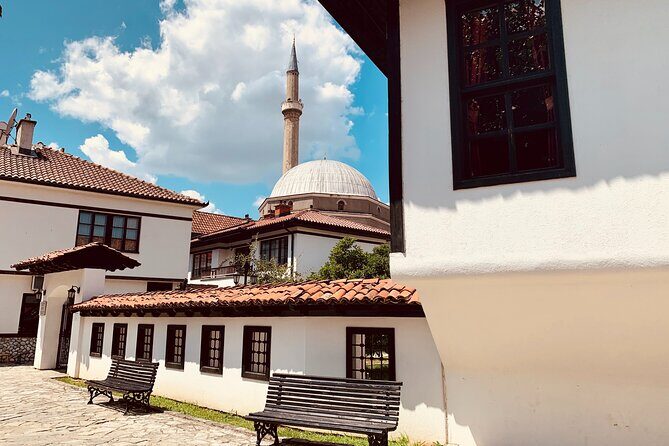
From Kruja, the route crosses into Prizren, Kosovo’s cultural capital. The vibe shifts right away: the river runs through the old town, with bridges threading the neighborhood together. The big payoff here is the combination of religious tolerance, distinct architecture, and that “city crossroads” feeling between Byzantine and Ottoman eras.
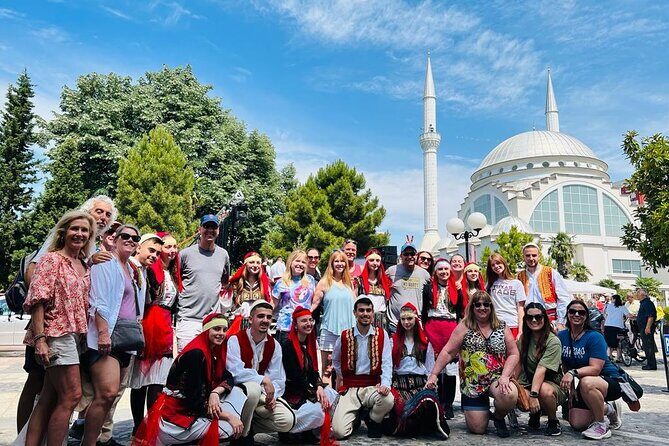
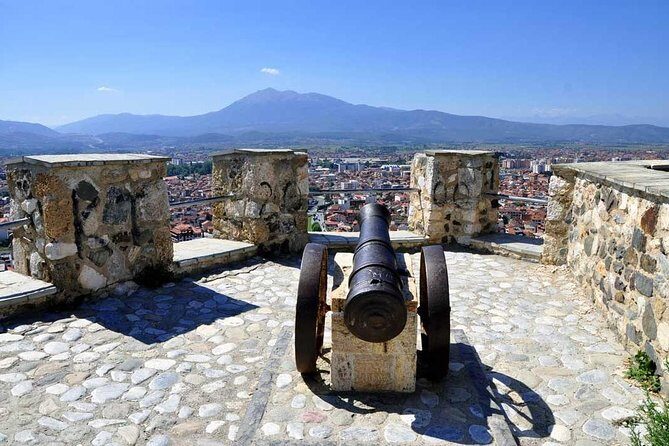
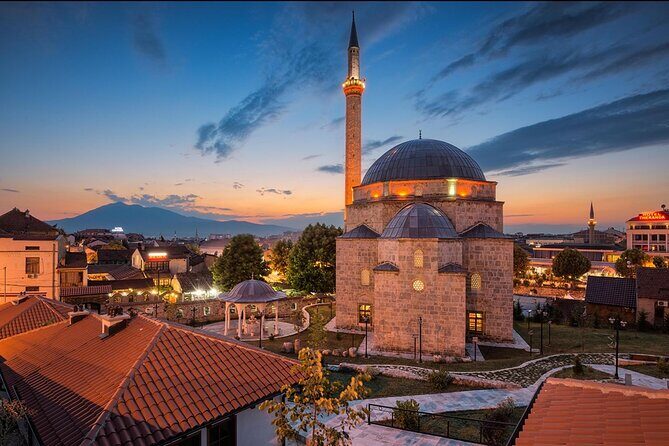
You’ll visit the Sinan Pasha Mosque, known for its decorative arabesque patterns and color. It’s one of those stops that can become an instant photo magnet if you like details. After that, the Prizren Fortress gives you the kind of panorama you can’t really recreate later from a phone screen—so plan to take it in slowly, even if you’re tempted to keep moving.
Why this day works: it gives you a smooth intro to three different identities—Albanian, Ottoman-influenced Balkan city, and fortress-on-a-hill history.
One caution: this is the first day, so comfort matters. Wear shoes that handle cobblestones and short climbs.
You can also read our reviews of more tours and experiences in Tirana.

Gjakova, Decan, Rahovec: Crafts, UNESCO Frescoes, And Wine That Has Been Here Forever
Day 2 leans into Kosovo’s craft, then swaps into UNESCO art, then finishes with a wine-region detour. That structure is smart: you get variety without hopping aimlessly.
In Gjakova, the focus is the bazaar. Even though it faced destruction in the Balkan wars and later conflicts, it was rebuilt to its earlier form. That means you’re seeing not just a market, but a local recovery story. You’ll have time to browse stores selling traditional handmade crafts, and it’s an easy place to grab a simple meal or snacks on your own.
Next is Deçan Monastery, with its white exterior and living monastic presence—Orthodox monks still inhabit the monastery and make food such as cheese. The UNESCO angle is the frescoes, including depictions of 14th-century life and the Palaeologan renaissance style shift. Even if you’re not a fresco expert, the fact that artists portrayed everyday life makes the artwork feel human.
Then you head toward Rahovec, framed here as a viticulture center. The route talks about grape cultivation reaching back to Illyrian times, with vineyards on softer hills at roughly 350–520 meters. If you like tasting tourism, you’re in the right place. There’s also an annual wine festival in September, which hints at why locals treat this as more than just a hobby.
Value for you: this day explains how culture connects through everyday things—markets, monastery art, and wine. It’s not just sightseeing; it’s learning the local rhythms behind the scenes.
Possible drawback: the schedule can feel “stop-start,” so if you hate car time after walking, plan to stay hydrated and snack lightly between sites.
Shkodër And Rozafa: Lake-View History With Venetian Echoes
By Day 3, you’re back in Albania and heading to Shkodër (Shkodra), a city tied to the lake region and centuries of settlement. You’re in the north-west, and the scenery matters here—especially around the Rozafa Castle area.
You’ll visit Rozafa Castle, where the views connect three rivers meeting toward the Adriatic. That geography is worth the effort. Standing high above it, you get why cities like this mattered: trade routes, defense, and control of movement all made practical sense.
This stop also carries a cultural mix. Shkodër’s architecture includes Venetian influence, and the tour even notes that Venetian-style masks are made locally—so if you’re into crafts, keep an eye out for how local makers work, not just what the final product looks like.
In the morning, the route makes a big left turn into slow-food tourism at Mrizi i Zanave – Restorant Agroturizëm. This is not a quick photo stop. You’ll tour the farm and learn how the business supported jobs for more than 400 people in the surrounding area. The farm also collects, processes, and preserves regional bio fresh products, including using adapted old communist buildings as storage.
You’ll get time for a traditional lunch or you can buy fresh produce. For a lot of people, this becomes the “human” part of the trip—the place where you see how local families survive and build modern businesses from old structures.
Why this day is memorable: it’s one of the best contrasts in the itinerary—fortress views in the afternoon, hands-on farming in the morning.
Tip: if lunch is included in your mental plan, don’t overdo breakfast. You’ll want a comfortable appetite.
Montenegro’s Coast To Kotor: Sveti Stefan Photos, Budva Old Town, And UNESCO Maze Streets
Day 4 is all about the Adriatic feel and the shift into Montenegro’s coastal identity. You start with a viewpoint near Sveti Stefan, historically a fishing town on a small island. The stop also comes with a practical reality check: the island has turned into an exclusive residential resort, so you’re looking from the outside rather than walking in.
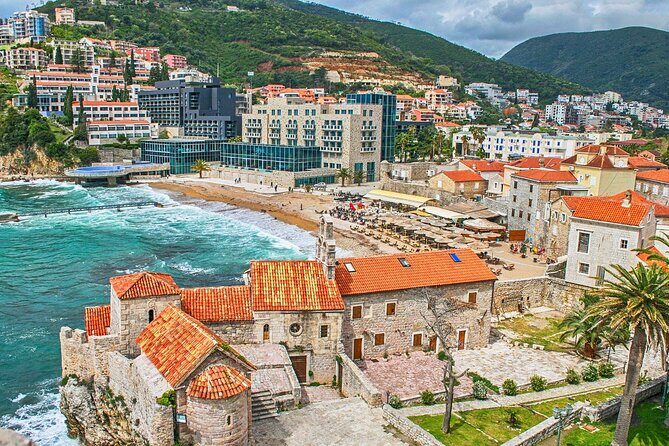
Then comes Budva, split between Old Budva and New Budva. The tour focuses on Old Budva’s medieval core, with visits around the old town area, including places like St. Ivan church and small churches in the historic center. This is the part that works if you like walking streets where the city feels layered.
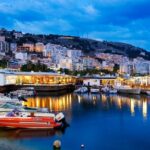
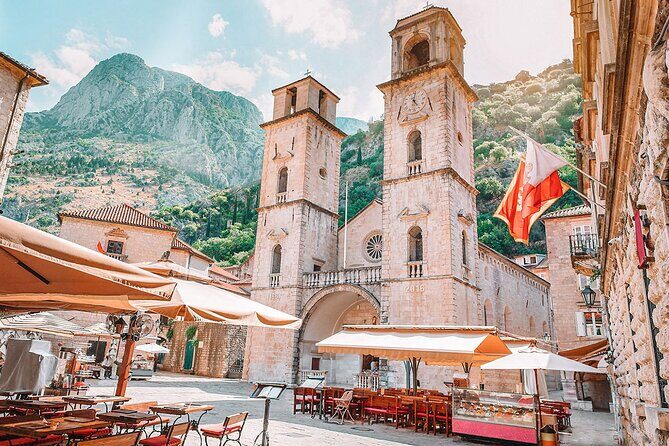
After that you reach Kotor, a UNESCO site, and the feel changes again. Kotor’s old town is described as a maze of narrow cobblestone streets. The original purpose was to confuse intruders—today it’s just great for wandering slowly and getting pleasantly lost. You’ll visit Saint Luke’s church, noted here as significant for locals because it represents unity.
What you’ll like most: Kotor is the kind of UNESCO city that feels lived-in, not staged. You can take your time because the street layout practically invites it.
What to consider: cobblestones and uneven walking are part of this style of sightseeing, so pack for traction and comfort.
Mostar And Blagaj: Stari Most, Old Bazaar Energy, And Blue-Water Tekija
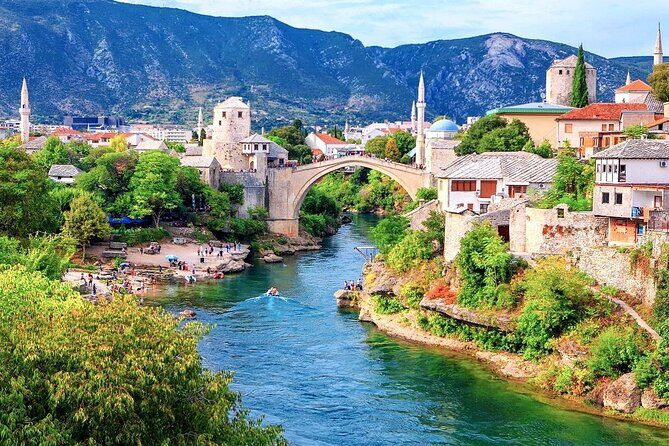
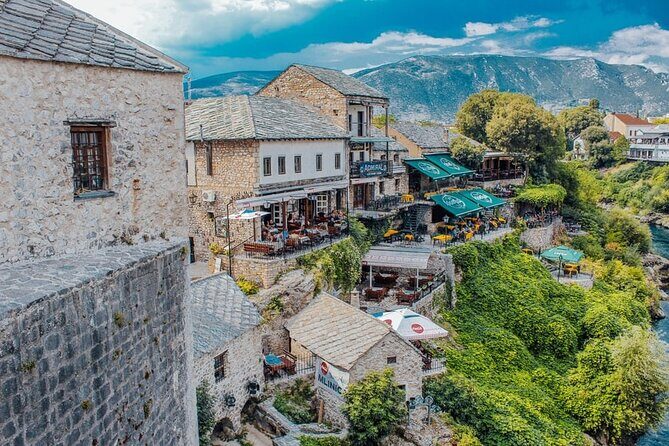
Day 5 takes you across into Bosnia & Herzegovina, with Mostar as the anchor. The highlight is the Old Bridge (Stari Most), built in the 16th century in an Islamic architectural style and part of UNESCO. Even if you’ve seen the bridge in photos, it hits differently in person because of how the river shapes the city around it.
Next you spend time in the Old Bridge area and Old Bazaar. This is where the city’s “old with the new” mix becomes easy to read. There are traditional Turkish bazaars, mosques, and cobbled alleys. You’ll also see stone reminders marked “Don’t Forget,” tied to the city’s modern memory.
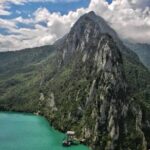
Then you head to Blagaj tekija, just outside Mostar, built at the foot of a cliff with blue waters in front. The tour frames Blagaj as a small Ottoman medieval settlement, and it centers on the spring of the Buna River. It’s a nature-and-culture pairing that works because the scenery is doing some of the explaining for you.
In the afternoon you have free time to explore Mostar, which is a good gift on a day like this. You’ll have a stronger sense of what to prioritize once you’ve walked the main core.
Best way to use your free time: walk back through the old streets once more, but slower, and grab a drink or snack without racing to a next attraction. That’s where Mostar’s charm lives.
Sarajevo On Foot: Ottoman And Austro-Hungarian Quarters, Plus Latin Bridge
Day 6 is Sarajevo, and it’s a city that can feel heavy and also fascinating. After breakfast, you drive in and do a walking tour that includes uneven terrain and ruins.
One key element is the visible reminders of the Yugoslav War—bullet holes and cannon marks are mentioned around town. That kind of realism can be uncomfortable, but it’s also exactly why this stop matters. You’re not just learning “about” the city; you’re seeing why places like Sarajevo became symbols.
The tour covers the Ottoman and Austria-Hungarian parts of Sarajevo—markets, bazaars, mosques, churches, and synagogues. The route even frames Sarajevo as the “European Jerusalem,” which helps you understand the point: the city’s religious mix is a daily fact, not a historical trivia line.
Then you visit the Latin Bridge, tied to the WWI trigger. The name is explained because it connected the Catholic quarter with what was informally called Latinluk in Ottoman times. You’ll also get a practical note for food here: Sarajevo is known for meat dishes and desserts, so it’s a good day to eat like a local and not just hunt for a fast meal.
In the end, you get free time to try traditional dishes and have a chat in the old town area.
Balanced advice: if you’re sensitive to war history, give yourself breaks. Step into a café, look at details elsewhere for a moment, then come back when you’re ready.
Drina River Pause And Belgrade Fortress: Two Rivers, One Big View
Day 7 starts with Zvornik, along the banks of the Drina River. It’s framed as a quieter stop where you can lunch, try local dishes, and walk the streets without constant museum pressure. That’s a smart buffer day before Belgrade, because Belgrade adds more energy and more walking.
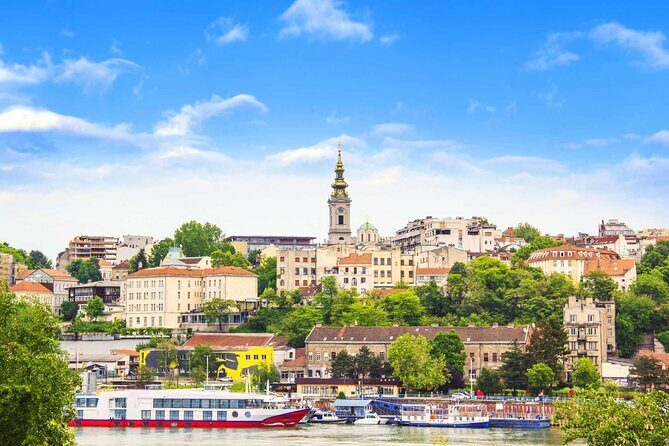
Then you arrive in Belgrade with two main targets: Belgrade Fortress and Kalemegdan Park. The fortress sits where the Sava and Danube confluence—this view is a core reason to come. Up high, you understand the city’s strategic importance fast.
You’ll visit the Pobednik monument, associated with history dating back to 1913. Then you move through Knez Mihailova, described as a social midpoint for locals, ending at Republic Square. This combo works well: fortress viewpoint plus a street-life stroll.
What makes this day feel good: the pacing gives you a “reset.” You’re not only learning history with facts—you’re absorbing city geography.
Novi Sad, Sremski Karlovci, Subotica: Baroque Edges, Wine Culture, And Austro-Hungarian Color
Days 8 to 10 cover northern Serbia, and the theme is culture through empires and wine regions. You start in the Srem area.
In Sremski Karlovci, you get a Baroque-style “museum town” feel and a wine-production focus. The tour notes it was a Serbian cultural center in the 18th century and is known for well-respected wine cellars. There’s even a local legend tied to the Four Lions fountain: drink from it, and you’ll return and get married there. Take that for what it is—local charm—but it also tells you how seriously people treat place and tradition.
You then head to Novi Sad and do a city tour. Novi Sad is described as northern Serbia’s cultural capital and shaped by the Austro-Hungarian and Ottoman border influences. You’ll see Baroque architecture and explore the pedestrian streets around Zmaj Jovina and Dunavska. The big stop is Petrovaradin Fortress, nicknamed the Gibraltar on the Danube. The fortress connection to the river makes it feel like a natural continuation from Belgrade.
Overnight is in Novi Sad, and then the route shifts to Subotica. Subotica’s story here is about Austro-Hungarian wealth and its multicultural spirit. You’ll focus on the city center where City Hall becomes the main landmark rather than a dominant cathedral. The tour emphasizes relaxed atmosphere and good food.
Why Subotica matters: it breaks the pattern. Instead of repeating the “main church square” formula, you get a different kind of architectural center.
Finally, you cross into Hungary later in the day.
Budapest By Day And Night: Basilica Views, Parliament-Area Strolls, And Buda Castle
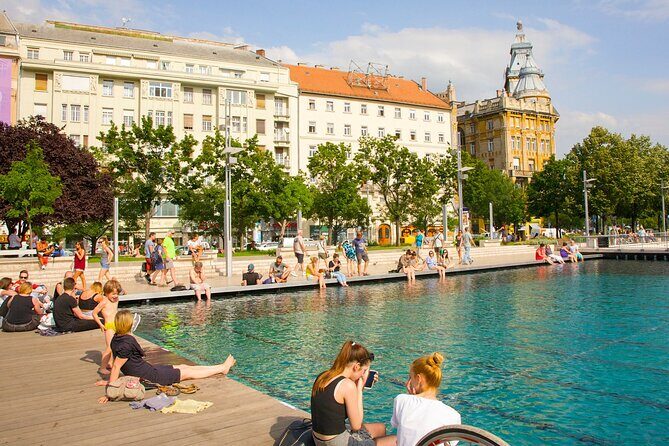
Budapest is the big finish of the middle third of the trip, and the route keeps it practical. You start by passing key sights such as Saint Stephen’s Basilica, described as the largest church in Budapest with neoclassical style. Then you stroll along boulevards toward the Opera, Parliament building, Heroes’ Square, and the Fisherman’s Bastion, with views over the city.
Then you visit Buda Castle, a UNESCO World Heritage Site and symbol of the city. You’ll also walk around the Baroque-style Street.
And yes, you get the key Budapest bonus: free evening time to explore on your own. For a lot of people, that’s where Budapest clicks. Streets feel different at night. The route gives you time for your own pace instead of rushing from one guide-stop to the next.
Value for you: this isn’t a “do everything, never stop” plan. It builds in enough open hours so you can eat, people-watch, and take photos without feeling like you’re sprinting.
Győr To Bratislava, Then Vienna: Smaller-City Charm With Danube Confidence
Day 12 adds Győr, a Hungarian city described as the City of Rivers. You’ll explore baroque architecture and the historic center, then visit the Town Hall with its 59-meter tower and green top. You’ll also see the Cathedral of The Virgin Mary, built in Roman style in the 11th century.
A standout architectural note here is the Győr Synagogue, with its colossal grey dome. The tour says its architecture inspired other synagogues across Central Europe, which is a good reminder to look at buildings not just as decoration but as cultural statements.
After that, you walk along Baross Gábor Way, a pedestrian street with cafes, shops, bars, and restaurants. The tour even calls out the famous blueberry beer—worth trying if you like tasting local drinks.
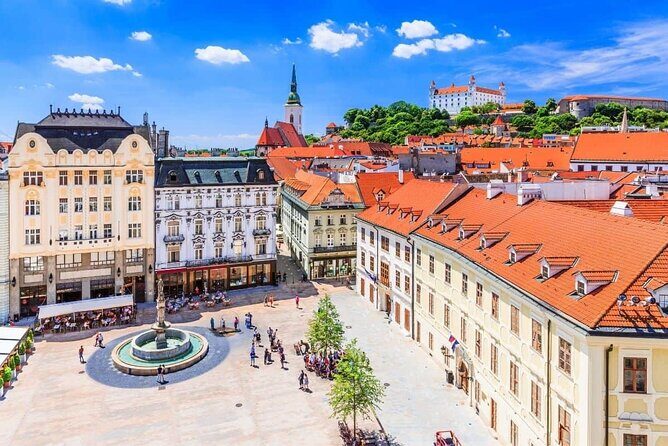
Then you head to Bratislava. On Day 13 you tour Old Town, including Old Town Hall and the area known for churches and cultural institutions. You also visit Michael’s Gate, the only medieval fortification gate preserved, and then hike to Bratislava Castle on its hill above the Danube for the view.
In the afternoon, you return to the center, with a recommended focus on cafés and trying Bratislava coffee in traditional coffee shops.
Finally, on Day 14 you reach Vienna. Your tour leader drops you off at your hotel, giving you a clean landing. After two weeks of crossing boundaries, that hotel drop-off matters more than it sounds.
One practical consideration: by Day 14, you’ll likely remember views more than facts. That’s normal. Plan to jot a few notes each evening so you don’t lose the details you worked for.
Price And Value: What You’re Paying For
At $4,876.33 per person for about 14 days, this isn’t a bargain-basement deal. But you are paying for a lot of moving pieces that add up fast on your own.
Here’s what the price includes that helps the value:
- 3-star hotels with breakfast for all overnights
- Private transportation across multiple countries and borders
- A professional tour leader
- Entry tickets for the listed sites
- Hotel pick-up in Tirana and drop-off in Vienna
- Tourist/road/petrol taxes called out as included
- Mobile tickets and group discounts (when applicable)
What’s not included is also clear: lunches, dinners, drinks, snacks, souvenirs, and personal spending. That means you’ll still control your food budget, and you can eat more like a local when the tour gives free time.
In plain terms: if you want the comfort of someone else handling driving, timing, and site entry across a long Balkan-to-Central-Europe route, the cost can feel fair. If you’d rather spend your time planning logistics yourself, you may find cheaper ways—but it comes with more friction.
Who This Tour Fits Best (And Who Should Pass)
This trip is a strong match if you:
- Like guided time in major historic places, then time to wander
- Want a route that strings together multiple countries without you solving border and driving problems
- Prefer small-group pacing, with up to 10 travelers, and a real tour leader leading the story
You might want to pick something else if you:
- Want long, quiet days with very little movement between cities
- Strongly dislike walking on cobblestones or uneven terrain
- Expect every stop to be short and effortless
One useful note from earlier experiences with this operator: guides such as Sokol and Mandi were praised for making the trip feel organized and memorable, especially for history-focused sightseeing. That matters because history-heavy routes go better with a guide who can explain without rushing.
Should You Book Tirana To Vienna?
If your dream is a guided sampler that connects Balkan identity to Danube-era Central Europe, I’d say it’s a book-worthy plan. It’s structured, it covers the big “you should see this” places, and it also includes a farm stop and wine-region stop so the trip isn’t only stone and signage.
My main nudge: treat this like a two-week itinerary with travel energy, not a collection of stand-alone day trips. Bring comfortable shoes, accept that you’ll spend plenty of time in a vehicle, and use the free time slots to slow down and actually taste the cities.
If that sounds like your style, then yes—this is the kind of route you’ll remember for the mix of places and the way the story keeps turning.
FAQ
What’s the tour size?
It’s a maximum of 10 travelers.
How long is the tour?
The tour is listed as 14 days (approx.).
Where does the tour start and end?
It starts in Tirana, Albania, and ends with hotel drop-off in Vienna, Austria.
What does the price include?
The included items list: accommodation and breakfast (3-star hotels), private transportation, professional tour leader, entry tickets for visited sites, hotel pick-up in Tirana and hotel drop-off in Vienna, and tourist/road/petrol taxes.
Are meals included?
Breakfast is included for 14 days. Lunches, dinners, drinks, and snacks are not included.
What kind of tickets do I receive?
The experience notes include mobile tickets, and group discounts may apply.
What time does the tour start each day?
The start time is listed as 9:00 am.
What if the schedule changes?
The schedule or itinerary may be affected by weather, acts of God, labor strikes, bank holidays, site closures or renovations, or other external forces.
If I need to cancel, will I get a refund?
No. The experience is non-refundable and cannot be changed for any reason.