REVIEW · TIRANA
Peaks of the Balkans – 8 Days Tour
Book on Viator →Operated by Go as Local · Bookable on Viator
That first ferry day makes everything feel wilder. This 8-day Peaks of the Balkans trek connects Albania, Kosovo, and Montenegro through the Accursed Mountains and the Via Dinarica route, with long hiking days plus real village life. What I like most is the small group size (up to 8 travelers) and the guide-led, English-friendly approach from local teams like Andi, Daniel, and Redi (and even Erin, nicknamed the Gandalf of the Balkan).
I also love how the itinerary mixes big “wow” moments with practical stops: Koman Lake by ferry, shepherd-camp villages, picnic lunches in remote spots, and a real cross-border sense of place. One drawback to consider is that this is a hiking-focused tour with very early starts and days that can feel long, plus guesthouses can be basic in a few villages.
In This Review
- Key things that make this trek worth your time
- Price and what you’re really paying for
- The early start: Tirana to Koman Lake (and why it works)
- Valbona Valley National Park and the remote Kukaj feel
- Day 2 in Cerem: blackberries, a 2030m high point, and border crossings
- Doberdol: shepherd summer camp and the quiet flat-beech forest sections
- Malishevc in Kosovo: spring lakes and strong views for a 7–8 hour trek
- Kosovo to Montenegro: glacial lakes, legends, and Babino Polje nights
- Hrid Jezero and Plav: Lake of Good Luck, plus a longer day to Vusanje
- The military border day: bunkers near Theth (and lots of up-and-down)
- Theth to Shkoder: Gurnas Waterfall and a calmer finish
- Guides, group size, and the human side of “locals and shepherds”
- Accommodation reality: charming nights, but know what “basic” means
- Weather and what to pack for a trek this varied
- Who this trek suits best (and who should think twice)
- Should you book Peaks of the Balkans (8 Days)?
- FAQ
- What countries does the Peaks of the Balkans trek include?
- How long is the tour, and where does it start and end?
- Is pickup available?
- What’s the start time?
- What fitness level do I need?
- How big is the group?
- What’s included in the price?
Key things that make this trek worth your time
- Tiny group (max 8 travelers) means you actually move as a unit and get time with your guide
- Koman Lake ferry adds a dramatic start to the day before the mountains take over
- Accursed Mountains + Via Dinarica feel across multiple borders gives the trip a true sense of region
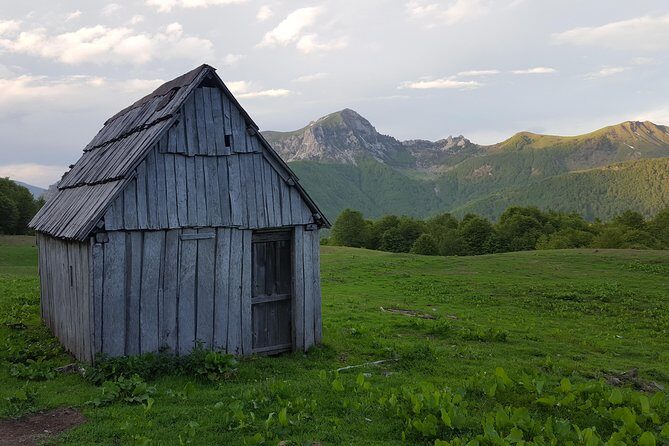
- Shepherd-country nights in villages like Cerem, Doberdol, and Vusanje make it more than just “a hike”
- Special natural moments like Hrid Jezero and Gurnas Waterfall break up the trail rhythm
- Concrete bunkers on the old military border give the history a physical, visible form near Theth
Price and what you’re really paying for
At $1,272.08 per person for about 8 days, this is not a budget “sleep in a hostel and DIY it” deal. But the value is in the structure: you’re covered for transportation, a tour guide, and 7 breakfasts, 7 lunches, and 7 dinners. That matters here, because meals and transport in remote mountain areas are usually the part that makes independent travel expensive and annoying.
You’re also not just hiking one country. The route threads through Albania, then into Montenegro, into Kosovo, and back again, with the kind of local timing that’s hard to replicate without support. Add in the included ferry ticket for Koman Lake, and the price starts to look like a “logistics package” for serious terrain.
You can also read our reviews of more tours and experiences in Tirana.

The early start: Tirana to Koman Lake (and why it works)
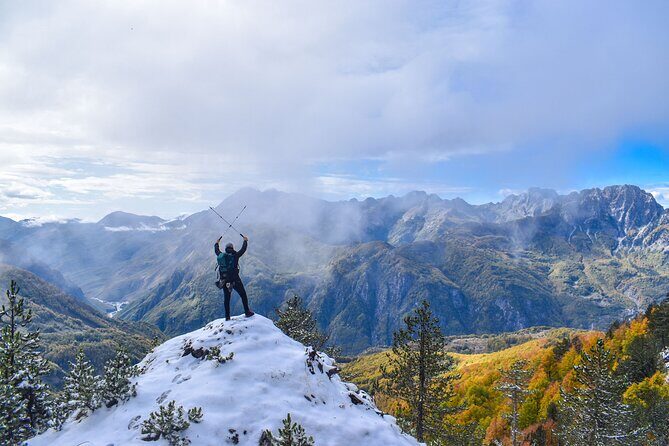
Your day begins extremely early. The schedule shows a 5:30 am start time, and the driving toward Koman Lake lines up with a morning departure from Tirana that gets you ready for the 9:00 am ferry crossing to Fierza. If you’re the type who likes daylight hiking, this start is a gift rather than a punishment.
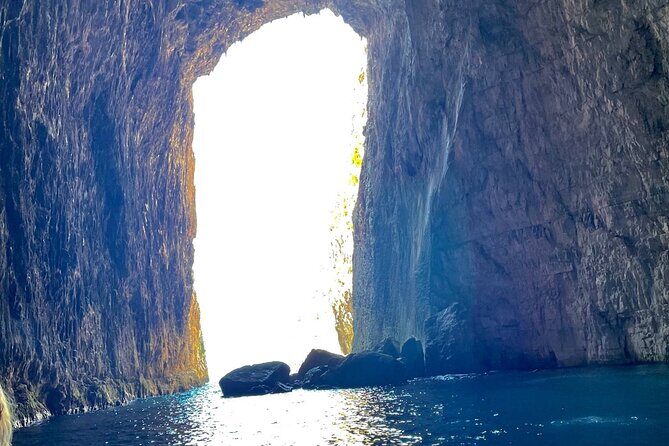
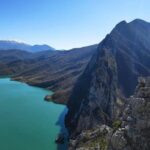
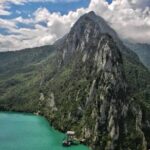
On the ferry, you’re not just commuting. Koman Lake is a manmade route locals use to connect with the modern world since the 1985 dam-era change. It’s the kind of setting that makes the mountains feel immediate, not distant.
Practical note: plan to be organized the night before. When a tour starts before sunrise, you’ll thank yourself for having layers, snacks, and a rain layer ready.
Valbona Valley National Park and the remote Kukaj feel
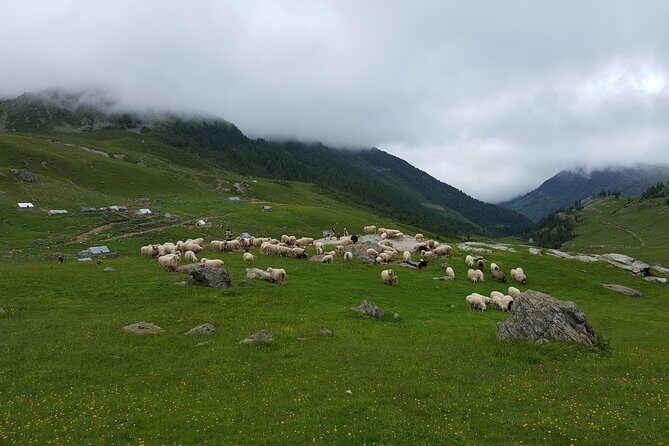
From Fierza, the drive into the Valbona area takes about 45 minutes, and then you settle into lunch in Valbona before hiking toward Kukaj, described as very remote within the Valbona Valley surroundings. This is one of those days where the “journey time” matters, because you’re crossing from a road-and-town rhythm into shepherd-country pacing.
The hike itself is the setup for the whole trip: forests, isolation, and a sense that you’re walking through everyday mountain work, not just scenery. Then you end day one as part of the Peaks of the Balkans start.
If you like being active, not waiting around, this is a strong first mountain day.
Day 2 in Cerem: blackberries, a 2030m high point, and border crossings
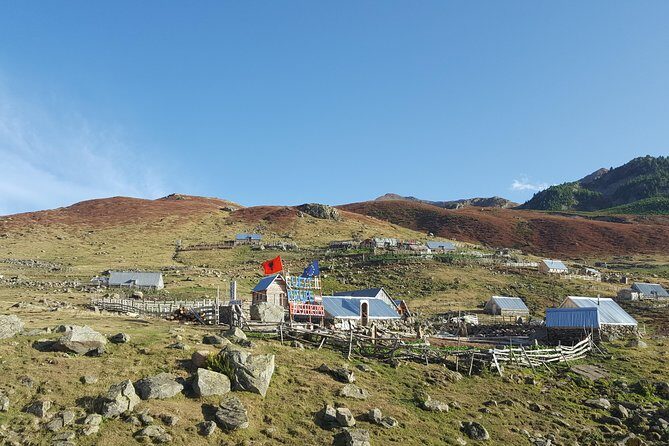
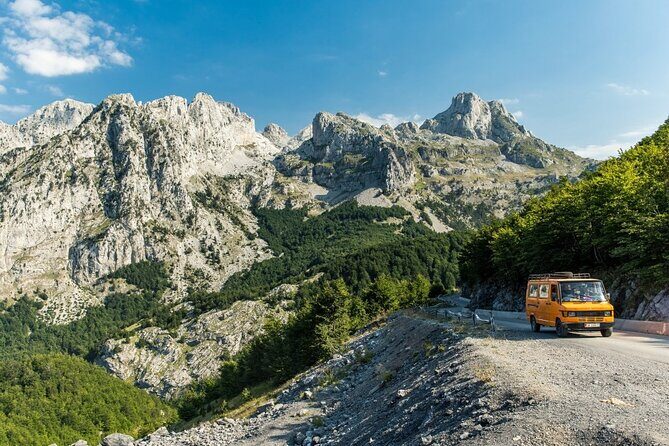
Day 2 begins early and stays in the mountains, heading toward a more remote village in between peaks—Cerem, known for its blackberries in the Accursed Mountains region. Your trail winds through pine forest, then climbs to a peak high on the route (2030 meters) where the plan includes a picnic lunch.
The numbers tell you it’s real climbing: about 13 km with 1,090 m gain. After that, you enter Montenegro for a few kilometers near Zla Kolata, then re-enter Albania through Bori Pass before reaching Cerem for the night.
This day is a good example of why a guided cross-border hike is worth it. You get the physical effort and the geographic context—what it means to walk along changing borders while still staying focused on the trail.
Doberdol: shepherd summer camp and the quiet flat-beech forest sections
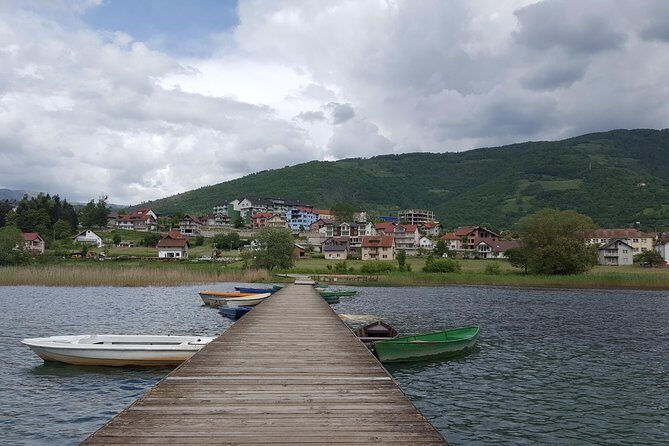
Doberdol is a place with a long rhythm: for centuries it’s been a shepherd summer camp, where cattle stay for 4–5 months. That background matters because the hike through forests feels like it follows the old patterns of moving animals and supplies, not just trekking for photos.
The day is described as relatively easier, with forest walking and a route that makes a brief border crossing back into Montenegro and then returns to Albania. You’ll also walk alongside part of a former military base area, then stop for picnic lunch and coffee in a remote bar setting.
The trek comes in at 15 km, with 790 m gain and 440 m loss. This isn’t “flat,” but it’s less brutal than day 2, which helps you absorb the region without burning out before Kosovo and Montenegro fully stack on.
The overnight is in a basic guesthouse. That’s not a complaint—it’s part of the trade. If you want mountain comfort, pack flexibility. You’re here for the place, not the resort.
Malishevc in Kosovo: spring lakes and strong views for a 7–8 hour trek
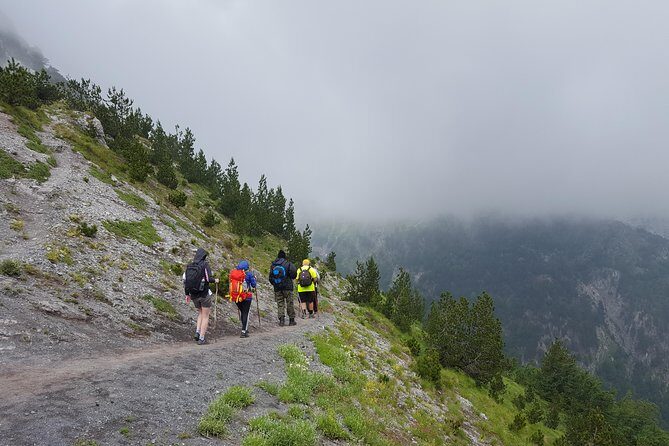
Day 4 takes you into Kosovo, to Malishevc, noted for natural spring lakes and dramatic scenery in the broader Albanian and Accursed Mountains view corridor. The trail length is about 13 km over roughly 7–8 hours, with 920 m gain and 980 m loss—so it’s climb-and-descend work.
This is the day where the “history and legends” thread starts showing up more explicitly. Even without turning it into museum time, walking through these regions on foot makes the stories feel grounded. You’ll have a picnic lunch along the way and overnight in Kosovo.
Kosovo to Montenegro: glacial lakes, legends, and Babino Polje nights
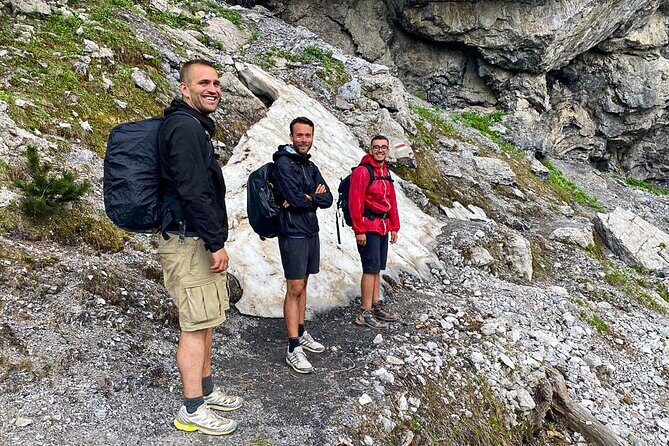
Day 5 continues the cross-border theme, hiking from Kosovo toward Montenegro through areas linked with local history and legends. The trail is shorter at 11.4 km, but the elevation still demands attention: about 570 m gain and 750 m loss.
A key highlight here is the mention of glacial lakes and water streams. That kind of water system can change your sense of pace. You may find yourself slowing down for the views and the sound, because the route’s shape feels shaped by the terrain itself.
After lunch, you finish at Babino Polje for the night.
Hrid Jezero and Plav: Lake of Good Luck, plus a longer day to Vusanje
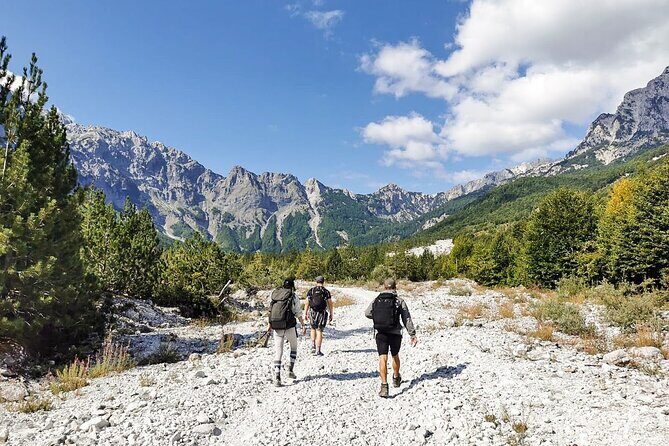
Day 6 has two moods: a cool start and then a more serious trek.
In the morning, you walk to Hrid Jezero, known as the Lake of Good Luck, where local legend says swimming in icy water can bring good luck in marriage. Even if you skip the swim, you’ll still get the “morning reset” effect that comes from cold water and early light.
Then in the afternoon you move near Lake of Plav, take a local transfer to Vusanje, and hike 21 km with 710 m gain and 1,150 m loss. The route is described as lower difficulty level thanks to the numbers, but the loss figure tells you it’s not a stroll—it’s a long day that asks for steady legs.
You end in traditional guesthouse accommodation in Vusanje with dinner.
The military border day: bunkers near Theth (and lots of up-and-down)
By Day 7, you’re in the part of the route that feels deeply “about the Balkans,” not just the outdoors.
You’ll hike around 20 km with 1,050 m gain and 1,100 m loss, walking between steep mountain walls where the old military border between Communist Albania and former Yugoslavia left its mark. Expect concrete bunkers—the “Albanian souvenir from the past,” as the route description puts it.
The pay-off is the view. You’ll see Theth below your feet, including the region’s cultural symbol, the Lock in Tower, referenced as proof of past history and culture. Overnight is in Theth.
This is a day for anyone who likes history you can point to with your own hands, not just read about.
Theth to Shkoder: Gurnas Waterfall and a calmer finish
Your last day is easier in tone, if not in timing.
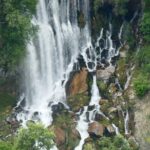
After breakfast in the guesthouse, the route includes Gurnas Waterfall, about a 45-minute walk from the center of the village, passing through soft hilly terrain into the waterfall area. It’s a nice way to finish: you still get nature, but you’re not facing another mountain-to-mountain grind.
Then you drive around 3 hours to Shkoder, the biggest city of northern Albania. You’ll have free time there, and then return to Tirana in the evening to end back at the meeting point.
If you want a final day that lets you eat well, do some browsing, and decompress, this closing plan works.
Guides, group size, and the human side of “locals and shepherds”
The most consistently praised part of this kind of trek is not the route on a map. It’s the people walking with you.
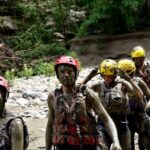
From the available feedback, I’d expect a high-touch guiding style led by locals such as Andi, Daniel, Redi, and Erin. English support is described as strong, and the guides bring both history and nature into the walking rhythm—so you’re not stuck waiting for a lecture after your legs are exhausted.
Also, the tour limits groups to 8 travelers, which is a real benefit on narrow paths and in villages. It means fewer delays, easier pacing adjustments, and more chances to ask questions without feeling like you’re on a bus tour.
Accommodation reality: charming nights, but know what “basic” means
You sleep in village guesthouses across different countries and mountain pockets. Some nights are described as charming, while at least one place (Doberdol) is explicitly called a basic guesthouse.
That’s the trade for being this remote. If you’re the kind of traveler who needs modern hotel standards every night, this trek might feel rough around the edges. If you’re okay with simple rooms, home-cooked meals, and the idea that the best “comfort” here comes from warmth, food, and sleep after hard walking, you’ll enjoy it.
Weather and what to pack for a trek this varied
This tour requires good weather. If conditions are poor, you’ll be offered a different date or a full refund, so don’t ignore forecasts when you’re close to departure.
For packing, think in layers:
- a rain layer you trust
- sturdy footwear for daily hikes
- warm layers for early mornings and high points
- a small day bag for snacks and water
You don’t want your first problem on the trail to be something you could have handled at home.
Who this trek suits best (and who should think twice)
This tour is ideal if you:
- enjoy multi-day hikes with real elevation and long walking days
- like cross-border travel that feels grounded in villages, not just cities
- want local guidance and English support so the history and geography make sense
It might be less ideal if you:
- want an easy walking level every day
- prefer hotel comfort over basic guesthouses
- expect a tour that’s mostly city stops (you do get Shkoder free time, but the core is hiking and remote villages)
Should you book Peaks of the Balkans (8 Days)?
If your dream trip is mountains, small-group guiding, and authentic village nights across Albania, Kosovo, and Montenegro, I think this is a strong booking choice. The combination of included meals, transport, and a route that actually gets you into the Accursed Mountains is what makes it feel like a fair value.
But if your ideal vacation is low-effort, high-comfort, and heavy on towns, you’ll probably feel the early mornings and steep days more than you want. Pick it if you want to work for the views—and let the guides like Andi, Daniel, Redi, and Erin shape the story while you walk it.
FAQ
What countries does the Peaks of the Balkans trek include?
The tour runs across Albania, Kosovo, and Montenegro, with border crossings built into the hiking days.
How long is the tour, and where does it start and end?
It lasts about 8 days. It starts in Tirana, Albania, and ends back at the same meeting point in Tirana.
Is pickup available?
Pickup is offered, and the tour includes transportation as part of the package.
What’s the start time?
The start time is listed as 5:30 am, with very early departure from Tirana on the first day.
What fitness level do I need?
You should have a moderate physical fitness level, since the itinerary includes long hiking days with elevation gain and loss.
How big is the group?
The maximum group size is 8 travelers.
What’s included in the price?
The tour price includes transportation, a tour guide, 7 breakfasts, 7 lunches, and 7 dinners. Personal expenses are not included. Confirmation is subject to availability, and you’ll receive it within 48 hours of booking.