REVIEW · TIRANA
Tirana Walking Tour, Extra Virgin Olive Oil and Raki Tasting
Book on Viator →Operated by Experience Albania like a Local · Bookable on Viator
Tirana history is easier when you walk it. This tour mixes a smooth downtown stroll with tastings of extra-virgin olive oil and raki, plus a local guide who explains what you’re actually looking at.
I especially love the food-and-culture combo—at the castle stop you get a hands-on taste of Albania rather than just photos. I also like that the pace stays human: a small group (up to 30) and time for shade when the day is warm, with clear stops like Skanderbeg Square, Blloku, and Enver Hoxha Pyramid.
One thing to keep in mind: it depends on good weather, and while the experience includes tastings, snacks and drinks are not included. Also, I’ve seen at least one account of a no-show, so it’s smart to confirm the day before.
In This Review
- Key things to know before you go
- Why this Tirana walk is a smart first taste of the city
- Meeting at the equestrian Skanderbeg statue and keeping your timing right
- Skanderbeg Square: the changing face of power in one public space
- The Tirana Clock Tower and Murat Toptani: old Ottoman meets communist-era scars
- Tirana Castle (Kalaja e Tiranës): where the tasting feels like part of the view
- Blloku (Ish-Blloku): the former restricted zone now built for nightlife
- Enver Hoxha Pyramid: the star underneath the Egyptian shape
- What you’ll taste: olive oil comparisons and fruit-forward raki
- Is $22.69 a fair deal for culture plus tastings?
- Who this tour suits best in Tirana
- Should you book this Tirana olive oil and raki walk?
- FAQ
- FAQ
- How long is the Tirana walking tour?
- What is the price per person?
- What language is the tour offered in?
- What does the tour include?
- What kinds of rakis are included in the tasting?
- Are snacks or meals included?
- Where do I meet the guide?
- Where does the tour end?
- Is the tour dependent on weather?
- How large is the group?
Key things to know before you go
- Olive oil and raki tasting built into the walking route (not tacked on at random)
- English-speaking guide who adds street-level context you won’t get from guidebooks
- Small-group size (maximum 30) with a route that loops back to where you started
- Major Tirana landmarks in a tight 2 to 3 hours without museum-hunting
- A politics-to-food contrast that makes the city feel more real—Blloku and the pyramid, then tastings
Why this Tirana walk is a smart first taste of the city
If you’re seeing Tirana for the first time, you want two things fast: orientation and local texture. This tour delivers both because it moves through the city’s most recognizable story markers—Ottoman-era remnants, European-style planning, communist-era power symbols, and the modern hangout zone that followed.
The tasting part is the secret sauce. Plenty of walking tours show you architecture. This one also helps you connect Albania’s tastes to the places you’re standing in, with a guided session that includes extra-virgin olive oils and different rakis distilled from fruits like blackberries and plums. It’s a great way to slow down for a few minutes and reset your brain between stops.
And because the tour is described as private for just your group, the experience tends to feel less like a cattle drive and more like a shared walk with someone who actually knows the streets. In the reviews I was given, the guides come across as people who enjoy talking—especially about how the city changed.
You can also read our reviews of more walking tours in Tirana
Meeting at the equestrian Skanderbeg statue and keeping your timing right
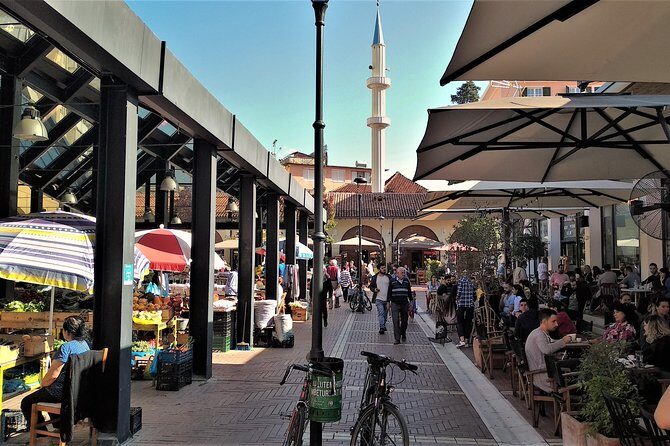
You start at the equestrian statue of Skanderbeg in Sheshi Skënderbej, Tirana. The good news: it’s a central anchor point that makes it easier to meet up without stress. The tour also ends back at the same meeting spot, so you’re not stuck trying to navigate afterward if your feet are tired.
The duration runs about 2 to 3 hours, which is perfect for a “first afternoon” plan. You don’t have to build a whole day around it. You also don’t need to fight through long museum lines, since the itinerary is packed with outdoor and free-entry elements.
One practical note: because it’s a walking tour, comfortable shoes matter. Tirana’s center is walkable, but you’ll still want something with grip, especially if the weather turns.
Skanderbeg Square: the changing face of power in one public space
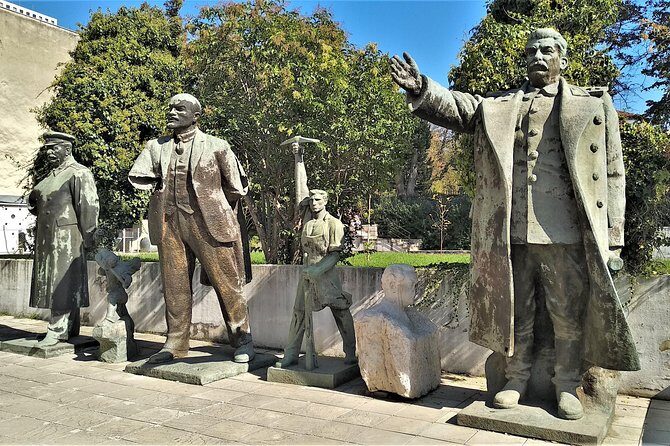
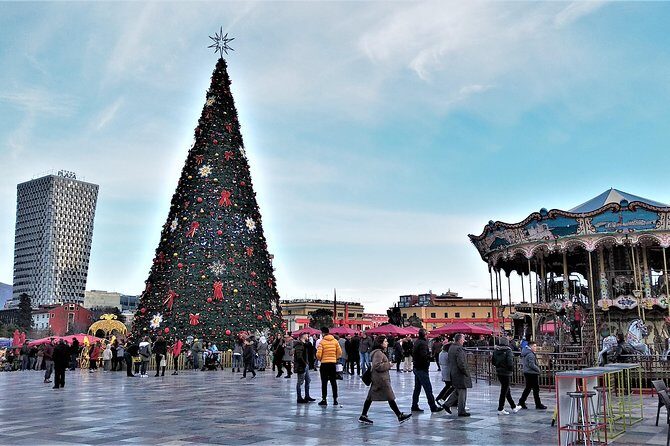
Your first stop is Skanderbeg Square, a place that has been reshaped again and again. The square was originally conceived before World War II by Italian architect A. Brasini, and it later became the stage for Soviet-style statements of authority—statues of Stalin, Skanderbeg, and Enver Hoxha were part of the shifting political landscape.
Today, you’ll find the Skanderbeg statue, and the guide’s job is to connect the dots: how this square got its modern look after centuries of change. It’s a strong opener because it frames Tirana’s biggest theme—power changes, but the city keeps the evidence in stone, layout, and symbolism.
Even better for your time: this stop includes free admission, and it only takes about 20 minutes. You’re not stuck here too long, but you are set up for the rest of the route.
The Tirana Clock Tower and Murat Toptani: old Ottoman meets communist-era scars
From the square area, you move toward the Tirana Clock Tower, one of the older buildings in the city built in late Ottoman times (construction completed in 1822). It’s another free stop, and it matters because it gives you a sense of how Tirana used to anchor daily life long before it became the political stage it later became.
Then comes a long stretch that really changes your perspective: the pedestrian trail Murat Toptani. This route works like a natural museum. You’re not just passing buildings—you’re walking between layers of meaning. Along the way, you can spot or reference major sites including:
- the Fortress of Tirana
- headquarters of the Academy of Sciences
- a park described as the country’s first national park
- the old National Library
- the former Political Persecutor’s Building
- Tanners Bridge
- plus more modern attractions you might notice along the way, like Kalaja e Tiranes and the National Gallery of Arts
What makes this stretch worth your attention is how the guide connects architecture to lived experience. A clock tower tells time. A library tells education. A persecutor’s building tells fear and control. When you walk it in sequence, the city reads like a timeline.
And there’s more city-planning context that often gets skipped in basic sightseeing. The boulevard style you’ll encounter was influenced by Armando Brasini, who designed the grand European-Renaissance direction, and Gherardio Bosio, who gave it European flair with neoclassical utilitarian buildings. In the larger story, Mussolini even showed interest and brought Brasini and Bosio in for special audiences to hear progress reports. It’s one of those details that makes Tirana feel connected to the wider European political weather of the time.
Tirana Castle (Kalaja e Tiranës): where the tasting feels like part of the view
After Murat Toptani, you head to Tirana Castle, known locally as Kalaja e Tiranës. This is another free-entry stop and takes about 15 minutes, which may sound quick—until you remember the tasting is part of why you’re here.
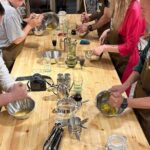
The castle area is special because it’s not just sightseeing. It becomes the moment when the tour slows down and turns into an actual experience for your senses. You taste extra-virgin olive oil and multiple rakis, including varieties distilled from fruits like blackberries and plums.
Why this stop works: a lot of people visit viewpoints and then rush away. Here, you stay long enough to taste, compare, and listen to your guide explain what you’re sampling. It also gives your group a break from constant walking and lets you reset before the next heavy-hitting landmark.
You can also read our reviews of more food & drink experiences in Tirana





Blloku (Ish-Blloku): the former restricted zone now built for nightlife
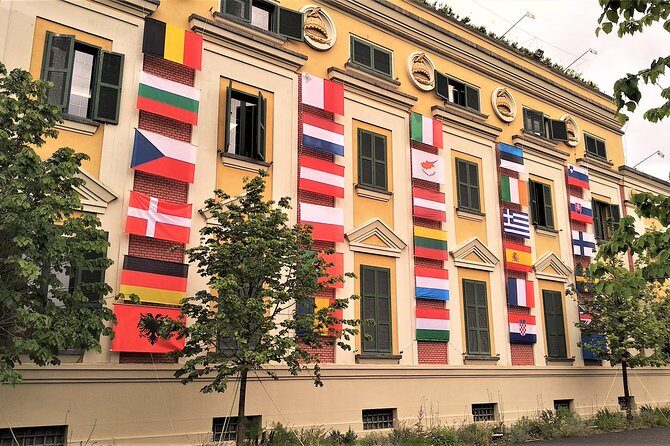
Next up is Blloku, also called Ish-Blloku. This area is now known as an upmarket entertainment district with boutiques, restaurants, cafes, and bars. In plain terms: it’s where many people come to relax, shop, and hang out.
But Blloku’s real value on this tour is what it used to be. During the communist period, it was a restricted residential area for members of the Albanian politburo—ordinary people weren’t allowed in. After the fall of Communism, it became far more accessible and turned into the playground of the young Albanian elite.
You may also find reminders of the communist era, including the residence associated with Enver Hoxha. Seeing Blloku after you’ve walked through the more symbolic sites earlier helps you understand the city’s shift: power centers don’t always disappear. They change address and branding.
Enver Hoxha Pyramid: the star underneath the Egyptian shape
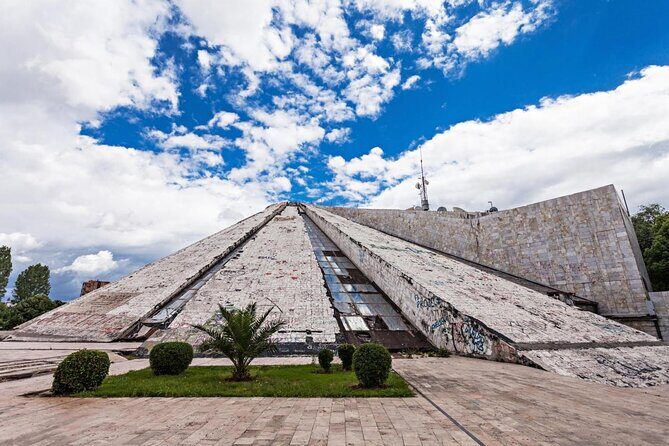
Your final major stop is the Enver Hoxha Pyramid. It was inaugurated in 1988 and served as the Enver Hoxha Museum until 1991. The building’s exterior is often described as resembling an Egyptian pyramid—though the twist is what you see from above: it reveals the shape of a communist star spreading its rays.
Today, the construction has been renewed, so you may notice changes that make it feel different from how museum-like buildings usually look. This stop is also free-entry and takes about 15 minutes, but it lands emotionally because it connects design with ideology.
If you like understanding why cities look the way they do, this is the perfect capstone. You’ve just walked through public squares, planning styles, and former political structures. Now you see a monument designed to project a specific worldview.
What you’ll taste: olive oil comparisons and fruit-forward raki
The included tasting is one of the main reasons I think this tour is better than a basic highlights walk. You don’t just hear about Albanian food culture—you sample it.
You’ll get to taste extra-virgin olive oils and several rakis. The tour description specifically mentions raki distilled from fruits such as blackberries and plums (and other variations). That matters because fruit-forward rakis are a very practical entry point into Albanian flavors; you don’t need a complicated background to enjoy the differences.
A helpful way to think about the tasting: treat it like a short crash course. You’ll likely notice that oils and spirits don’t just taste like one thing. They vary by how they’re made and what fruit or cultivation approach is involved. If you’re going to eat later, this tasting helps you choose what to order with more confidence.
Is $22.69 a fair deal for culture plus tastings?
At $22.69 per person, you’re paying for three things that often cost extra when you book them separately: a professional certified guide, a structured walk through key central sights, and an included olive oil + raki tasting.
Duration matters here. With 2 to 3 hours, you’re getting enough time for a real guide narrative rather than quick photo stops. And since many stops are listed as free admission, your money is going mostly toward human guidance and the tasting session.
What’s not included is also important. Snacks, meals, and drinks are excluded. That means I’d plan to eat before you go (or after), and treat the tasting as an experience, not a full meal. If you’re the type who needs to snack every hour, bring a small water bottle or a light snack from your hotel before the tour starts.
Group discounts are mentioned, and the tour has a maximum of 30 travelers. For most people, that size keeps the walk manageable while still feeling social. If you’re booking with friends, you’ll also appreciate the private-for-your-group feel.
Who this tour suits best in Tirana
This is a great fit if:
- You want an efficient way to get oriented in Tirana’s center without jumping between separate bookings.
- You like history that’s tied to real places, not just museum captions.
- You enjoy food tastings and want them connected to the route.
It’s also a good match for couples, solo travelers, and small friend groups who want an easy plan with a guide-led rhythm. In the reviews I was provided, guides like Taulant stood out for adding context and also making practical recommendations—like shops or restaurants—and keeping an eye on comfort, such as staying in shade when possible. That kind of care is a big part of why the tour feels like a local walking conversation.
If you only want deep museum time, or you dislike walking, you might feel constrained by the outdoor, stop-based structure. The pace is built around sights and a tasting, not extended inside exhibits.
Should you book this Tirana olive oil and raki walk?
I’d book it if you want a first-day plan that mixes city history with something you can taste. The olive oil and raki stop turns the route from a checklist into a real experience, and the walk covers Tirana’s most memorable identity markers—Skanderbeg Square, Castle area, Blloku, and the Enver Hoxha Pyramid.
Do it especially if you like learning from someone who can explain the why behind the what. That’s what makes this tour work: it connects architecture, political shifts, and everyday culture in a way that feels practical.
Just go in with the right expectations: no full meal, comfortable shoes matter, and it’s weather-dependent. If you can align your schedule with good conditions, this is one of the better ways to get to know Tirana fast—while leaving with something to remember that isn’t only a photo.
FAQ
FAQ
How long is the Tirana walking tour?
It runs about 2 to 3 hours.
What is the price per person?
The price is $22.69 per person.
What language is the tour offered in?
The tour is offered in English.
What does the tour include?
It includes a professional certified guide and a tasting of extra-virgin olive oil and different rakis.
What kinds of rakis are included in the tasting?
The tasting includes rakis distilled from fruits such as blackberries and plums, among other variations.
Are snacks or meals included?
No. Snacks, meals, and drinks are excluded.
Where do I meet the guide?
You meet at the equestrian statue of Skanderbeg in Sheshi Skënderbej, Tirana.
Where does the tour end?
The tour ends back at the same meeting point.
Is the tour dependent on weather?
Yes. The experience requires good weather. If it’s canceled due to poor weather, you’ll be offered a different date or a full refund.
How large is the group?
The tour has a maximum of 30 travelers. It also notes that you can participate if you’re comfortable walking, since most travelers can join.