REVIEW · TIRANA
TIRANA Walking Tour: Discover the ever-changing capital city
Book on Viator →Operated by Travel Albania · Bookable on Viator
Tirana hits you fast. This walking tour gives you a clear path through the city’s layers, from Ottoman-era details to Communist-era scars and today’s cafe life. You’ll move on foot with a real guide, and you’ll also get into a major landmark with an included ticket.
I especially like the included historic sights—Skanderbeg Square area connections, plus the Clock Tower and Et’hem Bej Mosque tickets are part of what you pay for. I also love the small group size (max 15), which makes it easier to ask questions and actually hear the stories behind the buildings.
One thing to plan for: this is a walking tour, so comfortable shoes matter. And if the weather is bad, the experience may be moved or refunded, since it requires good weather.
In This Review
- Key things to know before you go
- Why this Tirana walk feels like a guided history lesson you can walk through
- Starting at Skanderbeg Square: your shortcut to understanding 20th-century Tirana
- The Clock Tower climb: 90 steps to a 35-meter city view
- Et’hem Bej Mosque: restored frescoes and a better understanding of faith in Albania
- Toward Tirana Castle: walking old routes even when little remains
- Ura e Tabakëve (Tanners’ Bridge): where restoration meets everyday movement
- The National Gallery of Art and The Cloud: social realism outside, modern architecture inside your frame
- Blloku: from Communist party zone to nightlife district you’ll recognize instantly
- Price, timing, and what your money buys in real terms
- How long should you stay in Tirana before booking this walk?
- Should you book this Tirana walking tour?
- FAQ
- What is the duration of the Tirana walking tour?
- How much does the tour cost?
- Is the tour offered in English?
- What is included in the ticket price?
- Where does the tour start and when does it begin?
- How large are the groups?
- What is not included?
- What happens if the weather is poor?
Key things to know before you go
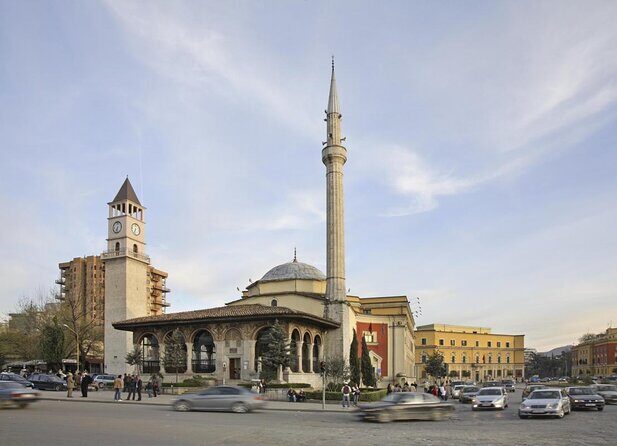
- Skanderbeg Square orientation: you start in the heart of Tirana, with major landmarks all around.
- Clock Tower climb: 90 steps to a 35-meter viewpoint, built in 1840 and reopened to visitors in 1996.
- Et’hem Bej Mosque story: built in 1823, with restored floral patterns and frescoes, plus context on Islam in Albania.
- Tirana Castle area walk: traces tied to the Justinian period (4th–6th centuries) even though little remains.
- Ura e Tabakëve (Tanners’ Bridge): an 18th-century stone footbridge near the Parliament, restored in the 1990s.
- Blloku’s before-and-after: how a party-elites zone became Tirana’s nightlife magnet, near the Presidenca e Republikës.
Why this Tirana walk feels like a guided history lesson you can walk through
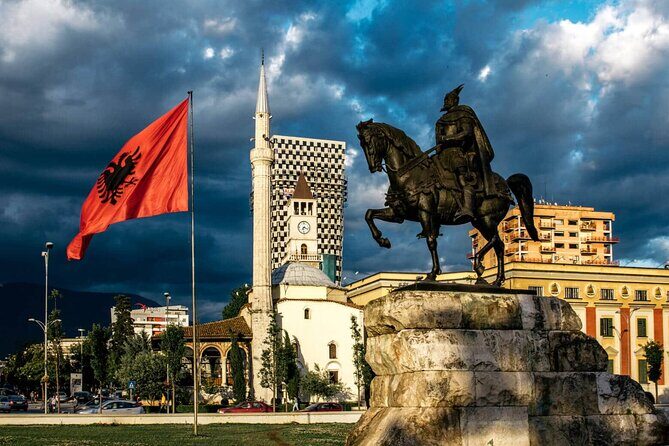
Tirana can look chaotic on the first day. Streets bend, buildings change style block to block, and you can’t always tell which era you’re standing in. This tour helps you connect the dots fast, using landmarks you can see from a few angles and a guide who explains how the city changed—and why.
The format is also practical. You’re not sitting indoors for hours. You’re moving through the places that shape daily life in the capital: squares, towers, religious buildings, and the neighborhoods people actually hang out in. And at several stops, you get tickets that would otherwise be extra.
At a price point of $42.10 per person for about 3 to 4 hours, the value comes from two places: a qualified English-speaking guide and included entry for key sites (not everything is extra-cost once you show up). Just remember there’s no hotel pickup, so you’ll want to get yourself to the start area early.
You can also read our reviews of more walking tours in Tirana
Starting at Skanderbeg Square: your shortcut to understanding 20th-century Tirana
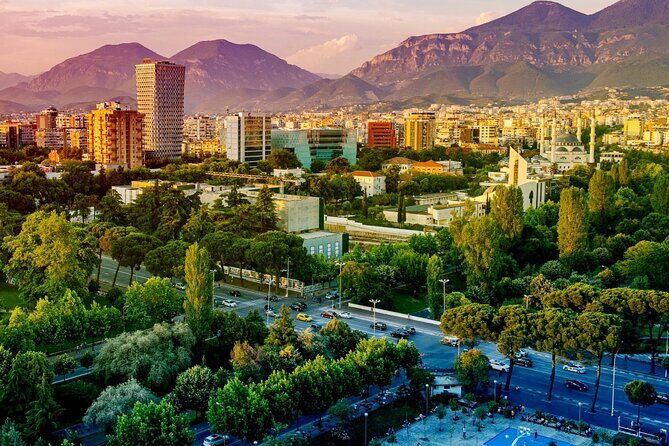
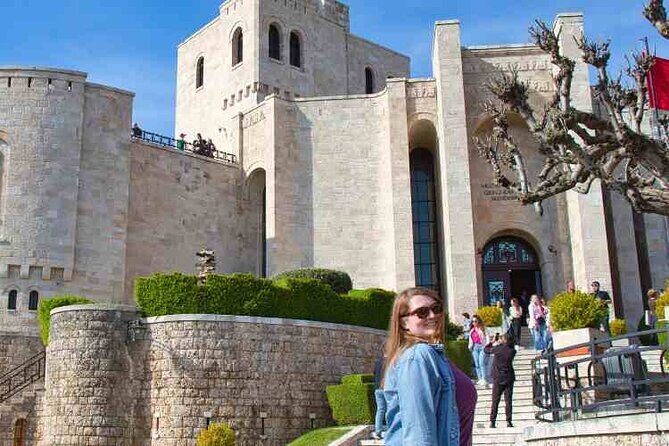
The walk begins at Skënderbej Square (Sheshi Skënderbej). It’s named for Albania’s medieval hero, but the real power of the square is how it anchors the city’s modern story. From here, you can take in multiple major buildings that reflect different layers of Albanian history—especially the 20th century, when Tirana kept reinventing itself.
You’ll spend about 30 minutes in the square area, focusing on the surrounding landmarks. This is where you learn the names and roles of what you’re seeing: the National Historic Museum, the National Opera House, the Old Clock Tower, and the Et’hem Bej Mosque. That kind of orientation matters. Without it, Tirana can feel like a random mix of architecture. With it, you start noticing patterns.
A nice detail: the tour notes admission ticket is free at this stop. That makes it easier to treat this as an efficient first stop rather than a “look around and hope you get it” moment.
Practical tip: arrive with your phone charged. You’ll want photos of the square, but also a quick way to remember what your guide just pointed out.
The Clock Tower climb: 90 steps to a 35-meter city view
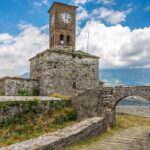
Next comes the Clock Tower, one of the most recognizable monuments in the center. This tower opened to tourists in 1996, and the climb is intentionally manageable: 90 steps up to the top. You’re not doing a hardcore hike—just enough effort to earn the view and feel like you reached something real.
The background helps you understand why the tower matters. Built in 1840 during the Ottoman era, it sits at about 35 meters tall. The tour also points out that it was Tirana’s tallest building until 1970, which helps explain how locals might have watched the city grow around it.
The setting today includes construction nearby, so don’t expect a perfect “historic postcard” panorama. Still, it’s a rare chance to look across the center and spot how neighborhoods and building styles overlap. For many people, this is the moment when Tirana stops feeling abstract and starts feeling map-like.
This stop includes admission, and it’s also only about 20 minutes, so it fits well into a longer walking day. If you know you’re sensitive to stairs, this is the one to consider carefully.
Et’hem Bej Mosque: restored frescoes and a better understanding of faith in Albania
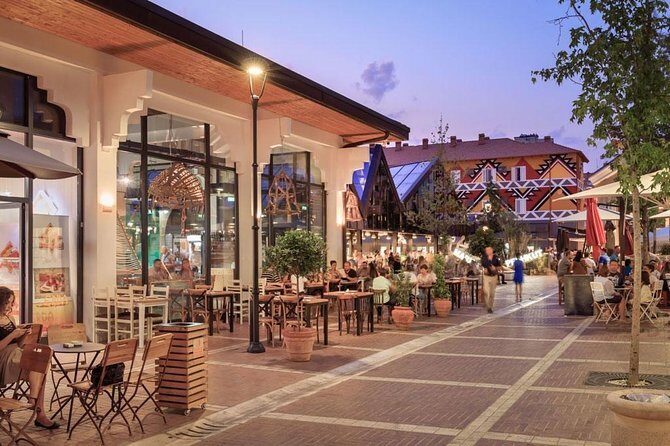
Then you shift to religion with the Et’hem Bej Mosque (Xhamia Et’hem Bej). The standout point is its survival. Built in 1823, it’s described as the only religious monument that survived the Communist Cultural Revolution in Albania. That fact alone adds gravity to what otherwise could be only a pretty building.
You’ll spend around 15 minutes here. The guide also talks about the restored floral patterns and vivid frescoes, which makes it easier to picture how the interior once looked and how restoration can protect cultural memory.
Another reason this stop is valuable: it’s not treated like a lecture only about one building. The guide explains insider details on the nuanced history of Islam in Albania. Even if you’re not religious, that context helps you understand why different symbols and architectural choices matter here.
Ticket is included, so you won’t have to juggle extra costs in the middle of the walk. Just be ready to move respectfully and listen closely—this is the kind of stop where small details (frescoes, ornament patterns) become the main event.
Toward Tirana Castle: walking old routes even when little remains
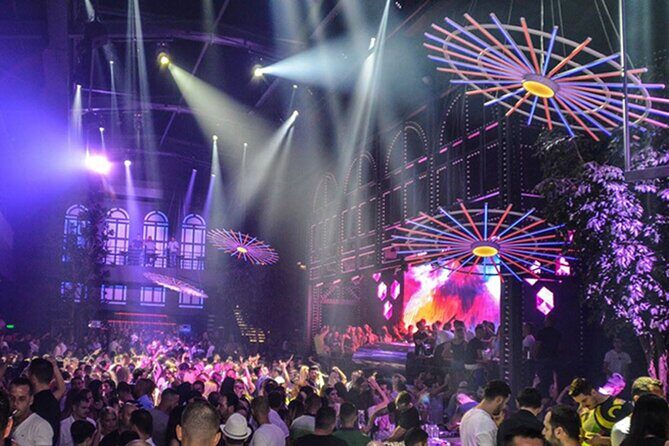
From the central streets, the tour moves along Rruga Murat Toptani, a route that connects you toward the Tirana Castle area. The promise here is honest: yes, it’s linked to something huge, but no, you won’t see a full intact fortress wall.
The interesting part is what the guide highlights through excavations. Recent digs (noted as 2001 and 2008) revealed traces of Tirana’s castle walls tied to the Justinian period—the 4th to 6th centuries. That means the site has deep roots long before the modern center you walk through today.
What you can realistically expect now: little remains of the walls, because of centuries of war and destruction. But the area has turned into a working, living space. It’s popular with all ages and has become a hub for artisans, with cafés, restaurants, and art galleries in the area.
This stop is about 20 minutes, and it’s worth treating it as a reset. Even if you don’t climb anything, you’ll enjoy the change of pace, and you’ll see how Tirana layers the old into everyday life.
Practical note: wear shoes with grip. Castle-area streets can be uneven, and you’ll be walking through the center’s “real” foot traffic.
You can also read our reviews of more city tours in Tirana


Ura e Tabakëve (Tanners’ Bridge): where restoration meets everyday movement
Next is the Tanners’ Bridge, known as Ura e Tabakëve. It’s a stone 18th-century Ottoman-period footbridge, and it sits near the Albanian Parliament, which makes it a great stop for seeing how old infrastructure and modern governance share the same neighborhood.
You’ll spend about 10 minutes here, but the story is unusually specific. The bridge was once vital because it linked Tirana with the eastern highlands. It was used mainly by farmers bringing produce and livestock, and the name comes from tabakë, tied to professions connected to tanning and butchering.
The tour also explains why the bridge fell into disrepair: it crossed the Lana stream until the 1930s, when the river was diverted. That’s the kind of urban change that’s easy to miss if you just pass by.
The restoration in the 1990s is one of the reasons this stop feels alive. The guide describes cleaning and restoring original stones and recreating an artificial pond on both sides. Today, it’s used by pedestrians only, so it’s less of a transit bridge and more of a heritage pause point.
Ticket is free here, which is nice. It keeps the whole cost structure simple, and it gives you a breather between bigger stops.
The National Gallery of Art and The Cloud: social realism outside, modern architecture inside your frame
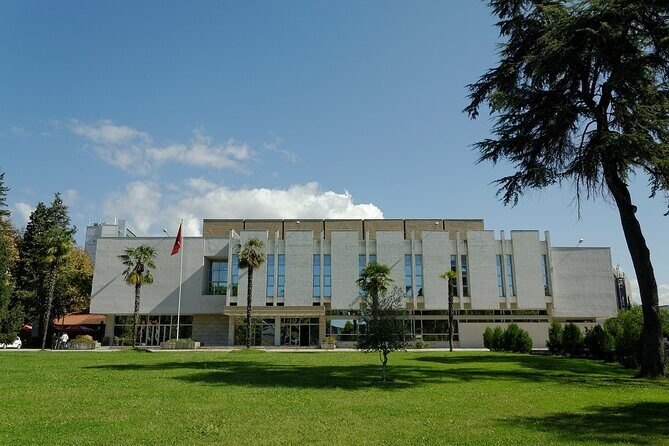
After the bridge, you’ll reach the National Gallery of Art (GKA) area. The tour describes the gallery’s long timeline: established on January 11, 1954, and known for social realism masterpieces. It’s especially noted for figurative arts and for including sculptures of Communist leaders such as Stalin and Lenin nearby.
One important practical detail: the gallery is currently temporarily closed for expansion. That means what you’ll get is mostly a look from outside, plus the chance to observe minimalist design elements from the exterior. You also may still see the Social Realism statues in the vicinity, since the point is to spot them around the building area.
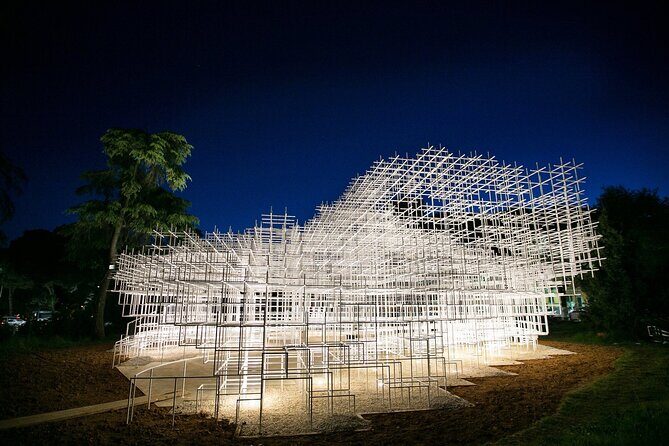
Right in front of the gallery stands REJA (The Cloud), designed by architect Sou Fujimoto. This is modern Tirana in a single frame: it’s used for late-night film screenings, performative arts festivals, and live concerts.
This stop is short—around 10 minutes—but it helps you understand a tricky truth about Tirana: not every art stop is about stepping inside a museum. Sometimes, it’s about how public spaces treat art and how the city repurposes its cultural sites.
Admission at the gallery is marked as not included, so don’t expect tickets for the interior. If you care a lot about going inside, you can plan a separate visit on another day.
Blloku: from Communist party zone to nightlife district you’ll recognize instantly
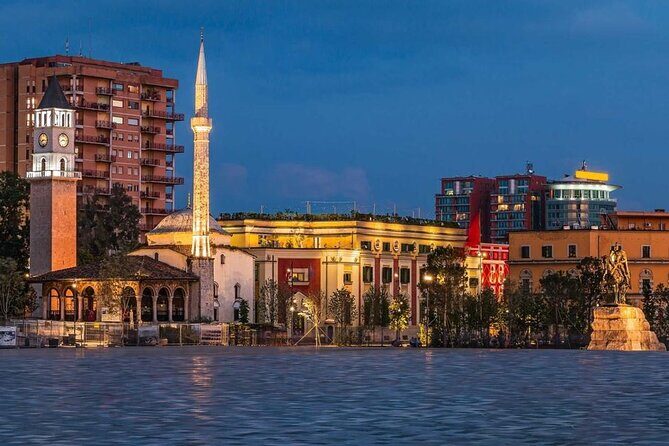
The last “big feeling” neighborhood stop is Blloku, Tirana’s famous entertainment area. The tour explains that everything people say about Blloku is basically true: today it’s full of hip bars, cafés, trendy restaurants, luxury boutiques, and upscale residential units. It’s the part of the city that feels modern and confident.
But the story gets much more interesting when the guide links the district to Albania’s Communist past. Under Communist rule, Blloku was a closed-off precinct for party elites. The tour also points out the modest, modern-style villa of Albania’s long-ruling dictator Enver Hoxha, which gives the neighborhood a darker edge under its nightlife glow.
And then there’s the political geography: Presidenca e Republikës (the office of the Albanian president) is also nearby. So even if you just want a fun last stop, you’re ending in a place where power is physically close to popular life.
This is about 15 minutes, and it’s mostly a “walk and understand” moment. Ticket is free. It also makes a good finish because you’re likely to recognize Blloku immediately later, when you start exploring on your own.
Price, timing, and what your money buys in real terms
The tour runs 3 to 4 hours, starting at 9:30 am and ending back at the meeting point. It costs $42.10 per person, and it’s offered in English.
Here’s how I’d judge value for your money:
- You’re paying for a qualified guide plus included admissions at several key stops (Clock Tower and Et’hem Bej Mosque, and the Skënderbeg Square area museum ticket is described as free at that stop).
- You’re getting a tight route through central Tirana, which can save you time compared to bouncing between sites solo.
- The group max is 15, so it’s not a cattle-car experience.
What’s not included is also clear: hotel pickup/drop-off, food and drinks, tips, and any optional activity costs. That’s standard, but it matters because it means you should plan to walk yourself to the start.
Speaking of the start: you meet at Tirana International Hotel, Sheshi Skënderbej 8, Tirana 1001. Since there’s no pickup, I’d arrive a few minutes early. You’ll want to settle, meet the guide, and get oriented before the walk starts.
One more timing note: the experience requires good weather. If Tirana is rainy or bitterly hot, the tour may be rescheduled or refunded. Build flexibility into your schedule on travel days.
How long should you stay in Tirana before booking this walk?
If you’re arriving for the first time and you want to stop guessing where to start, this is a great early-day activity. You’ll get a mental map: square, tower, mosque, heritage bridge, art space, and Blloku. Even if you move on afterward, those reference points help you navigate.
If you only have a half day, this tour can still work because the total time is under 4 hours. But if you’re planning to spend long hours inside museums or want fewer stairs and more resting, you might consider adding extra time elsewhere.
And yes, you’ll want good walking shoes. The route includes a tower climb with 90 steps, plus city walking between stops.
Should you book this Tirana walking tour?
I’d book this tour if you want Tirana explained in plain language and you like your history tied to real streets. The route is efficient, the included tickets reduce decision fatigue, and the best part is the guide focus—people often rave about guides such as Gloria and Ilir for strong English and citywide context. It also helps that groups are small, so it doesn’t feel like you’re hearing half a story while you’re stuck behind someone else.
I’d skip it or pair it with another plan if you know you can’t handle stairs or you’re hoping for lots of indoor time. The National Gallery of Art is noted as temporarily closed, so you’ll mostly see the exterior and nearby works rather than a full museum visit.
If you’re on your first trip to Tirana and you want a fast, meaningful orientation, this is a solid, good-value way to begin.
FAQ
What is the duration of the Tirana walking tour?
It lasts about 3 to 4 hours.
How much does the tour cost?
The price is $42.10 per person.
Is the tour offered in English?
Yes, it’s offered in English.
What is included in the ticket price?
You get a city tour of Tirana with a qualified guide, and you also have included admission tickets for specific stops (Clock Tower and Et’hem Bej Mosque are marked included, and Skënderbeg Square area admission is described as free at that stop).
Where does the tour start and when does it begin?
The meeting point is Tirana International Hotel, Sheshi Skënderbej 8, Tirana 1001, and the start time is 9:30 am.
How large are the groups?
The maximum group size is 15 travelers.
What is not included?
Hotel pickup and drop-off, food and drinks, tips and gratuities, and optional activity costs are not included.
What happens if the weather is poor?
The experience requires good weather. If it’s canceled due to poor weather, you’ll be offered a different date or a full refund.