REVIEW · SARANDA
Blue Eye, Gjirokaster & Lekures | Private & Small Group Tours
Book on Viator →Bookable on Viator
One day in southern Albania can feel like a week. You’ll get a Gjirokastër overview, a major castle viewpoint, and a famously clear spring—done with private round-trip transport so you’re not burning time figuring out logistics.
What I like most is how the day mixes places that are easy to see with places that make you understand the region. You’ll spend real time inside Gjirokastër’s story-world, including the castle and a family-run Skenduli house visit, then switch gears to nature at Blue Eye.
One thing to consider: the schedule is fairly full, and the Blue Eye and castle areas can mean walking on uneven ground. If you prefer slow travel, you’ll want to build in extra comfort time with your guide.
In This Review
- Key highlights at a glance
- A Saranda day trip that stitches Gjirokastër and Blue Eye into one plan
- Private pickup, Ari-level service, and why comfort matters on a long day
- Stop 1 in Gjirokastër: castle views, museum time, and an Ottoman bazaar walk
- Skenduli house: the rare chance to hear family history in person
- Lekuresi Castle at sunset: viewpoints first, then optional swim and fruit
- Blue Eye spring: forest walk, Bistrica source time, and legend stories
- What’s included, what’s not, and where the money goes
- How long the day feels: pace, breaks, and fitting three very different places
- Who should book this tour, and who might want a different style
- Should you book Blue Eye, Gjirokastër & Lekuresi with a private small group?
- FAQ
- How long is the Blue Eye, Gjirokastër & Lekuresi private tour?
- Where does pickup and drop-off happen?
- Is this tour private or shared with other groups?
- What’s included in the price?
- What are the main stops during the day?
- Do I need to pay for entrance fees at each stop?
- Is there an easier way to reach Blue Eye if I don’t want to walk much?
- What should I bring or prepare for?
- What happens if weather is bad?
Key highlights at a glance
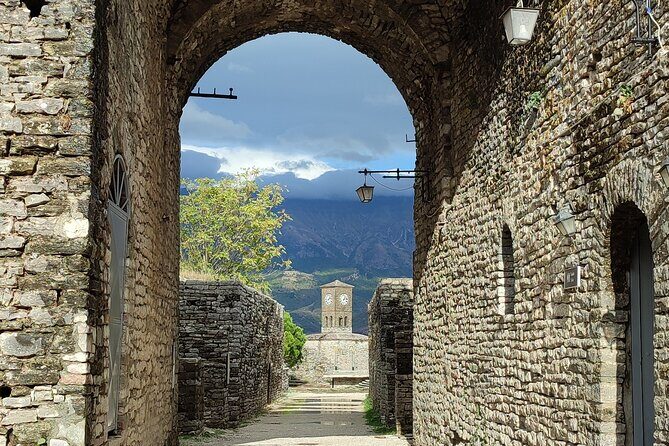
- UNESCO time in Gjirokastër with castle views over the town and surrounding Gjere mountains
- Skenduli house visit guided by a 10th-generation family member with on-the-ground family details
- Lekuresi Castle sunset views in a spot the guide calls a favorite
- Blue Eye spring walk through forest to the Bistrica river source, with legends along the way
- All entrance fees included, plus snacks and bottled water for the day
- A guide who adjusts the pace, with frequent comfort stops built into the day
A Saranda day trip that stitches Gjirokastër and Blue Eye into one plan
This tour works because it gives you a smart “big picture” of southern Albania in one long day. You start with Gjirokastër, shift to Lekuresi Castle, and end at Blue Eye—three different styles of sightseeing, handled by the same guide and transport team.
The best part is that you’re not just collecting stops. You’re moving between eras: Ottoman-era urban life in Gjirokastër, fortress-era viewpoints at the castles, and a natural monument where stories and the water itself are the point. The result is a day that feels varied, but still coherent.
Price-wise, you’re paying for a private, all-in-one day with round-trip pickup, entrance fees, a local guide, and basic food/drink support. At $134.56 per person, the value is strongest if you’d otherwise pay separately for transport and entry tickets—or if you’re traveling as a small group and want the day to move on your timing.
You can also read our reviews of more private tours in Saranda

Private pickup, Ari-level service, and why comfort matters on a long day
Pickup is part of the deal. After booking, you’ll be contacted to arrange pickup at your accommodation, and drop-off is back where you started. That matters in Sarandë, because the day involves moving between uphill viewpoints and a nature site where you don’t want to be hunting for parking or waiting for public transport.
The guide is a big part of the experience, especially if you like history without feeling trapped in a lecture. Ari is consistently described as friendly, flexible, and easygoing, and the day stays comfortable even with teenagers in tow. He also adjusts the pace when needed, which is a practical skill on a day with multiple walking sections and photo stops.
You also get snacks and bottled water included. That sounds small, but it keeps the day from turning into a constant search for food, especially on viewpoints where options are limited.
Stop 1 in Gjirokastër: castle views, museum time, and an Ottoman bazaar walk
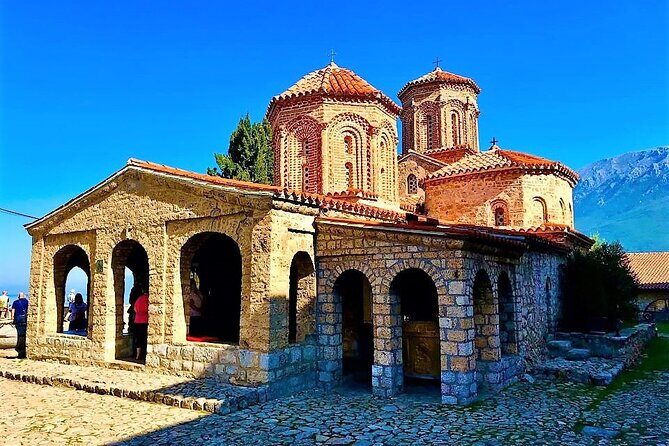
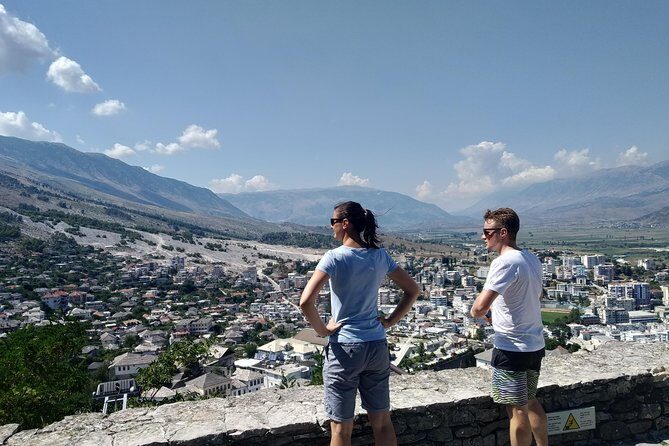
Gjirokastër is the anchor of the day, and this plan gives it proper time. You’ll spend about 4 hours here, starting with the castle that overlooks the entire town and stretches toward the Gjere mountains. The view alone helps you understand why this place became such a power center—high ground, strong lines of sight, and a town built to last.
Inside the castle area, you’ll also visit the museum. This is one of those moments where the city becomes more than pretty stones. The guide’s job is to connect what you see (fortifications, the town layout, preserved structures) with the bigger story of how Gjirokastër developed and why the Ottoman influence is still visible.
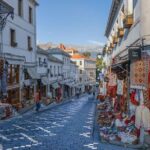
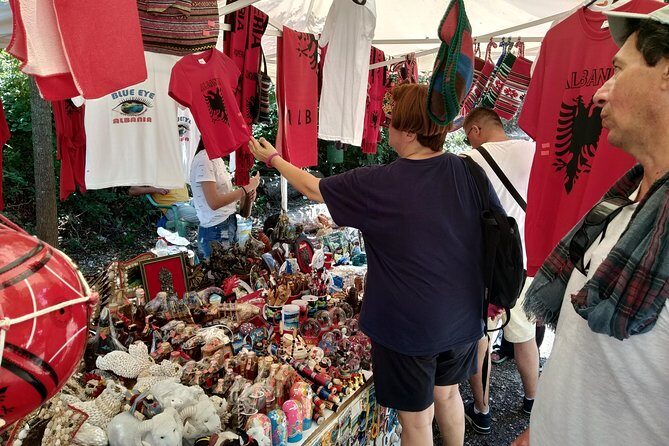
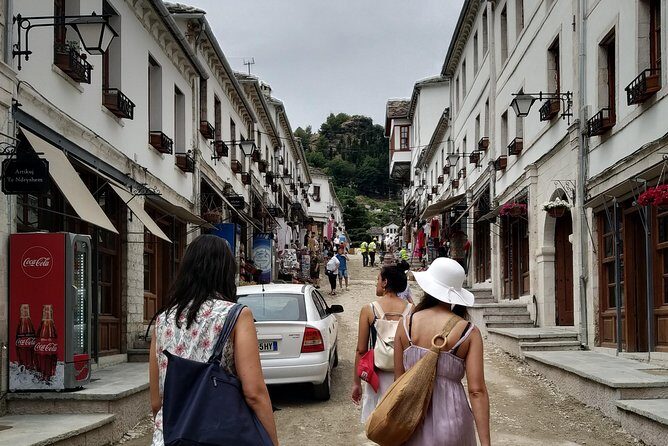
After the photos and the viewpoints, you move to a 17th-century Ottoman bazaar. This is not just a corridor for souvenirs; it’s a place to walk slowly, browse local items, and get a sense of what “everyday commerce” looked like in older periods. If you want to bring something back that looks like it belongs in Albania, this is where you’ll actually have time to look.
One practical note: cobblestones and uphill sections can add up across a long day. Wear shoes you’re comfortable in for uneven ground, and don’t feel guilty about asking for slower pacing when you want photos.
Skenduli house: the rare chance to hear family history in person
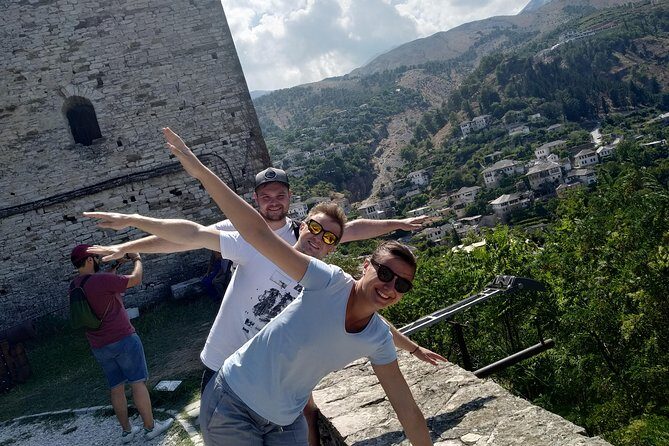
A major differentiator here is the Skenduli house. You’ll visit another preserved Ottoman structure and learn how it’s been kept since it was taken from the wealthy Skenduli family at the start of communism in Albania. That kind of detail matters because it turns a building into a timeline.
The most compelling part is that the tour includes a guide from the family itself: a 10th-generation family member shows you around and explains the house’s quirks. That’s the sort of perspective you can’t recreate from a guidebook, because it’s about how things were used, what was preserved, and what the family notices today.
If you’re the type of traveler who enjoys small, specific stories—kitchens, rooms, daily routines, how people lived behind thick stone walls—this stop will hit your sweet spot. If you prefer only large monuments and wide outdoor viewpoints, you might find this one more interesting than you expected, because it’s guided and story-driven rather than just architectural.
Lekuresi Castle at sunset: viewpoints first, then optional swim and fruit
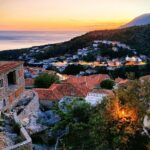
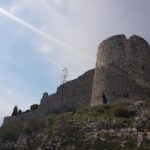
After Gjirokastër, you head back toward Sarandë and stop at Lekuresi Castle. Time is shorter here—about 1 hour 15 minutes—but the point is quality time in the viewing spot.
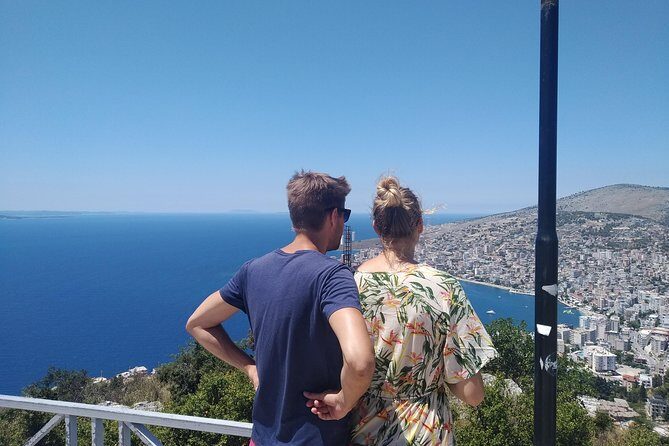
This is the guide’s favorite place to enjoy the wide-breath views as the sun drops. Sunset is where this castle earns its keep. You’ll get the feeling of the coastline and southern Albania’s geography working together, and you’ll see why people time visits for the light.
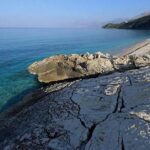
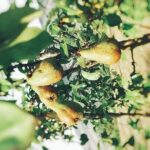
The tour also leaves room for optional add-ons. If you like, this portion can include swimming or eating locally grown fruits with some drinks. That’s a great moment to switch from “sites and stories” to “relax and taste something real.”
Consider bringing swimwear if you think you’ll want to take the plunge. Even if you don’t swim, the option makes the stop feel less rigid and more like a flexible break.
Blue Eye spring: forest walk, Bistrica source time, and legend stories
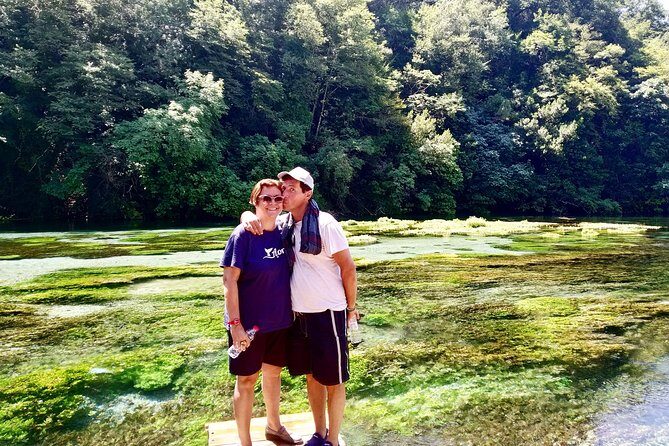
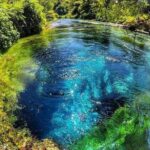
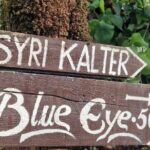
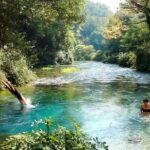
Blue Eye is where the tour shifts from history to nature. You’ll head out by the scenic route through the mountains to the Blue Eye spring, which is described as a famous natural monument. The visit includes about 50 minutes to explore the forest and reach the crystal-clear source of the Bistrica river.
This part is more than a photo stop. You’re walking through a forest setting, and you get time to focus on water, reflections, and the exact spot where the spring feeds the river. Your guide may also share legends about Blue Eye’s origins, which turns the visit into a mix of what you can see and what people say about it.
Water temperatures are not for the faint-hearted. The guide notes that rebellious tourists may jump into the icy water, and it’s framed as a brave choice rather than a requirement. If you’re curious but not sure you’ll commit, you can still enjoy the spring without doing anything extreme.
Also, if you’re worried about walking, there’s a train at Blue Eye for those who prefer not to go on foot all the way. That makes this stop more doable for different comfort levels and keeps the experience from feeling like a forced hike.
What’s included, what’s not, and where the money goes
This tour includes a lot of the stuff that often creates hidden costs on day trips. You get private transportation, pickup and drop-off, a local guide, snacks, bottled water, and all entrance fees. That means you can budget without playing a guessing game.
Admission fees being included is a big value point. Castle visits and museums can add up fast when they’re purchased separately, and here you don’t have to manage that on the day.
What’s not included is your personal spending. That usually means souvenirs, extra meals beyond any optional food at Lekuresi, and anything you buy on the go. So if you want a souvenir from the Gjirokastër bazaar or you prefer a restaurant meal option later, plan for it.
Group discounts are also listed as a feature. If you’re booking with friends and your travel dates are flexible, it’s worth asking about how the discount applies to your group size before you lock in.
How long the day feels: pace, breaks, and fitting three very different places
The tour duration ranges from about 6 hours 20 minutes to 8 hours 20 minutes, depending on conditions and timing. That’s long enough to feel like a proper day out, but it’s not so long that you’re constantly exhausted.
A big part of keeping the day enjoyable is pacing. Ari’s style is described as respectful of sightseeing pace, with frequent stops and bathroom breaks. That matters because on a day like this, the most frustrating thing isn’t the walking—it’s the stress of needing to stop and not knowing when.
You’ll likely spend your longest stretches at Gjirokastër (around 4 hours) and the shortest at Lekuresi. Blue Eye is short but focused, and that works because you get nature time without it taking over the whole schedule.
Weather matters too. The tour requires good weather, and poor weather can lead to a different date or a full refund. So if you’re traveling in shoulder season or planning around rain, treat this like a flexible day, not a guaranteed outdoor-only itinerary.
Who should book this tour, and who might want a different style
If you want a single-day overview of southern Albania, this is a strong choice. It’s especially suited for travelers who:
- want history plus nature without hopping around on your own
- enjoy viewpoints, old-town walking, and guided storytelling
- value a private setup where you can ask questions and adjust pacing
It’s also ideal for couples or small groups who don’t want to squeeze into a larger tour bus. “Private” here means you’re not sharing the schedule with strangers, and that usually translates into fewer delays and more comfort.
If you dislike structured touring and prefer total freedom to linger, you may feel the day is packed. You’ll still be able to set the sightseeing pace with the guide, but the stops are planned and the timeline is real.
If you’re traveling with anyone who struggles with walking on uneven ground, plan for that in your footwear choice. You can also take comfort in the fact that Blue Eye includes a train option for those who prefer less walking.
Should you book Blue Eye, Gjirokastër & Lekuresi with a private small group?
Book it if you want an efficient, story-rich day that doesn’t skimp on major sites. The combination is smart: Gjirokastër’s Ottoman-era city core and family-house perspective, Lekuresi for sunset viewpoints and a potential relaxation break, then Blue Eye for the natural monument experience with legends and plenty of photo chances.
Don’t book it if you’re hunting for a slow, minimalist itinerary. This is a full day with multiple distinct stops, and you’ll want to be okay with changing environments quickly—castle viewpoints, bazaar walking, then a nature site.
One last practical tip: if you care about comfort, tell your guide your pace preferences early. The day runs smoother when you communicate what you want—more photos, more museum time, or less time indoors.
FAQ
How long is the Blue Eye, Gjirokastër & Lekuresi private tour?
It runs for about 6 hours 20 minutes to 8 hours 20 minutes, depending on timing during the day.
Where does pickup and drop-off happen?
Pickup and drop-off are offered from your accommodation. After booking, you’ll be contacted to arrange the pickup.
Is this tour private or shared with other groups?
It’s listed as private, meaning only your group participates.
What’s included in the price?
The tour includes snacks, bottled water, private transportation, a local guide, pickup and drop-off, and all entrance fees.
What are the main stops during the day?
You’ll visit Gjirokastër (including the castle, museum, Ottoman bazaar, and Skenduli house), Lekuresi Castle, and the Blue Eye spring.
Do I need to pay for entrance fees at each stop?
Entrance tickets are included as part of the tour. Lekuresi Castle is listed as admission free.
Is there an easier way to reach Blue Eye if I don’t want to walk much?
The Blue Eye visit includes an option described as a train for people who are worried about walking.
What should I bring or prepare for?
The tour notes that you must have your own face masks and gloves due to Covid-19 risks.
What happens if weather is bad?
The experience requires good weather. If it’s canceled due to poor weather, you’ll be offered a different date or a full refund. Free cancellation is available up to 24 hours in advance for a full refund.