REVIEW · TIRANA
Private 4 Day Tour of Albania from North to the South
Book on Viator →Operated by Local Friends Albania · Bookable on Viator
Four days, and you see Albania’s whole arc. This private north-to-south trip starts with pickup near Tirana and moves fast between castles, old-town streets, and Ionian Sea views, with a guide who keeps the day feeling human, not rushed.
I love two things most: first, the early door-to-door pickup and the use of a clean, private car so you’re not guessing buses or hauling luggage through transfers. Second, you may get a guide like Skerdi from Friends of Albania, who’s sharp on Albanian history and also practical—he’s known to help with tricky staircases and trails when someone needs an extra hand.
One thing to plan for: this route covers a lot of ground in only four days, so you’ll spend meaningful time in the car. Also, breakfast is included but lunch and dinner aren’t, so you’ll want to budget meals as you go.
In This Review
- Key highlights you’ll feel right away
- How this 4-day Albania route really feels
- Northern Albania starts with Rozafa Castle above Shkodra
- Shirokë by the lake: the break that turns into the best photo
- Krujë and Skanderbeg territory: markets, castle, and the essentials
- Day 2: Durres for the coastline and Roman Amphitheatre
- Berat: UNESCO-listed Ottoman windows and the castle district
- Day 3: Gjirokastër’s Ottoman streets and the fortress crown
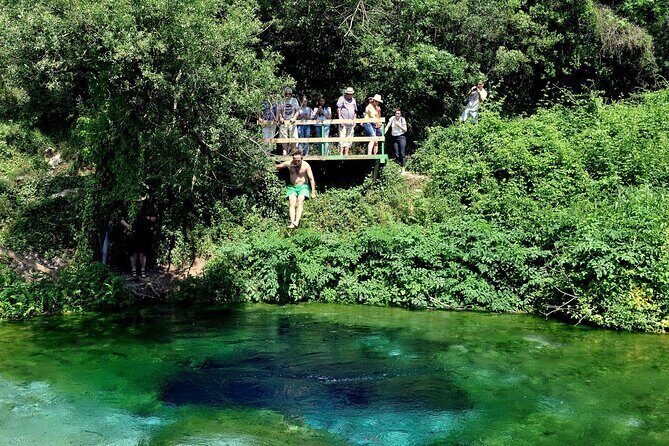
- Blue Eye: spring walks, optional train, and a refreshing reset
- Sarandë on the Ionian Sea: promenade time and seafood lunch
- Price and value: what $838.78 buys you in real time
- Who this tour fits best (and who should rethink it)
- Should you book this private 4-day Albania from north to south?
- FAQ
- What time does the tour start, and do you offer pickup?
- Is the tour private, or will I be grouped with others?
- What’s included in the price?
- What’s not included?
- What language is the tour offered in?
- What if I need help with walking or stairs?
Key highlights you’ll feel right away
- Private group only: just your party, not a mixed crowd of strangers.
- Early 8:00 am start with pickup near Tirana so you lose less time to logistics.
- Rozafa Castle + Shkodra + Krujë gives you a strong northern foundation fast.
- Berat and Gjirokastër are the two heavyweights—UNESCO windows and Ottoman fortress views.
- Blue Eye spring + Sarandë add nature and sea time after the historic days inland.
- A guide who avoids hard-sell souvenir shopping and can adjust the day when you want.
How this 4-day Albania route really feels
Albania has a way of surprising you once you stop thinking in regions and start thinking in scenes. In four days, you get northern hills and lake air, a Roman-era coastline, UNESCO-listed Berat, fortress views in Gjirokastër, then the Blue Eye spring and the Ionian coast in Sarandë.
The value here is that it’s private and structured. You’re not piecing together separate tickets or timing three different rides to cover one day of sights. Your tour begins at 8:00 am, with pickup anywhere near Tirana, and it stays in English. That matters because Albania’s best details—names, legends, the why behind the architecture—land better when you’re not translating everything alone in the car.
The pacing is the tradeoff. The itinerary is packed enough to hit many famous places, but not so jammed that you’re sprinting nonstop every minute. You’ll still have travel time between stops, and the big sites involve walking uphill, stairs, and fortress steps. If you’re bringing mobility concerns, tell your operator up front—there’s evidence the guide can help with difficult trails and staircases.
You can also read our reviews of more private tours in Tirana
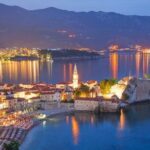
Northern Albania starts with Rozafa Castle above Shkodra
Your first real scene is Rozafa Castle, perched over Shkodra. This isn’t just a view platform. Rozafa comes with layers—from antiquity through Illyrian and Roman-era influence—and the location itself is part of the story. You feel why people built up there: defense, sightlines, and control of the surrounding area.
You’ll get about 30 minutes at the castle with admission included. That’s enough time to walk the main paths, take in the panorama, and connect what the guide explains to what you can actually see. If you’ve ever visited castles and felt like you were just looking at rocks, this one is different because the hilltop sits over a living city, not an isolated ruin.
From there, you head down into Shkodra. The tour’s Shkodra segment focuses on getting a feel for daily life—religious diversity nearby (Catholic, Orthodox, Muslim) and the Pedonale area where you can watch the city at work and at play. There’s about 1 hour for Shkodra city touring, and admission is free for what’s on the plan.
What I like most is the mix: castle history on one hill, then city streets right after. It keeps your brain from filing everything under “sights” and helps you remember Albania as a place people actually live.
Shirokë by the lake: the break that turns into the best photo
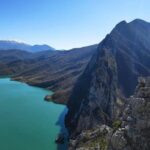
After Shkodra, the day shifts to Shirokë village by Shkodra Lake. This is where the tour slows down in a good way. You get scenic views and a lunch stop at a local restaurant.
Here’s the practical note: lunch is part of the plan, but lunch and dinners aren’t included in the package. So treat it as your meal option to choose locally, not a guaranteed covered meal from the tour provider.
Even if you’re not a long-lunch person, don’t rush this stop. Lake light changes fast, and the area is easy to enjoy casually—stopping for a picture, walking a bit toward the views, and then resetting before the next historic place.
Krujë and Skanderbeg territory: markets, castle, and the essentials
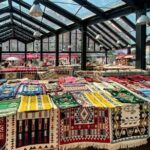
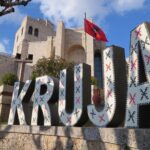
On the way north-to-south through Albania, your route includes Krujë, one of the country’s most recognizable historic towns. The plan here is straightforward and hits the core: the old bazaar area, the medieval castle, and the museum connected to Skanderbeg, Albania’s national hero.
You’ll spend about 1 hour at this stop. That’s not enough for a deep, museum-by-museum day, but it’s plenty for the essentials: get oriented in the old bazaar area, see what the castle district feels like, and understand why Skanderbeg is such a central figure in Albanian national identity.
Admission for the Krujë elements on the itinerary is listed as free, but you’ll still want cash for small purchases, drinks, and any extras you decide to add. The better move is to treat Krujë like a place to wander with purpose—buy something small if it catches your eye, take photos from the right angles, and then keep moving while you still have energy.
A big plus from real-world experiences with this tour: the guide is not known for pushing tourist shops just to earn commissions. That means you’re more likely to shop because you genuinely want something, not because you’re herded into a stop you didn’t choose.
Day 2: Durres for the coastline and Roman Amphitheatre
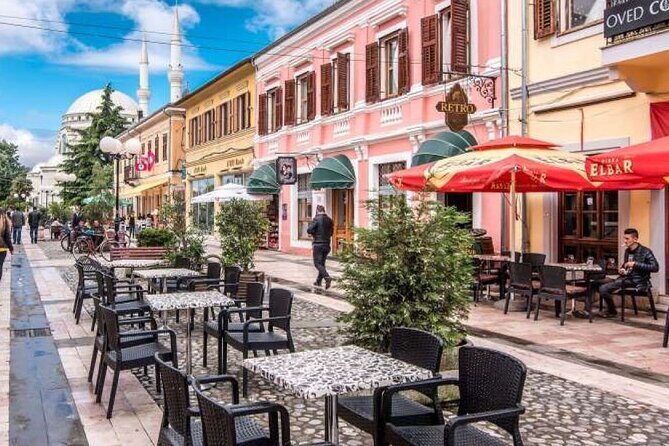
After the northern leg, you move toward the central coast with Durres. This is one of those towns where history isn’t sealed behind a museum door—it’s right there next to the sea.
The stop is built around two things:
- The promenade and coastline, where you can stretch a bit and reset after days of hill towns.
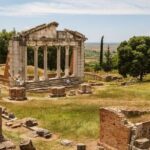
- The Roman Amphitheatre, an old stage for gladiatorial battles.
You get about 1 hour here, with admission listed as free for what’s included on the plan. Even with a short time, the amphitheatre gives you a strong anchor for Albania’s older layers, especially if you like Roman sites but don’t want a full day spent reading plaques.
One caution: Durres is a coast city, so you may feel it more in weather than in inland towns. If it’s hot, plan to keep water handy and don’t treat every viewpoint as mandatory.
A few more Tirana tours and experiences worth a look
Berat: UNESCO-listed Ottoman windows and the castle district
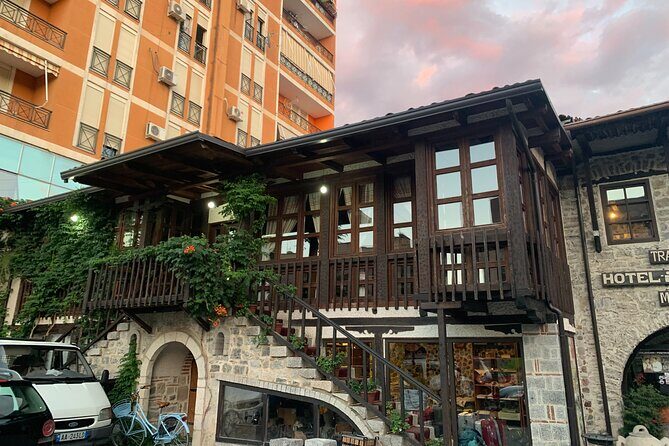
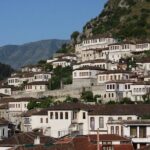
From Durres you head to Berat, which is a UNESCO World Heritage site. Berat is famous for its white Ottoman houses—often described as “windows” on the hillside—and for the way the city’s multiple eras feel stacked rather than replaced.
You’ll have about 3 hours in Berat, and the itinerary lists admission as free. The big takeaway isn’t just the photo. It’s the structure of the city:
- The Castle (Kalaja) is the oldest district.
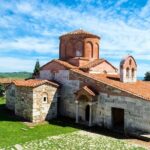
- The inner area is tied to a long Christian Orthodox presence, with churches some dating back to the 14th century.
Even if you don’t memorize dates, you’ll feel the difference between strolling lower streets and looking up toward the fortress district. The city is a living example of how Albania’s historic communities shaped what you see today.
I also like that Berat gives you time. Three hours is enough to do the easy wandering loop, take a few real breaks, and still get back to the main streets without feeling panicked.
A practical note: Berat involves uneven terrain and hills. If you have knee issues, wear supportive shoes and don’t plan on long, steep “just one more viewpoint” detours. The guide can help pace you if you mention limitations early.
Day 3: Gjirokastër’s Ottoman streets and the fortress crown
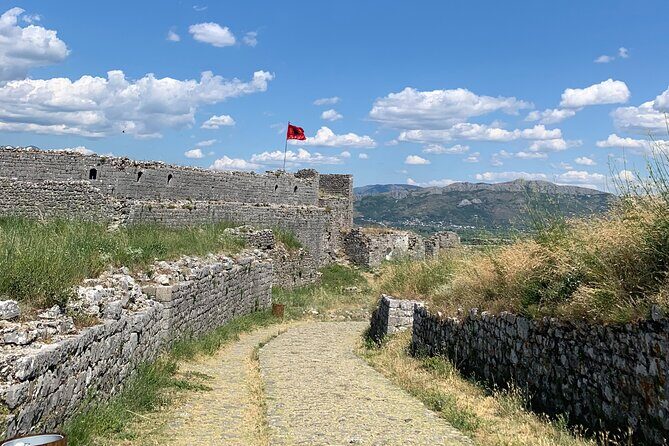
Day 3 is where Albania starts to feel cinematic. You travel around 230 km south toward Gjirokastra, a city known for well-preserved Ottoman architecture and surrounding agricultural land. Along the way, the plan includes scenic countryside and a route following the Vjosa River, often described as one of the region’s few untamed rivers.
You’ll have about 2 hours built into this travel segment and countryside viewing. That’s useful because it breaks the day into something more than “sit in a car, then arrive, then hurry.”
In Gjirokastra, you start with the bazaar area, dating back to the 17th century. Expect cobblestone streets, local stories, and souvenir shopping. Admission here is free on the plan, and the bazaar stop is around 30 minutes—again, not a full shopping spree, but enough to absorb the vibe and pick out a few small things.
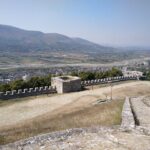
Then comes the fortress: Gjirokastër Castle. This is described as the crown of the city, perched on the first settlement hill. The fortress has been renovated in the 19th century and served multiple roles across different eras, including stronghold and prison.
You’ll spend about 1 hour here, with admission included. What makes this stop worthwhile is the combination of legend and panorama. Princess Argjiro is part of the folklore the guide ties to the fortress. Even if you don’t care about legends, the views are what stick—Gjirokastra spreads across the hillside in a way that makes the architecture feel planned, not accidental.
Blue Eye: spring walks, optional train, and a refreshing reset
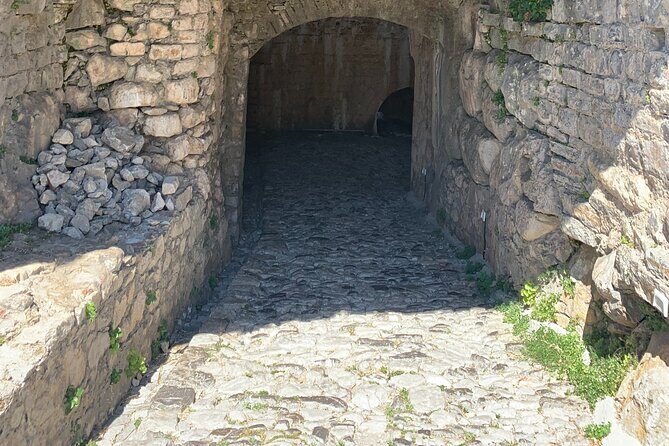
On Day 4 you go from fortress views to nature. The morning leaves Gjirokastra for the Nature Park of Blue Eye.
The itinerary offers two ways to reach the spring:
- A tourist train for 3 euro one way
- Or a 15–20 minute walk in the park
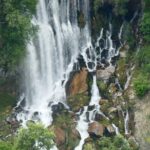
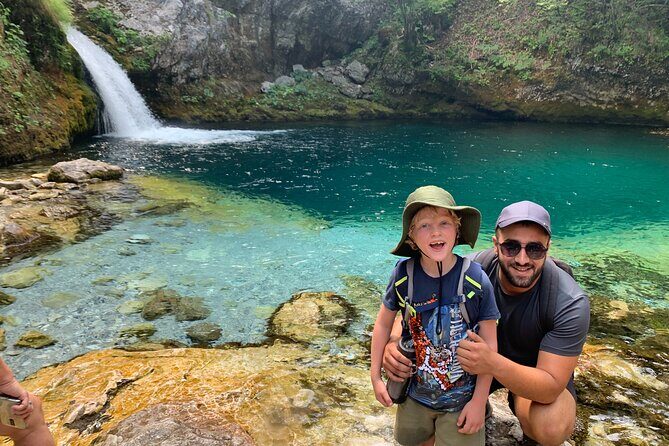
Admission for Blue Eye is included, and the stop lasts about 2 hours. This is an ideal final-day activity because it gives you a break from history-heavy touring. The Blue Eye area is also a good moment to slow down—breathe, take photos, and drink in something that isn’t a building.
If you’re traveling with older family members or anyone who dislikes uphill walking, the train option is a big advantage. If you’d rather keep it light and flexible, walking the short stretch keeps you connected to the setting rather than waiting on a vehicle.
Either way, wear shoes with grip. Park paths can be uneven, and you don’t want to fight your feet while trying to enjoy the view.
Sarandë on the Ionian Sea: promenade time and seafood lunch
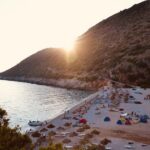
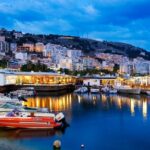
After Blue Eye, you head to Sarandë, on the Ionian Sea. This part of the day is about atmosphere: sea air, long promenade strolling, and lunch near the small boat port.
The plan includes about 1 hour in Sarandë. Lunch isn’t included in the tour package, but the route is set up so you can try seafood easily at the port area. This is a good chance to go simple: one main dish, a drink, and time to sit. You’ve done castles and cities; your body deserves a calmer finale.
If you want a practical photography strategy, do it in the promenade direction first, then come back to the port area for food. That way you’re not carrying snacks and drinks around while you hunt for the best angles.
Price and value: what $838.78 buys you in real time
At $838.78 per person for about 4 days, you’re paying for more than transportation between points. You’re paying for a private setup, a guide in English, pickup in the Tirana area, and ticket coverage where noted.
What’s included:
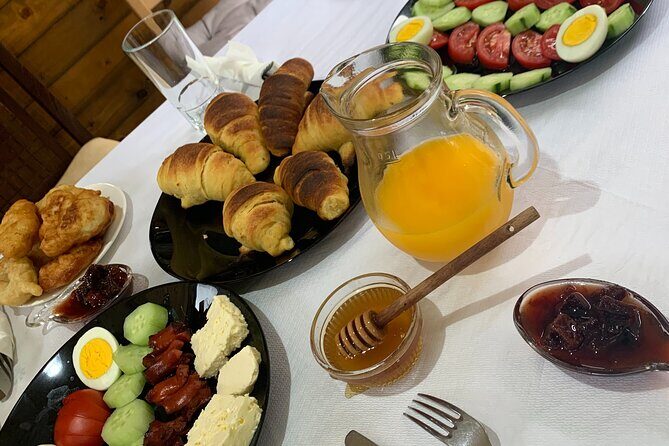
- Breakfast (2)
- Some admission tickets included (Rozafa Castle, Gjirokastër Castle, Blue Eye)
What’s not included:
- Lunch and dinners
- Beverages
So where’s the value? It’s in removing friction. Albania’s distances can surprise you, and a private car with a driver/guide means you don’t spend your limited time on navigation, ticket lines, or chasing exact bus routes. You also get someone to explain why each stop matters, not just how old it is.
This isn’t a budget backpack-style tour where you can ignore meals and hope for the best. Because lunch and dinner aren’t included, you should budget for eating. The upside is that you get to choose where to eat based on what looks good and how you feel that day.
If you’re a small group—say two people—the private car adds up fast in convenience. Even if you’re traveling solo, the tour’s structure includes room arrangements based on party size, which helps keep the experience smooth.
Who this tour fits best (and who should rethink it)
This is a great fit if you want:
- A highlight-heavy trip across north, central, and south Albania
- English guidance so you get the meaning behind the sites
- Private group time without joining a larger bus
It’s also a strong choice if you hate logistics. Pickup near Tirana at 8:00 am and a plan that ties together castle towns and coast days means you can spend your energy on the experience.
You should think twice if:
- You’re sensitive to long driving days. The route covers lots of ground between stops.
- You want deep museum time. Many stops are timed for essentials rather than slow, detailed exploration.
- You have major mobility limitations. The guide has helped with stairs and trails for some guests, but the tour still includes walking in historic hill towns and fortress areas. Bring that up early.
Should you book this private 4-day Albania from north to south?
If your goal is to get a fast, meaningful overview of Albania without turning your vacation into a transportation puzzle, I’d lean yes. The mix of Rozafa + Shkodra + Krujë, then Durres + UNESCO Berat, then Gjirokastër Fortress, ending with Blue Eye + Sarandë gives you a balanced story arc: hills, cities, and sea.
Book it especially if you value a guide who handles details well and keeps the day friendly and flexible. If you want a calmer pace at the expense of seeing fewer sites, you might prefer a longer trip or a route that slows down in one region.
Either way, do yourself a favor: plan your meals budget in advance since lunch and dinners aren’t included, and wear shoes you trust on uneven fortress paths.
FAQ
What time does the tour start, and do you offer pickup?
The tour starts at 8:00 am, and pickup is offered anywhere near Tirana.
Is the tour private, or will I be grouped with others?
It’s a private tour/activity, so only your group participates.
What’s included in the price?
The package includes breakfast (2), and some admissions are included on the itinerary (such as Rozafa Castle, Gjirokastër Castle, and Blue Eye).
What’s not included?
Lunch and dinners and beverages are not included.
What language is the tour offered in?
The tour is offered in English.
What if I need help with walking or stairs?
The information says most travelers can participate, and service animals are allowed. The guide has also helped guests with limited mobility on difficult trails and staircases, so it’s best to share your needs early.