REVIEW · TIRANA
Semi-Private Tour; N. Macedonia, Kosovo & Albania in 4 Days
Book on Viator →Operated by Choose Balkans · Bookable on Viator
Castles and lake views, no planning puzzle. I love that this trip is guide-led in three countries, so you’re not stuck piecing together history and logistics. I also like the built-in free time to explore after an initial orientation, which keeps the pace from feeling like a race.
One thing to think about: the package is built around 3-star hotels, and quality can vary in that category. I’d still treat “breakfast included” as true on paper, but confirm the basics on arrival (toiletries and morning meals) so your expectations match reality.
In This Review
- Key things that make this tour work
- A 4-Day Balkan Loop That Keeps Your Brain Free
- Berat: The Town of 1001 Windows and a Castle You Can Still Walk Through
- Ohrid on UNESCO Time: Churches, Lake Views, and Three Different Faith Stops
- Skopje: Stone Bridge Views, Alexander the Great, and a Bazaar You Can Walk Through
- Pristina to Prizren: Independence Symbols and a Fortress View That’s Worth the Climb
- Kruja: Medieval Bazaar Snacks, Craft Shopping, and an Ottoman-Era Resistance Castle
- Price and Value: Why $1,254.25 Can Make Sense for This Route
- Who Should Book This Tirana-to-Tirana Trip?
- Should You Book? My honest take
- FAQ
- Where does the tour start and what time is pickup?
- How big is the group?
- What’s included in the price?
- Are meals included?
- Is a single room available?
- Is the tour refundable?
Key things that make this tour work
- Small group size (max 10) keeps the day feeling personal without turning into a private driver shuffle.
- Tirana hotel pickup and drop-off reduces the first-day stress and last-day scramble.
- UNESCO stops in Berat and Ohrid give you two anchor moments with real cultural context.
- A/C vehicle for multi-day driving matters on long stretches between capitals and hill towns.
- Includes key entry tickets + tourist taxes, so you spend less time at doors and more time looking around.
- Guides can be hands-on, with examples from the operator including Juli and Arthur in past departures.
A 4-Day Balkan Loop That Keeps Your Brain Free
This route hits three countries in four days, which sounds intense until you remember the whole point: you’re buying someone else’s plan. You start in Tirana with a hotel pickup, then you spend the days bouncing between old towns, viewpoints, and a few signature sites—while a driver-guide handles transit, timing, and the tickets for the stops that actually need them.
For me, the value here is the way the day is structured: you get a guided introduction, and then you’re not locked inside a bus. That mix is ideal for places like old bazaars and church districts, where you want both context and wandering time. In past experiences with this operator, guides such as Juli and Arthur have been described as kind and consistently on top of the plan, even with time for questions and choices about where to eat or what to spend a little longer on.
The other big plus is that this tour isn’t trying to cram in random stops. It’s built around recognizable anchors: Berat, Ohrid, Skopje, Pristina, Prizren, and Kruja. That’s the sweet spot if you want a first taste of the Balkans without the DIY headache.
Still, you’re covering a lot of ground. Expect long driving days and lots of walking on uneven stone streets and steps. If you’re the kind of traveler who hates rushing, wear shoes that you can move in all day and treat the included breaks as part of your strategy, not downtime you have to rush through.
You can also read our reviews of more private tours in Tirana
Berat: The Town of 1001 Windows and a Castle You Can Still Walk Through
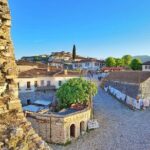
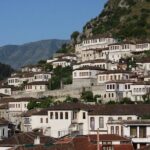
Berat is the kind of place that makes you slow down without being told to. You’ll start with the old-town vibe—narrow stone lanes and medieval houses stacked up the hillside. The “town of 1001 windows” nickname is earned. From street level, it’s easy to understand why: those windows overlap visually like layered steps, and the whole town feels like it’s built to be watched.
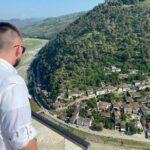
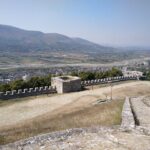
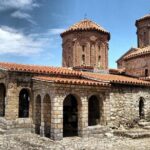
Then you move up into Berat Castle, where the contrast gets sharper. Inside the fortress area you get a medieval mix—churches and mosques, plus a lively lower town spread across steep slopes. You also get museums and visible reminders of different eras, including what’s described as communist-era remains. One practical benefit: castles like this are compact enough to explore on foot, and your guide’s context helps you spot what you’d otherwise miss.
Berat’s other star stop is the National Iconographic Museum Onufri. The focus is religious art, tied to Onufri, the painter associated with a distinctive reddish color that’s still described as hard to imitate. Even if iconography isn’t your usual thing, this is a good way to understand why church art matters across the Balkans: it’s not random decoration. It’s a language.
Practical note: Berat’s streets and castle approaches involve hills and uneven paving. If you have knee trouble, plan for slower pace. Also, dress thoughtfully for religious sites (shoulders covered, tops that won’t feel too exposed). This is one of those days where being prepared makes you enjoy the stops more, because you won’t spend the walk fiddling with clothes or trying to adjust footwear.
Ohrid on UNESCO Time: Churches, Lake Views, and Three Different Faith Stops
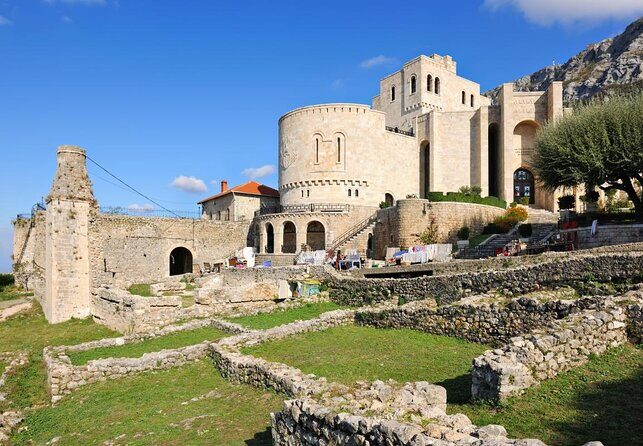
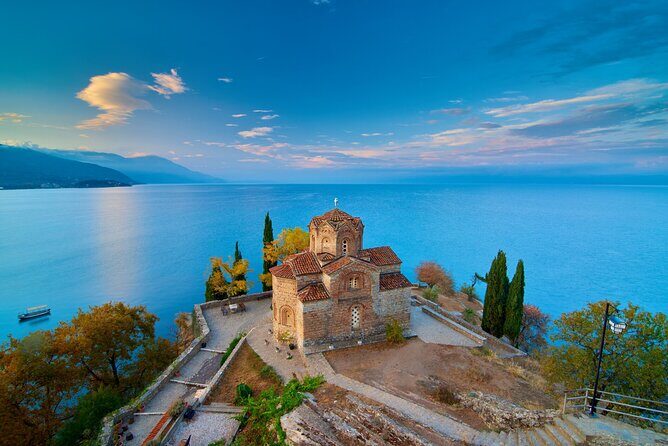
Ohrid is one of the Balkans’ easiest places to love fast. The UNESCO listing covers both the old city and Ohrid Lake, and the tour’s framing gives you a sense of depth—Illyrian roots, Roman naming of the lake as “Lyhnidas” (the Light Lake), and later importance as a religious center. You don’t just see places. You get the timeline, which makes your photos look smarter.
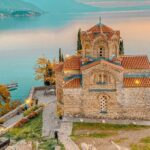
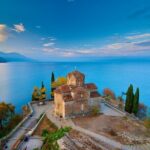
Your sightseeing includes key religious landmarks: the viewpoint area for the Church of St. John, the Church of St. Nicolas, and the Halveti Hayati Tekke mosque. The mix matters. Ohrid is described as a center of Orthodoxy during the Byzantine era, and it’s famous—according to the tour description—for 365 Orthodox churches, said to be one for each day of the year. That doesn’t mean you’ll see all 365, but it explains why the city feels church-dense: this is a place where faith architecture is part of the skyline.
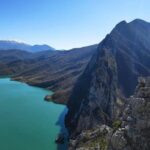
The lake itself is the easy payoff. Even when the day feels busy, you’ll have that “pause” moment when your brain finally catches up and registers that you’re in a shoreline city where views aren’t an optional extra—they’re the backdrop to everything.
Considerations: Ohrid can involve stepped viewpoints and indoor/outdoor transitions. Bring a light layer if you’re traveling in shoulder seasons when mornings and evenings can feel cooler near the water. And since lunch isn’t included, treat this day like a food day. You’ll enjoy the atmosphere more if you plan to stop for coffee or a proper meal around the sightseeing breaks rather than trying to eat quickly and keep moving.
Skopje: Stone Bridge Views, Alexander the Great, and a Bazaar You Can Walk Through
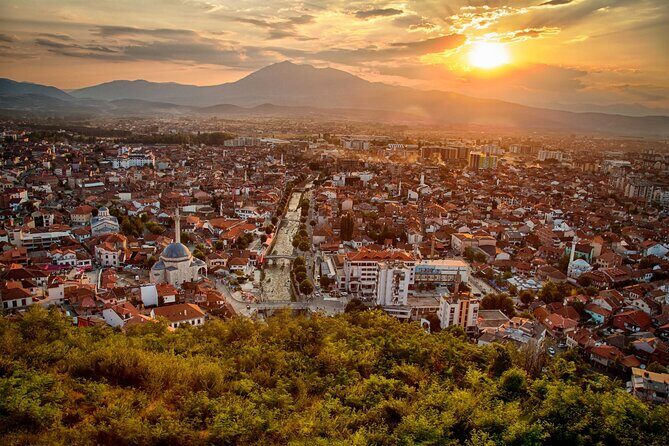
Skopje’s personality is part European, part Ottoman, and part modern reinvention. You’ll start with the big-picture anchors: the Stone Bridge, then the central Alexander the Great statue that makes the city’s identity hard to miss. This is one of those stops where the guide’s narration helps. Without context, it’s just monuments. With context, it becomes a story about how cities brand themselves and remember themselves.
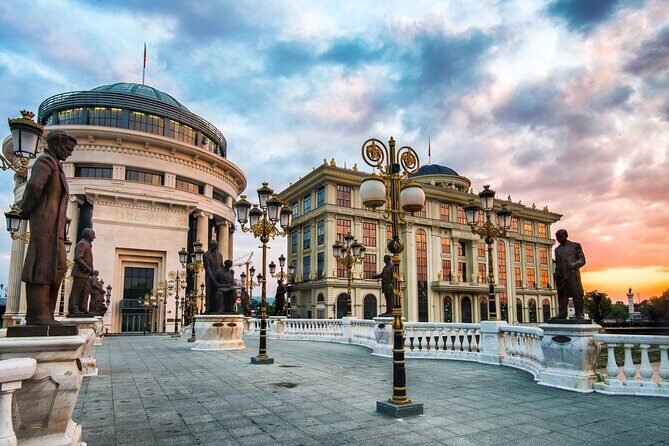
You’ll also see the Art Bridge, designed to connect toward the Archaeological Museum area. The description focuses on the lined lanterns and statues of Macedonian artists and musicians, which gives you a sense that Skopje’s public spaces are meant to be walked, not just photographed from one angle.
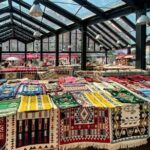
Then comes the Old Bazaar of Skopje, described as the biggest in the Balkans. That’s a bold claim, but it points to the real experience: narrow lanes, active storefronts, and the feeling that you’re moving inside a living layer of time. You can do this stop in two modes—quick orientation and then slow wandering. The best part is you can choose based on energy level. If your feet are tired, at least you’ll have seen the layout and you can pop into specific areas. If you’re feeling good, this is where you can lose track of time.
Practical tip: bazaars are lively, but they’re also the place where you’ll want cash and some patience. Keep valuables secure and accept that you might not find every souvenir in every shop at a uniform price. If you’re hunting for something specific, go with a short checklist before you enter, not after.
Pristina to Prizren: Independence Symbols and a Fortress View That’s Worth the Climb
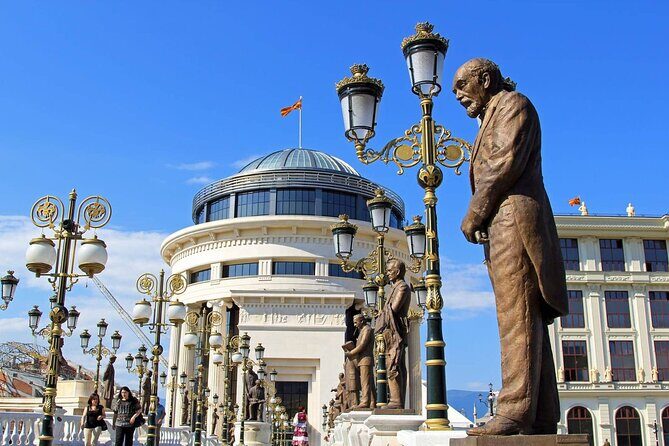
Kosovo’s capital day starts with Pristina’s Newborn monument, a symbol tied to independence, followed by a walk around the main boulevard and the Sheshi Nena Tereza area—good for a coffee break and people-watching. The tour frames this part as a stroll-friendly section, so you don’t feel like you’re just being transported from landmark to landmark. You get room to pause.
You’ll also pass Skanderberg square with a statue of Skanderbeg, a hero figure closely linked to Albanian identity. Even if you’re not deep into Balkan national histories, these stops work because they’re tied to visible geography. You can look at the square, see the scale, then ask your guide what it represents.
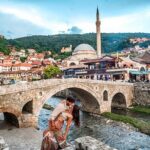
Then the tour continues to Prizren, described as Kosovo’s cultural capital. Here the city’s layout becomes part of the story. The river runs through the old town, and you’ll pass under or around bridges that crisscross the area. That makes Prizren feel different from many cities you’ll visit in the region: it’s not just old buildings. It’s old buildings shaped around water and movement.
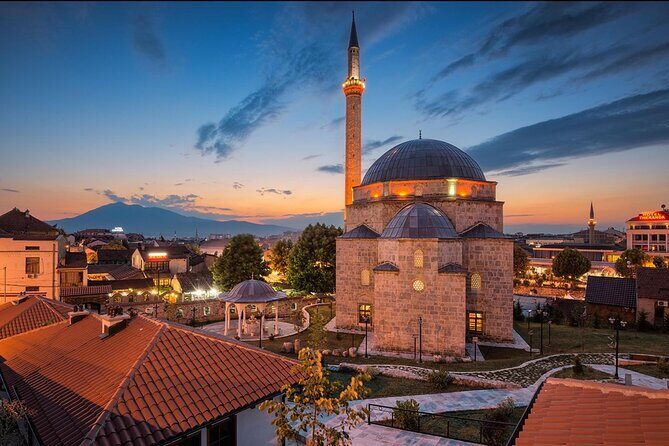
You’ll see the Sinan Pasha Mosque, known in the tour description for its arabesque patterns and rich coloration, then head toward Kalaja Fortress for a panorama over the town. Fortresses are always a bit of a gamble—some are worth it, some are just stairs. Here, the payoff is clearly the view from above.
If you’re traveling in August, the tour notes Dokufest, a short film festival that turns the medieval city into a much louder international scene. Even if you aren’t there in August, Prizren’s craft focus shows up in places like metal filigree work. Watch the details and you’ll understand why people describe it as a pride point for the city.
A few more Tirana tours and experiences worth a look
Kruja: Medieval Bazaar Snacks, Craft Shopping, and an Ottoman-Era Resistance Castle
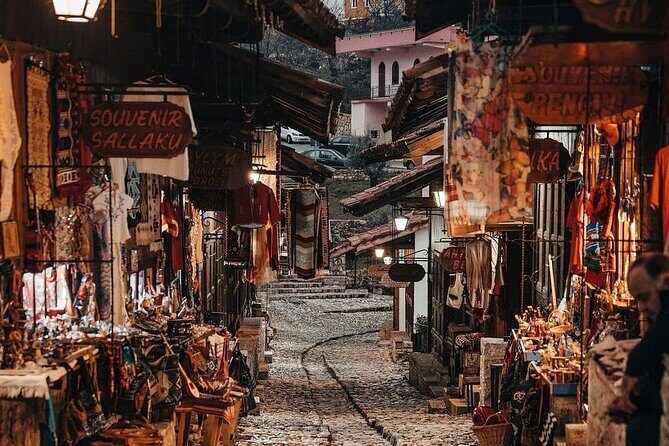
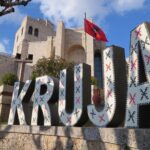
Kruja is a different kind of destination. Instead of capital-city monuments, you get a mountain-top story of resistance. The tour frames Kruja as a symbol of Albanian resistance against the Ottoman Empire’s expansion in the 15th century, and the town sits at about 560 meters above sea level on the slopes of Sarisalltik Mountain. That elevation matters because it makes the city feel naturally defensive. You feel the geography.
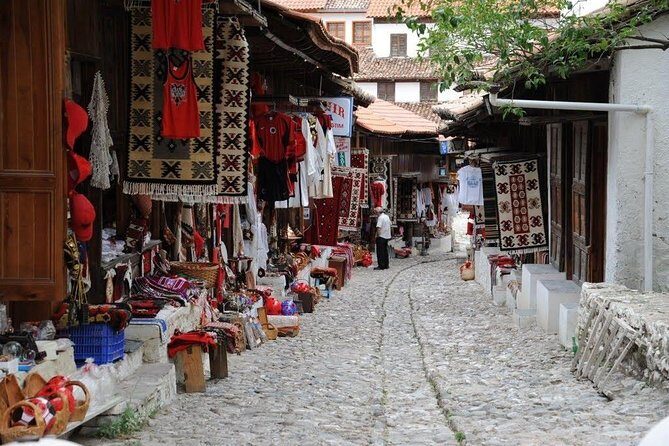
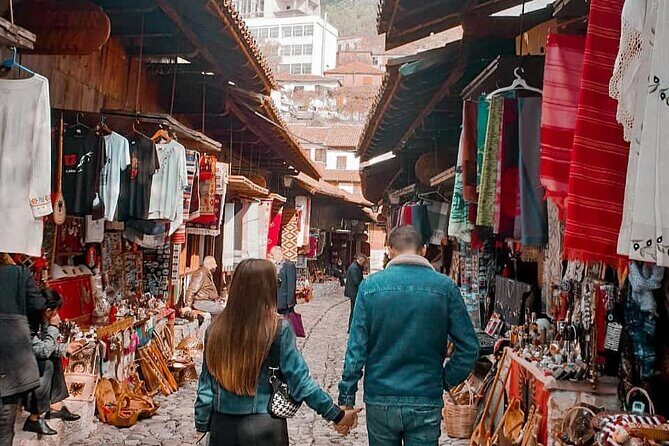
You start with Kruja’s Medieval Old Bazaar, housed in narrow lanes and wooden houses. This is the place to shop, and the tour description is pretty practical about it: look for typical souvenirs, plus more unique handmade items like carpets and jewelry. Even if you don’t buy anything, this bazaar is a good “slow down” stop, because you can watch artisans at work and learn what sells here and why.
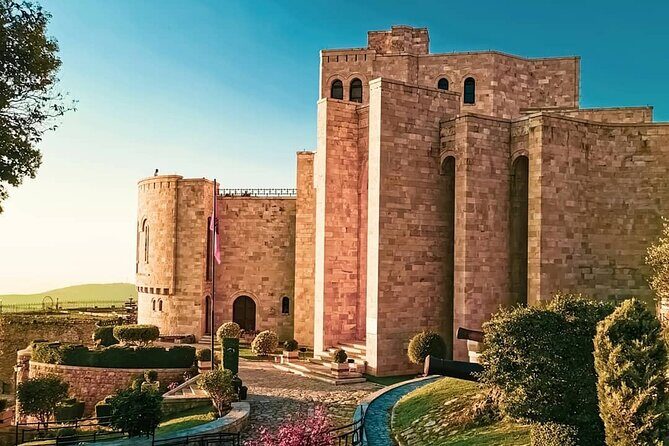
Next is the Kruja Castle, described as built in the 5th century A.D. The point of the fortress placement is straightforward: it’s on a rocky hill with strategic advantage, making it harder for enemies to attack. You’ll feel that logic the moment you walk toward and around the elevated grounds.
Finally, you drive back to Tirana and finish where you started. That closure matters with a multi-country route: you end without needing to arrange your own transportation on the final day.
Practical note: Kruja’s setup favors comfortable, grippy shoes. The walkways around hill areas can be uneven, and you’ll appreciate having gear that doesn’t slip or pinch. Also, since lunches and dinners aren’t included, plan for at least a couple of meal purchases during this day—Kruja is the kind of place where food stops feel part of the experience, not an afterthought.
Price and Value: Why $1,254.25 Can Make Sense for This Route
Let’s talk money without pretending it’s cheap. At $1,254.25 per person for roughly four days, this isn’t a budget weekend. The reason it can still feel like a good deal is what you’re buying: hotel and breakfast in 3-star properties, professional guidance, A/C private transportation, and entry tickets for the key sites plus tourist taxes.
For DIY, the expensive part usually isn’t ticket prices—it’s time and coordination. You’d need to line up transport between countries, find lodging that fits your pace, and pay your own way into museums and castles without having a guide connect the dots. Here, you hand those decisions to the operator and spend your energy on the sights.
A couple of practical value notes:
- The tour is capped at 10 travelers, which often means better coordination and fewer waiting moments than larger bus-style groups.
- Hotel pickup and drop-off in Tirana removes one of the most annoying logistics tasks.
- A single room is possible for an extra 35 Euros per night. If you’re traveling solo and want privacy, budget for that supplement early rather than assuming the base price holds.
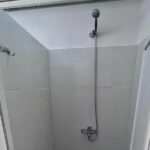
The main caution is also practical: 3-star hotels can vary. One participant experience mentioned missing basics like toiletries and toilet paper, plus a breakfast problem at some properties. You can’t control hotel upkeep, but you can control how you handle arrival: check your room quickly, confirm breakfast timing, and tell the guide right away if something is off. That’s the fastest way to protect your trip.
Also, tips aren’t mandatory in the tour’s description. A recommendation is to tip the tour leader/driver about 5 Euros as an international practice for good service. That’s a sensible guideline if you feel the guidance matched what you expected.
Who Should Book This Tirana-to-Tirana Trip?
This is a good fit if you want a structured intro to North Macedonia, Kosovo, and Albania in a short time window. You’ll like it if:
- you’d rather walk with a guide through old neighborhoods than try to DIY the meaning of every church and monument,
- you want included transport plus included lodging basics,
- you prefer small-group pacing that leaves room for wandering.
You might not love it if you’re extremely sensitive to hotel consistency or you need very long, unstructured downtime every day. The schedule is built around seeing major sites across several cities, so you’ll spend meaningful time in transit even with the comfort of an A/C vehicle.
If you’re traveling with limited time—like a long weekend or a first Balkan stop—this tour gives you a clear map of what you can explore more deeply later. It’s the kind of trip that can turn into future “return visits,” because it shows you the places worth a second look.
Should You Book? My honest take
If your priority is to see the highlights—Berat, Ohrid, Skopje, Prizren, and Kruja—without the headaches of arranging transport and figuring out tickets, I think this tour is worth serious consideration. The included breakfasts, entry tickets, and Tirana pickup/drop-off remove a lot of friction, and the small-group format helps you actually enjoy the stops instead of just passing through them.
Book it if you can handle a packed route and you’re okay with 3-star accommodations. If hotel quality is your deal-breaker, I’d treat your room basics check as part of the plan and ask the guide questions immediately after arrival.
If you want, tell me your travel month and your comfort level with walking/steps. I can suggest how to pace your days and what to plan for around lunch and viewpoints.
FAQ
Where does the tour start and what time is pickup?
The tour starts at Kullat Binjake Tiranë, Bulevardi Dëshmorët e Kombit, Tiranë 1000, Albania with a 9:00 am start time. The experience ends back at the meeting point.
How big is the group?
This small-group tour has a maximum of 10 travelers.
What’s included in the price?
Included are 3-star hotel accommodation with breakfasts, a professional tour leader, private transportation (A/C vehicle), hotel pickup and drop-off in Tirana, entry tickets for the sites visited, and tourist taxes.
Are meals included?
No. Lunches, dinners, drinks, and snacks are not included.
Is a single room available?
Yes. Single room occupancy is possible for an extra 35 Euros per night per person in 3-star hotels.
Is the tour refundable?
This experience is non-refundable and cannot be changed for any reason. If canceled due to poor weather, you’ll be offered a different date or a full refund.