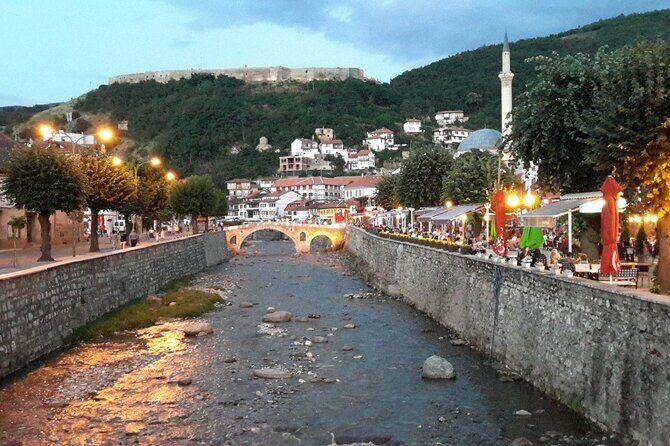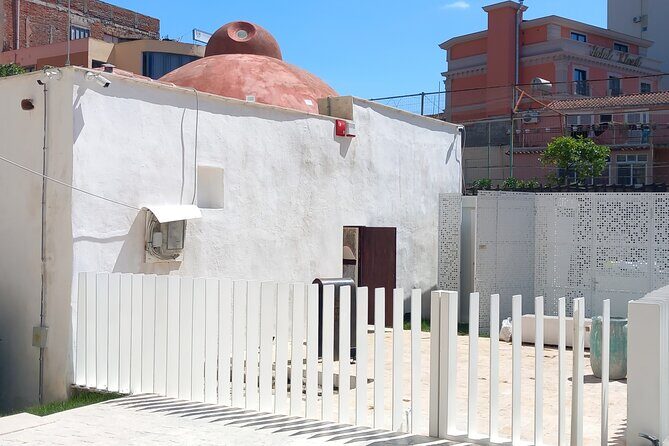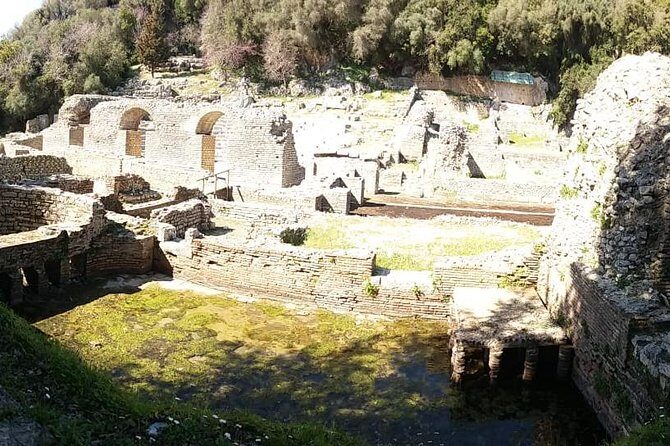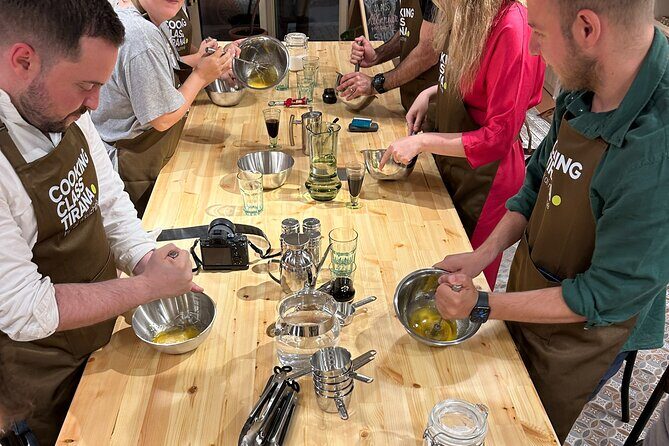
Albania in 10 days, minus the stress. This private, English-guided route strings together Ottoman towns, hilltop viewpoints, and that jaw-dropping Blue Eye spring, with transfers made simple from Tirana and Sarandë. I especially like the max 4-person group and the hotel-style pickup and drop-off setup.
The experience also stands out for pacing you can actually manage: you’re not stuck in a huge bus crowd, and the guide can steer you toward optional upgrades like lunch and extra activities. One consideration: it’s a full route with lots of stops and driving days, so if you hate busy schedules, you’ll want to plan lighter evenings and be ready to move.
In This Review
- Key Things That Make This Tour Worth Your Time
- The Big Idea: Best-of-Albania, With a Private Feel
- Price and What You’re Really Paying For ($204.25 per person)
- Your Guide and Small-Group Advantage (Ari and Valentina Energy)
- Day-by-Day Route: From Krujë Bazaars to Blue Eye Springs
- Day 1: Krujë’s Old Bazaar, Durrës Views, and Tirana Landmarks
- Day 2: Shkodër Fortress Views and Lezhë Green Tourism
- Day 3: Durrës Again, Then Berat’s Castle and “One Thousand Windows”
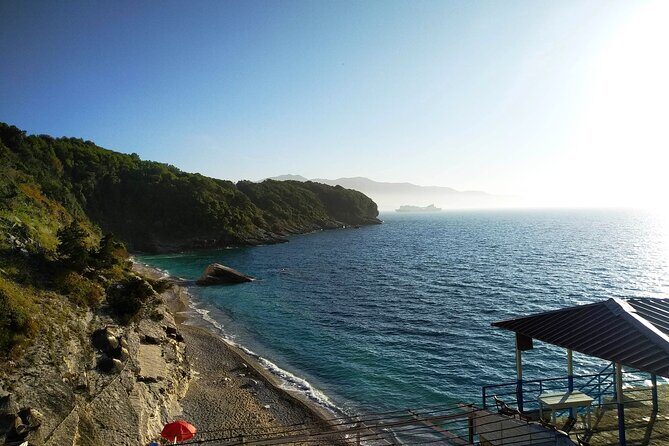
- Day 4: Vlorë, Zvërnec Monastery, and Llogara’s Mountain-Sea Views
- Day 5: Blue Eye, Gjirokastër’s Castle-and-Stairs Town, Ksamil, and Sarandë
- Day 6: Korçë and Voskopoja Traditions, Plus Pogradec by the Lake
- Day 7: UNESCO Gjirokastër, Këlcyrë Canyons, and Bënjë Thermal Baths
- Day 8: Llogara Again, Vlora Monastery, Borsh Riviera, and Byzantine St. Mary’s
- Day 9: Blue Eye (again), Gjirokastër Castle and Ottoman Bazaar, Lëkursi, Ksamil Islands
- Day 10: One Last Blue Eye, Gjirokastër Market, Bënjë, and Vjosa Canyons
- Food, Markets, and the Raki-Friendly Side of Albania
- Logistics That Actually Matter: Transfers, Time, and Pace
- Weather-Dependent Days: Plan for a Flexible Mindset
- Should You Book This Private Best-of-Albania Tour?
- FAQ
- Is pickup and drop-off included?
- How many people are in the group?
- Are transfers included from Tirana and Sarandë?
- Is lunch included?
- Are tickets included for all stops?
- What happens if the weather is bad?
Key Things That Make This Tour Worth Your Time
- Up to 4 travelers means real conversation, not just following a guide in silence
- Pickup and drop-off in Tirana and Sarandë keeps you from juggling taxis
- Multiple chances to see Blue Eye appears across different days
- Ottoman-era highlights show up repeatedly, from Krujë bazaars to Lëkursi
- Optional traditional lunch is offered as part of the Gjirokastër day
- Thermal bath time in Bënjë gives you a built-in reset from travel days
The Big Idea: Best-of-Albania, With a Private Feel
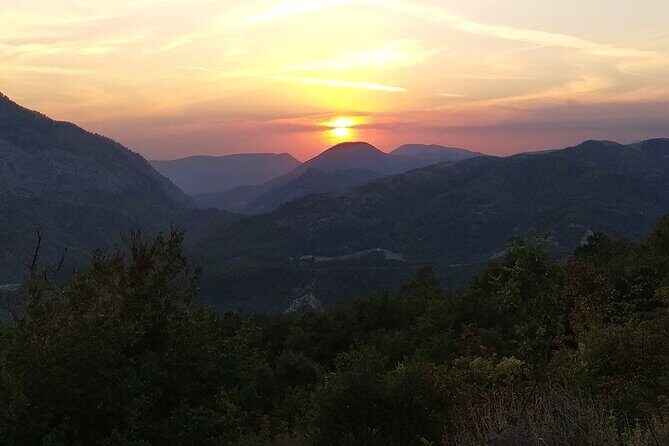
If you’re trying to see Albania without building your own day-by-day puzzle, this style of trip makes a strong case. You get a tight loop through the classic “wow” stops—Krujë, Durrës, Berat, Gjirokastër, the Ionian coast, and Bënjë—plus breaks where you can just walk and breathe.
The private format matters because Albania rewards curiosity. When you can ask quick questions, pause for photos, or adjust how long you want to linger in a market street, the trip feels less like sightseeing and more like learning how daily life fits into the big sights.
A few more Tirana tours and experiences worth a look
Price and What You’re Really Paying For ($204.25 per person)
At $204.25 per person, this can feel like a bargain on paper, especially because the tour includes private transportation, a private local guide, and transfers. The catch with any value-priced itinerary is always the same: what’s truly included versus what you’ll optionally add.
From the provided details, you get:
- all fees and taxes
- private transportation
- a private local guide
- bottled water, soft drinks, snacks, and fruit
- mobile ticket
- pickup and drop-off (with an additional transport charge if you’re not in Tirana or Sarandë)
The itinerary also marks many stops as admission free, which can stretch your budget. Two of the standouts are flagged with admission included: Blue Eye on select days and Berat Castle on the day it’s scheduled.
The optional part is mainly food and a few added activity choices. Traditional lunch is listed as optional and extra payment, and you’ll want to decide early if you’re the type who enjoys slowing down for a proper meal with locals.
Your Guide and Small-Group Advantage (Ari and Valentina Energy)
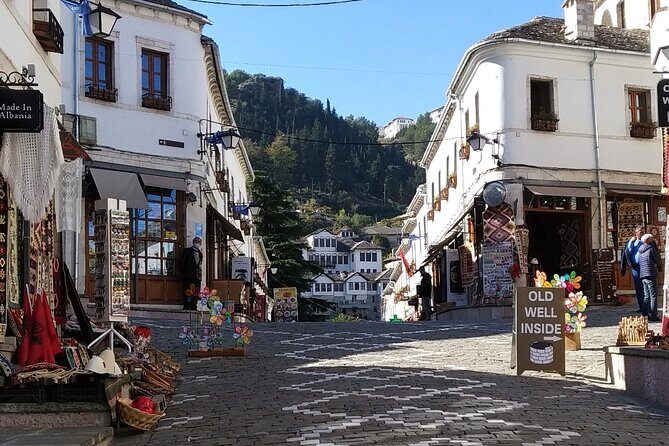
A big reason this tour gets such strong word-of-mouth is the guide team. In the feedback you shared, people highlight Ari and Valentina as friendly, knowledgeable, and genuinely proud of Albania. Even without knowing your specific guide in advance, the structure here is built for that kind of warmth: a private local guide, small group size (up to 4), and a day plan that still leaves room for real walking.
With a group this small, you can handle the practical stuff better too. For example, when you’re jumping between hilltop castles, sea viewpoints, and old basements of Ottoman markets, it helps to have someone who can pace the route so you don’t just “pass through.”
Day-by-Day Route: From Krujë Bazaars to Blue Eye Springs
Here’s what the rhythm looks like, stop by stop. I’ll point out what each place does best and where you might want to watch your time.
Day 1: Krujë’s Old Bazaar, Durrës Views, and Tirana Landmarks
Krujë (old bazaar + walking city center)
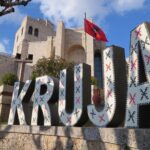
You start with Krujë, just a short drive from Tirana. The main draw is the old bazaar area, originally a place where locals bought and sold goods, now focused on handmade souvenirs and traditional stalls. You get about 1 hour 20 minutes—enough for browsing without feeling rushed.
Durrës (old city feel and sea-town outlook)
Next is Durrës, described as a city that used to be Albania’s capital about a hundred years ago. A lot isn’t preserved from the past, but the point here is atmosphere: walking the old city areas and soaking up the view.
Tirana (Skanderbeg Square, Toptani Castle, artificial lake)
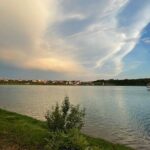
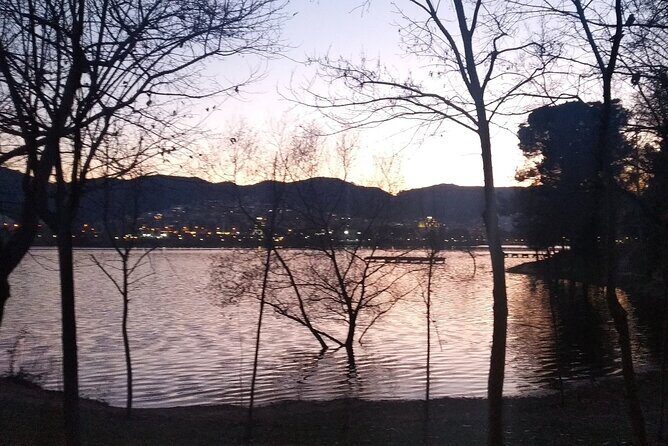
To close the day, you hit Tirana’s core. The route includes Skanderbeg Square, Toptani Castle, and the artificial lake. It’s a useful landing sequence—part landmark spotting, part orientation for the rest of your time in Albania.

Day 2: Shkodër Fortress Views and Lezhë Green Tourism
Shkodër (Rozafa Castle + Shkodër Lake + city)
This is the day for big viewpoints. You visit Rozafa Castle, then take in the Shkodër Lake perspective. The castle stop is one of those places where the walk and sightlines matter as much as the structure itself, and you also get city time.
Lezhë (Mrizi i Zanave)
Then you head to Mrizi i Zanave, described as green tourism. You’ll have about 50 minutes, so it’s not a long stay, but it’s a nice change from castle-and-streets days.
Back to Krujë (castle + Ottoman market)
The day wraps with Krujë again, this time with more depth: the old city, the national hero’s origin city connection, the Ottoman market, and the castle. If you love historic layers—Ottoman commerce, national story, and hilltop fort walls—this repeat visit is a real benefit.
Day 3: Durrës Again, Then Berat’s Castle and “One Thousand Windows”
Durrës (second pass, more walking time)
Durrës returns for a longer 2-hour walk. This can actually be helpful if you want time to slow down and not rush through what’s left of the historic area.
Berat Castle (hilltop views + cobbled streets)
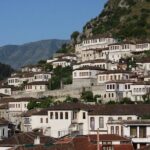
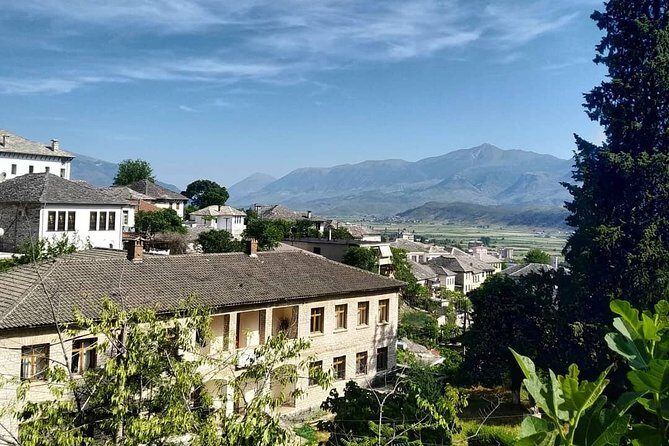
After Durrës, you reach Berat, called the city of One Thousand Windows, with a castle on top that makes the whole city feel stacked on the hillside. The itinerary lists 3 hours 40 minutes with Berat Castle admission included. You’ll also spend time walking cobbled streets among houses built above each other.
Berat is also where the tour notes your food moment: it specifically mentions delicious food and raki. That kind of detail matters because it hints at the tour’s style—built around real-life experiences, not just checkpoints.
Stone City time and downtown walking
The schedule then points you to a downtown “stone city” feel with more cobbled streets and similar architecture built above one another, and again mentions delicious food and raki. Even if you’re tired by day 3, this is a “slow down” zone compared with the road-heavy parts.
Day 4: Vlorë, Zvërnec Monastery, and Llogara’s Mountain-Sea Views
Vlorë (City of Independence)
Vlorë is where national story and coastal beauty meet. The itinerary notes the flag was raised by Isamil Qemali, making it a meaningful stop beyond just scenery.
Zvërnec Monastery (St. Mary’s Monastery area)
Then you visit the monastery at Zvërnec with about 50 minutes. It’s a shorter stop, so treat it as a calm pause and a place to appreciate how religious sites fit into the view of the sea.
Llogara National Park (mountains + sea together)
The final stop is Llogara National Park, specifically called out for the combination of mountains and sea views from Llogara Valley. You get about 1 hour—enough to look, take photos, and enjoy the shift in scenery.
Day 5: Blue Eye, Gjirokastër’s Castle-and-Stairs Town, Ksamil, and Sarandë
This is one of the most exciting days because it stacks nature, heritage, and beach energy.
The Blue Eye (crystal spring)
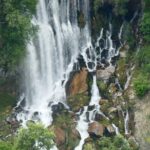
You visit The Blue Eye natural monument with admission included. The description points out about 18 water springs in the zone, and Blue Eye as the most attractive. Expect around 1 hour—and yes, it’s exactly the kind of place where a short walk and stare time matter more than trying to “do it fast.”
Gjirokastër (Castle, Old Bazaar, museum, Skenduli house + optional lunch)
Next is Gjirokastër, called the city of One Thousand Stairs. You visit Argjiro Castle, the Old Bazaar, the museum, and Skenduli house, with about 4 hours.
This day also includes a traditional lunch with a local family in Gjirokastër, but lunch is marked as optional and extra payment—so treat this as your “add-on meal” moment if you want the cultural side to go deeper.
Ksamil (Ionian coast and the “Ionian perl” vibe)
Then comes Ksamil, highlighted as hidden gems of the Ionian coast. You’ll have about 1 hour—good for a shoreline break and a casual look at the water.
Sarandë (city + Lekursi Castle area)
You finish with Sarandë, including Lekursi castle. The time shown is about 30 minutes, so it’s more of a view stop than a long exploration.
Day 6: Korçë and Voskopoja Traditions, Plus Pogradec by the Lake
Korçë (cathedral + old bazaar + beer culture)
Korçë is framed as especially traditional and it gets a fun detail: the tour calls out Korçë beer as a favorite for beer lovers. You’ll visit the Cathedral and the Old Bazaar with about 3 hours 20 minutes.
Voskopoja (traditional food and homemade drinks)
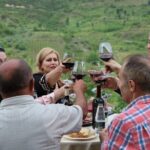
Nearby is Voskopoja, with about 2 hours 10 minutes. The emphasis here is on traditional food and drinks that are homemade, which fits the tour’s “taste the place” approach.
Pogradec (Drilon National Park + Tushemisht village)
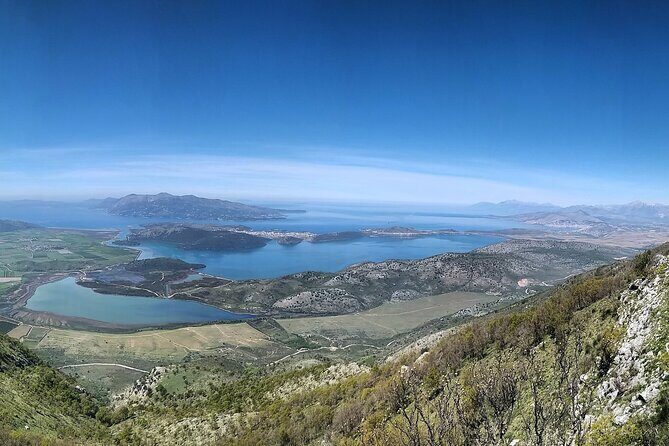
The day ends in Pogradec with Drilon National Park and Tushemisht village. It’s marked for about 50 minutes, meaning you’ll likely get a walking and photo-focused visit rather than a long hike.
Day 7: UNESCO Gjirokastër, Këlcyrë Canyons, and Bënjë Thermal Baths
Gjirokastër again (UNESCO heritage site time)
Gjirokastër returns as an UNESCO heritage site with about 3 hours 20 minutes. Since it’s repeated across the schedule, you can get a fuller feel for the stairs, alleys, and castle area without cramming it into one short visit.
Këlcyrë (Vjosa river and canyons)
Then you visit Këlcyrë, focused on the Vjosa River and the canyon views. The time here is short at 50 minutes, so it’s about points of view and a quick sense of scale.
Bënjë (thermal baths reset)
Finally, you reach Bënjë thermal baths for about 2 hours. This is your built-in recovery block—very useful on an itinerary that otherwise leans active.
Day 8: Llogara Again, Vlora Monastery, Borsh Riviera, and Byzantine St. Mary’s
Llogara National Park (50 minutes)
A second Llogara stop can be great if weather shifts or you want to see it again with fresh eyes. You’ll have about 50 minutes this time.
Vlora + Zvërnec Monastery (2 hours 10 minutes)
Then it’s back to Vlora, plus Zvërnec Monastery. This one is a longer slot than day 4, giving you time to walk and not just stand and stare.
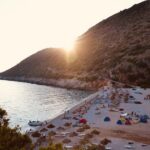
Borsh (Albanian Riviera)
You continue with Borsh, framed as part of the Albanian Riviera, with about 50 minutes.
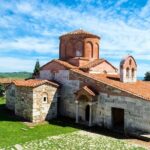
St. Mary’s Monastery (Byzantine connection)
The last stop is St. Mary’s Monastery, tied to the Byzantine empire, with 50 minutes. It’s a good way to end a coast-and-religion day with something grounded in older layers.
Day 9: Blue Eye (again), Gjirokastër Castle and Ottoman Bazaar, Lëkursi, Ksamil Islands
Blue Eye (50 minutes, admission included)
Blue Eye shows up again, with admission included. You get about 50 minutes—a shorter revisit that’s often ideal if you want a clean “second look” without burning the whole day.
Gjirokastër (castle, museum, Ottoman bazaar)
Then you visit Gjirokastër’s castle and Ottoman bazaar, around 3 hours 50 minutes. This is a heritage heavy day—more walking and architecture focus.
Lëkursi (Ottoman castle, short stop)
You then hit Lëkursi Ottoman castle for about 20 minutes. With limited time, focus on views and quick exploration rather than expecting full museum-style pacing.
Ksamil Beach and islands (30 minutes)
Finally, you reach Ksamil Beach and the islands for about 30 minutes. It’s brief, but it gives you that final dose of Ionian coast energy before the last day.
Day 10: One Last Blue Eye, Gjirokastër Market, Bënjë, and Vjosa Canyons
Blue Eye (50 minutes, admission included)
You start with Blue Eye again, admission included, for about 50 minutes. If you like water features and you don’t want the trip to feel like a rush-through, this repetition can actually help.
Gjirokastër (castle, museum, Ottoman market)
Then you revisit Gjirokastër for castle, museum, and Ottoman market, about 3 hours 50 minutes. This is the final big heritage block.
Bënjë thermal baths (2 hours)
You return to Bënjë thermal baths for another 2 hours. This is a strong finish for anyone who enjoys practical comfort after a lot of walking.
Këlcyrë / Kelcyre (Vjosa canyons, 20 minutes)
The tour wraps with Këlcyrë / Kelcyre and the Vjosa river and canyons for about 20 minutes—a quick final look at the canyon scenery.
Food, Markets, and the Raki-Friendly Side of Albania
Food is threaded through the day plan in a way that feels intentional. Berat is flagged for delicious food and raki, and Voskopoja is described for traditional food and homemade drinks. Those are not just vague promises; they signal that you’ll likely be guided to places that feel lived-in.
The market stops are also more than shopping time. In Krujë, the old bazaar is described as a former trade area now packed with locally sold handmade souvenirs. That means you can browse with context: you’re seeing craft culture that grew out of real buying and selling.
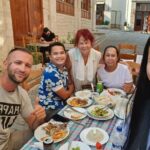
If you’re a meal person, seriously consider adding the optional traditional lunch with a local family in Gjirokastër. The tour frames it as part of the cultural lifestyle experience, and it fits perfectly with the heritage-heavy days around it.
Logistics That Actually Matter: Transfers, Time, and Pace
This isn’t a “choose-your-own-adventure” tour where you’re left coordinating details. You get pickup and drop-off, and transfers are always included from Tirana and Sarandë. That matters because Albania’s best sights can be spread out, and losing time to transport stress is what ruins a trip.
At the same time, the itinerary is packed. You have multiple repeated regions (Blue Eye, Gjirokastër, Llogara, and thermal baths). That repetition can be useful for timing and weather, but it also means you should manage expectations: you’re covering a lot, and you won’t treat each stop as a standalone vacation.
A practical tip: keep your days simple after dinner. Wear shoes you can walk in comfortably. With castle stairs, cobbled streets, and cliff viewpoints, your feet will be the first thing to complain if you go in unprepared.
Weather-Dependent Days: Plan for a Flexible Mindset
The tour notes it requires good weather. That’s especially relevant for sea viewpoints and canyon views where visibility and conditions can change fast. If weather turns, the experience may be offered on a different date or you can get a full refund, so you’ll want to keep some flexibility in your travel plans.
Should You Book This Private Best-of-Albania Tour?
Book this if:
- you want a private feel with a small group (up to 4)
- you’d rather spend your time seeing Albania than arranging transport
- you like a route that balances heritage towns (Krujë, Berat, Gjirokastër) with nature (Blue Eye, Llogara) and decompression (Bënjë thermal baths)
- you’re open to optional adds like the traditional lunch
Skip or choose another style if:
- you prefer slow travel and long stays in one place
- you dislike busy schedules and frequent changes of scenery throughout the day
Overall, this route is a strong value play for first-timers. You get major highlights without losing the human scale, and the guide team approach—highlighted by Ari and Valentina’s personality—fits the kind of touring that works well in Albania: walk, ask, taste, then move on.
FAQ
Is pickup and drop-off included?
Yes. You can be picked up at your hotel and dropped off there too. If you’re not located in Tirana or Sarandë, there’s an additional transport charge.
How many people are in the group?
This experience has a maximum of 4 travelers.
Are transfers included from Tirana and Sarandë?
Transfers are included from Tirana and Sarandë.
Is lunch included?
Traditional lunch is optional and requires extra payment.
Are tickets included for all stops?
All fees and taxes are included. Some stops are listed as admission free, while others (like Blue Eye on certain days and Berat Castle) are marked as admission ticket included.
What happens if the weather is bad?
The experience requires good weather. If it’s canceled due to poor weather, you’ll be offered a different date or a full refund.