REVIEW · TIRANA
Self – Guided Peaks of the Balkans tour in 10 days
Book on Viator →Operated by Choose Balkans · Bookable on Viator
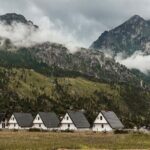
Mountains here come with border stamps. Over 10 days, you’ll walk in the Albanian Alps / Accursed Mountains region and cross into Montenegro and Kosovo, then come back down to city life in Gjakova. The best part is how often the scenery changes fast: rocky ridges, waterfalls, snow pockets, pine forests, and high lakes.
I like that the hiking has clear payoff every day—Talijanka, Arapi, the Blue Eye of Theth, Valbona Pass, Cerem’s options, and Gjeravica. I also love the practical setup: local transport between trailheads, cross-border pass, simple guesthouse-style stays for 9 nights, and breakfast each morning so you can focus on the walking (not meal math).
One drawback: you need solid fitness and patience. Expect long days (often 6–8 hours), basic rooms and bathroom facilities, and shared sleeping arrangements unless you pay extra for a private room. Also, lunches and dinners are on you, and food costs add up if you don’t plan.
In This Review
- Key things I’d want you to know first
- Where the Peaks of the Balkans route earns its hype
- Tirana’s 6:00 am start: then it’s mountains, not museums
- Lëpushë to Maja e Berizhdolit: the Accursed Mountains in one ridge
- Talijanka peak and the Montenegro border day
- Theth: Arapi peak, shepherd huts, and church stopovers
- The Blue Eye of Theth: a high reward day with real timing pressure
- Valbona Pass: the old mule trail feel
- Cerem: snow pockets, a scary-cool cave, and an optional summit
- Doberdol and the bear-and-lynx reserve day
- Gjeravica’s lakes and the final city reset in Gjakova
- Price and logistics: is $1,718.57 really fair here?
- How to pack and pace for long days in the Albanian Alps
- Rooms, comfort level, and the real meaning of simple lodging
- Should you book the Peaks of the Balkans trek?
- FAQ
- Is this a good fit for someone new to hiking?
- What kind of accommodation will I have?
- What’s included in the price?
- Are meals included?
- Will I cross borders during the trek?
- Do I need travel or health insurance?
Key things I’d want you to know first
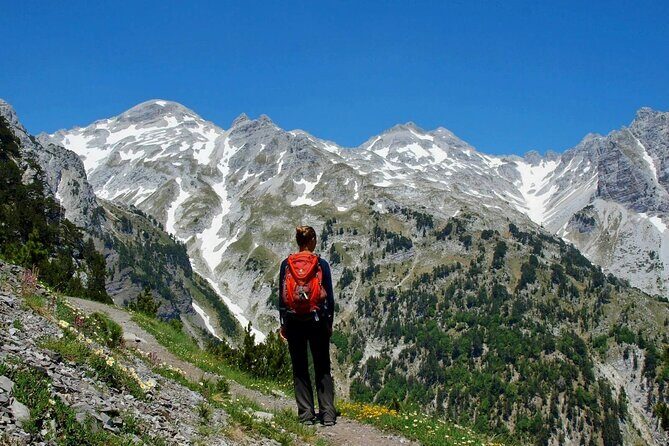
- Cross-border hiking: You’ll move between Albania, Montenegro, and Kosovo during the trek.
- Simple lodging, shared rooms: Homestays/guesthouses or shepherd huts, with basic bathroom amenities.
- Day-to-day support: You’re not totally on your own—Brikena and the Choose Balkans team help keep things running.
- Big-ticket sights built into the route: Blue Eye of Theth and Gjeravica’s lake swimming spots are part of the plan.
- Wildlife reserve on one hiking day: The Doberdol segment passes Albania’s national reserve linked to brown bears and lynx.
Where the Peaks of the Balkans route earns its hype
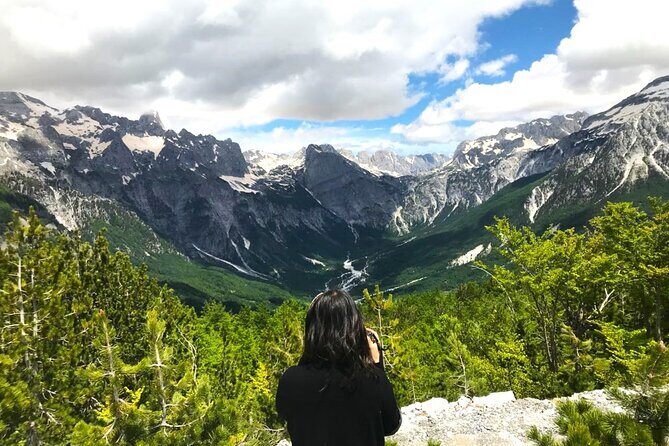
This is not a “one-view-and-done” hike. It’s a chain of mountain worlds across the Dinaric Alps. You’ll start in Albania, then work your way across the mountains that locals call the Accursed Mountains (and you’ll also hear the Bjeshket e Nemuna name tied to the protected areas near the Kosovo border). The point of the trip is simple: get away from roads and routine, walk where borders feel close, and return to civilization with sore legs and a full brain.
What makes it feel special is the rhythm. Each day isn’t just another trail. It’s a shift in elevation, terrain, and even what’s growing around you. Snow can show up on one side of a ridge while the other side looks almost bare. Rivers carve pools that glow green-blue. Pine forests switch to rocky high country. And when you finally reach Gjakova, you get a real contrast: bazaars, a clock tower, and a 16th-century mosque with arabesque decoration.
You can also read our reviews of more guided tours in Tirana
Tirana’s 6:00 am start: then it’s mountains, not museums
Day 1 kicks off early—Tirana at 6:00 am. You travel north toward Tamarë, passing Shkoder along the way. Then you begin walking from Tamarë on the way toward Lëpushë. The hike here is about 4 hours, and it’s a gentle intro compared to what comes later.
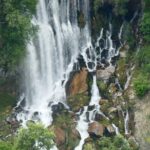
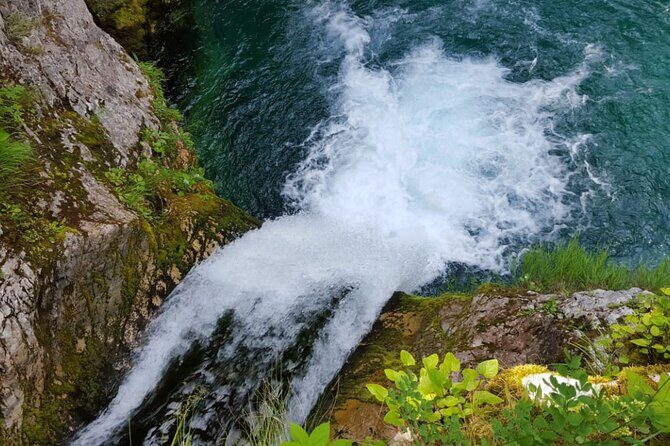
There’s a moment you’ll remember: on the Ujvara e Sllapit trail, a waterfall around 70 meters high can appear if the season has had enough rain. The description also says the crystal-clear water comes from the top of the mountain and is drinkable. Translation: this is the kind of place where you slow down, look around, and actually feel the mountain air up close.
By late day, you reach Lëpushë, a small village chosen for a reason: it’s a good resting point after a first hike day. Even the village name connects to spring—Lëpushë refers to a yellow flower you can find there during that season. This matters because it’s a reminder you’re not just walking through terrain. You’re walking through living places.
Practical tip: early starts mean you should sleep well the night before. If you’re not used to long driving + hiking combos, keep your evening pace calm.
Lëpushë to Maja e Berizhdolit: the Accursed Mountains in one ridge
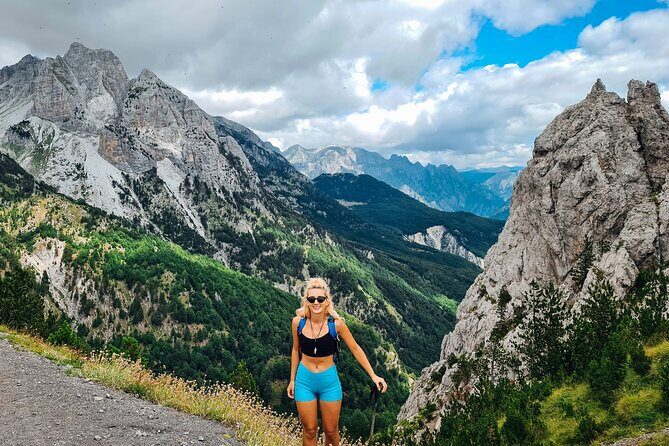
On Day 2, you hike to Maja e Berizhdolit (1,977 m). This is where the region’s personality shows up. The trek passes water springs, and the top view rewards you with a dramatic contrast: one side of the mountains can still look snow-covered, while the other side may have almost no vegetation. That kind of seasonal split makes the mountains feel bigger than they look on a map.
The maximum hike time is given as up to about 6 hours including breaks. You’re not just climbing; you’re spending time in a high-walled setting where water, rock, and weather all matter. If you like mountains that feel raw—rock, altitude, exposure—this is your day.
Then you head back to Lëpushë and overnight in a guesthouse there. That balance is smart. You get a big push, then you recover in the same small village ecosystem instead of constantly moving your sleeping setup.
Talijanka peak and the Montenegro border day
Day 3 begins with a trek that includes a border crossing feel. First, you hike to Talijanka peak, and during the day you’ll cross from Albania to Montenegro. Talijanka sits in the Grbaje Valley, described as U-shaped and ringed by sharp gray peaks. This is not green valley country. It’s dramatic, angular mountain geometry.
The view from the top includes Lake Plav in Montenegro (on clear days). Then you finish with transport—there’s a minivan for the last 40 minutes into Vuthaj.
Vuthaj is your base for the night, and you get time in the evening to visit local sights in town, including an Ali Pasha-related point mentioned in the route info. This matters for two reasons. One, it breaks up the “only hiking” feeling. Two, you see the human side of this remote region—the way people live in places that many maps barely label.
Theth: Arapi peak, shepherd huts, and church stopovers
Day 4 shifts back to Albania, with Theth as your destination. You travel from Vuthaj and cross the border again as part of the walking day. The route includes a hidden water place that’s difficult to find on your own unless you know the exact location. That’s a big deal with “self-guided” style travel: the route may be simple on paper, but you don’t want to rely on guesswork in mountain country.
You’ll also pass by Arapi peak (2,217 m) and multiple shepherd’s huts. Those huts are shown as practical markers of past life—life away from civilization. You’re hiking through a system that makes sense for herding and seasons, not for tourists chasing photos.
In Theth, you visit the Old Church and the “Lock in” area at Toyour (as named in the route details). The key point here isn’t the building itself. It’s that Theth keeps a sense of continuity. You’re not only walking through nature. You’re walking alongside local traditions and old structures that still matter.
Overnight stays are in a Theth guesthouse. Expect the trip’s comfort level here: simple, basic, and focused on rest after a hard day.
The Blue Eye of Theth: a high reward day with real timing pressure
Day 5 is the famous Blue Eye of Theth. The hike is listed as 4 hours to reach the pool and 3.5 hours back, making it about an 8-hour day total. This isn’t a quick side trip. It’s a commitment day, which is why it earns the attention.
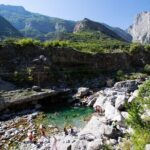
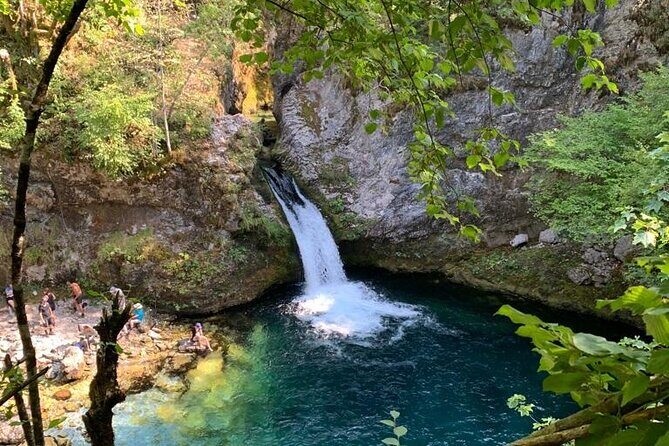
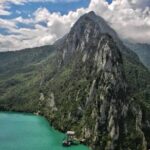
The explanation of how it forms is part of the magic: erosion of rocks by water descending from melting snow gives the pool its green-blue glow. A small waterfall feeds the pool, making the look complete. Even if you’ve seen photos before, the real test is seeing whether the colors match the description when you’re standing there, feet planted, after hours of walking.
Important pacing note: because this is a long round trip with a lot of elevation work, you’ll feel better if you don’t charge uphill early. Save energy. You want enough left to enjoy the stop, not just reach it.
Valbona Pass: the old mule trail feel
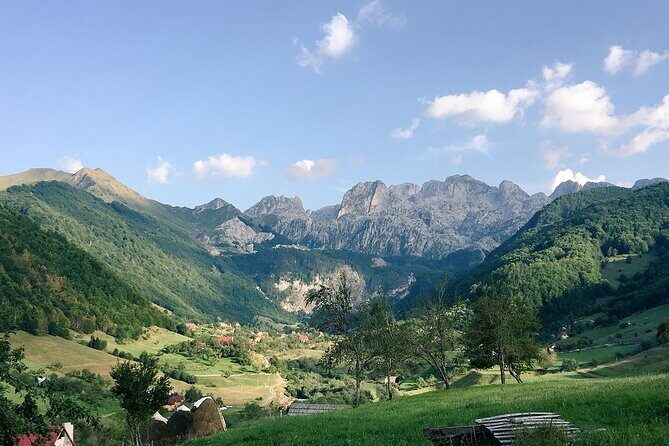
Day 6 is a long trek from Theth to Valbona, about 6 to 8 hours. The route uses an old mule trail, which is exactly the vibe you’d hope for: a path carved for pack animals, not road convenience. The walking crosses remote terrain, and at one point you get the satisfying split: you can see the Theth valley on one side and the Valbona valley on the other.
Valbona Pass brings another big-view moment tied to the Accursed Mountains. This is also where the name Bjeshket e Nemuna connects to a national park area in Kosovo near the borders with Albania and Montenegro. The region here feels like a border zone in every direction: birds, weather, terrain, even the sense of what’s next.
You’ll walk through wild forests and open areas. The route notes you might even spot wildlife, but you shouldn’t plan your day around seeing animals. Plan around the hike first—wildlife is a bonus.
Cerem: snow pockets, a scary-cool cave, and an optional summit
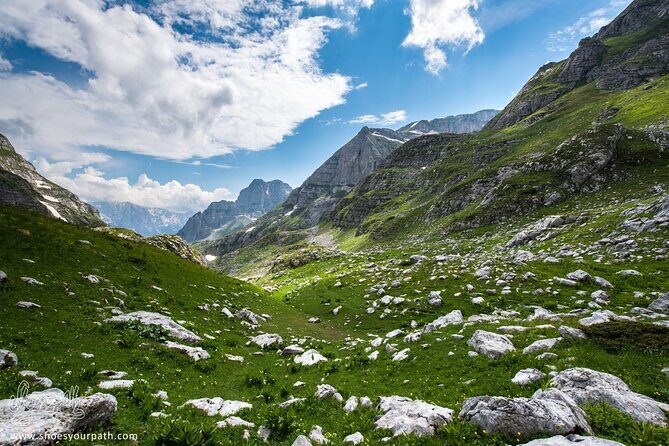
Day 7 takes you to Cerem. There’s transport needed first to reach the starting point, then you hike through forests and meadows to a canyon-like area. Here’s a cool detail: you’ll reach a place where snow can remain even during summer. That’s a great reminder of how high you’re really moving and how quickly conditions change with altitude.
You also have an optional add-on: hike to Zla Kolate peak, which adds about 3 hours (10 hours total for the day). If you want a longer day and you’re feeling strong, this is the kind of choice that makes a route feel personal instead of “follow the plan no matter what.”
On the way, there’s a stone surface described as looking like the face of a miserable old man. There’s also a cave with extremely cold wind. Neither is something you can manufacture in a photo. You’ll just have to react in the moment—surprised, amused, and a little cold for the next 5 minutes.
Doberdol and the bear-and-lynx reserve day
Day 8 moves from Cerem to Doberdol, following a mule track and crossing into Montenegro for about two hours during the day. The hike includes pine forests and berry picking depending on season—blueberries, blackberries, and raspberries are mentioned.
This is the day with the wildlife-reserve significance. The route passes Albania’s only national reserve mentioned here, described as home to brown bears and the last population of roughly 40 lynxes in the Balkans. That’s huge on paper. In real life, it means you’re walking through a protected area where animals exist—even if sightings aren’t guaranteed.
You get coffee or a drink stop at shepherd’s hut villages along the way. Then you finish in Doberdol. The route lists the highest point around 2,100 meters, and Doberdol as about 1,800 meters. This helps you understand the effort level: you’re working on mountain time, not just a “walk on a trail” level.
Gjeravica’s lakes and the final city reset in Gjakova
Day 9 aims you at Gjeravica, the highest peak in Kosovo. It’s also described as the second-highest peak of the Accursed Mountains. From the top, you can see the Accursed Mountains on one side and the Sharr Mountains on the other. That’s your big panoramic payoff day.
The route says you can swim in three different lakes formed by alpine and glacier waters, with one lake described as heart-shaped. Even if you decide not to swim, the “three lakes” detail gives you a clear sense you’re approaching a water-rich high-country zone.
After the hike, you reach Gropat e Erenikut and then go by 4×4 drive to Gjakova. That transfer is included, and it’s a smart safety net in mountain regions where roads can be limited.
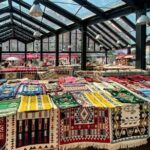
Day 10 is a short city tour of Gjakova: the oldest and largest bazaar of Kosovo, plus a clock tower and the Hadum mosque built in the 16th century. The mosque is noted as surviving wars and showing early Islamic architecture in the Balkans with arabesque decorations. After ten days of mountain walking, this feels like a breath—warm streets, shopping, and a meal where you don’t have to plan hydration by the hour.
Price and logistics: is $1,718.57 really fair here?
At $1,718.57 per person for about 10 days, the headline number can look big until you break down what’s covered.
Included items matter because they’re the expensive pain points in remote mountain travel:
- 9 nights in simple homestay/guesthouse/lodge-style lodging or shepherd huts
- Local transport between the walking sections
- Cross-border pass (you’re crossing multiple times)
- 4×4 transport from Gropat e Erenikut to Gjakova
- Entry tickets for the sites you visit
- Tourist and road taxes, international car insurance, petrol
- Breakfast for 9 mornings
That’s a lot of cost baked into the price, especially the cross-border part and the transport for hard-to-reach trail segments. The tour’s max group size is 10 travelers, which often helps keep logistics workable without turning it into a huge tour machine.
What’s not included is where you’ll personally spend:
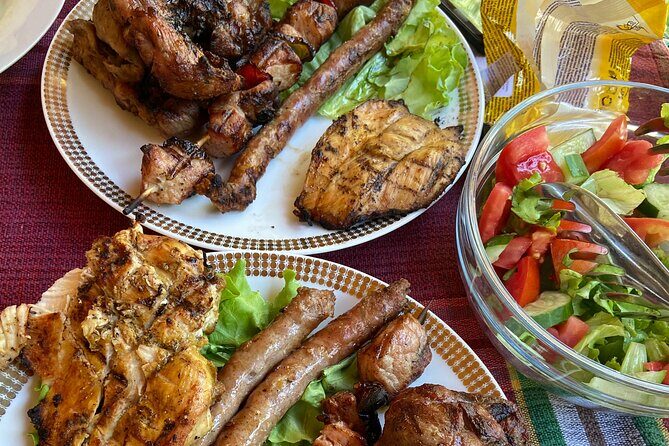
- Lunches and dinners
- Drinks and snacks
- The route notes a ballpark of about €12–15 per meal
- Souvenirs and personal spending
So the real value question is this: do you want to pay to have the borders, transfers, and accommodations handled? If yes, this is priced like a “mountain logistics package,” not just a hike with a map.
How to pack and pace for long days in the Albanian Alps
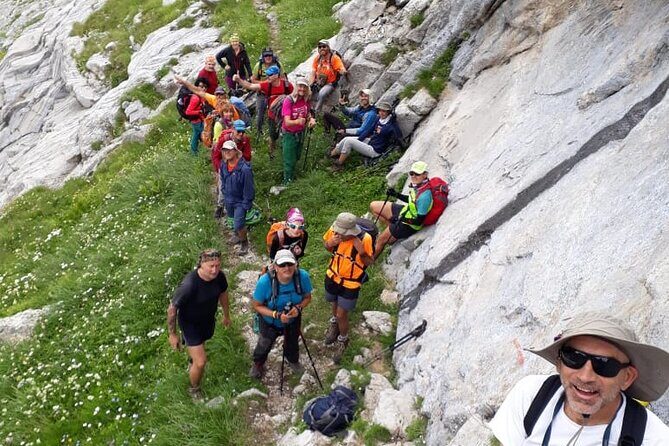
This trip asks for strong physical fitness. You should treat every day like a workout day, because many hikes are in the 6–8 hour range, with steep mountain trails and full days that start early and end late.
Pack like you’re hiking, not sightseeing:
- Sturdy footwear for uneven trail surfaces
- Layers for changing temps as elevation changes
- A rain layer, especially because the waterfall and pool colors can depend on season and rainfall
- A daypack for water and snacks (since lunch and dinner are on you)
Then pace your energy. A common mistake on mountain trips is going too fast on day one and hoping you’ll “find energy later.” The route does a smart job of mixing intensity, but you still need to save enough for the high points like Arapi (2,217 m) and Gjeravica.
Also: weather can affect the schedule. The route notes adjustments due to weather, acts of God, strikes, holidays, temporary closures, and other forces outside the company’s control. So keep a flexible mindset. Mountains don’t care about timetables.
Rooms, comfort level, and the real meaning of simple lodging
You’ll sleep in traditional homestays/guesthouses or shepherd huts, with basic bathroom amenities. Rooms typically hold 2 to 5 travelers, and male/female room sharing might happen unless you book a private room. Private rooms are possible for an extra €35 per night per person, based on availability.
This is where your expectations should match reality. If you’re okay with simple, clean, functional lodging after a big hike day, you’ll enjoy this part. If you need hotel-style comfort, you’ll feel the friction.
The practical upside: these places keep you close to the trail life. You eat, rest, and wake up in the same mountain rhythm you walked into.
Should you book the Peaks of the Balkans trek?
Book it if:
- You want serious hiking days with big scenery payoffs
- You’re comfortable with basic lodging and shared rooms
- You like routes that connect borders, villages, and mountain peaks instead of sticking to one country
- You want the logistics handled for transport and cross-border movement
Skip it (or consider another style of trip) if:
- You want easy walking and short days
- You’d struggle with long hikes, early starts, and carrying your own meals/snacks for portions of the day
- You need hotel-grade comfort every night
One more nudge: this route is rated highly in overall satisfaction, and people consistently credit strong help from the Choose Balkans team, including support from Brikena, who helps keep things on track and checks in while you’re hiking. That support matters a lot when you’re crossing borders and sleeping in remote guesthouses.
If you match the fitness level and you can handle simple accommodations, you’ll likely feel like you got far more than a “hike.” You’ll feel like you walked through a whole mountain world.
FAQ
Is this a good fit for someone new to hiking?
The tour requires strong physical fitness and some hiking experience. Several days are long (often 6–8 hours), so it’s best for hikers who are comfortable with extended days and mountain terrain.
What kind of accommodation will I have?
You’ll have 9 nights in simple homestays/guesthouses/lodges or shepherd’s hut-style lodging. Bathrooms are basic, and rooms typically hold 2 to 5 people. Private rooms are available for an extra €35 per night per person if available.
What’s included in the price?
The price includes accommodations for 9 nights, local transport, cross-border pass, entry tickets for sites visited, tourist and road taxes, international car insurance, petrol, and breakfast for 9 days. It also includes 4×4 transport from Gropat e Erenikut to Gjakova.
Are meals included?
Breakfast is included for 9 mornings. Lunches and dinners, along with drinks and snacks, are not included. The tour notes a meal cost of about €12–15.
Will I cross borders during the trek?
Yes. The route includes crossing from Albania to Montenegro and later crossing back, plus additional border-crossing segments during hiking days. A cross-border pass is included.
Do I need travel or health insurance?
Yes. The tour information says each participant is responsible for having their own health/travel insurance.