REVIEW · SARANDA
Riviera Tour Borsh-Qeparo-Himare-Porto Palermo-Vuno-Dhermi
Book on Viator →Operated by Visit Saranda · Bookable on Viator
Albania’s Riviera feels easier with a plan. This private tour connects the coast from Borsh through Qeparo and Himara, then up toward Vuno and Dhërmi, with round-trip hotel pickup and a local guide to connect the dots.
What I like most is the mix of small coastal villages plus one big historical stop, and the fact that most visits are ticket-free (Porto Palermo Castle is the paid highlight). One thing to consider: you’re on a schedule for a full half day, and food and drinks are not included, so you’ll want to plan for beach snacks and water.
In This Review
- Key things to know before you go
- Why this Riviera route makes sense from Saranda
- Price and value: what $145.35 per person really covers
- Transportation comfort: a half-day that doesn’t feel rushed
- Stop 1: Borsh, a maritime village with Lab dialect life
- Stop 2: Qeparo’s stone architecture and the sea legend
- Stop 3: Porto Palermo Castle—Soviet submarine base to Ali Pasha walls
- Himara area: where old hill town meets the gulf
- Stop 4: Vuno’s authenticity—and the Byron and Edward Lear link
- Stop 5: Dhërmi—promenade progress, mountain slopes, and beach energy
- Stop 6: Llamani Beach—1 hour to reset, snack, and swim if you want
- Local guidance: the difference between seeing places and understanding them
- Food, drinks, and what you should bring
- Weather reality check on the Ionian
- Should this tour be your choice?
- Should you book the Riviera Tour Borsh-Qeparo-Himare-Porto Palermo-Vuno-Dhermi?
- FAQ
- How long is the Riviera Tour Borsh-Qeparo-Himare-Porto Palermo-Vuno-Dhermi?
- Is hotel pickup and drop-off included?
- Is this tour private?
- Are entrance tickets included?
- Is food included?
- What language is the tour offered in?
- What happens if the weather is poor?
Key things to know before you go
- Hotel pickup and drop-off from select Albania or Greek island hotels, so you start relaxed
- Private group experience with your own group, not a bus full of strangers
- Porto Palermo Castle ticket included, while other scenic stops are admission-free
- Local-guided coastal culture across Borsh, Qeparo, Himara, Vuno, and Dhërmi
- Beach time at Llamani to cool off, eat, and stretch your legs
- Good-weather dependent, since this is a daytime coastal route
Why this Riviera route makes sense from Saranda
If you’re staying around Saranda, this is one of the more efficient ways to get real coastal variety without doing the driving math yourself. You start with quieter village energy, work through the kind of stone-and-sea charm Albania does well, and then anchor the trip with Porto Palermo’s dramatic fort setting.
The route also keeps the tone human-scaled. Instead of racing between big-ticket sites, you get shorter stops in places that feel lived-in. That’s especially true around Himara’s region, where you’re moving between old hills and newer seafront areas rather than treating everything like a single theme park.
You can also read our reviews of more tours and experiences in Saranda.
Price and value: what $145.35 per person really covers
At $145.35 per person for about 6 to 8 hours, you’re paying for more than the car. The price includes taxes, fees, and handling charges, plus hotel pickup and drop-off, and guides. It also includes all activities on the schedule, with one clear exception: food and drinks.
In practical terms, that means less awkward budgeting while you’re out on the coast. Many of the stops are free of admission, so your money goes toward the experience rather than adding a pile of entry costs. Porto Palermo Castle is the one that’s specifically included with its ticket, which helps you feel like the itinerary has at least one “anchor” moment.
Transportation comfort: a half-day that doesn’t feel rushed
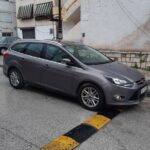
This tour is built around pickup and a coordinated route, which matters on Albania’s Riviera. The coastline is scenic, but roads and timing can make self-planning feel heavier than it should.
You can expect a private tour setup with only your group, and the tour is offered in English. There’s also a mobile ticket, which is simple for day-of entry where needed. The duration (6 to 8 hours) gives enough time for stopovers plus a real beach window, without swallowing your whole day.
Stop 1: Borsh, a maritime village with Lab dialect life
Borsh is a compact start that sets the tone: maritime village character, a Muslim Albanian community, and a distinctly local feel. It’s in the Albanian Riviera and, after the 2015 local government reform, it’s part of the Himarë municipality.
You’ll get about 40 minutes here, and since admission is free, the value is in walking, looking, and soaking up the daily rhythm rather than paying to enter a site. It also helps you shift into coastal mode early, before the route gets more “viewpoint and photo stop” oriented.
Quick practical tip: Wear something comfortable for uneven ground near the water. With short stops, you’ll want to be able to move easily.
Stop 2: Qeparo’s stone architecture and the sea legend
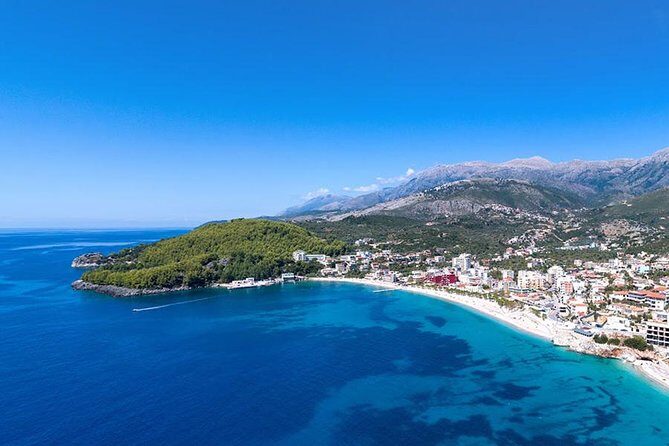
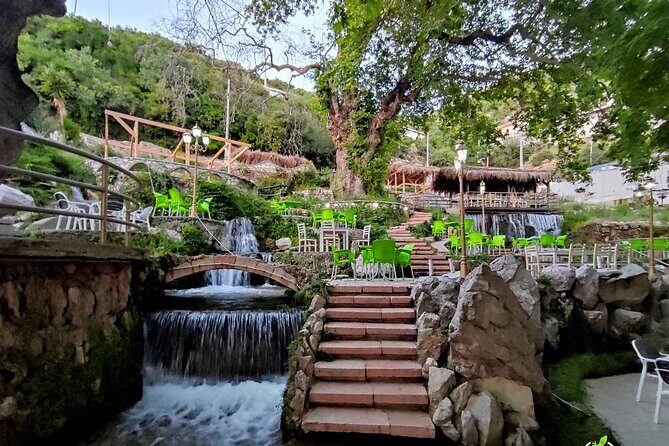
Qeparo is the kind of place where the details matter. You’re here for the stone architecture and a long, calm feel by the water—plus clear turquoise tones when the light cooperates.
You get around 40 minutes, and admission is free. What makes Qeparo more than a pause is the story tied to the sea: a legend about an old and new Qeparo, and a light flashing in the dark that helped shape the village by the shore. You’ll also pass the Qeparo Valley, with olives and aromatic citrus, which adds a “this coast has a working side” layer.
The beach stretches along the coast, so even if you’re not swimming, you’ll likely find yourself slowing down just to watch the water.
Stop 3: Porto Palermo Castle—Soviet submarine base to Ali Pasha walls
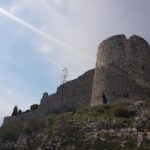
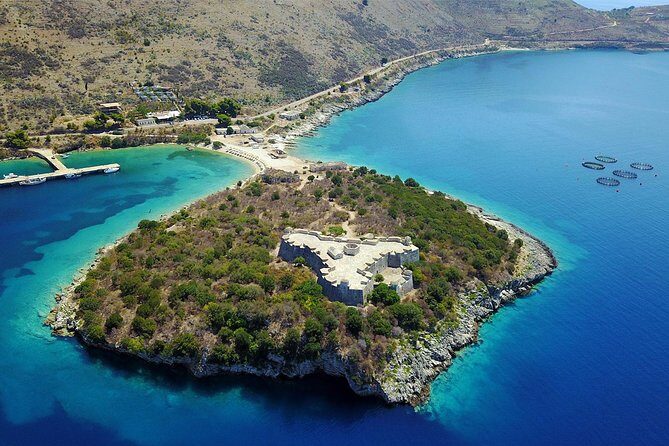
Porto Palermo Castle is the tour’s history-and-setting highlight, and it’s also the clearest “included ticket” moment. You’ll spend about 1 hour here, and admission is included.
This fort sits in a closed bay near Himarë, with beaches and a setup that feels almost island-like because it’s connected to the mainland by a narrow strip. Under the communist regime, the fortress served as a former Soviet submarine base. Today, semi-abandoned tunnels and barracks draw attention, while the outer stronghold walls and gates tie it to earlier power—specifically the walls associated with Ali Pasha of Ioannina.
What I like about this stop on a tour like this is that it doesn’t feel like trivia. The setting helps explain why military power and coastal control mattered here. You’ll get the kind of story that clicks once you see the bay shape.
Footnote for your planning: This is a “walk-and-look” hour. If you’re sensitive to stairs or uneven stone, just keep your pace easy.
Himara area: where old hill town meets the gulf
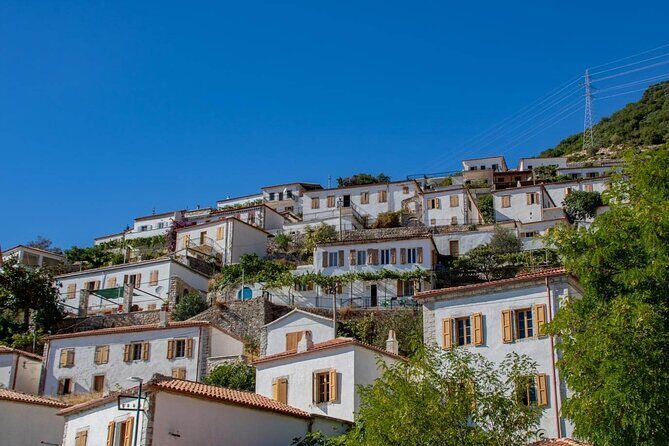
After Porto Palermo, you roll into the Himara region feel. Himara itself runs along the Ionian coast with a spread that includes Himara town plus villages like Palasa, Drymades, Ilias, Vuno, Piluri, Kudhesi, and Qeparo.
The town is described in two main parts: the Old Himara up on Barbaka hill and the newer part built along the gulf of Spile. Even if your time here is shorter (the tour keeps moving), it gives you a useful mental model for what you’re seeing: hill life and seafront expansion.
This is also a good moment to ask your guide questions. When you have a guide, you can connect the “where” to the “why” quickly.
Stop 4: Vuno’s authenticity—and the Byron and Edward Lear link
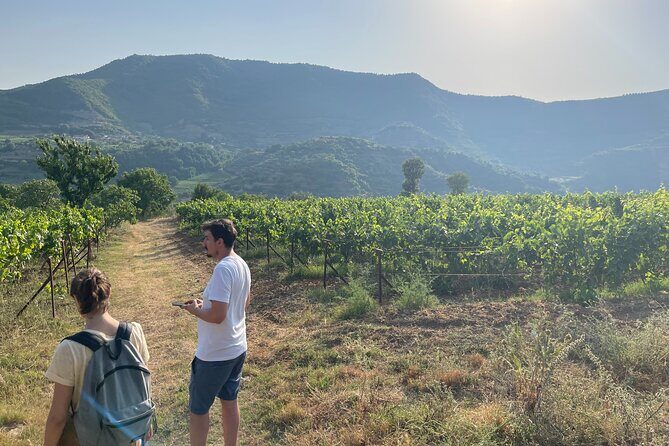
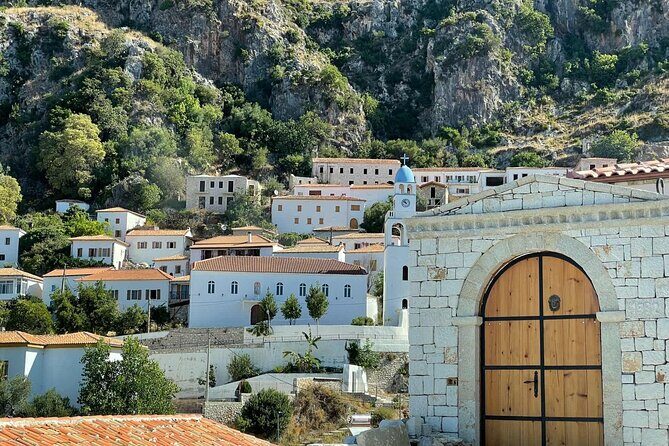
Vuno is a great contrast stop. Unlike the beach-forward towns, Vuno doesn’t have a beach, so the focus shifts to everyday texture: traditional houses, vineyards, and that local working feel with donkeys and hand-carts.
You get about 30 minutes, and admission is free. This is one of the stops where the guide’s commentary really matters because the appeal is less about monuments and more about context—like why this village sits where it does and how travelers in earlier centuries viewed it.
There’s also a literary connection: Lord Byron and Edward Lear reportedly stopped in Vuno to enjoy the architecture and church murals during their travels across Albania. Even if you’re not hunting for a single named viewpoint, that detail adds weight to the walk. You’re not just seeing a village; you’re seeing one that has pulled attention for a long time.
Stop 5: Dhërmi—promenade progress, mountain slopes, and beach energy
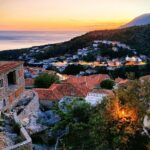
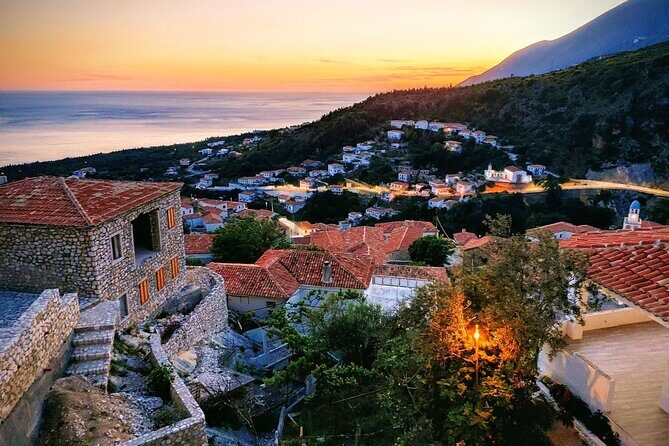
Dhërmi is where the coast starts to feel more modern and more active. It lies on a slope of the Ceraunian Mountains at about 200 meters altitude, with mountains descending toward the Ionian coast and Corfu in the distance to the south.
You spend about 30 minutes here, and admission is free. Dhërmi has three neighborhood areas mentioned in local descriptions: Gjilek, Kondraq (also known as Kallam), and Dhërmi itself. The village’s development is described as a recent construction boom in accommodation, including wooden villa complexes, and it’s also considered a nightlife destination for Albanian youth.
Still, even with that buzz, you’ll see that Dhërmi also has a new large promenade by the sea. That balance—nature-backed slopes plus human-made walking space—is part of why it fits into this kind of coastal tour.
Practical tip: Bring sun protection. Promenades and open viewpoints mean you’ll feel the sun fast.
Stop 6: Llamani Beach—1 hour to reset, snack, and swim if you want
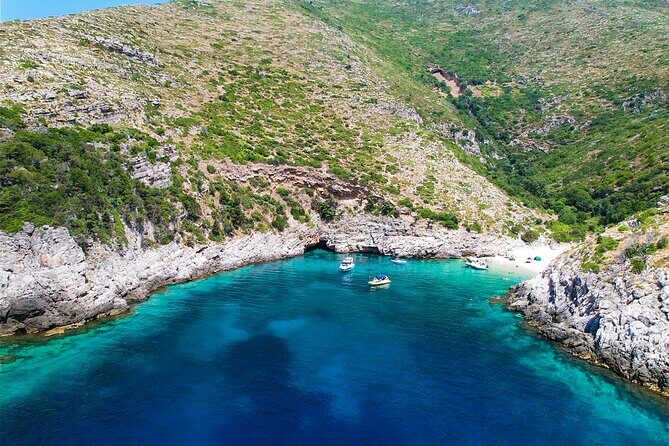
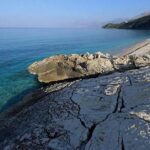
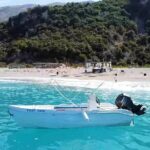
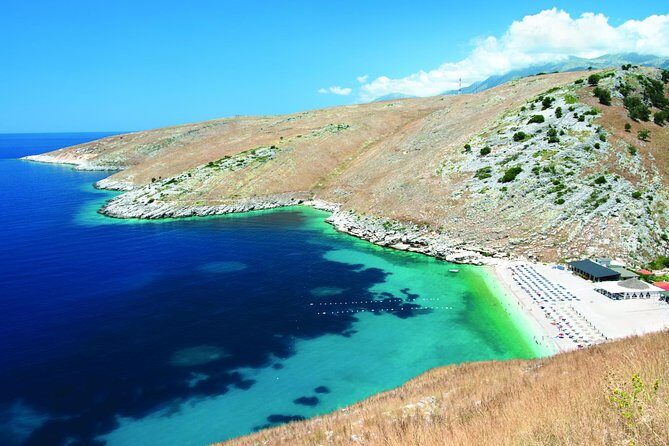
Llamani Beach is the payoff that makes the trip feel like more than just sightseeing. You get 1 hour of free time, and admission is free.
This is your window to eat, drink, and relax on the sand and along the water. Since food and drinks are not included, treat this as a mini-planning moment: buy water and simple snacks when you’re able, and decide whether you want a quick swim or just beach time.
If you’re traveling with someone who wants a break (or you just want to stop thinking like a “tourist schedule person”), this is where you exhale.
Local guidance: the difference between seeing places and understanding them
A good guide can turn a coast route into a story you remember. This tour includes both a driver/guide and local guidance, and the emphasis is on Albania’s coastal culture and charm.
One previous group highlighted a guide named Kladji, praising the way he explained sites and the history tied to what they were seeing. That same account also mentions something worth noting for you: Kladji helped adjust the day to fit in an extra interest, including Gjirokaster, even though it isn’t part of the standard schedule. They also mentioned fresh strawberries bought during the tour.
That tells you something important about the style: the experience is guided, and the guide may work with your interests when the day allows. Just remember that an “extra” like that can’t be treated as guaranteed, since it depends on timing and conditions.
Food, drinks, and what you should bring
Food and drinks are not included, so plan accordingly. You’ll likely want:
- Water (and maybe something salty for mid-day coastal travel)
- Beach-friendly footwear if the ground around stops is uneven
- Sun protection for the promenade and beach portions
You’ll have a natural lunch-style window because the route includes village stops plus your Llamani Beach hour. Don’t count on a sit-down meal being built in. This is more “grab and go” coastal travel.
Weather reality check on the Ionian
This is a good-weather kind of tour. It requires good weather, and if it’s canceled due to poor weather, you’ll be offered a different date or a full refund. That matters because most of the value is in outdoor villages and beach time.
If you’re booking, pick a day when the forecast looks stable. You’ll enjoy everything more when the sea air isn’t paired with cold rain or low visibility.
Should this tour be your choice?
This works well if you want:
- A private group feel without the stress of driving a coastal route yourself
- A mix of villages (Borsh, Qeparo, Vuno) and a larger historical stop (Porto Palermo)
- A real chance to end with Llamani Beach time
- English guidance and a structured half-day rhythm
If you prefer a slower pace, this may feel tight because you’re on the move from stop to stop. But if your goal is “see a lot of this coast without doing logistics,” it’s a strong fit.
Should you book the Riviera Tour Borsh-Qeparo-Himare-Porto Palermo-Vuno-Dhermi?
I’d book it if you want an easy, guided way to experience the Albanian Riviera around Saranda with pickup, fair pricing, and an itinerary that mixes local village life with a real fort story. The included Porto Palermo Castle ticket is a nice anchor, and the beach hour makes the day feel complete rather than just photo stops.
Skip it only if you hate schedules, don’t want to pay for your own beach snacks and drinks, or you’re booking on a day when weather looks shaky. For most people planning a single half-day on the coast, this offers practical value and a route that feels authentically coastal.
FAQ
How long is the Riviera Tour Borsh-Qeparo-Himare-Porto Palermo-Vuno-Dhermi?
It lasts about 6 to 8 hours, depending on the day’s timing and travel between stops.
Is hotel pickup and drop-off included?
Yes. The tour includes hotel pickup and drop-off from select hotels in Albania or on Greek islands.
Is this tour private?
Yes. It’s a private tour, meaning only your group participates.
Are entrance tickets included?
Admission is included for Porto Palermo Castle. The other listed stops are free of admission.
Is food included?
No. Food and drinks are not included. You’ll have free time at Llamani Beach where you can eat and drink on your own.
What language is the tour offered in?
The tour is offered in English.
What happens if the weather is poor?
The experience requires good weather. If it’s canceled due to poor weather, you’ll be offered a different date or a full refund.