REVIEW · GJIROKASTER
2-Hours Guided Drino’s Valley Ride
Book on Viator →Operated by C-Adventures&Tours · Bookable on Viator
A good ride should feel like it’s taking you somewhere real. This 2-hour Drino Valley horseback ride swaps the town for rural paths, with a planned pause at Cini Lake that’s made for photos.
What I like most is the way the route turns into a moving field guide: you pass working farmland, older irrigation traces, and even relics tied to Cold War–era planning. I also love the small-group feel (the group cap is 10), because it makes the pace feel controlled rather than chaotic. One thing to weigh: this is only for experienced horse riders, so if you’re new to riding, you’ll likely feel out of place fast.
The ride is guided in English, and the horses are described as sure-footed Albanian mounts that are easier to handle on uneven ground. If you like riding at a steady rhythm and taking your time with views, this works well; if you’re chasing a relaxed “first ride” adventure, skip it and look for a beginner-friendly option instead.
In This Review
- Key things I’d watch for on this ride
- Riding Drino Valley for 2 hours: why it feels like a real escape
- Horse and rider reality check: experienced riders only
- Start in the Gjirokaster area and ride out at 9:00 am
- The 10 km route: rural life, old irrigation, and working farmland
- Asim Zeneli and the collectivization era clues you can see from horseback
- Cold War bunkers and WWII-era partisan village names
- Cini Lake photo stop: the 15-hectare view with horses and herds
- Bird spotting in vulture and eagle habitat
- What the guide matters: Kristina’s level-matched ride
- Price and value: is $70.98 fair for 2 hours?
- Who should book this Drino Valley ride
- Quick read: should you book it
- FAQ
- FAQ
- What’s the duration of the 2-Hours Guided Drino’s Valley Ride?
- How much does the tour cost?
- Where does the ride start and end?
- What time does the tour start?
- What language is the tour offered in?
- Do I need prior riding experience?
- Is there a photo stop during the ride?
- What’s the group size limit?
- What’s the cancellation window?
Key things I’d watch for on this ride
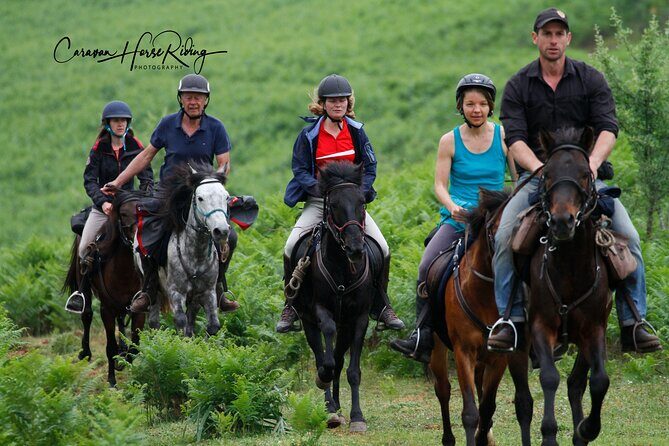
- Experienced riders only: the tour is designed around riders who already know how to handle a horse
- Cini Lake photo stop: horses, herds, and a hill-ringed artificial lake make for strong pictures
- 10 km on horseback: enough distance to feel like a proper outing, still kept to about 2 hours
- Bird habitat along the route: keep an eye out for Egyptian vulture and golden eagle territory
- Cold War bunkers and collectivization traces: you’ll see physical reminders of past decades while riding through farmland
- Guide support (Kristina gets praised): one rider specifically highlighted Kristina for matching the ride level
Riding Drino Valley for 2 hours: why it feels like a real escape
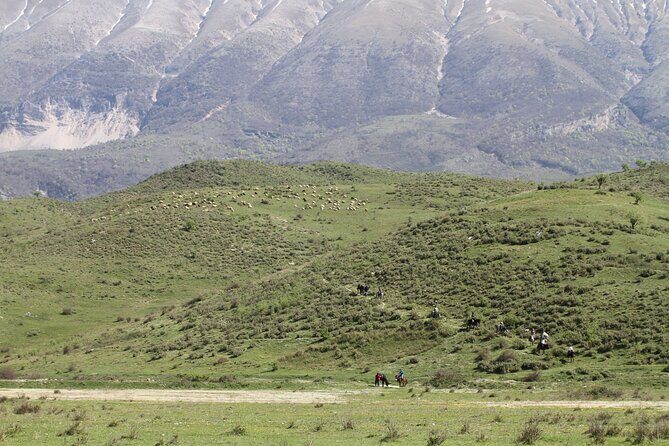
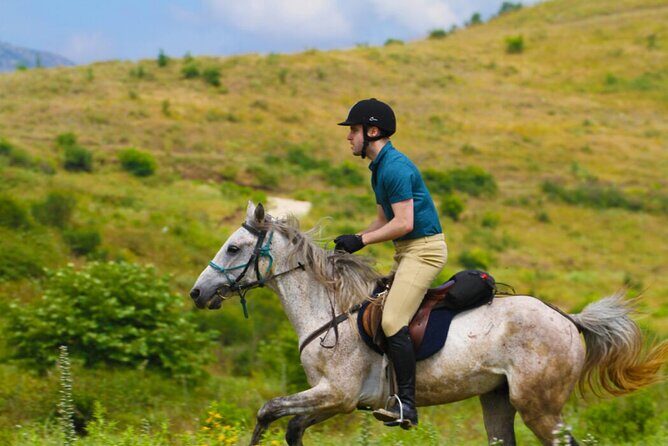
This ride is short enough to fit into a full day in Gjirokaster, but long enough to get you out of “quick look” territory. You’re on horseback for about 2 hours, covering roughly 10 km, so it’s not just a stroll—it’s a proper rural outing that changes the air and the view.
Because the group size is limited to a maximum of 10, the guide can manage the pace and spacing. That matters on horseback, especially when you’re sharing narrow rural paths and uneven terrain. In a small group, you usually feel more like you’re joining a route than waiting for everyone to catch up.
The biggest “escape” ingredient is where you ride: you leave town bustle and move through farmland, pasture space, and places shaped by older agriculture systems. Even without getting into long explanations, you’ll feel the difference within minutes.
You can also read our reviews of more tours and experiences in Gjirokaster.

Horse and rider reality check: experienced riders only
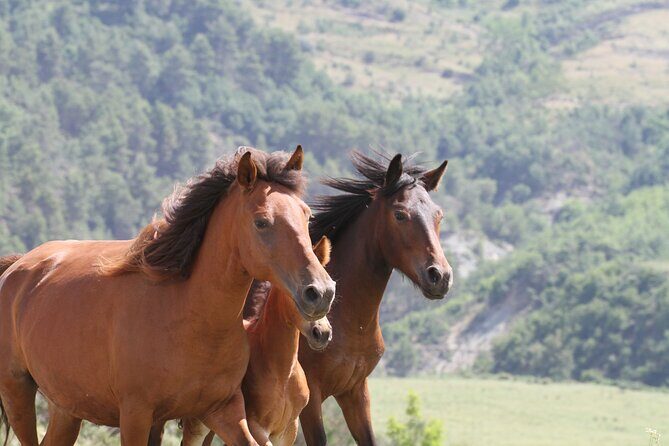
Here’s the deal: this tour is only for experienced horse riders. That’s not a small label—it shapes everything from how the horses move to how the guide expects you to ride and communicate.
The good news is that the horses are described as sure-footed Albanian horses, which typically helps when ground gets uneven or unevenness shows up suddenly. One rider also praised the experience for matching their level, noting that the guide (Kristina) offered a ride appropriate to experienced riders who didn’t want things dumbed down.
Still, “sure-footed” doesn’t turn this into a beginner course. You should already be comfortable with the basics: staying balanced, holding steady contact, and understanding how your horse moves as terrain changes.
Start in the Gjirokaster area and ride out at 9:00 am
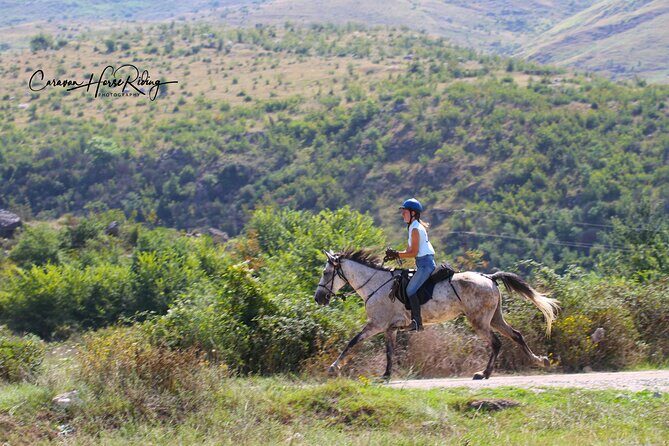
The start time is 9:00 am, and the meeting point is listed as Caravan Horse Riding Albania on an unnamed road in Albania. The ride ends back at the meeting point, so you’re not left figuring out transportation or a second pickup zone.
Plan to arrive a little early so you can settle in without rushing. With a 2-hour ride, your “getting ready” time matters—if you’re flustered, it’s harder to focus on riding. Also, because there’s a photo stop (more on that below), having your camera accessible is a smart move.
This is also one of those tours where the timing and the route choice are part of the value. A morning ride in a rural setting tends to feel calmer, and it’s often when you get the best chance of seeing birds moving through their habitat.
The 10 km route: rural life, old irrigation, and working farmland
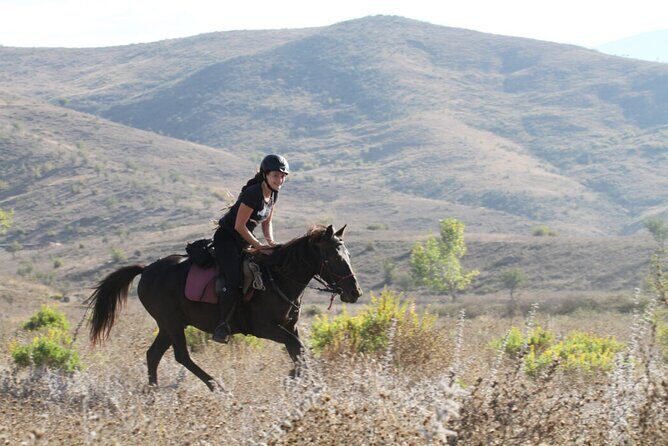
Once you’re mounted, the ride passes through a mix of agricultural land and pastoral scenes. You’ll see cultivated land, a pastoral atmosphere, and evidence of older human planning—especially former irrigation infrastructure.
That irrigation detail is more than trivia. When you’re riding through areas shaped by irrigation systems, you often notice changes in vegetation patterns, water channels, and how fields are arranged. The result is a route that feels grounded in how people actually used the land for farming.
You’ll also go through places connected to the 20th century history of collective agriculture. The route description includes traces of collectivization time, along with the story of a village that grew alongside those agricultural changes.
Asim Zeneli and the collectivization era clues you can see from horseback
One of the most specific historical notes built into this ride is the village named Asim Zeneli. It’s described as a village created in the ’50s near collectivized spaces, then continuing to grow until the mid-’60s.
You don’t need a lecture to get value from this. As you move through the area, the village name and the agricultural infrastructure help you connect what you see—fields, built farming support structures, and the way water management shows up—with a timeline of how the region developed.
If you enjoy travel that’s not just scenic but also legible (meaning you can make sense of what you’re looking at), you’ll likely get extra enjoyment from this kind of “riding history” setup.
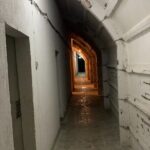
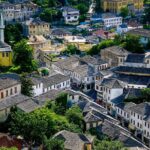
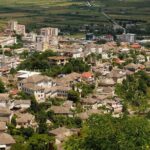
Cold War bunkers and WWII-era partisan village names
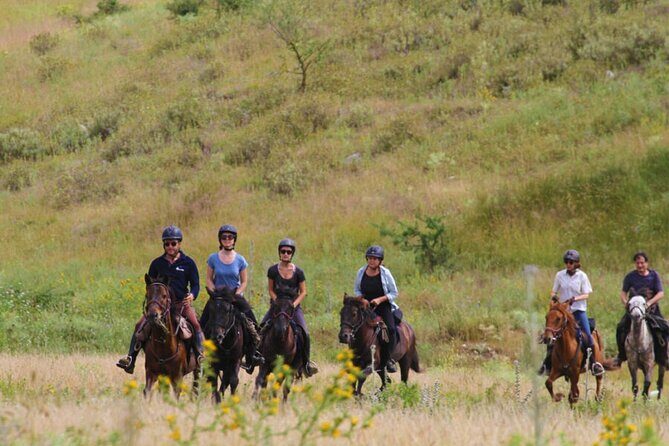
Another standout element is the presence of a network of Cold War bunkers and other infrastructure traces. You’re not walking through a museum; you’re riding through the terrain that those decisions shaped.
The route also includes a detail about new villages bearing the names of fallen partisans from World War II, created in the ’50s near collectivized spaces. That kind of naming doesn’t feel abstract while you’re riding through the countryside—because it’s tied to real settlements and real agricultural planning.
A practical note: the more historical and visual detail there is, the more likely it is you’ll want to stop and look at certain points. The ride is time-based, so if you’re the type who needs every detail to sink in, keep your eyes open first and save deep staring for the photo stop where it’s built into the schedule.
Cini Lake photo stop: the 15-hectare view with horses and herds
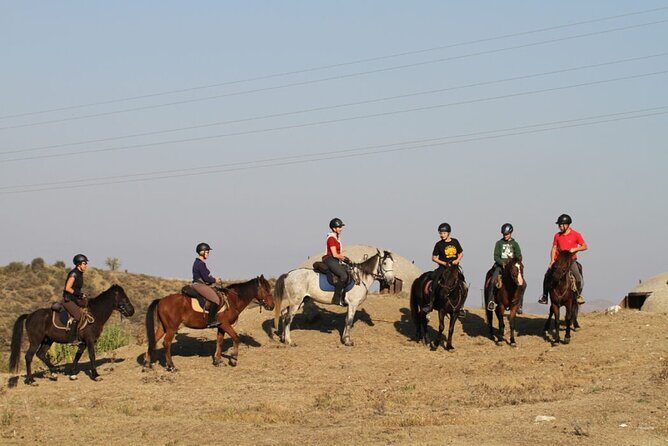
The ride includes a camera-friendly stop at Cini Lake. The lake is described as an artificial lake of about 15 hectares, with a capacity around 600,000 m³ of water, and it’s still in operation.
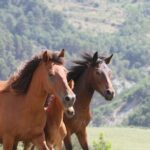
That means the lake isn’t just a pretty backdrop—it’s part of the continuing water system of the region. For photographers, the best part is the combination: a hill-surrounded lake scene, horses, and cattle all showing up in the same view.
This is also where the tour earns its “photo stop” promise in a way that feels practical. Instead of random pull-offs, you get a planned moment to take photos that actually match the countryside story the route is telling.
Bring a camera strap you can manage while riding, and consider how you’ll hold your phone or camera securely when the horse shifts. Even a small pause can feel like “the perfect shot” for a few seconds—plan to be ready.
Bird spotting in vulture and eagle habitat
As you ride, you’ll be traveling through the habitat of protected birds, including the Egyptian vulture and the golden eagle. Whether you see them clearly depends on conditions like wind and visibility, but the ride is designed to pass through their territory.
I like this element because it encourages you to look beyond the “horse picture” idea. You can scan the sky while still keeping the horse experience central, and you end up with photos that don’t all look like the same pose from the same angle.
If you’re bird-focused, pack patience. On horseback, it’s easier to notice movement than to lock onto a small shape. Keep your gaze steady, watch for circling behavior, and you’ll likely spot more than you expect.
What the guide matters: Kristina’s level-matched ride
One of the clearest points that shows up in rider feedback is the guide’s ability to match the ride to the rider’s experience. Kristina is specifically mentioned as offering a nice ride at the riders level and making the experience feel comfortable even for someone who has been riding a long time.
That’s more important than it sounds. When you’re riding experienced horses on varied ground, the wrong pace can make a ride feel stressful. A level-matched guide helps keep the ride fun, safe, and flowing.
If you want that “freedom on horseback” feeling, guide skill matters. It’s the difference between feeling like you’re controlling your horse and feeling like you’re just along for the ride.
Price and value: is $70.98 fair for 2 hours?
At $70.98 per person for about 2 hours, this isn’t a budget activity—but it also isn’t trying to be. You’re paying for a guided horseback experience, English support, a small group cap of 10, and a route that includes more than just riding in circles.
Value is strongest if you check these boxes:
- you’re an experienced rider who can enjoy the terrain
- you want the Cini Lake photo stop (and not just a quick pass)
- you care about seeing real rural settings, including water and historical traces
- you’d rather do a short guided ride than spend hours coordinating everything yourself
If you’re not an experienced rider, the price still won’t feel fair, because the experience is designed around rider competence. For beginners, that “value” disappears fast.
Who should book this Drino Valley ride
This is a great match if you:
- already ride confidently and want a guided mountain-and-rural route
- want a short, satisfying ride that includes a meaningful scenic stop
- like photography and want a planned moment at Cini Lake
- are curious about the region’s past, especially how farmland and infrastructure developed
It’s not a great match if you:
- are new to horse riding or want something beginner-friendly
- prefer gentle sightseeing on foot over riding
- want a long, slow cultural walking tour instead of time on horseback
Also note the physical fitness note: you should have moderate physical fitness. That doesn’t mean you need to be an athlete, but it does mean you should be comfortable spending time in the saddle and managing basic riding effort.
Quick read: should you book it
If you’re an experienced rider, I’d say yes—this is the kind of ride that gives you the feeling of leaving the town behind without eating your whole day. The Cini Lake stop and the chance to spot birds in their habitat are practical bonuses, not filler.
If you’re not sure about your riding level, treat that “experienced riders only” requirement as a serious filter. Your enjoyment—and your safety—will depend on matching the ride to your skill.
FAQ
FAQ
What’s the duration of the 2-Hours Guided Drino’s Valley Ride?
The ride lasts about 2 hours.
How much does the tour cost?
The price is $70.98 per person.
Where does the ride start and end?
It starts at Caravan Horse Riding Albania on an unnamed road in Albania, and it ends back at the same meeting point.
What time does the tour start?
The listed start time is 9:00 am.
What language is the tour offered in?
The tour is offered in English.
Do I need prior riding experience?
Yes. This tour is only for experienced horse riders.
Is there a photo stop during the ride?
Yes. There’s a photo stop at Cini Lake, which is described as ideal for photographing horses and cattle.
What’s the group size limit?
The tour has a maximum of 10 travelers.
What’s the cancellation window?
You can cancel for a full refund up to 24 hours before the experience’s start time.