REVIEW · GJIROKASTER
Gjirokaster – The Stone City of UNESCO, Private Tour from Tirana
Book on Viator →Operated by Albanian Odyssey Travel Agency · Bookable on Viator
Stone streets hit hard in the best way. A private day to UNESCO Gjirokaster gives you Skenduli House details plus Gjirokaster Castle views in one smooth plan, with an English-speaking guide (and yes, names like Irma and Ditmir show up for a reason). The main drawback is simple: it’s a long day (about 11 to 12 hours) and you’ll be walking on hills and stairs.
I like that this is not a rushed “pass-through.” You get a real old-town stroll in the bazaar area, museum time inside the fortress, and a traditional lunch break, all with air-conditioned vehicle comfort and hotel pickup from Tirana. If you’re sensitive to lots of walking up steep streets, plan for that up front.
In This Review
- Key highlights worth planning for
- Gjirokaster’s Stone City feel: what you’re really buying
- From Tirana at 8:00: the ride that makes the day work
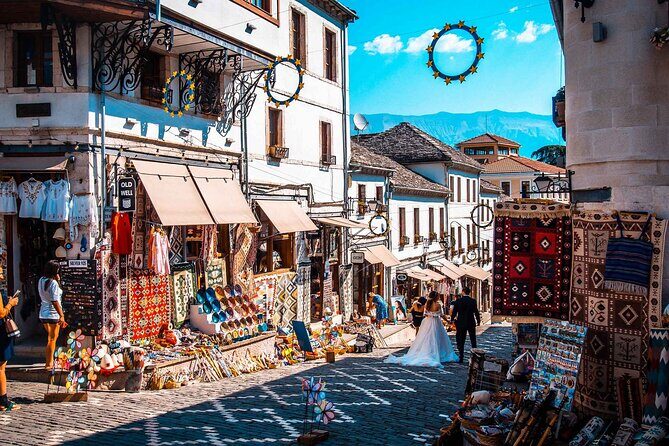
- Old Bazaar stroll: Ottoman streets where commerce still happens
- Skenduli House: the Ottoman mansion that puts the town into focus
- Weapons Museum inside the castle: military history with a hilltop view
- Gjirokaster Castle time: corridors, fortress logic, and long views
- Lunch and coffee/tea: keeping energy steady for a long day
- Price and value from Tirana: when it beats DIY
- Who this private English tour is best for
- Practical tips for an uphill Stone City day
- Should you book this Gjirokaster UNESCO private tour?
- FAQ
- What time does the tour start?
- How long is the Gjirokaster private tour?
- Is hotel pickup and drop-off included?
- Is the tour offered in English?
- What’s included in the price?
- Is lunch included?
- Do I need to buy tickets for the main attractions?
- Can the tour handle dietary restrictions?
- Is there a lot of walking?
- Can I cancel for a full refund?
Key highlights worth planning for
- UNESCO old town atmosphere without guesswork in the Ottoman-style streets around the bazaar
- Skenduli House gives context for how people lived in an Ottoman-era mansion
- Weapons Museum inside Gjirokaster Castle pairs military exhibits with big hilltop views
- Admissions and fees handled for the big sights, plus lunch and coffee/tea
- Private setup in English, so questions stay on-topic instead of lost in the group
Gjirokaster’s Stone City feel: what you’re really buying
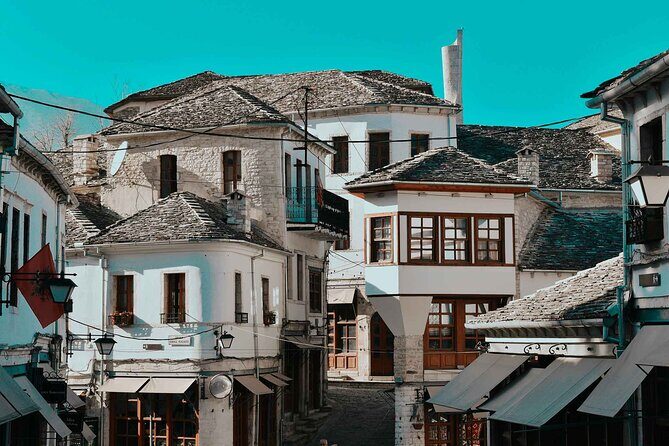
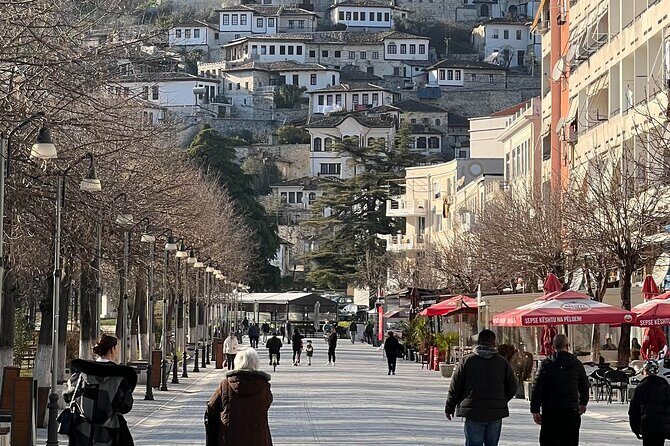
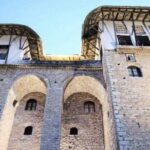
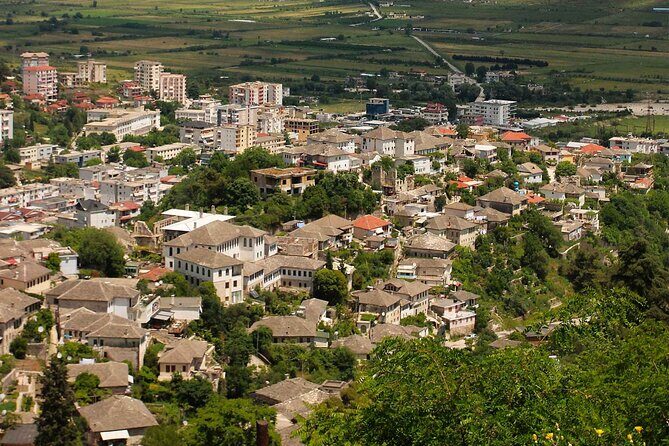
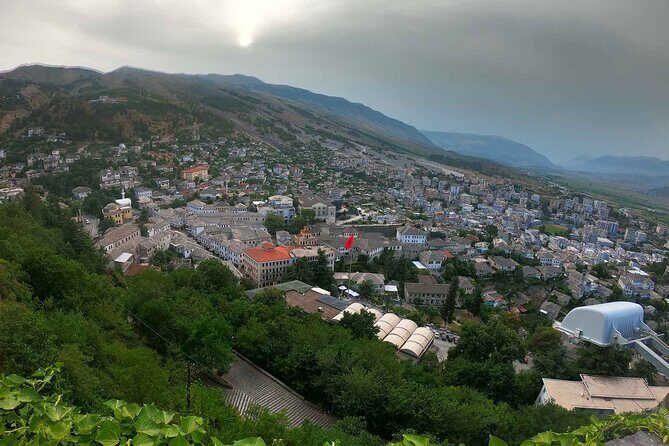
Gjirokaster earns the nickname Stone City because it looks and feels made of stubborn stone. From the lower streets up toward the fortress, buildings stack along the hill in a way that instantly tells you this town was built to last—and to watch what was going on outside.
What I like about doing it as a private day tour is that the town clicks faster. You’re not just looking at old streets. You’re moving through key points that explain the whole “why”: Ottoman-era domestic life (Skenduli House), the town’s commercial heart (Old Bazaar area), and Gjirokaster’s defensive role (castle and weapons exhibits). That mix turns pictures into understanding.
And the castle views are not a minor bonus. On a clear day, the height changes how you read the city—stone towers, mountain folds in the distance, and the sense that the fortress is where power was meant to be felt.
You can also read our reviews of more city tours in Gjirokaster

From Tirana at 8:00: the ride that makes the day work
Pickup starts at 8:00 am from your Tirana hotel, and you’ll ride in an air-conditioned vehicle. The driving portion matters more than you’d think, because it sets the pace for the day. You’re not starting with a steep climb when your legs are cold—you’ve already warmed up with the road time.
The total time is about 11 to 12 hours, which means you’ll need to treat this as a full-day plan, not an add-on. You’ll typically spend a few hours heading out and a few hours returning, with the sightseeing clustered in the middle. That structure is great if you hate the stress of renting a car, navigating unfamiliar public transport schedules, or trying to coordinate museum timings on your own.
One practical note: the plan can shift slightly based on official museum opening hours. That’s normal for any destination where schedules can change, but it’s still good to remember that your exact order might flex a bit while keeping the main stops.
Old Bazaar stroll: Ottoman streets where commerce still happens
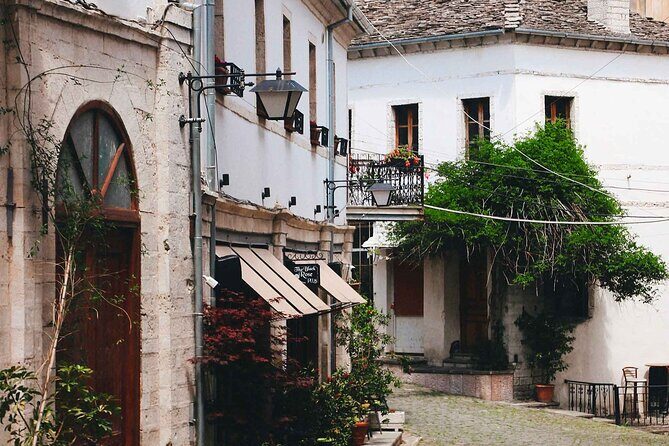
The best way to understand the Old Bazaar area is to treat it like a living snapshot. The streets are cobbled, the buildings wear Ottoman-era shapes, and the shops and cafés are not museum replicas—they’re part of everyday life in Gjirokaster.
This stop is about 1 hour, which is short enough that you won’t be stuck, but long enough to do two things well:
- Walk at an easy pace and absorb the architecture
- Stop if something catches your eye—souvenirs, snacks, or a quick coffee
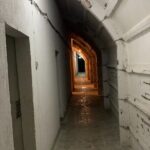
In the area around the old town, you might also notice the Cold War-era tunnel area at the entrance mentioned in local descriptions. Even if you don’t focus on it, the presence of that layer adds another storyline: this place didn’t just keep Ottoman traditions, it also carried 20th-century history.
The one drawback here is wear-and-tear. Cobblestones plus hills equal tired feet faster than you expect. If you’re coming in with only sightseeing-level shoes, upgrade to something supportive.
Skenduli House: the Ottoman mansion that puts the town into focus
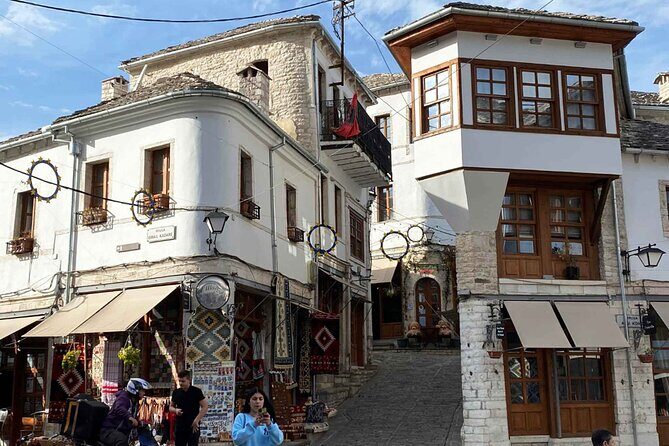
Skenduli House is the kind of visit that makes your photos make sense later. The mansion is well-preserved, and it gives you a clear idea of Ottoman-era domestic life—layout, furniture, woodwork, and period artifacts.
This is also a practical stop. When you’re in an old fortress town, it’s easy to feel like you’re just walking around buildings. Skenduli House breaks that feeling. You step inside and get the “how did people live here?” answer, which is the difference between scenery viewing and real place understanding.
You also get a solid 1 hour here, including enough time to look carefully without feeling rushed. If you care about architecture or interior details, you’ll likely enjoy this more than the average museum stop, because it’s tied directly to the town you’re walking through.
If you don’t love interiors, you can still get value by focusing on:
- How rooms are arranged
- Decorative details in wood and furnishings
- The way the house fits into the hillside townscape
Weapons Museum inside the castle: military history with a hilltop view
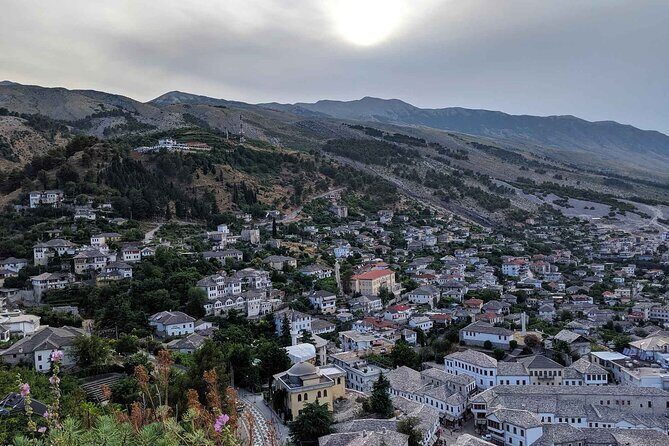
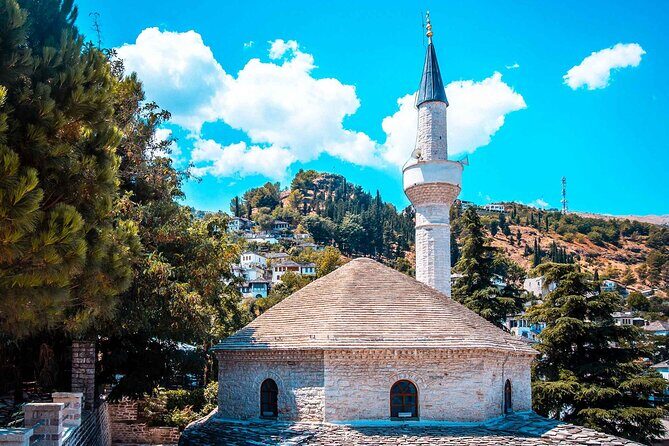
Gjirokaster Castle is the big vertical moment. It sits atop the hill, and the walk up is part of the experience. Once you’re there, the Weapons Museum helps explain the town’s strategic role through centuries of armaments—from older weapons through more modern firearms.
This museum time is about 1 hour, and then you get additional castle exploration time. The value of doing it inside the fortress is that the building and the collection reinforce each other. You’re not reading about defense from behind a window; you’re standing in the kind of place where control mattered.
Then there’s the second layer: the views. Even if you’re not a “castle person,” the panoramas change how you understand the town’s position. From high up, you can see why a fortress location like this would matter for travel routes, lookout points, and protection.
The only consideration is stamina. This is not a flat walking day. If you know you get winded on stairs or steep routes, pace yourself, take short breaks, and keep water handy.
You can also read our reviews of more private tours in Gjirokaster
Gjirokaster Castle time: corridors, fortress logic, and long views
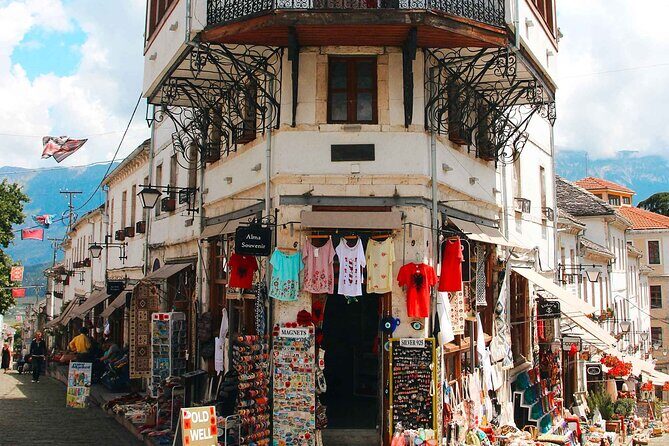
After the museum, you still spend around 2 hours exploring the castle area itself. That’s enough time to move beyond the main points and wander the fortress corridors and viewpoints without feeling like you’re constantly checking the clock.
What I appreciate here is the “logic” of the place. Fortress towns aren’t random. Corridors, vantage points, and the overall layout reflect defensive needs. Even if you skip deep technical details, you can sense the purpose as you walk through.
Also, castle exploration tends to reward good pacing. If you rush, it becomes a blur of stone stairs. If you slow down slightly, the town’s shapes come into focus: where buildings line the slopes, how the hilltop controls sightlines, and how the castle sits like a command post over the old town.
Lunch and coffee/tea: keeping energy steady for a long day
Lunch is included, served at a traditional restaurant, with coffee and/or tea included too. In a day like this, that’s not a small perk. It prevents the classic problem of spending the afternoon hunting for food while your legs are already unhappy.
Because the tour is private and the provider indicates dietary needs can be accommodated (vegetarian, vegan, gluten-free, and more), you won’t have to rely on luck. If you have a specific restriction, it’s smart to note it at booking so the restaurant knows ahead of time.
One more practical thing: with about 11 to 12 hours total, you should treat lunch as one of your main energy anchors. If you’ve been skipping breakfast or you don’t eat much, this day can catch up with you late in the afternoon.
Price and value from Tirana: when it beats DIY
The price is $183.35 per person, and with that you’re getting a full guided day with hotel pickup, an air-conditioned vehicle, professional guiding, admission included for Gjirokaster Castle, the Weapons Museum, and Skenduli House, plus lunch and coffee/tea.
So where does the value really land?
- Less coordination stress: museum timing and tickets are handled for the key sites
- Comfort on the road: air-conditioned transport for the long drive day
- A guide who can connect the dots: Ottoman domestic life, bazaar street culture, and fortress defense aren’t separate topics when explained together
Is it cheaper to do it independently? Maybe, depending on transport costs and whether you can secure tickets and timing easily. But this price starts looking fair when you factor in a day worth of guided structure and the fact that you’re not spending your limited vacation time solving logistics.
Who this private English tour is best for
This tour fits best if you want a guided day that checks multiple “musts” in Gjirokaster without wasting time. You’ll likely enjoy it if you:
- Like UNESCO sites but also want the context behind the walls and rooms
- Enjoy a mix of architecture and museums (castle + house + bazaar)
- Prefer a private setup where questions get answered in English
It’s also a good fit if you’re traveling with a small group and want to move together rather than deal with public transport pacing. And if you’ve read about guides like Irma and Ditmir doing it well, that’s a sign the guiding style tends to be professional and friendly.
The main “not ideal” case is physical. Between the castle height and the old-town uphill walking, you should expect more steps than flat-city sightseeing.
Practical tips for an uphill Stone City day
Gjirokaster isn’t just scenic. It’s vertical. Here’s how to handle it without turning the day into a limp-fest:
- Wear supportive shoes. Cobblestones and stairs make flip-flops a bad plan.
- Bring a light layer. Even in warmer months, higher areas can feel cooler.
- Pace the castle walk. If you rush, you’ll lose your interest fast.
- If you want photos, plan breaks. It’s easier to stop for a viewpoint than to “try to catch up” later.
- If you have dietary needs, say so when booking so lunch stays comfortable.
Also, remember that admission tickets are included for the big interior stops. You still may see free-access areas around the old bazaar and town streets, but the main museum pricing is covered—so you can concentrate on walking and listening rather than budgeting on the fly.
Should you book this Gjirokaster UNESCO private tour?
I’d book it if you want one organized long day that covers the core places in Gjirokaster—Old Bazaar atmosphere, Skenduli House, the Weapons Museum, and castle time—with pickup and drop-off from Tirana.
Skip it (or consider a lighter plan) if you know you struggle with steep walking or you’re the type who prefers to wander alone for hours with no schedule. This day works best when you’re happy trading a little freedom for a lot of structure.
If you do book, focus your expectations: this isn’t just about “seeing” the Stone City. It’s about using the day to understand how daily life, Ottoman-era architecture, and fortress defense all fit together in the same hillside town.
FAQ
What time does the tour start?
Pickup from Tirana begins at 8:00 am.
How long is the Gjirokaster private tour?
The total duration is about 11 to 12 hours.
Is hotel pickup and drop-off included?
Yes. The tour includes pickup and drop-off at your hotel in Tirana.
Is the tour offered in English?
Yes, it is offered in English.
What’s included in the price?
Included are an air-conditioned vehicle, all fees and taxes, lunch at a traditional restaurant, coffee and/or tea, a professional tour guide, and admissions to Gjirokaster Castle, the Weapons Museum, and Skenduli House.
Is lunch included?
Yes. Lunch is included and is organized in a traditional restaurant.
Do I need to buy tickets for the main attractions?
Admissions for Gjirokaster Castle, the Weapons Museum, and Skenduli House are included. The bazaar stop is listed as free admission.
Can the tour handle dietary restrictions?
Yes. The provider states they can accommodate dietary needs like vegetarian, vegan, and gluten-free options if you indicate them at booking.
Is there a lot of walking?
You should expect uphill walking because Gjirokaster and the castle are on a hill. Comfortable shoes help.
Can I cancel for a full refund?
Yes, you can cancel up to 24 hours in advance for a full refund.