REVIEW · TIRANA
UNESCO heritage in Albania – 4 days
Book on Viator →Operated by Smart Tour Albania · Bookable on Viator
In four days, you see Albania’s big-name heritage fast. I like the small-group size (max 15) because it keeps your time with the guide personal, not rushed. I also like how the route strings together major UNESCO sites with the right mix of city streets, castles, museums, and national parks. One consideration: the days are full, with early starts and relatively short time windows at each stop.
The guide experience is a big part of the value here. In one standout review, the guide Riges was mentioned as a major reason the trip felt easy and fun, with good conversation and a relaxed vibe throughout the days. That matters, because when you’re moving between places like Berat Castle, Gjirokastra Fortress, and Butrint National Park, a good guide helps you connect the dots without turning it into a speed-chase.
In This Review
- Key Points to Know Before You Go
- Why This UNESCO Albania Route Works in Four Days
- Tirana Morning: Skanderbeg Square, Clock Tower, and Mosque
- Berat Castle and Old City: UNESCO Layers on the Hill
- Gjirokastra Fortress and Museums: A Castle Town That Explains Itself
- Blue Eye Park to Lekursi Castle: Water, Views, and a Quick Timeline
- Butrint National Park and Llogara: UNESCO + Nature on the Same Day
- Price and What You’re Actually Paying For
- How the Small Group Format Changes Your Experience
- Timing and Pacing: What a Full Day Feels Like
- Who This Tour Suits Best
- Should You Book This UNESCO Heritage in Albania 4-Day Tour?
- FAQ
- What is the duration of the UNESCO Albania tour?
- Where does the tour start, and what time does it begin?
- How much does it cost?
- What’s included in the price?
- Which UNESCO sites does the tour visit?
- Is the tour limited to a small group?
- What if I need to cancel?
Key Points to Know Before You Go
- UNESCO-heavy itinerary with Berat, Gjirokastra, and Butrint built into a tight 4-day rhythm
- Small group up to 15 keeps questions easy and the pace more human
- Hotel + meals included (3 nights, 3 breakfasts, and dinner) so you can budget without surprises
- Entrance fees included at the scheduled sights, plus private transportation between stops
- Local expertise at Butrint with a dedicated tour guide at the park
- English speaking guide throughout, designed for clarity and real-life pacing
Why This UNESCO Albania Route Works in Four Days
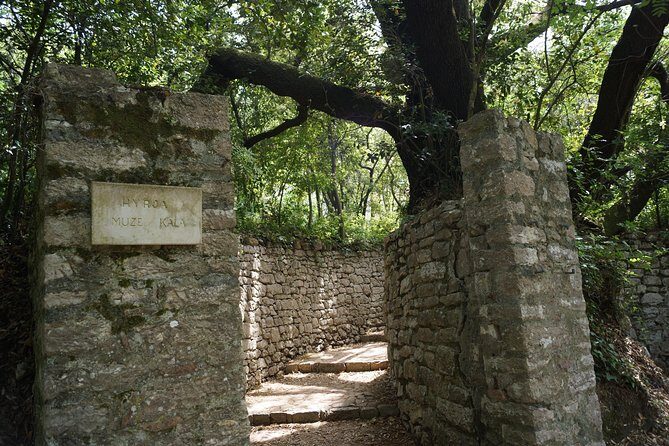
Albania’s UNESCO sites are spread out, so doing them efficiently is the whole game. This tour starts in Tirana and then works outward to the south, so you’re not zig-zagging across the map. In practice, that means less time thinking about logistics and more time looking at walls, streets, and museum rooms you came to see.
What you’re buying is a schedule that’s dense but focused. You’re not just ticking off names—you’re seeing the settings that explain why these places matter. Old-city layers in Berat, fortress views in Gjirokastra, and the cultural-meets-nature feel of Butrint National Park all get time to breathe, even if each stop moves on before you could wander for an entire day.
The trade-off is obvious: you’ll feel the “tour tempo.” If you like long, slow mornings with no calendar pressure, you may find some days tiring. But if you want a high-value snapshot of UNESCO Albania with the heavy lifting handled, this format fits.
You can also read our reviews of more historical tours in Tirana

Tirana Morning: Skanderbeg Square, Clock Tower, and Mosque
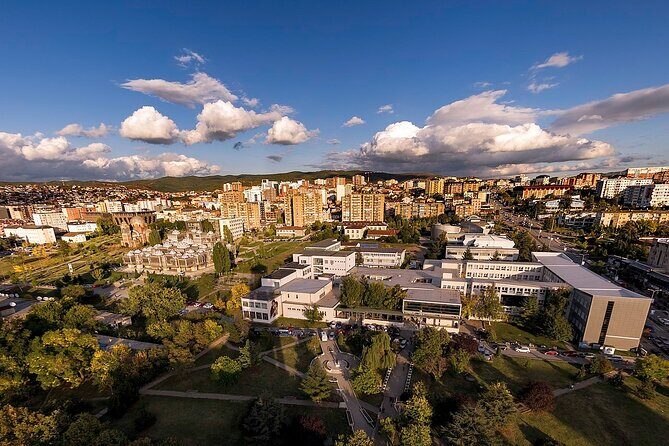
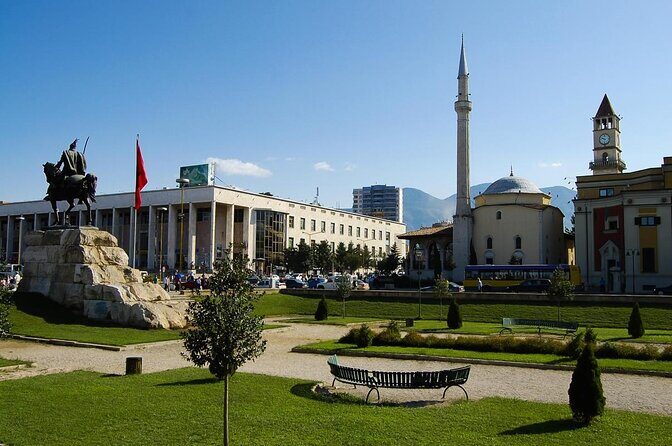
Your day starts in Tirana at 8:00 am, which is early but smart. It gives you first access to central landmarks before the day fills up. The first stop is Skanderbeg Square, including the clock tower and the mosque of Tirana.
This part is useful because it sets your bearings fast. The square is a clear “anchor” in the city, and the clock tower helps you understand how Tirana’s central identity looks and feels. The mosque inclusion also gives you a sense of how different architectural threads sit side by side in the capital.
Then you head to Blloku, where you’ll spend about 2 hours. Blloku is the kind of area you’ll enjoy more if you like strolling and watching how a city lives. Even with a guided visit, this isn’t just about one monument; it’s about walking a neighborhood and getting a feel for modern Tirana’s character after the formal square.
Practical tip: bring something light for the walk. These city segments are shorter than the castles, but your comfort matters when you’re moving again soon.
Berat Castle and Old City: UNESCO Layers on the Hill
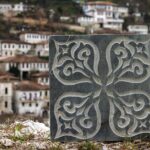
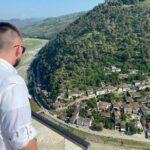
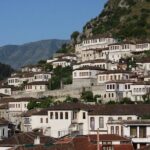
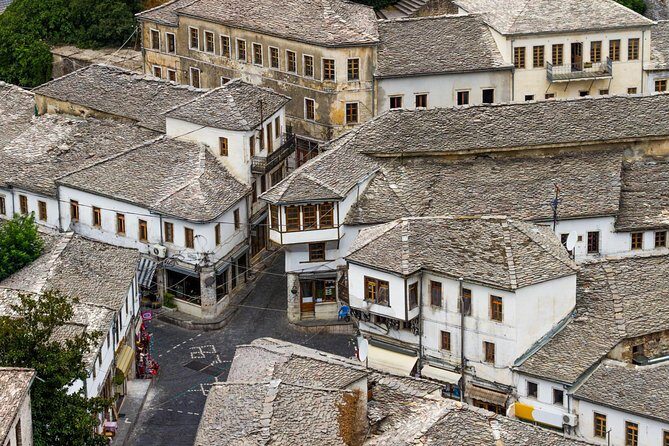
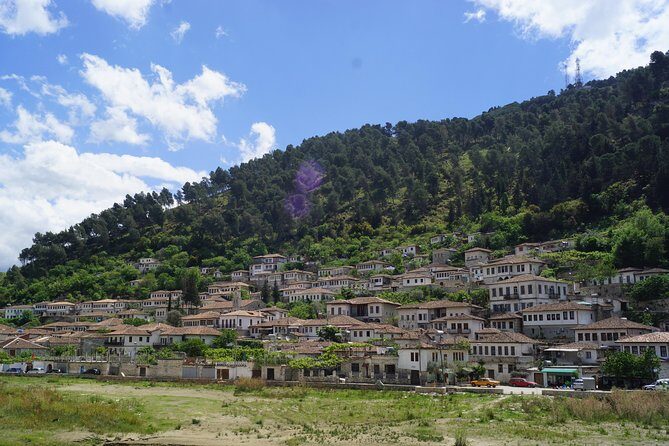
On Day 2, you shift from capital energy to hilltop heritage. The main focus is Berat Castle and the Berat old city UNESCO area. You’ll get about 3 hours for this stop, with time for key “anchors” of the experience.
Here’s what you’ll see:
- Onufri Museum
- Castle of Berat
- Gorica and Mangalemi neighborhood areas
- Gorica bridge
Berat is one of those places where the layout teaches you something. The castle and old-city neighborhoods aren’t separate attractions—they connect. From the viewpoints around the castle area, you can understand why people describe Berat as layered, with the city’s structure shaped by elevation and old street patterns.
The Onufri Museum adds another dimension. Instead of only looking at architecture, you also get a museum stop that gives context on cultural objects tied to Albania’s heritage. Then the neighborhoods help you “read” the city in a more human way—less like a museum, more like a living town built around its older bones.
The Gorica bridge is also a nice break from pure uphill walking. It gives you a moment to reframe the view, and it’s a reminder that these UNESCO settings aren’t only dramatic—they’re practical connections that shaped daily life.
Possible drawback: with only around 3 hours, you’ll have to choose your pace. If you love museums, prioritize the Onufri Museum. If you’re more architecture-first, spend more time lingering around castle and neighborhood views.
Gjirokastra Fortress and Museums: A Castle Town That Explains Itself
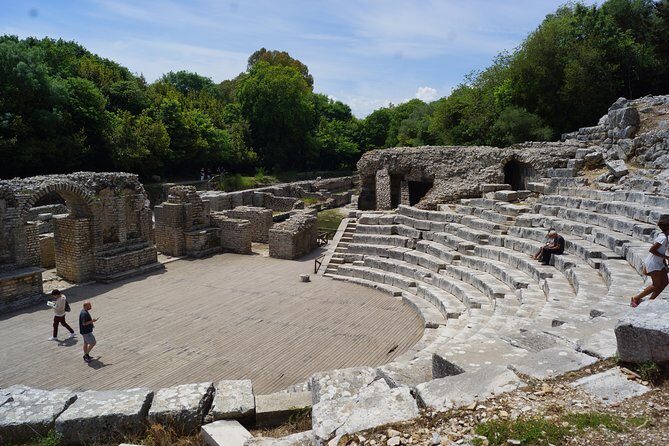
Still on Day 2, you experience Gjirokastra, with about 3 hours allocated for this second UNESCO stop. The highlight here is Gjirokastra Castle, plus a series of museum and old-town elements that connect the city’s story.
Planned stops include:
- Gjirokastra Castle
- Skendulas house/museum
- Old bazaar
- Ethnographic Museum
- Ismail Kadare museum
What I like about this structure is that it’s not only fortress photos. You get the top-down perspective in the castle, then you come back down into everyday life through the old bazaar. That combination helps you understand the city as more than a landmark.
The museums make the time useful. Skendulas house/museum gives you an interior, lived-in feel. The Ethnographic Museum helps you connect cultural patterns to what you’re seeing in the streets and architecture. And the Ismail Kadare museum adds a distinctly Albanian cultural angle, tied to literature and identity rather than only defense and buildings.
If you’re the kind of traveler who likes a place to “click,” this day has the right ingredients. You see how the city’s form supports its function, then you get the cultural context to make sense of it.
Blue Eye Park to Lekursi Castle: Water, Views, and a Quick Timeline
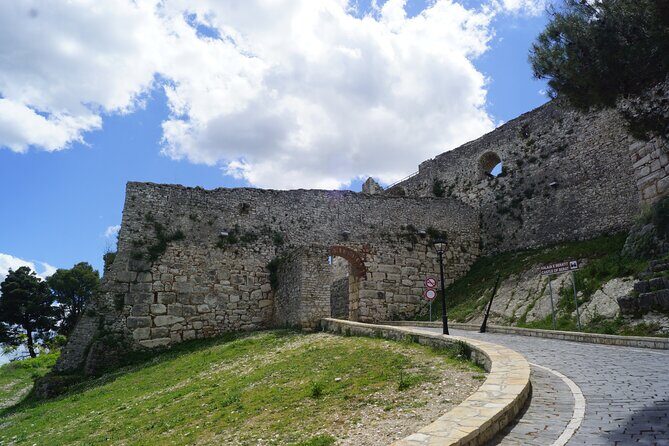
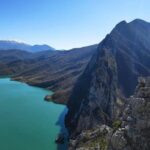
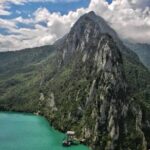
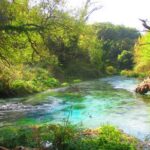
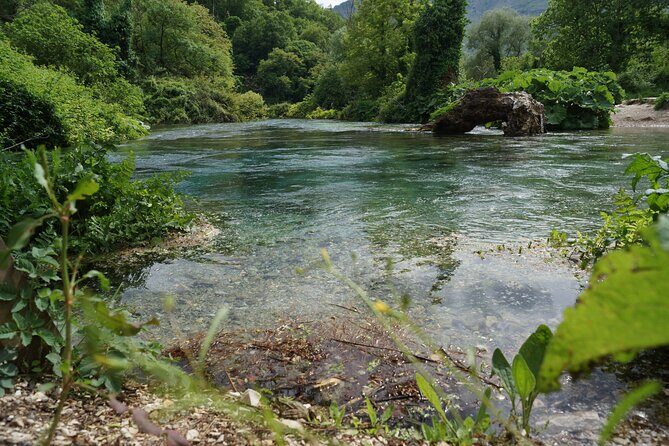
Day 3 flips the script from castles to nature and viewpoints. You start with The Blue Eye and Blue eye park, with about 2 hours here.
This stop is straightforward in a good way. You don’t need a long explanation to appreciate it: it’s a park stop that gives you a change of pace from stone fortresses and museum rooms. It also makes the overall trip feel less like a nonstop checklist.
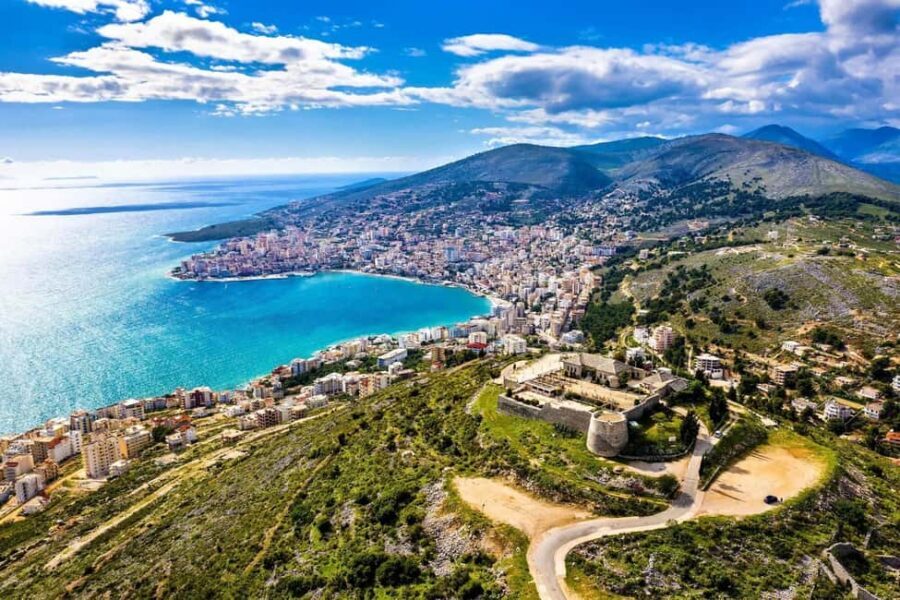
Then you head to Kalaja e Lëkurësit (Lekursi Castle) and Saranca city, with only 40 minutes on the schedule. That short timing is important to understand before you go.
For some people, 40 minutes is barely enough to walk, stop for photos, and absorb the views. For others, it’s the perfect “bonus stop” that adds variety without draining the day. Either way, treat Lekursi as a quick hit: arrive ready to move, and don’t plan on a slow, extended exploration.
Practical advice: wear shoes you trust. Even short stops in older areas can involve uneven ground and stairs.
A few more Tirana tours and experiences worth a look
Butrint National Park and Llogara: UNESCO + Nature on the Same Day
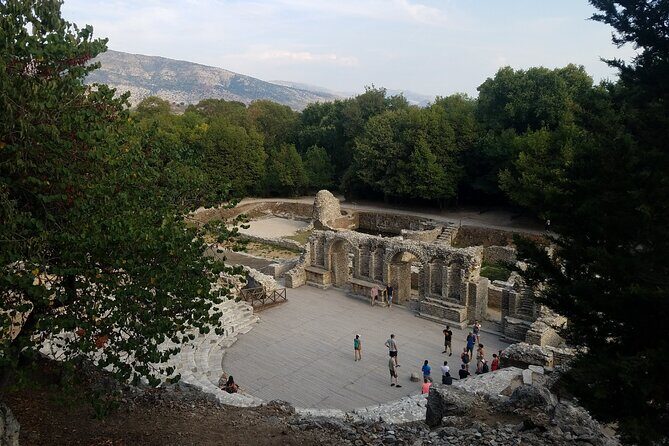
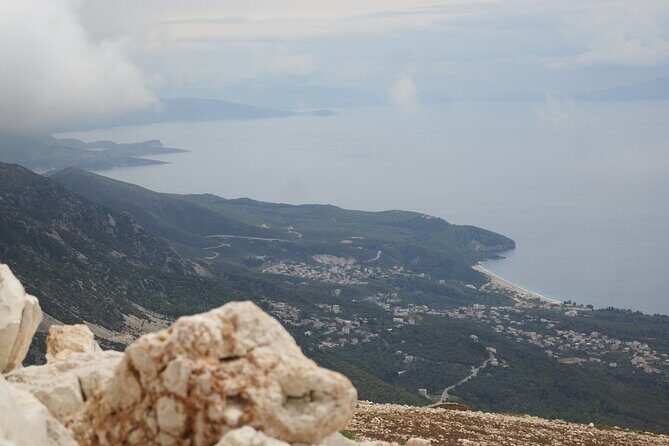
Day 4 is the big finale: Butrint National Park (UNESCO) plus time for the Albania Riviera through Llogara National Park, ending near Vlora City.
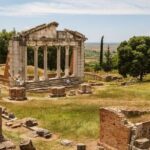
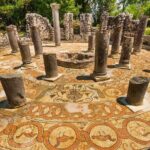
You’ll have about 3 hours for Butrint UNESCO heritage, including Ksamil. There’s also an extra detail that matters: the tour includes a local tour guide at Butrint National Park. That’s a strong value add. Local guides usually know what to point out fast—specific areas to focus on, how to read the site, and what’s worth slowing down for.
After Butrint, you transition to Llogara National Park as you travel along the Albania Riviera, plus a quick 30 minutes in Vlora City. This is a nice pacing choice. You get the cultural weight of Butrint, then you finish with scenic driving and a taste of a coastal city.
One consideration: the last day mixes a major heritage site with driving and a short city stop. If you want extra time to linger, you’ll feel the time pressure at the end. Still, the payoff is that you end the trip with a sense of where Albania’s southern coast fits into the story.
Price and What You’re Actually Paying For
The price is listed as $1,338.10 per person for about 4 days. On a basic level, that sounds like a premium number—and it can be. But the inclusions matter a lot here.
You get:
- 3 x nights accommodation
- Breakfast (3) and dinner
- Entrance fees at the scheduled sights
- Private transportation
- English speaking tour guide
- Plus a local guide at Butrint National Park
- Pickup offered and a mobile ticket
When you add it up, this isn’t just a guided lecture. You’re paying for time efficiency (private transport between towns), convenience (hotel + meals), and ticket handling. If you were to plan this yourself, you’d likely spend real time coordinating hotels, entry fees, and transfers—especially with multiple UNESCO sites separated by distance.
Is it “cheap”? No. But it’s priced like a full-service UNESCO route with most of the friction removed. If that matches how you travel—show up, ride, learn, and let someone else manage the logistics—this looks like solid value.
How the Small Group Format Changes Your Experience
The tour runs as a private tour/activity with maximum 15 people, and only your group participates. That detail can change everything.
In a small group, you’re more likely to:
- hear explanations clearly without competing for attention,
- ask questions and get direct answers,
- keep your pace aligned with the guide rather than the slowest or fastest person.
The guide is also clearly central to the experience. One of the top reviews highlighted the guide Riges as a key reason the trip felt special—plus a friendly, social energy that made the group interactions relaxed rather than awkward.
That matters because UNESCO sites can become repetitive if the storytelling is generic. Here, the guide presence is part of the product, not a bonus.
Timing and Pacing: What a Full Day Feels Like
Across the 4 days, the scheduled stops have set time windows:
- City stops in Tirana feel like shorter orientation moments.
- Berat and Gjirokastra each get about 3 hours, which is enough to see highlights and still feel like you’re not sprinting nonstop.
- The Blue Eye gives you around 2 hours for a real reset.
- Lekursi is brief at 40 minutes—fast and focused.
- Butrint takes 3 hours, then you finish with Llogara and a short stop near Vlora.
If you’re the type who loves to linger, you’ll want to accept that some places will be “highlights only.” If you go in with that mindset, you’ll feel satisfied instead of frustrated.
My practical advice: pack a small day bag with water, a light layer, and comfortable shoes. You’ll likely move through stairs and uneven ground around castles and old-town areas.
Who This Tour Suits Best
This is a great match if you:
- want an efficient UNESCO Albania itinerary without dealing with transport and entry logistics,
- like a mix of old cities, castles, museum stops, and nature parks,
- prefer a small group with an English speaking guide,
- enjoy guided context that helps you understand what you’re seeing.
It may be less ideal if you:
- hate early starts (it begins at 8:00 am),
- need lots of unscheduled time in each town,
- want a slow-travel pace with minimal driving.
Should You Book This UNESCO Heritage in Albania 4-Day Tour?
I’d book it if you want a well-paced “big hits” trip that still feels personal. The combination of Berat, Gjirokastra, and Butrint is the backbone, and the extra nature stops (Blue Eye and Llogara) keep the week from turning into only stone and museums. Add in the hotel + meals + entrance fees + private transportation, and you get a smoother experience for your time and money than DIY planning.
I’d think twice if you’re traveling with a strict need for long stays in one place, or if you want a lighter schedule. Here, you trade slack time for momentum and coverage.
If your goal is to get a real sense of Albania’s UNESCO heritage in a short trip, this one is built for you.
FAQ
What is the duration of the UNESCO Albania tour?
It runs for about 4 days.
Where does the tour start, and what time does it begin?
It starts in Tirana, with a start time of 8:00 am.
How much does it cost?
The price is $1,338.10 per person.
What’s included in the price?
Included are hotel for 3 nights, meals (3 breakfasts and 1 dinner), entrance fees, private transportation, and English speaking tour guidance. The tour also includes a local tour guide at Butrint National Park.
Which UNESCO sites does the tour visit?
The tour includes Berat (UNESCO), Gjirokastra (UNESCO), and Butrint National Park (UNESCO).
Is the tour limited to a small group?
Yes. The group size is limited to a maximum of 15 people, and it’s private for your group.
What if I need to cancel?
You can cancel for a full refund up to 24 hours in advance of the experience’s start time.